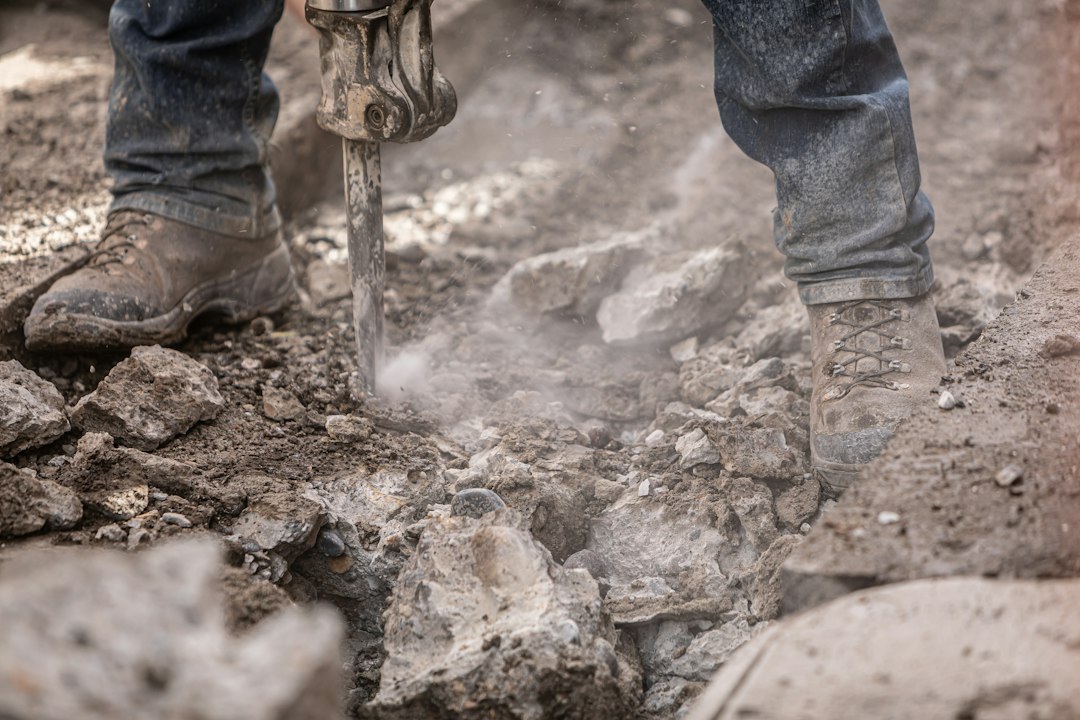
The relentless human drive to explore and understand has propelled us to the highest peaks and deepest oceans. Yet, beneath our feet lies a frontier far more challenging and enigmatic: the Earth’s interior. For centuries, humanity has sought to probe these depths, driven by a thirst for scientific knowledge, mineral wealth, and energy resources. Drilling, the primary tool for accessing these subterranean realms, represents a testament to our ingenuity. However, as we delve deeper, we encounter increasingly formidable geological barriers, pushing the boundaries of what is technologically and physically possible. This article will explore the geological limits of drilling, examining the physical constraints, the unforgiving environments, and the scientific endeavors that continue to push these boundaries.
The Earth’s crust, the outermost solid shell, represents the initial layer of penetration for any drilling operation. While seemingly solid and stable, even this relatively thin veneer presents significant challenges, particularly as exploration ventures beyond shallow depths. The crust is a complex mosaic of rock types, each with its own unique properties influencing drilling efficiency and sustainability.
Variations in Crustal Composition and Strength
The composition of the Earth’s crust varies dramatically between continental and oceanic regions, and even within these broad categories. Continental crust, thicker and less dense, is typically granitic in composition, while oceanic crust, thinner and denser, is primarily basaltic. These differences translate into varying drilling resistances. Hard, crystalline rocks like granite and basalt require specialized drill bits and higher energy input to penetrate. Conversely, softer sedimentary rocks, while easier to drill, can present issues like borehole instability and the risk of collapse. The presence of fractured rock zones, faults, and seismic activity further complicates drilling, introducing the risk of tool loss, borehole deformation, and potential blowouts if high-pressure fluids are encountered.
The Role of Temperature and Pressure in the Upper Crust
Even in the upper layers of the crust, temperature and pressure begin to exert their influence. As drilling progresses, temperatures increase by approximately 25 degrees Celsius per kilometer on average. This geothermal gradient, while a useful source of energy, poses a significant threat to drilling equipment and personnel. High temperatures can degrade lubricants, melt drill bits, and compromise the integrity of casing materials. The increasing pressure, both lithostatic (due to the weight of overlying rock) and pore pressure (due to fluids within the rock pores), can lead to borehole instability. As drilling fluid pressure fails to counterbalance the formation pressure, the borehole walls can deform or collapse, hindering progress and potentially leading to catastrophic equipment failure. Managing these increasing temperatures and pressures requires sophisticated drilling fluids, robust casing designs, and advanced cooling systems, all of which add complexity and cost to deep drilling operations.
The exploration of geological limits for drilling into the Earth has been a topic of significant interest among scientists and researchers. Understanding the challenges and potential risks associated with deep drilling is crucial for both scientific advancement and environmental safety. For a more in-depth look at this subject, you can read a related article that discusses the implications and limitations of drilling into the Earth’s crust at this link: Freaky Science.
Reaching the Mantle: The Shadow of the Mohorovičić Discontinuity
The Mohorovičić discontinuity, or Moho, marks the boundary between the Earth’s crust and the uppermost part of the mantle. Reaching this interface has been a long-standing scientific goal, representing a significant leap in our ability to sample and study the materials that make up the bulk of our planet. However, the Moho lies at considerable depths, and the transition zone itself presents unique challenges.
The Depth Challenge: Oceanic vs. Continental Moho
The depth to the Moho varies significantly. Beneath the oceans, the crust is thinner, and the Moho can be found at depths of around 5 to 15 kilometers. Beneath continents, the crust is much thicker, and the Moho can lie at depths of 30 to 70 kilometers, making it a far more formidable drilling target. The ambitious Mohole Project in the 1960s, an attempt to drill through the oceanic crust to the Moho, ultimately failed due to engineering and financial challenges, highlighting the immense difficulty of reaching even this relatively shallower boundary. The sheer volume of rock to be penetrated, coupled with the increasing temperature and pressure gradients, escalates exponentially with depth, demanding advancements in drilling technology far beyond what was available at the time.
The Nature of Mantle Rock: Peridotite and its Resistance
Once the Moho is breached, the drilling target shifts to peridotite, the primary rock type of the Earth’s upper mantle. Peridotite is an ultramafic igneous rock, characterized by its high density and hardness. Its mineral composition, rich in olivine and pyroxene, makes it significantly more resistant to drilling than most crustal rocks. Conventional drilling techniques would be incredibly slow and energy-intensive, likely requiring specialized drill bits made of diamond or other ultra-hard materials. Furthermore, peridotite can be found at extremely high temperatures within the mantle, often exceeding 1000 degrees Celsius, posing severe material science challenges for drill bits, drill pipes, and downhole sensors. The mechanical properties of peridotite also change under these extreme conditions, becoming more ductile at higher temperatures, which can lead to borehole instability and complications in maintaining hole integrity.
The Asthenosphere: A Viscous Barrier
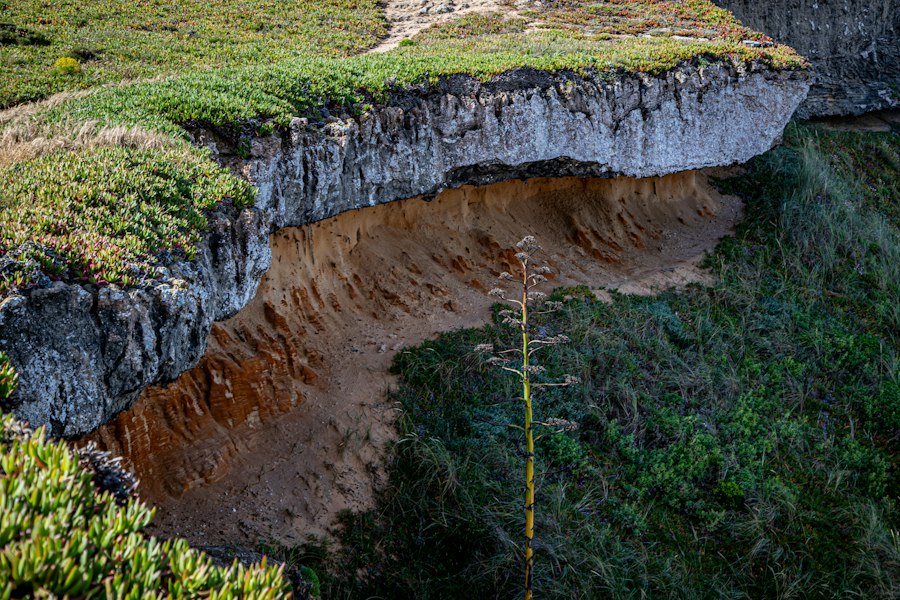
Below the lithospheric mantle lies the asthenosphere, a highly viscous, semi-molten layer that plays a crucial role in plate tectonics. Its plastic-like nature presents a fundamentally different kind of obstacle for drilling operations.
The Challenge of Viscosity and High Temperatures
The asthenosphere is characterized by temperatures ranging from approximately 1000 to 1700 degrees Celsius and pressures that continue to increase with depth. At these temperatures, mantle rocks, though solid, behave plastically over geological timescales. For a drilling operation, this translates into a highly viscous medium that resists penetration and can deform around the drill bit, creating a “sticky” and challenging environment. The high temperatures not only stress drilling equipment but also influence the rheological properties of the asthenosphere itself, making it more prone to flow and closure of the borehole. This necessitates constant monitoring and sophisticated techniques to maintain borehole stability, potentially involving novel drilling fluids or methods that can adapt to the changing physical state of the surrounding rock.
The “Melting Point” Problem: Approaching the Lithosphere-Asthenosphere Boundary
The boundary between the lithosphere and the asthenosphere is not a sharp line but rather a transition zone where temperatures approach the melting point of mantle rocks. As drilling approaches this boundary, the rock becomes increasingly prone to partial melting. Encountering molten or partially molten rock presents a significant hazard. The molten material can clog drill bits, overwhelm drilling fluids, and create unstable conditions that can lead to the collapse of the borehole. The extreme temperatures associated with these partially molten zones further exacerbate the material science challenges for any equipment deployed. Understanding and predicting the exact location and extent of these melting zones are critical for planning and executing any drilling operation into this region.
The Lower Mantle: Extreme Conditions Beyond Reach
The Earth’s lower mantle, extending from about 660 kilometers to 2900 kilometers in depth, represents a realm of extreme temperature and pressure that is currently far beyond the practical reach of conventional drilling technology. While we have indirect evidence of its composition and behavior through seismic studies and laboratory experiments, direct sampling via drilling remains a distant aspiration.
Immense Pressure: Compressing the Earth’s Interior
The pressure in the lower mantle is staggering. At the boundary with the core, it reaches approximately 136 gigapascals (GPa), which is over 1.3 million times atmospheric pressure. This immense pressure fundamentally alters the physical and chemical properties of minerals. Rocks become incredibly dense and rigid. For drilling, the challenge lies in designing equipment that can withstand such colossal forces without being crushed or deformed. Even the strongest known materials would be pushed to their absolute limits, and the mechanics of creating and maintaining a stable borehole under such conditions are almost unimaginable with current technology. The sheer weight of the overlying rock column creates a crushing force that would necessitate entirely new approaches to drilling.
Extreme Temperatures: Mimicking the Sun’s Surface
Temperatures in the lower mantle range from around 1600 degrees Celsius at the upper boundary to over 4000 degrees Celsius at the core-mantle boundary. These temperatures are comparable to the surface of the Sun. At such extreme heat, even the most refractory materials would melt or vaporize. Drilling equipment would need to be constructed from materials that can withstand these conditions, perhaps utilizing exotic alloys or advanced ceramic composites. Furthermore, the very concept of a liquid drilling fluid becomes problematic, as most substances would either boil or decompose. Developing any form of mechanical penetration at these depths would likely require entirely novel approaches, potentially involving directed energy or other technologies that do not rely on physical contact in the conventional sense.
The exploration of geological limits for drilling into the Earth has been a topic of significant interest, particularly as scientists seek to understand the planet’s inner workings. A related article discusses the challenges and advancements in drilling technology, emphasizing the delicate balance between scientific inquiry and environmental concerns. For those interested in delving deeper into this subject, you can read more about it in this informative piece found here. This exploration not only highlights the depths we can reach but also the potential implications for our understanding of Earth’s geology.
The Core: An Unreachable Fiery Heart
| Geological Layer | Depth Range (km) | Temperature Range (°C) | Pressure Range (MPa) | Drilling Challenges | Maximum Drilling Depth Achieved (km) |
|---|---|---|---|---|---|
| Crust (Continental) | 0 – 35 | 15 – 400 | 0 – 100 | Hard rock, high temperature, equipment wear | 12.3 (Kola Superdeep Borehole) |
| Crust (Oceanic) | 0 – 7 | 2 – 300 | 0 – 50 | High pressure, water intrusion, unstable formations | 2.1 (Deep Sea Drilling Project) |
| Upper Mantle | 35 – 410 | 400 – 900 | 100 – 1400 | Extreme temperature and pressure, rock plasticity | Not yet drilled |
| Lower Mantle | 410 – 2900 | 900 – 3700 | 1400 – 23000 | Extreme conditions, unknown rock behavior | Not yet drilled |
| Outer Core | 2900 – 5150 | 3700 – 4400 | 23000 – 33000 | Molten metal, extreme pressure | Not yet drilled |
| Inner Core | 5150 – 6371 | 4400 – 6000 | 33000 – 36000+ | Solid metal, extreme pressure and temperature | Not yet drilled |
The Earth’s core, the innermost region, is the ultimate frontier, divided into a liquid outer core and a solid inner core. The physical conditions here are so extreme that direct drilling is considered impossible with any foreseeable technology.
The Liquid Outer Core: A Sea of Molten Metal
The outer core, extending from about 2900 to 5150 kilometers in depth, is composed primarily of iron and nickel in a molten state. Temperatures range from about 4400 to 6100 degrees Celsius, and pressures are in the tens of GPa. While technically liquid, this molten metal is incredibly dense and viscous. The challenge for drilling here is not only the extreme heat and pressure but also the corrosive nature of the molten iron alloy. Any drilling equipment would need to be resistant to chemical attack and capable of operating in a superheated, dense metallic fluid. The dynamic nature of the outer core, with its convective currents generating Earth’s magnetic field, would also pose significant stability issues for any attempts at penetration.
The Solid Inner Core: A Superheated, Dense Sphere
The inner core, from about 5150 kilometers to the Earth’s center at approximately 6371 kilometers, is solid despite its extreme temperature of around 5200 degrees Celsius. This is due to the immense pressure, which prevents the iron-nickel alloy from melting. The pressure here is estimated to be around 360 GPa. Drilling into a solid sphere of iron at these temperatures and pressures is currently science fiction. The sheer density and rigidity of the inner core, combined with the heat, present insurmountable obstacles for any known drilling technology. Even if a material could withstand the pressure and temperature, the process of creating and maintaining a hole through such a dense and hot solid would require energy levels and mechanical forces far beyond our current capabilities.
Pushing the Boundaries: Scientific Endeavors and Future Prospects
Despite these formidable geological limits, the scientific community continues to push the boundaries of deep drilling, driven by the desire to understand Earth’s processes and resources.
Deep Scientific Drilling Projects: Insights from the Abyss
Projects like the Integrated Ocean Drilling Program (IODP) and the ongoing efforts to explore the Earth’s mantle are testament to this ambition. These programs utilize advanced drilling vessels and technologies to extract core samples from the ocean floor, reaching depths of several kilometers beneath the seabed. While not reaching the mantle or core, these projects provide invaluable data on Earth’s history, climate change, seismic activity, and the potential for geothermal energy. The challenges of maintaining borehole stability, managing high pressures, and dealing with the increasing temperatures are constantly being addressed through innovation in drilling fluids, casing designs, and logging technologies.
Advanced Drilling Technologies: From Laser to Plasma
The future of deep drilling may lie in entirely new technologies that circumvent the limitations of conventional rotary drilling. Research is ongoing into methods such as laser drilling, which uses focused laser beams to vaporize rock, or plasma drilling, which utilizes high-temperature plasma to melt and eject material. While these technologies are still in their nascent stages and face their own sets of challenges, they represent potential pathways to overcoming the physical barriers of extreme pressure and temperature. The development of self-healing materials for drill bits and casings, or the use of remotely operated robotic systems capable of withstanding harsh conditions, are also areas of active research.
Unveiling Earth’s Secrets: The Ongoing Quest
The geological limits of drilling are not static boundaries but rather evolving frontiers. As our understanding of materials science, engineering, and physics advances, so too will our ability to probe deeper into our planet. While the Earth’s core may remain an unreachable enigma for the foreseeable future, the ongoing quest to explore its depths promises to unlock profound secrets about our planet’s formation, its internal dynamics, and its potential for sustaining life. The journey into Earth’s depths is a continuous process of scientific discovery, pushing the limits of human ingenuity against the unyielding forces of nature.
We Drilled 12 KM Into Earth—Then the Rock Started Bending
FAQs
What are the geological limits of drilling into Earth?
The geological limits of drilling into Earth are determined by the composition and structure of the Earth’s crust, mantle, and core.
How deep can we drill into the Earth’s crust?
The deepest hole ever drilled into the Earth’s crust is the Kola Superdeep Borehole in Russia, which reached a depth of about 7.5 miles (12 kilometers).
What challenges are faced when drilling into the Earth’s mantle?
Drilling into the Earth’s mantle is extremely challenging due to the high temperatures and pressures present at those depths, as well as the lack of suitable drilling technology to withstand such conditions.
Is it possible to drill into the Earth’s core?
Currently, it is not technologically feasible to drill into the Earth’s core due to the extreme temperatures and pressures present at those depths, as well as the limitations of current drilling technology.
What are the potential benefits of drilling deeper into the Earth?
Drilling deeper into the Earth could provide valuable insights into the Earth’s composition, history, and processes, as well as help us better understand geological phenomena such as earthquakes and volcanic eruptions.