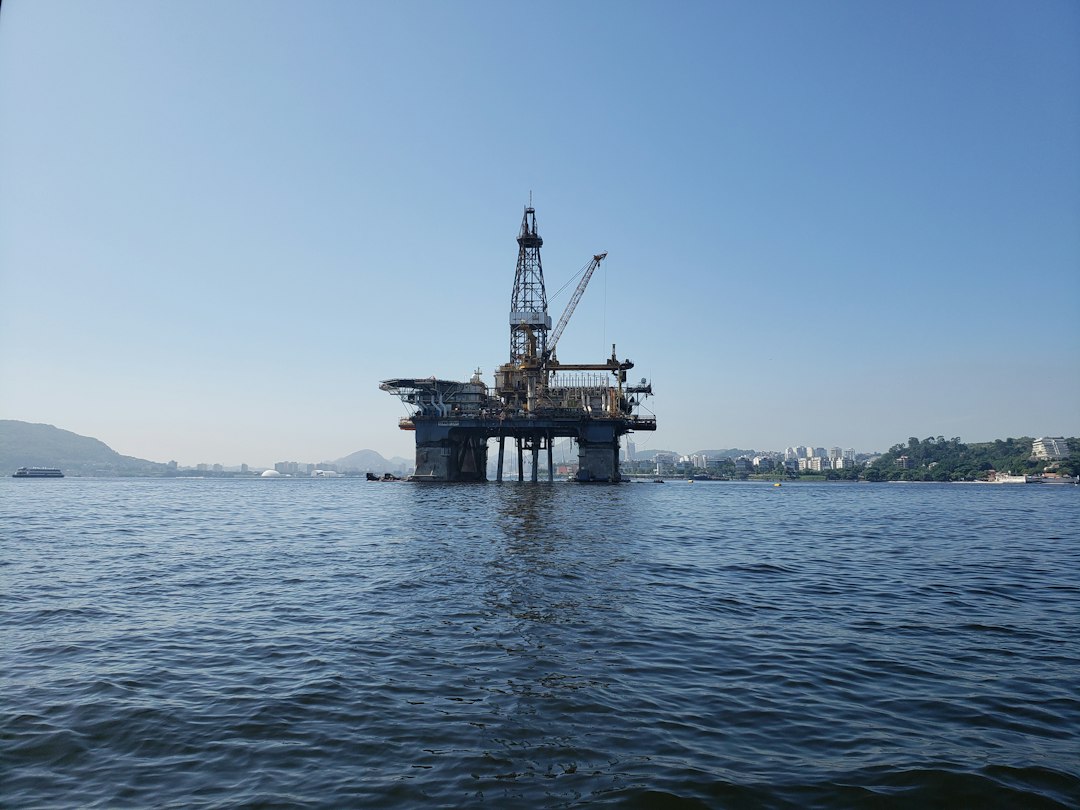
The documentary, “Exploring Earth’s Depths: A Deep Drilling Documentary,” embarks on an ambitious and awe-inspiring journey into the planet’s hidden realms. It delves beyond the familiar surface, venturing into the immense pressures and scorching temperatures of the Earth’s interior through the lens of cutting-edge deep drilling technology. This film is not merely a scientific exposé; it’s a visceral exploration of the forces that shape our world, the secrets it holds, and the incredible human ingenuity required to uncover them.
The very premise of “Exploring Earth’s Depths” is rooted in a fundamental human drive to understand our origins and the planet we inhabit. The film begins by framing the significance of deep drilling, not as a whimsical pursuit, but as a critical scientific endeavor.
Unveiling Planetary Secrets
The documentary meticulously lays out the scientific questions that compel humanity to drill deeper. It explores how studying the Earth’s interior can provide unparalleled insights into its formation, the processes that drive plate tectonics, and the generation of its magnetic field. Viewers are introduced to the vast unknowns that lie beneath the crust, areas where direct observation has been impossible until the advent of sophisticated drilling techniques. The film emphasizes that our understanding of the surface world is intrinsically linked to what happens deep within.
The Quest for Resources
Beyond pure scientific curiosity, “Exploring Earth’s Depths” also acknowledges the practical imperative behind deep drilling. It highlights how these ventures are crucial for discovering and accessing vital resources that power our modern civilization, from fossil fuels to critical minerals and geothermal energy. The film delves into the delicate balance between resource extraction and environmental responsibility, showcasing the ethical considerations that accompany such profound interventions.
Technological Frontiers
The narrative then pivots to the sheer technological marvel that deep drilling represents. The documentary showcases the evolution of drilling technology, from early, rudimentary attempts to the colossal, sophisticated rigs and specialized equipment seen today. It emphasizes the engineering challenges posed by immense pressures, extreme temperatures, and the abrasive nature of deep rock formations, illustrating how each advancement represents a triumph of human innovation.
In the fascinating realm of Earth science, deep drilling has emerged as a pivotal technique for understanding our planet’s geology and climate history. For those interested in exploring this topic further, a related article can be found at Freaky Science, which delves into the latest advancements in deep drilling technology and its implications for uncovering the mysteries of the Earth’s interior. This documentary not only highlights the scientific significance of these endeavors but also showcases the innovative methods employed by researchers to access previously unreachable layers of the Earth.
The Tools of the Trade: Engineering the Impossible
“Exploring Earth’s Depths” dedicates a substantial portion of its runtime to showcasing the incredible machinery and innovative engineering that make deep drilling a reality. Viewers are given an intimate look at the colossal scale of these operations and the precision required.
Colossal Rigs and Their Anatomy
The film provides an in-depth look at the towering drilling rigs that dominate the landscapes where these projects are undertaken. It breaks down the various components of these complex structures, from the derrick and drawworks to the rotary table and drill floor. Close-up shots and animated sequences illustrate the intricate interplay of these systems, highlighting the sheer power and precision involved in their operation. The documentary emphasizes the immense logistical challenges of transporting, assembling, and maintaining these behemoths in remote and often harsh environments.
The Heartbeat: The Drill Bit
A significant focus is placed on the drill bit itself, the unsung hero of deep drilling. The film explores the evolution of drill bit technology, from simple roller-cone bits to advanced diamond-impregnated and specialized carbide-tipped designs. It explains how the material science and design of these bits are crucial for withstanding the extreme conditions and efficiently breaking through rock. Animated sequences demonstrate how different types of bits are optimized for various geological formations, showcasing the scientific principles at play.
Navigating the Abyss: Drilling Fluids and Muds
The importance of drilling fluids, often referred to as drilling muds, is meticulously detailed. The documentary explains their multifaceted role: cooling and lubricating the drill bit, carrying rock cuttings to the surface, controlling formation pressures, and stabilizing the borehole walls. Viewers witness the complex chemical compositions of these fluids and how they are precisely engineered for specific drilling environments. The film illustrates the challenges of managing these fluids at extreme depths and the sophisticated recycling and treatment systems employed.
The Unseen Battle: Wellbore Stability and Casing
“Exploring Earth’s Depths” delves into the critical challenge of maintaining wellbore integrity. The documentary explains how the immense pressures encountered deep within the Earth can cause boreholes to collapse. It showcases the role of casing – steel pipes cemented into the wellbore – in preventing this collapse and isolating different geological formations. The film highlights the meticulous process of running casing and cementing, emphasizing the precision required to ensure a secure and stable wellbore.
Journey to the Mantle: Pushing the Boundaries
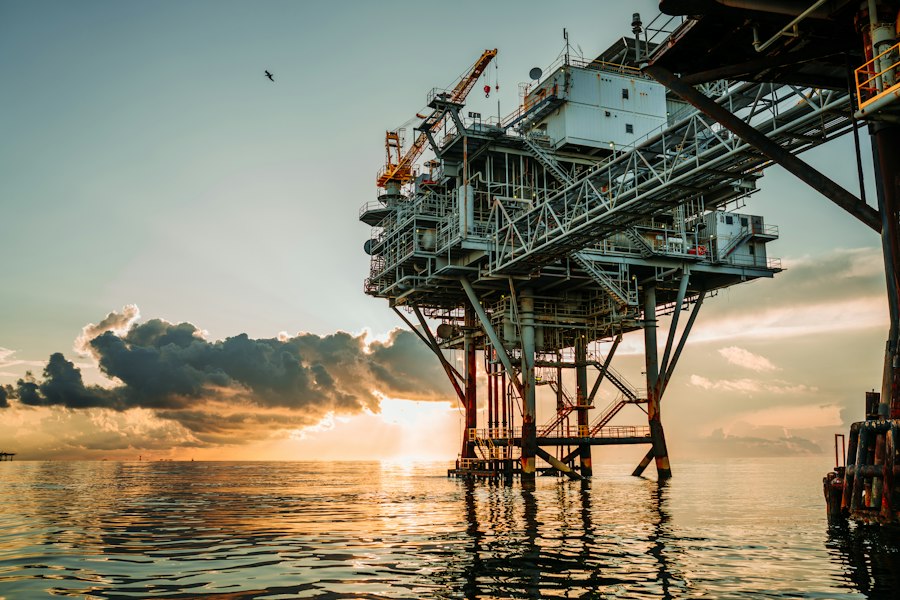
The documentary’s narrative arc culminates in its exploration of the most ambitious deep drilling projects, those that aim to reach or sample the Earth’s mantle. This section is where the true sense of pushing the boundaries of human exploration comes to the fore.
The Kola Superdeep Borehole: A Landmark Endeavor
A significant portion of the film is dedicated to the iconic Kola Superdeep Borehole in Russia. The documentary reconstructs the ambitious Soviet project, detailing its scientific motivations, the immense engineering challenges it faced, and its eventual halt. Viewers are shown archival footage and interviews with scientists and engineers who were involved, offering a human perspective on the dedication and perseverance required for such an undertaking. The film highlights the groundbreaking scientific discoveries made, such as the unexpected presence of water in deep rock formations and microbial life far below the surface.
Targeting the Moho: The Ocean Drilling Program
The documentary also explores international efforts to drill through the Earth’s crust and reach the Mohorovičić discontinuity (Moho), the boundary between the crust and the mantle. It showcases the ingenuity of the Ocean Drilling Program (ODP) and its successor, the Integrated Ocean Drilling Program (IODP), which utilized specialized research vessels to drill into the ocean floor. The film explains how drilling through the thinner oceanic crust offers a more accessible route to the Moho compared to continental drilling.
Sampling the Unknown
The process of retrieving core samples from these extreme depths is a visually captivating element of the documentary. Viewers witness the careful extraction of cylindrical rock samples, each representing a geological epoch and a testament to the immense pressures and temperatures from which it was retrieved. The film highlights the meticulous analysis of these cores, revealing details about the Earth’s composition, its thermal history, and the processes of rock formation and alteration.
Unexpected Discoveries: Life in the Deep
One of the most surprising revelations explored in “Exploring Earth’s Depths” is the discovery of life in seemingly inhospitable environments deep within the Earth. The documentary presents scientific findings about extremophile microorganisms that thrive in high-pressure, high-temperature conditions, challenging our previous understanding of the limits of life. It explores the implications of these discoveries for astrobiology and the search for life beyond Earth.
The Science Beneath Our Feet: What We’ve Learned

“Exploring Earth’s Depths” meticulously details the scientific insights gained from decades of deep drilling. It translates complex geological concepts into accessible narratives, demonstrating how these projects have fundamentally reshaped our understanding of our planet.
Understanding Plate Tectonics
The documentary vividly illustrates how deep drilling has provided crucial data for understanding plate tectonics, the theory that explains the movement of the Earth’s lithosphere. By studying the composition and structure of rocks at various depths, scientists have been able to map out the boundaries of tectonic plates, understand the forces that drive their movement, and predict seismic activity with greater accuracy. The film shows how core samples reveal the history of faulting and deformation, offering a direct window into the dynamic processes shaping the Earth’s surface.
The Earth’s Thermal Engine
The flow of heat from the Earth’s interior is a fundamental aspect of our planet’s geological activity, and deep drilling has been instrumental in mapping this “thermal engine.” The documentary explains how temperature gradients are measured in boreholes, providing data on the geothermal heat flux. This information is vital for understanding processes like magma formation, volcanic activity, and the generation of hydrothermal vents. The film highlights how these measurements inform our understanding of the Earth’s energy balance.
Geothermal Energy: Tapping into the Planet’s Heat
A significant practical application of understanding the Earth’s thermal regime, as showcased in the documentary, is the development of geothermal energy. The film explores how deep drilling projects, particularly those designed to access high-temperature reservoirs, are paving the way for sustainable energy generation. It provides examples of geothermal power plants and discusses the potential of this renewable resource to contribute to a global clean energy future.
The Deep Biosphere: Life Unseen
The discovery and study of the deep biosphere, as mentioned previously, is presented as a transformative scientific finding. “Exploring Earth’s Depths” elaborates on how deep drilling has revealed vast ecosystems of microorganisms living within the Earth’s crust, surviving on chemical energy and often in complete isolation from surface life. The documentary discusses the ecological and evolutionary significance of these findings, suggesting that the deep biosphere might represent a substantial portion of Earth’s total biomass.
In the fascinating realm of Earth science, deep drilling projects have unveiled remarkable insights into our planet’s geological history. A related article explores the innovative techniques and discoveries made through these drilling endeavors, shedding light on the mysteries hidden beneath the Earth’s surface. For those interested in learning more about the implications of deep drilling, you can read the full article here. This exploration not only enhances our understanding of Earth’s past but also informs future research and environmental considerations.
The Future of Deep Exploration: New Frontiers and Challenges
| Metric | Value | Description |
|---|---|---|
| Title | Journey to the Center: Deep Earth Drilling | Name of the documentary |
| Duration | 90 minutes | Total runtime of the documentary |
| Release Year | 2023 | Year the documentary was released |
| Deepest Drill Depth Covered | 12,262 meters | Depth reached by the Kola Superdeep Borehole featured |
| Number of Interviews | 15 | Experts and scientists interviewed in the documentary |
| Geological Topics Covered | 5 | Number of main earth science topics discussed (e.g., crust composition, seismic activity) |
| Filming Locations | 3 | Number of key drilling sites featured |
| Audience Rating | 8.7/10 | Average viewer rating on documentary platforms |
| Scientific Accuracy | High | Level of scientific detail and accuracy presented |
The documentary concludes by looking towards the future of deep drilling, highlighting ongoing research and the next generation of ambitious projects. It acknowledges the evolving challenges and opportunities in this field.
Next-Generation Drilling Technologies
The film showcases cutting-edge research and development in drilling technology. This includes advancements in robotics, autonomous drilling systems, and novel drilling methods that aim to increase efficiency and reach even greater depths. The documentary hints at potential future technologies like laser drilling or plasma drilling, pushing the boundaries of what is currently imaginable.
The Quest for the Lower Mantle
“Exploring Earth’s Depths” discusses the ultimate aspiration of many geoscientists: to directly sample the Earth’s lower mantle. The film explains the immense scientific questions that remain unanswered about this vast and inaccessible region, including its composition, dynamics, and role in mantle convection. While direct drilling to the lower mantle remains a distant goal, the documentary highlights theoretical research and preliminary technological development that could one day make it possible.
International Collaboration and Funding
The film underscores the importance of international collaboration and significant financial investment for undertaking such monumental scientific endeavors. It emphasizes that projects like those aimed at reaching the mantle require the pooling of resources, expertise, and technological capabilities from nations around the globe. The documentary implicitly argues for continued public and private support for deep drilling research.
Environmental Stewardship and Ethical Considerations
As deep drilling ventures into increasingly sensitive and unexplored territories, “Exploring Earth’s Depths” addresses the critical need for environmental stewardship and ethical considerations. The documentary explores the potential impacts of deep drilling on subsurface ecosystems, the management of drilling waste, and the importance of minimizing the human footprint. It prompts viewers to consider the long-term consequences of our actions and the responsibility that comes with exploring and potentially exploiting Earth’s deepest resources.
A Legacy of Discovery
Ultimately, “Exploring Earth’s Depths: A Deep Drilling Documentary” leaves the audience with a profound appreciation for the Earth’s hidden complexity and the relentless human spirit of exploration. It is a testament to scientific curiosity, engineering prowess, and the enduring quest to understand our place within this dynamic and awe-inspiring planet. The film serves as a powerful reminder that even as we gaze at the stars, some of the greatest mysteries and most vital clues to our existence lie buried deep beneath our feet.
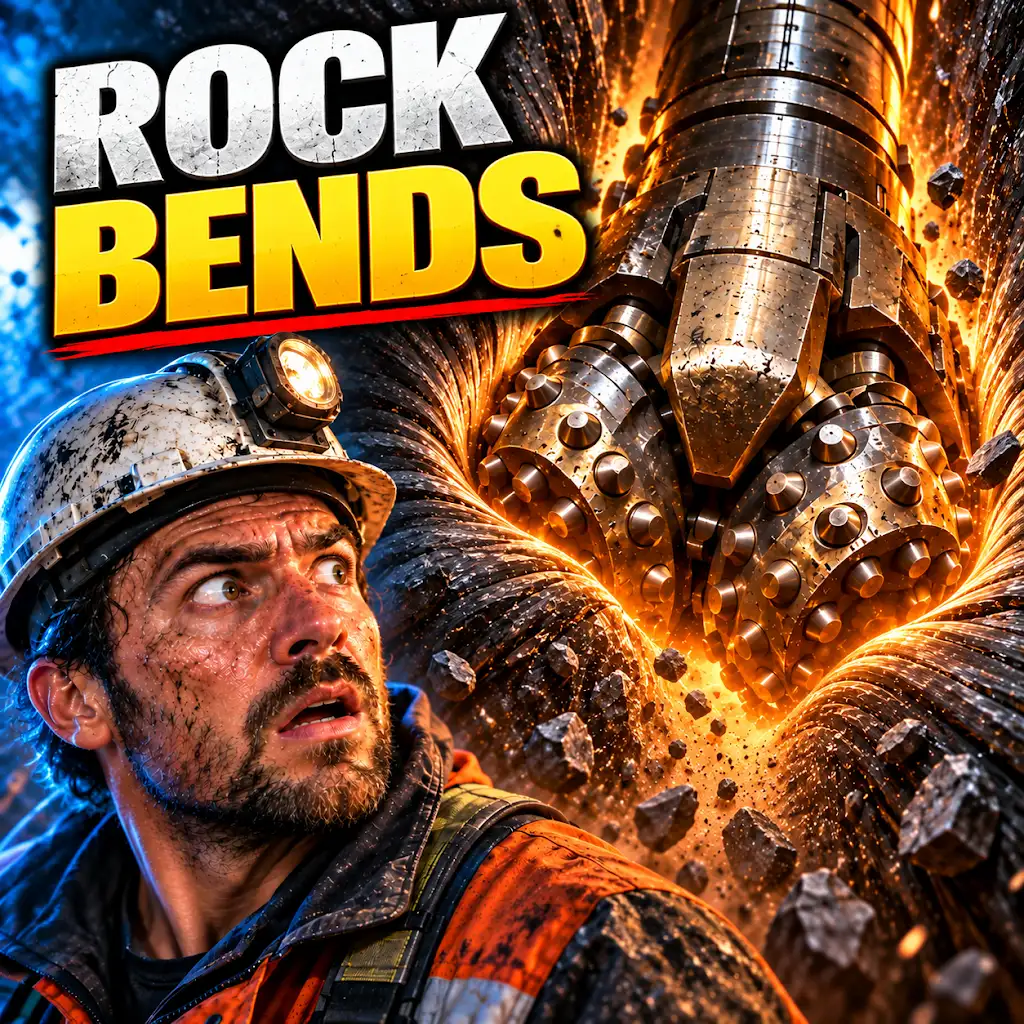
We Drilled 12 KM Into Earth—Then the Rock Started Bending
FAQs
What is the focus of the Earth science documentary about deep drilling?
The documentary focuses on the process of deep drilling into the Earth’s crust to study geological formations, natural resources, and the Earth’s history.
Who is the target audience for the Earth science documentary?
The target audience for the Earth science documentary about deep drilling is individuals interested in geology, environmental science, and the exploration of the Earth’s subsurface.
What are some key topics covered in the documentary?
Some key topics covered in the documentary include the technology and equipment used for deep drilling, the impact of drilling on the environment, and the discoveries made through deep drilling projects.
Are there any experts or scientists featured in the documentary?
Yes, the documentary features interviews with geologists, environmental scientists, engineers, and other experts in the field of deep drilling to provide insights and analysis on the subject.
Where can viewers watch the Earth science documentary about deep drilling?
Viewers can watch the Earth science documentary about deep drilling on streaming platforms, educational websites, or through special screenings organized by science institutions or universities.