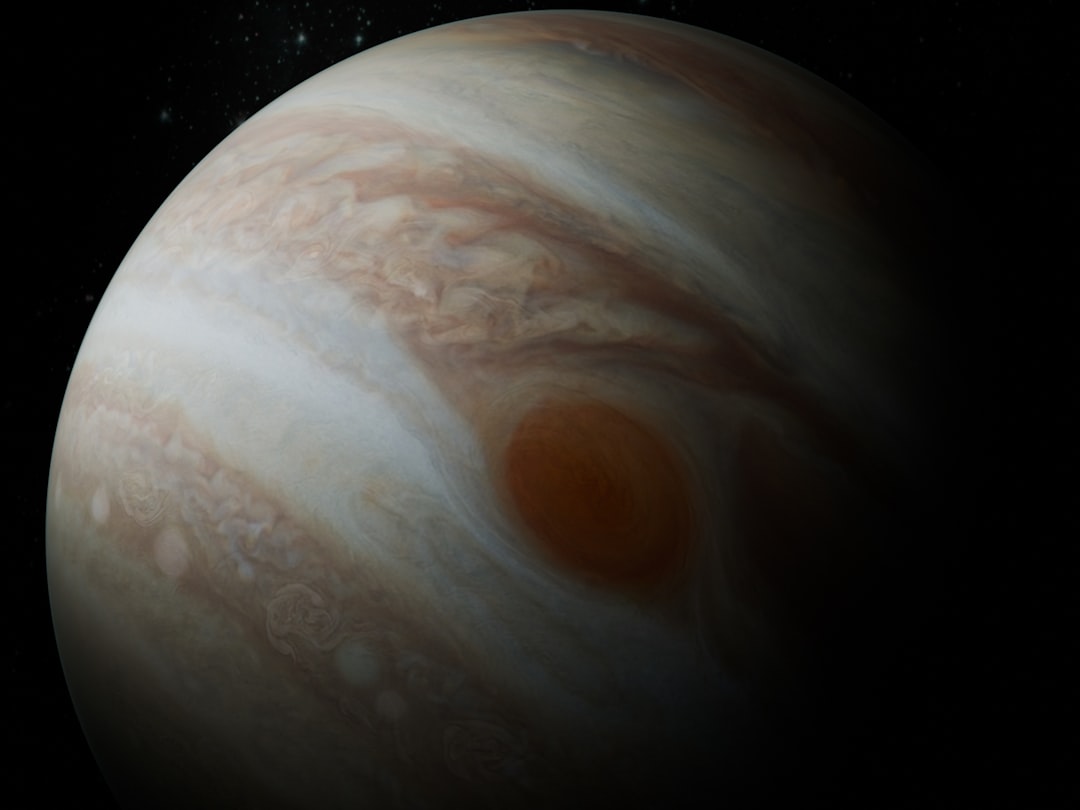
Earth and planetary science encompass the study of Earth and other celestial bodies, seeking to understand their formation, evolution, composition, and the processes that govern them. This interdisciplinary field draws upon geology, geophysics, atmospheric science, oceanography, astronomy, and astrobiology to unravel the universe’s multifaceted mysteries. Researchers in this domain investigate phenomena ranging from plate tectonics and climate change on Earth to the potential for life on exoplanets and the origins of the cosmos itself.
The formation of planets is a complex process spanning millions of years, beginning with a swirling cloud of gas and dust known as a protoplanetary disk. Understanding this genesis is crucial to comprehending the diversity of planetary systems observed throughout the galaxy.
Accretion and Differentiation: Building Blocks of Planets
Planets arise from the gradual accumulation of dust grains and gas through a process called accretion. These microscopic particles collide and stick together, forming progressively larger bodies known as planetesimals. Gravitational forces then take over, causing planetesimals to coalesce into protoplanets. As these protoplanets grow, their internal temperatures rise due to impacts and gravitational compression. This heating leads to differentiation, where denser materials sink to the core while lighter materials rise to the surface, forming distinct layers such as a metallic core, a rocky mantle, and a crust.
The Role of Stellar Winds and Magnetic Fields
The star around which a protoplanetary disk forms plays a significant role in planetary evolution. Early stellar winds can clear away residual gas and dust, halting further planetary growth. The star’s magnetic field can also influence the protoplanetary disk, affecting the distribution and migration of planetary bodies. For example, some theories suggest that the “hot Jupiters” – gas giants orbiting very close to their stars – may have migrated inwards due to interactions with the stellar magnetic field and the disk.
Diversity in Planetary Systems: A Galactic Panoply
Astronomical observations have revealed a remarkable diversity in planetary systems beyond our own. While our solar system features terrestrial planets close to the sun and gas giants further out, exoplanet discoveries have shown systems with gas giants orbiting incredibly close to their stars, “super-Earths” – planets larger than Earth but smaller than Neptune – and even “mini-Neptunes.” This diversity challenges previous assumptions about planet formation and highlights the vast array of possibilities in the universe. Understanding these variations provides critical insights into the underlying physical processes that govern planetary system architecture.
In the field of Earth and planetary science, understanding the geological processes that shape our planet is crucial. A related article that delves into these processes can be found at this link: Freaky Science. This article explores various aspects of Earth’s geology, including tectonic movements, volcanic activity, and the impact of climate change on geological formations, providing valuable insights for both researchers and enthusiasts alike.
Earth’s Dynamic Systems: An Interconnected Web
Earth is not a static body but a dynamic system characterized by continuous geological, atmospheric, and oceanic processes. These interconnected systems constantly interact, shaping the planet’s surface, climate, and the conditions necessary for life.
Plate Tectonics: The Rhythmic Reshaping of Earth’s Surface
The Earth’s outermost layer, the lithosphere, is broken into several large and small plates that are in constant motion. This phenomenon, known as plate tectonics, is driven by convection currents in the underlying mantle. Plates diverge, creating new crust at mid-ocean ridges; converge, leading to subduction zones and mountain building; and slide past each other at transform faults. This ongoing geological activity is responsible for earthquakes, volcanic eruptions, and the formation of continents and ocean basins, shaping the very landscape we inhabit.
The Hydrological Cycle: Earth’s Water Engine
Water is fundamental to life on Earth and circulates continuously through the atmosphere, oceans, land, and living organisms in what is known as the hydrological cycle. Evaporation from oceans and land surfaces forms water vapor, which condenses into clouds and precipitates as rain or snow. This water then flows across the land as rivers and groundwater, eventually returning to the oceans. The hydrological cycle influences weather patterns, regulates climate, and plays a crucial role in shaping Earth’s surface through erosion and sedimentation.
Atmospheric Circulation: A Global Weather Factory
Earth’s atmosphere is a complex mixture of gases that surrounds the planet, regulating its temperature and protecting it from harmful solar radiation. Atmospheric circulation, driven by differential heating of the Earth’s surface, distributes heat and moisture around the globe. This circulation creates distinct weather patterns and climate zones, from the vigorous storms of the tropics to the frigid conditions of the poles. Understanding atmospheric dynamics is vital for accurate weather forecasting and for predicting the impacts of climate change.
Ocean Currents: The Conveyor Belt of Heat and Nutrients
The world’s oceans are vast reservoirs of water that play a critical role in regulating Earth’s climate and supporting marine ecosystems. Ocean currents, driven by wind, temperature, and salinity differences, act as a massive conveyor belt, transporting heat from the equator to the poles and distributing nutrients throughout the marine environment. These currents significantly influence regional climates, marine biodiversity, and patterns of heat distribution across the planet. Disruptions to these currents, such as those caused by climate change, can have far-reaching consequences for global weather patterns and ecosystems.
Climate Change and its Planetary Impact: A Pressing Global Challenge
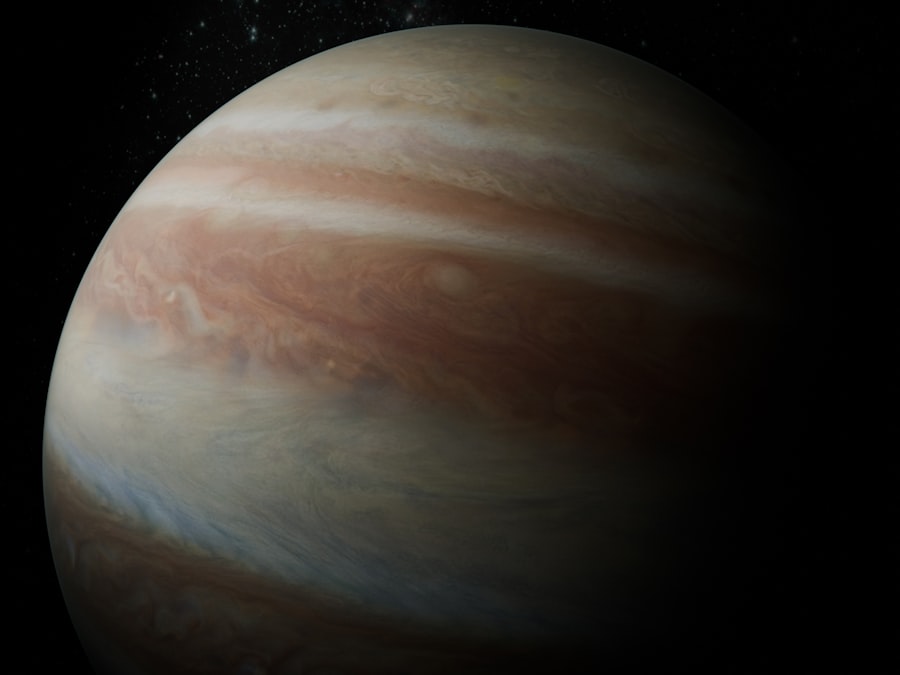
Climate change, primarily driven by human activities, represents one of the most significant challenges facing Earth and its inhabitants. Understanding the science behind climate change is paramount to mitigating its effects and adapting to a changing world.
The Greenhouse Effect: Earth’s Natural Warming Blanket
The greenhouse effect is a natural process that warms the Earth’s surface and atmosphere. Certain gases in the atmosphere, known as greenhouse gases (e.g., carbon dioxide, methane, water vapor), trap heat from the sun, preventing it from escaping back into space. This natural process is essential for maintaining a habitable temperature on Earth. However, increased concentrations of these gases due to anthropogenic emissions are intensifying this effect, leading to global warming.
Anthropogenic Drivers: The Human Signature on Climate
Human activities, particularly the burning of fossil fuels for energy, deforestation, and industrial processes, have significantly increased the concentrations of greenhouse gases in the atmosphere since the Industrial Revolution. These emissions have overwhelmed Earth’s natural carbon sinks, leading to an unprecedented rise in global temperatures. The long-term consequences include rising sea levels, more frequent and intense extreme weather events, and disruptions to ecosystems and human societies.
Paleoclimate Studies: Reading Earth’s Climate History
Scientists use various methods to reconstruct Earth’s past climates, a field known as paleoclimatology. By analyzing ice cores, tree rings, ocean sediments, and fossil records, researchers can gain insights into past temperature fluctuations, atmospheric composition, and sea levels. These paleoclimate studies provide crucial context for understanding current climate trends and for validating climate models. They demonstrate that the current rate of warming is unparalleled in recent geological history.
Astrobiology and the Search for Extraterrestrial Life: Are We Alone?
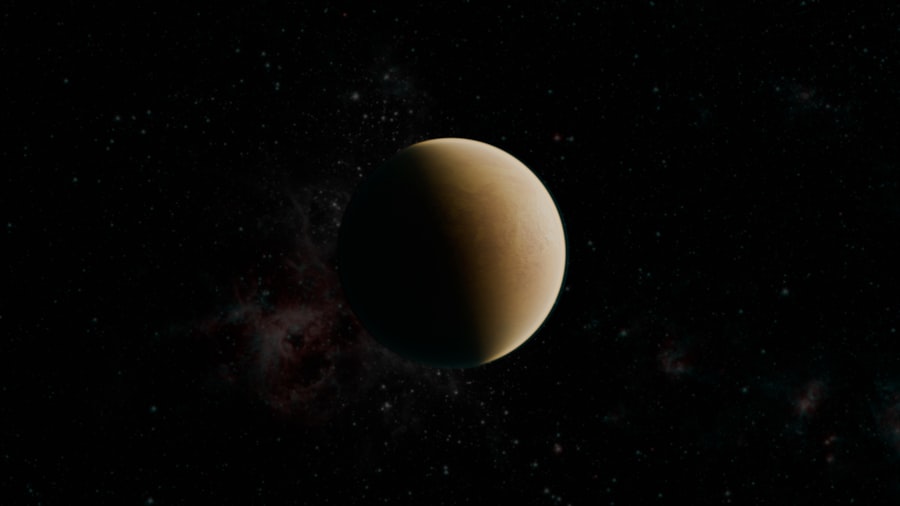
Astrobiology is an interdisciplinary field that investigates the origin, evolution, distribution, and future of life in the universe. This burgeoning area of research seeks to understand the conditions necessary for life and to explore the possibility of extraterrestrial life.
Habitable Zones: The Goldilocks Principle Beyond Earth
The concept of a “habitable zone,” or Goldilocks zone, refers to the region around a star where conditions are just right for liquid water to exist on a planet’s surface. Liquid water is considered a fundamental requirement for life as we know it. Identifying exoplanets within their stars’ habitable zones is a primary goal in the search for extraterrestrial life, as these worlds represent the most promising candidates for hosting life.
Biosignatures: The Elusive Fingerprints of Life
Scientists are actively developing methods to detect biosignatures – chemical or physical evidence that indicates the presence of past or present life – on other planets. These biosignatures could include specific atmospheric gases (e.g., oxygen, methane in disequilibrium), surface features (e.g., pigments, signs of photosynthesis), or isotopic anomalies. The challenge lies in distinguishing unequivocal biosignatures from abiotic processes that could produce similar signals.
Missions to Mars and Beyond: Pushing the Boundaries of Exploration
Space missions are instrumental in our quest to understand the potential for life beyond Earth. Missions to Mars, such as the Perseverance rover, actively search for signs of ancient microbial life and assess the planet’s past habitability. Missions to the icy moons of gas giants, such as Europa and Enceladus, are planned to investigate their subsurface oceans, which are believed to harbor conditions conducive to life. These missions represent humanity’s direct probes into the cosmic ocean, searching for answers to fundamental questions about our place in the universe.
In the field of earth and planetary science, understanding the dynamics of our planet and its neighbors is crucial for predicting future changes. A fascinating article that delves into recent discoveries about planetary atmospheres can be found at Freaky Science, which explores how variations in atmospheric composition can influence climate patterns both on Earth and other celestial bodies. This research not only enhances our knowledge of planetary systems but also sheds light on the potential for life beyond our own world.
Planetary Defense and Space Exploration: Safeguarding Our Future
| Metric | Value | Unit | Description |
|---|---|---|---|
| Earth’s Age | 4.54 | billion years | Estimated age of the Earth |
| Average Earth Surface Temperature | 15 | °C | Global mean surface temperature |
| Earth’s Core Temperature | 5700 | °C | Estimated temperature at Earth’s inner core |
| Earth’s Radius | 6371 | km | Average radius from center to surface |
| Moon’s Distance from Earth | 384400 | km | Average distance between Earth and Moon |
| Mars Atmospheric Pressure | 610 | Pa | Average surface atmospheric pressure on Mars |
| Jupiter’s Diameter | 139820 | km | Diameter of the largest planet in the Solar System |
| Earth’s Magnetic Field Strength | 25 to 65 | µT | Magnetic field strength at Earth’s surface |
| Average Ocean Depth | 3688 | m | Mean depth of Earth’s oceans |
| Atmospheric Composition (Nitrogen) | 78 | % | Percentage of nitrogen in Earth’s atmosphere |
As we expand our understanding of the universe, it becomes increasingly important to consider the potential threats from space and to envision humanity’s future beyond Earth. Planetary defense and space exploration are two critical aspects of this broader endeavor.
Asteroid and Comet Impacts: A Cosmic Hazard
The Earth is constantly bombarded by small space debris, but larger impacts from asteroids and comets pose a significant threat. These impact events have shaped our planet’s history, driving mass extinctions and influencing geological processes. Scientists maintain vigilance through asteroid monitoring programs, such as NASA’s Planetary Defense Coordination Office, to identify and track potentially hazardous objects. Developing strategies for asteroid deflection, should a significant threat be identified, is an active area of research.
Space Weather: The Sun’s Influence on Earth
The Sun, while vital for life, also poses threats through space weather phenomena. Solar flares, coronal mass ejections (CMEs), and high-speed solar winds can disrupt communication systems, power grids, and satellites on Earth. Understanding and predicting space weather events are crucial for protecting our technological infrastructure and for ensuring the safety of astronauts in space. Research into solar activity and its interaction with Earth’s magnetosphere is an ongoing priority.
The Future of Human Spaceflight: Moon, Mars, and Beyond
Humanity’s ambition to explore beyond Earth continues to drive advances in space technology. Missions to establish a sustained human presence on the Moon, such as the Artemis program, are paving the way for future long-duration missions to Mars and beyond. These endeavors aim to expand our scientific understanding, develop new technologies, and potentially establish multi-planetary societies, ensuring the long-term survival and flourishing of the human species.
Exoplanetary Colonization: A Distant but Potential Future
While currently speculative, the concept of colonizing exoplanets remains a distant but tantalizing possibility. As our ability to detect and characterize exoplanets improves, discussions around the feasibility of interstellar travel and establishing human settlements on other worlds are gaining traction. This long-term vision requires significant technological breakthroughs and a deeper understanding of the challenges and opportunities inherent in venturing beyond our solar system. The journey to becoming an interstellar species begins with the fundamental planetary science we conduct today.
FAQs
What is Earth and Planetary Science?
Earth and Planetary Science is the study of the Earth, its atmosphere, oceans, and the processes that shape its structure, as well as the study of other planets, moons, and celestial bodies in our solar system and beyond.
What are the main branches of Earth and Planetary Science?
The main branches include geology (study of Earth’s solid materials), meteorology (study of the atmosphere and weather), oceanography (study of oceans), and planetary science (study of planets and other celestial bodies).
How do scientists study planets other than Earth?
Scientists use telescopes, space probes, satellites, and landers to collect data about other planets. They analyze surface features, atmospheres, magnetic fields, and compositions to understand planetary formation and evolution.
Why is Earth and Planetary Science important?
This field helps us understand natural hazards like earthquakes and volcanic eruptions, climate change, resource management, and the potential for life on other planets, contributing to scientific knowledge and practical applications.
What tools and technologies are commonly used in Earth and Planetary Science?
Common tools include seismographs, satellites, remote sensing instruments, spectrometers, and computer models that simulate planetary processes and predict environmental changes.