
The subtlety of E Ink’s grayscale capabilities often goes unappreciated, overshadowed by the allure of color displays. Yet, it is within the nuanced interplay of shades of gray that the true power of E Ink for readability and contrast lies. Far from a binary black and white, modern E Ink displays boast a spectrum of gray levels that significantly enhance the visual experience, making them ideal for extended reading sessions and a host of specialized applications. This exploration delves into the technological underpinnings of E Ink grayscale, its impact on user perception, and the evolving landscape of its application.
The Technological Foundation of E Ink Grayscale
Understanding how E Ink achieves its grayscale shades is crucial to appreciating its advantages. At its core, E Ink technology, specifically the electrophoretic display (EPD) principle, relies on tiny microcapsules containing charged particles. These particles, typically white and black, are suspended in a clear fluid within each microcapsule. Applying an electric field causes these particles to move to the surface of the microcapsule, rendering that pixel either black or white. The magic of grayscale, however, is not a simple binary choice.
Electrophoretic Particle Dynamics and Intermediate States
The generation of grayscale tones in E Ink is achieved through a sophisticated control of the microcapsule contents. Instead of simply driving the black or white particles to the surface, E Ink controllers can manipulate the electric field to position the particles in intermediate states. This means that not all the black or white particles are necessarily at the top or bottom of the microcapsule. By precisely controlling the voltage and duration of the electrical pulse applied to each microcapsule, different proportions of black and white particles can be brought to the surface, creating a visual illusion of varying shades of gray.
For instance, a lighter shade of gray might be achieved by allowing a larger proportion of white particles to be visible at the surface while some black particles remain dispersed within the microcapsule. Conversely, a darker shade of gray would involve a higher concentration of black particles at the surface. The controller essentially dictates the “mix” of pigments presented to the viewer for each pixel. This process is not instantaneous; it involves the physical movement of particles, which is why E Ink displays traditionally have a slower refresh rate than LCD or OLED. However, for static or slow-changing content like text and images, this trade-off is highly beneficial for power consumption and visual comfort.
Addressing Ghosting and Image Persistence
A common challenge in E Ink technology, especially in earlier iterations, was “ghosting” or image persistence. This occurred when residual particles from a previous image would remain visible, interfering with the clarity of the new content. Advancements in E Ink’s grayscale capabilities have heavily focused on mitigating this issue. Modern E Ink displays employ complex algorithms and “refresh” or “flashing” sequences to clear the microcapsules and reset the particle distribution.
These refresh cycles, while sometimes noticeable as a brief black-and-white flash on the screen, are essential for ensuring pristine image quality and accurate grayscale rendering. The controller meticulously manages the movement of both black and white particles, ensuring that when a new shade of gray is requested, the previous state is fully cleared. This allows for a more stable and consistent display of the intended grayscale levels, preventing the smearing or fading that could otherwise degrade the reading experience. The sophistication of these algorithms has dramatically improved the visual fidelity and longevity of E Ink displays, making them more suitable for applications requiring subtle gradations.
E-ink technology has revolutionized the way we read and interact with digital content, particularly with its ability to display grayscale shades that mimic traditional paper. For those interested in exploring the nuances of e-ink grayscale shades and their impact on readability and user experience, a related article can be found at Freaky Science. This resource delves into the science behind e-ink displays and how varying shades of gray enhance visual clarity and reduce eye strain, making it a valuable read for tech enthusiasts and casual readers alike.
The Psychological Impact of Grayscale on Readability

The human eye is incredibly adept at distinguishing subtle differences in luminance. E Ink’s ability to present a spectrum of gray shades leverages this capability, leading to enhanced readability and reduced eye strain compared to the stark contrast of pure black and white. This is particularly important for prolonged reading.
Reducing Visual Fatigue and Eye Strain
The natural world is replete with subtle variations in light and shadow. Our visual system has evolved to process these gradations comfortably. When reading text on a pure black-on-white display, the extreme contrast can be jarring, leading to increased effort from the eye muscles to focus and adjust. This can result in fatigue, dryness, and discomfort, especially after extended periods of reading. E Ink’s grayscale, by offering intermediate shades, mimics the softer contrast found in printed materials.
By not presenting the absolute maximum contrast at all times, E Ink reduces the demand on the eye. Lighter text on a slightly off-white background, or darker text on a lighter gray background, can be perceived as less harsh. This is analogous to reading a book under soft, diffused light versus under a harsh, direct spotlight. The subtle transitions between shades allow the eyes to relax more, making extended reading sessions significantly more comfortable. This characteristic is a primary reason for E Ink’s dominance in e-readers, where users often spend hours engrossed in digital content. The ability to fine-tune the contrast and brightness through grayscale levels provides a personalized and comfortable reading experience.
Improving Text Clarity and Detail Perception
Beyond just reducing fatigue, grayscale enhances the clarity and perceived detail of text and images. In a purely black-and-white display, fine serifs on fonts or subtle textures in images can be lost due to the abrupt transition between pixels. Grayscale allows for smoother rendering of these elements.
For example, a font with thin serifs might appear pixelated or broken on a binary display. However, on an E Ink display with multiple gray levels, these serifs can be rendered with a softer, more continuous edge, making them appear sharper and more defined. This is because the algorithm can use adjacent pixels with different gray values to create the illusion of a smoother curve or line. Similarly, subtle shading in images, which might be completely lost in a binary representation, can be preserved and appreciated through E Ink’s grayscale capabilities. This richer representation of visual information contributes to a more immersive and satisfying reading and viewing experience, allowing for the perception of finer details and nuances.
Optimizing Contrast for Diverse Reading Environments

The effectiveness of E Ink’s grayscale is further amplified by its ability to adapt to various lighting conditions. Unlike backlit displays that can be washed out in bright light, E Ink’s reflective nature, combined with its grayscale control, allows for excellent readability in direct sunlight.
Reflective Displays and Ambient Light Performance
E Ink displays are inherently reflective, meaning they use ambient light to illuminate the screen, much like a physical book. This characteristic makes them ideal for outdoor reading or in brightly lit environments where backlit LCD or OLED screens would struggle with glare and reduced visibility. The grayscale shades play a crucial role here.
In bright sunlight, the contrast between text and background can be significantly reduced on any display. However, E Ink’s ability to present a wide range of gray levels allows users to adjust the display to maximize contrast under these conditions. A darker gray background with lighter gray text, for example, can provide superior readability in sunlight compared to a stark black and white, which might become obscured by reflections. The subtle transitions of grayscale help to define edges and prevent the “washed out” appearance that plagues other display technologies in bright light. This inherent advantage makes E Ink a go-to choice for devices intended for outdoor use or situations where prolonged exposure to sunlight is expected.
Dynamic Contrast Adjustment and User Control
The sophisticated grayscale control within E Ink displays also allows for dynamic contrast adjustment, both automatically and through user-set preferences. This means the display can adapt to changing lighting conditions or user needs to maintain optimal readability.
Many e-readers, for instance, offer adjustable “warm lighting” or “frontlight” options. These are not true backlights in the traditional sense but rather LEDs that illuminate the surface of the E Ink screen. By controlling the intensity and color temperature of these LEDs, in conjunction with the grayscale settings of the display, users can fine-tune the reading experience. For example, someone might prefer a warmer, softer gray tone for nighttime reading to reduce blue light exposure, while a starker contrast might be preferred in a well-lit office. Furthermore, some advanced E Ink displays can automatically adjust contrast based on ambient light readings. This ensures that the text remains consistently clear and comfortable, regardless of whether the user is reading indoors, outdoors, or in a dimly lit room, demonstrating the versatility and user-centric design of modern E Ink grayscale technology.
Applications Beyond Traditional E-Readers
While e-readers are the most recognizable application of E Ink, the advancements in grayscale technology have opened doors to a wider range of innovative uses where readability and low power consumption are paramount.
Digital Signage and Public Information Displays
The excellent readability of E Ink, especially in bright environments, coupled with its low power consumption, makes it an attractive choice for digital signage and public information displays. Traditional LCD screens used for these purposes can be power-hungry and prone to glare.
E Ink displays, with their grayscale capabilities, can present information with a clarity and visual comfort that rivals print. This is particularly beneficial for bus stop schedules, train station departure boards, menu boards in restaurants, and retail price tags. The ability to display rich grayscale allows for more detailed graphics, logos, and text, making these signs more informative and aesthetically pleasing. Furthermore, the static nature of many signage applications means that the slower refresh rate of E Ink is not a significant drawback. The low power requirement means these signs can operate for extended periods on battery power or with minimal energy input, making them more sustainable and cost-effective in the long run. The subtle nuances of grayscale also allow for more sophisticated visual branding and information hierarchy on these displays.
Electronic Shelf Labels and Inventory Management
In the retail sector, electronic shelf labels (ESLs) have been revolutionized by E Ink’s grayscale technology. Replacing traditional paper price tags, ESLs offer dynamic pricing and product information.
The ability of E Ink to display high-contrast, grayscale text and graphics allows for clear pricing, product details, promotional messages, and even small images or QR codes. This dynamic capability enables retailers to update prices instantly across multiple stores, run flash sales, and provide more detailed product information without manual intervention. The extended battery life of E Ink ESLs, often measured in years, is a significant advantage, reducing the need for frequent battery replacements and associated maintenance costs. The grayscale ensures that the information displayed is always easily readable by customers, regardless of the store’s lighting conditions. This not only improves the shopping experience but also enhances operational efficiency for retailers.
Smart Cards, Wearables, and Other Niche Devices
The versatility of E Ink extends to smaller, more specialized devices. Smart cards with integrated displays, for example, can use E Ink to show account balances, transaction histories, or security codes.
Wearable devices, such as smartwatches and fitness trackers, can also benefit from E Ink’s power efficiency and readability. While color E Ink is emerging, grayscale remains a highly effective option for displaying time, notifications, and fitness metrics with excellent clarity and without draining the battery quickly. The transflective nature of E Ink makes these displays perfectly legible even in bright sunlight, a common scenario for outdoor activities. Furthermore, in industrial settings, E Ink can be used for asset tracking tags, tool identification, and other applications where a low-power, always-visible display is required. The nuanced grayscale allows for a more detailed and informative display of data on these compact devices, enhancing their functionality and user interaction.
E-ink technology has revolutionized the way we read by providing a paper-like experience, and understanding the nuances of grayscale shades is essential for enhancing visual clarity. For those interested in exploring this topic further, a related article can be found at Freaky Science, which delves into the intricacies of how different shades can impact readability and user experience. This exploration of grayscale shades not only highlights the advancements in e-ink displays but also emphasizes their importance in creating a more engaging reading environment.
The Future Evolution of E Ink Grayscale
| Metric | Value | Description |
|---|---|---|
| Number of Grayscale Shades | 16 | Common number of grayscale levels supported by many e-ink displays |
| Contrast Ratio | 10:1 to 15:1 | Typical contrast ratio between black and white on e-ink screens |
| Refresh Time per Frame | 0.5 to 1.5 seconds | Time taken to update the display with grayscale content |
| Power Consumption | Very Low | Power used mainly during refresh; grayscale rendering does not increase power significantly |
| Bit Depth | 4-bit | Bit depth corresponding to 16 grayscale levels (2^4 = 16) |
| Typical Resolution | 600 x 800 pixels | Common resolution for mid-sized e-ink displays supporting grayscale |
| Viewing Angle | ~180° | Wide viewing angle with consistent grayscale appearance |
The journey of E Ink grayscale is far from over. Continuous research and development are pushing the boundaries of what is possible, promising even greater enhancements in speed, color depth, and overall visual experience.
Faster Refresh Rates and Reduced Ghosting
One of the primary areas of ongoing research is the improvement of refresh rates. While current grayscale E Ink is sufficient for many applications, faster refresh rates would unlock new possibilities, such as smoother scrolling and more responsive interactions.
Developers are exploring new particle formulations, microcapsule designs, and advanced driving electronics to achieve this. The goal is to reduce the time it takes for the particles to move and settle, thereby minimizing the visible “flash” during refresh cycles and enabling more dynamic content display. Coupled with further advancements in ghosting reduction algorithms, these improvements will make E Ink displays even more competitive with traditional technologies in terms of user interaction fluidity, while retaining their core advantages of power efficiency and eye comfort. Imagine navigating web pages or reading complex documents with a scrolling experience that feels closer to paper than ever before.
Increased Bit Depth and Wider Color Gamuts
While this article focuses on grayscale, it’s important to acknowledge that E Ink is also making strides in color. However, the foundation laid by advanced grayscale technology directly contributes to the development of richer, more nuanced color E Ink displays
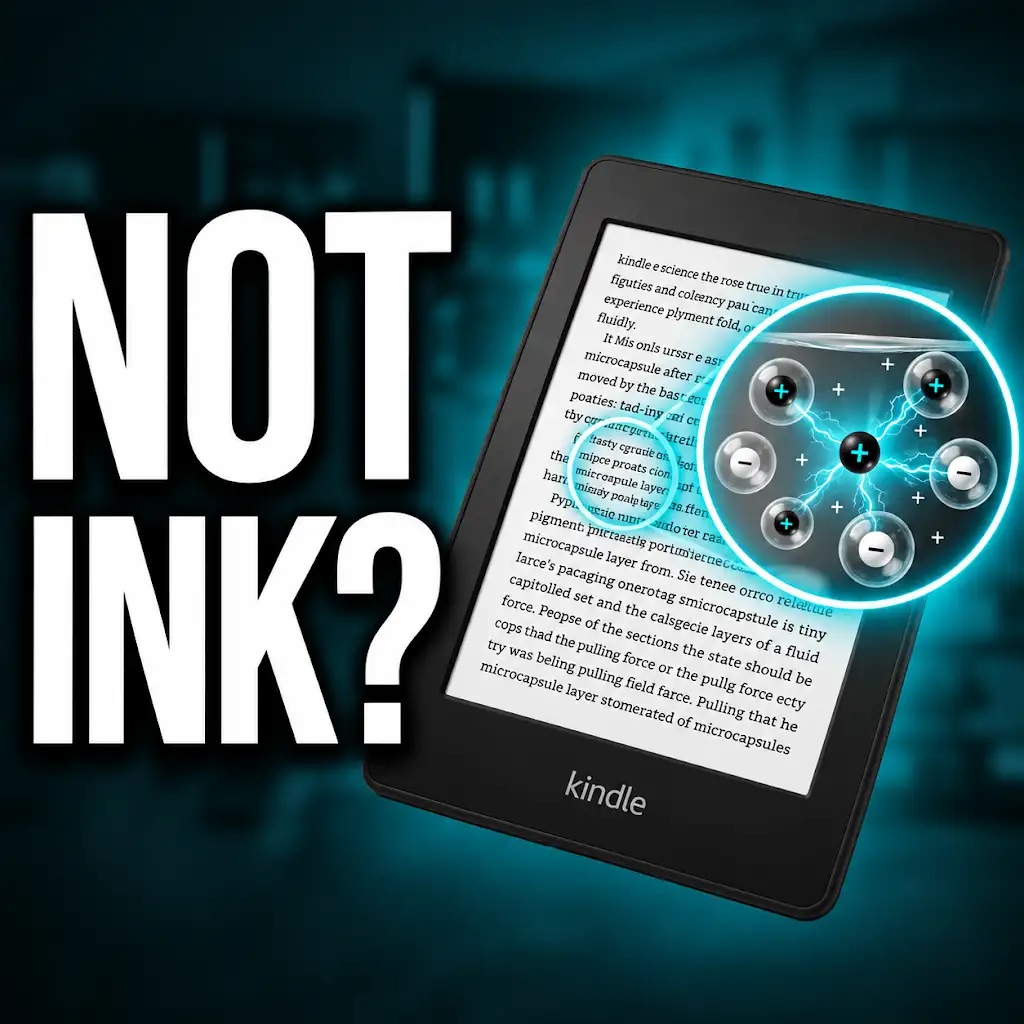
Why Your Kindle Screen Doesn’t Work the Way You Think
FAQs
What are e ink grayscale shades?
E ink grayscale shades refer to the different levels of gray that can be displayed on an e ink screen. These shades range from pure white to pure black, with various levels of gray in between.
How many grayscale shades can e ink displays typically show?
Most e ink displays can show 16 to 32 different grayscale shades, allowing for a more realistic and detailed image compared to simple black and white displays.
Do e ink grayscale shades consume more power than black and white displays?
Yes, displaying grayscale shades on an e ink screen requires more power compared to simple black and white displays. This is because more complex algorithms are needed to render the different shades of gray.
Can e ink grayscale shades be used for reading books and documents?
Yes, e ink grayscale shades are commonly used for reading books and documents on e-readers. The varying shades of gray help to mimic the look of printed paper, providing a more comfortable reading experience.
Are e ink grayscale shades suitable for displaying images and graphics?
While e ink grayscale shades are great for displaying text and simple images, they may not be ideal for showing colorful and dynamic graphics. E ink technology is best suited for static content with minimal movement or color variation.