
The ocean, a realm of profound mystery and boundless life, pulsates with a symphony of sound, largely unheard by human ears. Acoustic oceanography, a burgeoning field of scientific inquiry, is dedicated to unraveling this underwater soundscape, revealing the intricate dialogues and environmental cues that shape marine ecosystems. It is the study of how sound propagates, interacts with the marine environment and its inhabitants, and what this acoustic information can tell us about the ocean’s health, processes, and the creatures that call it home. From the creaks and groans of tectonic plates to the clicks of dolphins and the distant roar of storms, the ocean is a vibrant acoustic laboratory, and scientists are increasingly turning to sound as a powerful tool for exploration and understanding.
Understanding the sound of the sea begins with grasping the fundamental physics of sound propagation in water. Water, being far denser than air, transmits sound with remarkable efficiency, allowing acoustic signals to travel vast distances. This efficiency is a cornerstone of acoustic oceanography, enabling researchers to deploy sensors that can monitor vast areas of the ocean remotely. The speed of sound in seawater is not constant; it is influenced by three primary factors: temperature, salinity, and pressure. As these parameters vary geographically and with depth, so too does the speed at which sound travels. This variability creates complex acoustic pathways within the ocean, leading to phenomena such as shadow zones where sound does not penetrate and convergence zones where sound is focused.
The Medium: Water’s Acoustic Properties
Water’s density is approximately 800 times that of air, a significant difference that dictates how sound waves behave. This high density means that acoustic energy can travel further and with less attenuation than in atmospheric conditions. However, this density also means that the impedance mismatch between water and air is substantial, making it difficult for sound from the atmosphere to enter the ocean and vice versa. This creates two largely independent acoustic environments. The molecular structure of water, with its ability to absorb and scatter energy, also plays a role in how sound is transmitted. Dissolved gases, such as air bubbles, can significantly alter the acoustic properties of seawater, acting as scatterers and affecting the overall sound field.
Factors Influencing Sound Speed
The speed of sound in seawater is a crucial parameter for acoustic oceanography. It is commonly approximated by the following equation:
$c \approx 1449.2 + 4.62 T – 0.055 T^2 + 0.00029 S^{3/2} + 0.018 D$
Where:
- $c$ is the speed of sound in meters per second (m/s)
- $T$ is the temperature in degrees Celsius (°C)
- $S$ is the salinity in practical salinity units (psu)
- $D$ is the depth in meters (m)
This formula highlights the direct impact of temperature and salinity, which tend to increase sound speed, and pressure (indicated by depth), which also increases sound speed. Variations in surface temperature due to solar heating or in deep ocean currents can create distinct temperature layers, known as thermoclines, which refract sound waves. Similarly, variations in salinity, often driven by evaporation or freshwater inflow, can alter sound propagation paths. The pressure effect is particularly pronounced in the deep ocean, where the immense weight of the water column significantly compresses the water, increasing sound speed.
Sound Propagation Pathways and Phenomena
The interaction of sound waves with these varying properties leads to fascinating phenomena that are central to acoustic imaging and monitoring. The sound channel, or SOFAR channel (Sound Fixing and Ranging channel), is a prime example. It is a layer in the ocean where the sound speed is at a minimum, typically found between 800 and 1200 meters deep. Sound waves that enter this channel are refracted back towards the axis of the channel, allowing them to travel hundreds or even thousands of kilometers with minimal loss of energy. This natural waveguide has been instrumental in tracking submarines and studying seismic events. Conversely, regions of high sound speed gradients can create shadow zones, areas where sound energy is significantly attenuated and difficult to detect. Understanding these propagation pathways is critical for designing effective acoustic surveys and for interpreting the data acquired.
Acoustic oceanography is a fascinating field that utilizes sound waves to study the underwater environment, providing insights into marine life, ocean currents, and seafloor geology. For a deeper understanding of this subject, you can explore a related article that delves into the principles and applications of acoustic techniques in oceanographic research. To read more about it, visit this article.
Decoding the Natural Symphony: Biological Acoustics
The ocean is far from silent; it is teeming with biological sounds that provide invaluable insights into the behavior, abundance, and health of marine life. Biological acoustics, a sub-discipline of acoustic oceanography, focuses on the sounds produced by marine organisms and their ecological significance. From the high-frequency clicks of cetaceans used for echolocation and communication to the low-frequency moans of large whales and the crackling of snapping shrimp, this natural symphony offers a rich tapestry of information about the underwater world.
Cetacean Communication and Echolocation
Toothed whales, such as dolphins and porpoises, are masters of sound. They produce a wide range of vocalizations, including clicks, whistles, and burst pulses, which serve multiple purposes. Clicks are emitted in rapid succession and are used for echolocation – a sophisticated biological sonar that allows them to navigate, locate prey, and understand their surroundings in murky waters. Whistles, on the other hand, are tonal sounds used for social communication, with individual animals often possessing unique “signature whistles” that act as their names. Baleen whales, the larger whales like humpbacks and blue whales, produce even lower-frequency sounds, often described as moans, groans, and calls. These calls can travel for hundreds of kilometers and are thought to be important for long-distance communication, mate attraction, and maintaining social bonds.
The Choruses of Crustaceans and Fish
It is not just the charismatic megafauna that contribute to the ocean’s soundscape. Many smaller marine organisms also produce distinct sounds. Snapping shrimp, for instance, are responsible for the characteristic crackling sound often heard in shallow tropical waters. They generate these sounds by rapidly closing their claws, creating a cavitation bubble that collapses with a loud snap, used for both defense and prey capture. Fish, too, are not as silent as once believed. Many species produce sounds through a variety of mechanisms, including the vibration of their swim bladders or the rubbing of their fin spines. These sounds can be used for a range of purposes, including communication with conspecifics, predator deterrence, and spawning cues. Acoustic surveys of fish populations can often be conducted by listening for their characteristic sounds.
Environmental Indicators and Health of Marine Ecosystems
The presence, absence, and characteristics of biological sounds can serve as powerful indicators of the health and functioning of marine ecosystems. For example, a reduction in the diversity and intensity of biological sounds might suggest a decline in fish populations or the presence of disruptive anthropogenic noise. Monitoring whale vocalizations can provide estimates of population size and distribution, as well as track migration patterns. Changes in the sounds produced by coral reef communities, such as a decrease in the sounds of snapping shrimp or an increase in the sounds associated with a declining reef, can signal important ecological shifts. Acoustic monitoring offers a non-invasive and continuous way to assess these vital signs of the ocean.
The Anthropogenic Footprint: Human-Made Sounds in the Ocean
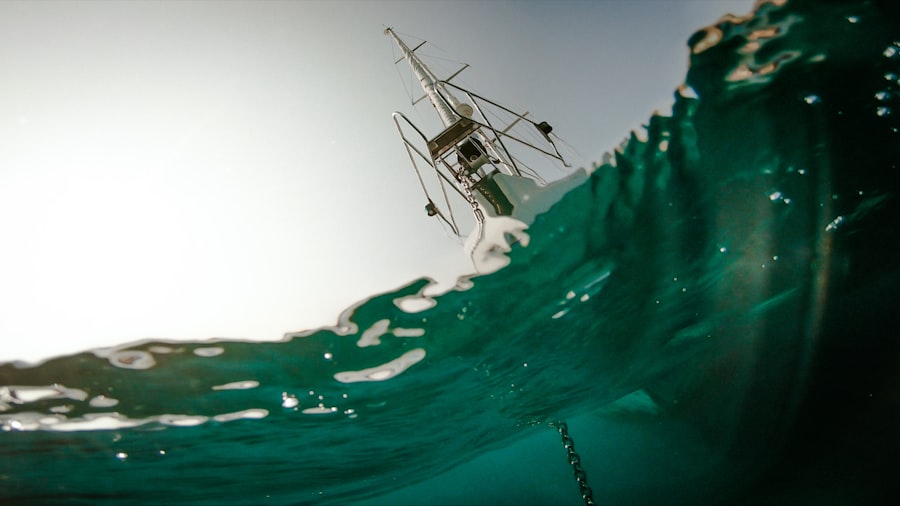
While the ocean possesses its own rich acoustic tapestry, human activities have introduced a significant and often disruptive layer of anthropogenic noise. From the thrum of ship engines to the percussive blasts of seismic surveys, these human-made sounds can have profound impacts on marine life and the acoustic environment. Understanding and mitigating this noise pollution is a growing imperative within acoustic oceanography.
Shipping and Naval Sonar
The global shipping industry is a major contributor to ocean noise. The constant hum of commercial vessels, particularly in busy shipping lanes, creates a pervasive low-frequency background noise that can mask the sounds produced by marine animals. This masking effect can interfere with communication, navigation, and foraging for a wide range of species. Naval sonar systems, used for detecting submarines, also generate powerful acoustic pulses that can be particularly disruptive. High-intensity sonar pulses have been linked to strandings and injuries in marine mammals, highlighting the need for careful consideration of their deployment and impact.
Seismic Surveys and Offshore Construction
The exploration for oil and gas reserves often involves seismic surveys, which use airguns to generate intense low-frequency sound waves that penetrate the seafloor. These powerful blasts, repeated thousands of times during a survey, can cause significant stress and injury to marine life, particularly to their hearing capabilities. Offshore construction projects, such as the installation of wind farms or artificial reefs, also generate noise from pile-driving and other heavy machinery. This noise can displace marine animals from important habitats and disrupt their behavior.
The Impact of Noise Pollution on Marine Life
The consequences of anthropogenic noise for marine organisms are diverse and concerning. For marine mammals, noise pollution can lead to:
- Masking of communication signals: Making it harder for them to find mates, warn of danger, or coordinate group activities.
- Auditory injury and hearing loss: Permanent or temporary threshold shifts can impair their ability to sense their environment.
- Behavioral changes: Including avoidance of noisy areas, altered diving patterns, increased stress levels, and reduced foraging success.
- Physical injury: In cases of direct exposure to very loud sounds, such as seismic surveys or sonar use.
Similar impacts are observed in fish and invertebrates, affecting their ability to find food, avoid predators, and reproduce. The cumulative and chronic effects of noise pollution are a significant area of concern for the long-term health of marine ecosystems.
Tools of the Trade: Acoustic Technologies and Instrumentation

The exploration of acoustic oceanography relies on a sophisticated array of technologies and instruments designed to capture, analyze, and interpret underwater sounds. These tools allow scientists to listen to the ocean from its shallowest reefs to its deepest trenches. The development of these instruments has been crucial in advancing our understanding of the acoustic environment.
Hydrophones and Passive Acoustic Monitoring (PAM) Arrays
Hydrophones are essentially underwater microphones, designed to detect sound pressure variations in the water. They can be deployed individually or as part of larger arrays. Passive Acoustic Monitoring (PAM) involves using networks of hydrophones to continuously record the sounds present in the ocean. By analyzing the recordings from PAM arrays, scientists can identify different sound sources, estimate their location and intensity, and track changes in soundscape over time. These arrays can be fixed to the seafloor, towed behind vessels, or deployed on autonomous platforms, allowing for monitoring of vast oceanic regions.
Sonar Systems: Active and Research Sonar
In contrast to passive listening, active sonar systems emit sound pulses and then analyze the echoes that return after bouncing off objects in the environment. Active sonar is used for a variety of purposes, including mapping the seafloor (multibeam sonar), detecting submerged objects (side-scan sonar), and studying the water column. Research sonar systems, often operating at higher frequencies, are used for detailed investigations of marine ecosystems, such as monitoring plankton layers or studying the behavior of fish schools. The development of sophisticated signal processing algorithms is essential for extracting meaningful information from sonar data.
Autonomous Underwater Vehicles (AUVs) and Gliders
The advent of AUVs and ocean gliders has revolutionized acoustic data collection. These uncremaned vehicles can operate autonomously for extended periods, carrying hydrophones and other acoustic sensors into remote and challenging marine environments. AUVs can be programmed to follow specific survey patterns, while gliders use buoyancy changes to ascend and descend, allowing for vertical profiling of the acoustic environment. This mobility enables scientists to gather data in areas that would be difficult or impossible to access with traditional research vessels, providing a more comprehensive picture of the ocean’s acoustic complexity.
Acoustic oceanography is a fascinating field that explores the use of sound waves to study underwater environments. For those interested in delving deeper into this topic, a related article can provide valuable insights into the various techniques and applications of acoustic methods in marine research. You can find more information in this informative piece on Freaky Science, which discusses how sound is utilized to map ocean floors and monitor marine life, enhancing our understanding of underwater ecosystems.
Applications and Future Directions in Acoustic Oceanography
| Concept | Definition |
|---|---|
| Acoustic Oceanography | The study of sound in the ocean, including its generation, propagation, and reception. |
| Sound Speed Profile | A representation of how the speed of sound changes with depth in the ocean. |
| Acoustic Doppler Current Profiler (ADCP) | An instrument used to measure ocean currents by transmitting sound pulses and measuring their Doppler shift. |
| Acoustic Seabed Classification | The use of sound to classify the composition and characteristics of the seafloor. |
The insights gained from acoustic oceanography are far-reaching, with applications in environmental monitoring, resource management, and fundamental scientific research. As the field continues to evolve, new technologies and approaches promise to unlock even greater understanding of the ocean’s acoustic realm.
Marine Mammal Research and Conservation
Acoustic monitoring is a cornerstone of marine mammal conservation. By listening for whale songs and dolphin clicks, researchers can estimate population sizes, track migration routes, identify critical habitats, and assess the impact of human activities. PAM data can also be used to detect the presence of endangered species in proposed development areas, informing environmental impact assessments and mitigation strategies. The ability to identify individual animals by their unique vocalizations further enhances the precision of these studies.
Fisheries Management and Ecosystem Health Assessment
Acoustic methods are increasingly being used to assess fish stocks and monitor ecosystem health. Acoustic surveys can provide estimates of fish biomass and distribution, supplementing traditional methods like net trawls. The sounds produced by fish, as well as the overall soundscape of a particular habitat, can also provide clues about the health of the ecosystem. For example, the presence of sounds associated with healthy coral reefs or the absence of disruptive anthropogenic noise can indicate a thriving environment.
Climate Change and Oceanographic Research
Sound propagation in the ocean is sensitive to changes in temperature and salinity, which are directly influenced by climate change. By monitoring sound speed variations and acoustic signal travel times, scientists can gain insights into ocean warming, melting ice caps, and changes in ocean circulation patterns. Acoustic data also plays a vital role in understanding underwater seismic activity and its implications for tsunami warnings. The SOFAR channel’s ability to carry sound over long distances makes it a valuable tool for far-field acoustic sensing of geophysical events.
The Future Frontier: AI, Big Data, and Cross-Disciplinary Integration
The future of acoustic oceanography is intertwined with advancements in artificial intelligence (AI) and the processing of big data. Machine learning algorithms are proving exceptionally adept at automatically identifying and classifying vast amounts of acoustic data, a task that was previously time-consuming and labor-intensive. This allows for more efficient analysis of long-term acoustic datasets and the detection of subtle patterns that might otherwise go unnoticed. Furthermore, integrating acoustic data with other oceanographic datasets – such as satellite imagery, oceanographic sensor data, and biological surveys – holds the promise of a more holistic understanding of marine processes. The convergence of these disciplines will undoubtedly lead to groundbreaking discoveries, further illuminating the intricate and vital soundscape of our planet’s oceans and guiding efforts to protect this precious resource.

The Secret Ocean Layer That Lets Sound Travel for Thousands of Miles
FAQs
What is acoustic oceanography?
Acoustic oceanography is the study of the properties of the ocean using sound. It involves using sound waves to measure various oceanic parameters such as temperature, salinity, currents, and marine life.
How is sound used in acoustic oceanography?
Sound is used in acoustic oceanography through techniques such as acoustic Doppler current profilers, acoustic tomography, and passive acoustic monitoring. These techniques involve transmitting sound waves into the ocean and analyzing the echoes or changes in sound to gather information about the ocean environment.
What are the applications of acoustic oceanography?
Acoustic oceanography has various applications, including studying ocean circulation patterns, monitoring marine life and ecosystems, detecting underwater seismic activity, and assessing the impact of climate change on the ocean.
What are the advantages of using sound in oceanographic research?
Using sound in oceanographic research allows for non-invasive, remote sensing of the ocean environment. Sound waves can travel long distances in water, providing a means to gather data from large areas of the ocean without the need for physical sensors or equipment.
What are some challenges in acoustic oceanography?
Challenges in acoustic oceanography include dealing with background noise from natural and human sources, interpreting complex acoustic data, and accounting for the variability of sound propagation in the ocean due to factors such as temperature, salinity, and pressure.