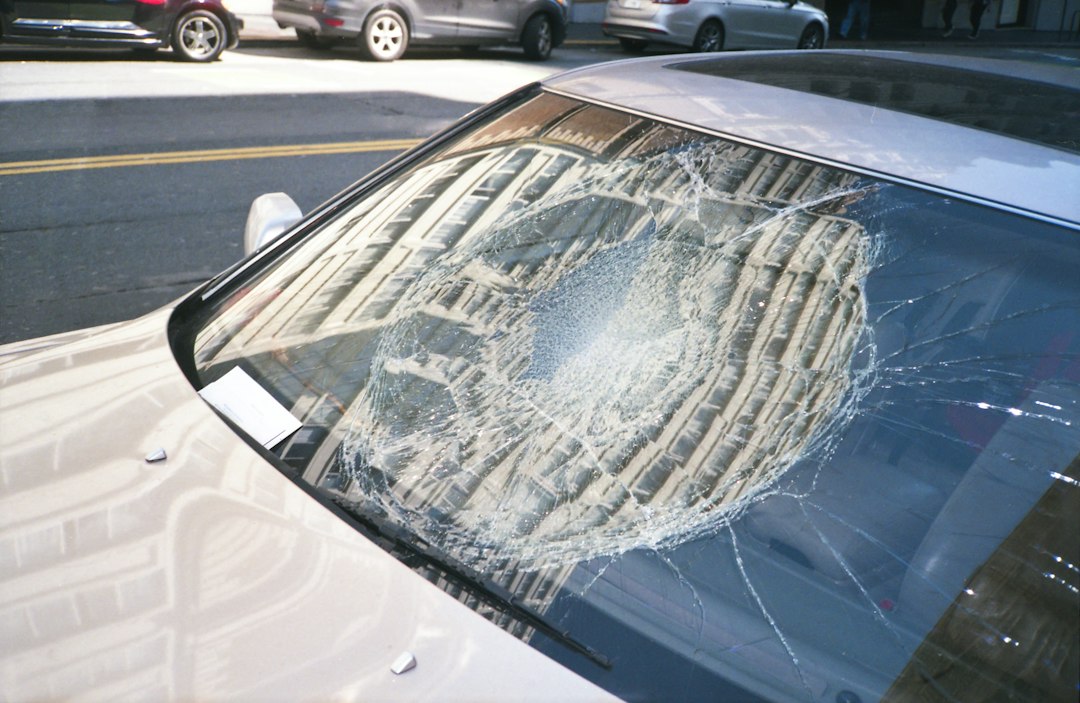
Understanding When Your Car’s Glass Needs Replacing
You’re driving along, minding your own business, and then it happens – a tiny pebble, a sudden impact, or perhaps even a more significant collision. The result? A crack, a chip, or even a shattered window. It’s an unfortunate reality for many drivers, and knowing when your car’s glass needs expert attention is crucial. Ignoring even minor damage can lead to more significant problems down the line, compromising your safety, the integrity of your vehicle, and even your wallet.
You might be tempted to put off that windshield repair, especially if the damage seems small. However, it’s important to understand the role your car’s glass plays beyond simply letting you see the road. Your windshield, in particular, is a vital structural component of your vehicle. It contributes to the overall rigidity of your car’s frame, and in the event of an accident, it plays a critical role in the proper deployment of airbags. A compromised windshield can significantly reduce the effectiveness of these life-saving devices, and in a rollover accident, it can even prevent the roof from collapsing.
Beyond the structural integrity, consider the impact of damaged glass on your visibility. Even a small chip can create a distortion that, especially when combined with sunlight or glare, can distract you and make it harder to react to sudden hazards. Over time, small chips can spread, turning into a large crack that obscures your view of the road, making it unsafe to drive. This is not just an inconvenience; it can lead to accidents, potentially injuring yourself and others.
If you’re considering car window glass replacement, it’s essential to understand the various factors that can influence the process and cost. For a comprehensive overview of the types of glass used in vehicles and the importance of professional installation, check out this informative article on car window glass replacement. You can read more about it here: Car Window Glass Replacement. This resource will provide valuable insights to help you make informed decisions regarding your vehicle’s glass needs.
Identifying Different Types of Glass Damage

Recognizing the signs of damaged car glass is the first step towards ensuring your safety and the longevity of your vehicle. It’s not always a dramatic shatter; often, the damage starts subtly. You need to be aware of the various forms this damage can take, as each requires a specific approach.
The Common Culprits: Chips and Cracks
You’ve likely encountered these before. A chip is typically a small, localized damage, often resembling a starburst, bullseye, or combination of both. These are usually caused by small objects like stones or debris kicked up by other vehicles. While seemingly minor, these chips can be a gateway for larger problems. The impact point weakens the glass, making it more susceptible to spreading, especially when exposed to temperature changes, vibrations from the road, or even the pressure from your car’s defroster.
Cracks are more extensive. They can originate from a chip and then propagate outwards, forming a long, jagged line across the glass. They can also occur from stress points in the glass, perhaps due to a sudden impact or even an improperly installed windshield. The length and depth of a crack are important factors. Small, hairline cracks might be repairable in some instances, but longer, deeper cracks, or those that reach the edge of the windshield, almost always necessitate a full replacement. You’ll want to pay close attention to any cracks that obstruct your direct line of vision.
The Less Obvious: Pitting and Scratches
While chips and cracks are the most talked-about forms of glass damage, you should also be aware of pitting and scratches. Pitting refers to the cumulative effect of many small impacts, often from fine road debris. Over time, these countless tiny hits can create a hazy, sandpaper-like surface on your glass, particularly the windshield. This can significantly reduce visibility, especially at night or in adverse weather conditions, by scattering light and creating glare.
Scratches, on the other hand, are usually caused by improper cleaning techniques or abrasive materials. Think about using a dirty sponge, a worn-out squeegee, or even careless ice scraping. While a light surface scratch might be aesthetically annoying, deeper scratches can compromise the structural integrity of the glass. They can also create visual distortions that, similar to chips, can impair your vision and lead to driver fatigue.
The Urgent Concern: Shattered or Broken Glass
This is the most obvious and immediate form of damage. A shattered window means the glass has broken into numerous pieces. This can be the result of a significant impact, such as a collision, a break-in, or even extreme temperature fluctuations leading to thermal stress. A shattered window is not just a safety hazard; it leaves your car vulnerable to the elements and theft. In such cases, immediate replacement is not just recommended; it’s essential for your safety and the security of your vehicle.
The Importance of Professional Car Window Glass Replacement
When your car’s glass is compromised, the temptation to tackle the repair yourself or to choose the cheapest option might be strong. However, you must understand the profound importance of entrusting this critical task to seasoned professionals. It’s not just about aesthetics; it’s about your safety, the structural integrity of your vehicle, and the effective functioning of its safety systems.
Safety First: Why Professional Installation Matters
Your car’s windshield isn’t just a piece of glass; it’s an integral part of your vehicle’s safety cage. When properly installed, it provides up to 30% of the structural integrity of your car’s roof in a rollover accident. It also plays a crucial role in the deployment of your passenger-side airbag. If the airbag doesn’t have the windshield to push against, it can deploy downwards, potentially causing serious injury to the occupant. Professional installers are trained to use the correct adhesives and techniques to ensure the windshield is bonded securely to the vehicle’s frame, maintaining these vital safety functions.
Furthermore, professional replacement ensures that your visibility is restored to its optimal state. They use high-quality glass that meets or exceeds original equipment manufacturer (OEM) standards. This ensures clear vision without distortions that can impair your judgment and reaction time. They also understand the importance of proper sealing to prevent leaks, which can lead to interior damage, mold growth, and electrical issues. A poorly installed window can compromise all these aspects, putting you and your passengers at risk.
The Technology and Techniques of Expert Replacement
Modern car window glass replacement is a sophisticated process that relies on specialized tools, materials, and techniques. Professionals are equipped with the knowledge and equipment to handle various types of glass and vehicle models. This includes precision cutting tools to remove damaged glass without scratching surrounding paintwork, specialized urethane adhesives that provide a strong and durable bond, and even diagnostic tools to ensure any integrated sensors, like rain sensors or cameras for advanced driver-assistance systems (ADAS), are recalibrated correctly after the replacement.
You might not realize it, but even the type of adhesive used is critical. Automotive-grade urethane is designed to cure quickly, provide excellent adhesion, and withstand extreme temperatures and vibrations. Professionals also understand the importance of proper surface preparation, ensuring the frame is clean and free from rust or old adhesive, which is vital for a long-lasting bond. Their expertise extends to handling the complexities of modern vehicles, which often have intricate designs and integrated technology within the glass itself.
The Long-Term Value of a Professional Job
Choosing a reputable service for your car window replacement is an investment in the long-term health and safety of your vehicle. While it might seem like a higher upfront cost compared to a DIY approach or a less-qualified service, the benefits far outweigh the initial expense. A professionally installed windshield is less likely to leak, crack prematurely, or cause issues with your vehicle’s safety systems. This translates to fewer costly repairs down the line and peace of mind knowing your car is as safe as it can be.
Many professional auto glass repair services also offer warranties on their workmanship and the materials they use. This provides you with an added layer of security, ensuring that if any issues arise with the installation, they will be addressed promptly and without further cost to you. This commitment to quality and customer satisfaction is a hallmark of trusted services and something you won’t find with amateur or DIY solutions.
Navigating the Replacement Process: What to Expect
When you’ve determined that your car’s glass needs replacement, understanding the typical process will help you feel more at ease and prepared. Knowing what to expect can also help you identify a professional service by their thoroughness and clear communication.
The Initial Consultation and Assessment
Your journey with a professional auto glass service will begin with an initial consultation. This is where you’ll describe the damage to your car’s glass, and the technician will likely ask for details about the incident that caused it. They will then conduct a thorough inspection of the damaged area and potentially other glass components on your vehicle.
During this assessment, the technician will evaluate the extent of the damage, its location, and the type of glass required. They will consider factors such as whether the damage is repairable or requires a full replacement. They will also identify the make, model, and year of your vehicle to ensure they source the correct glass and any necessary molding or clips. This is also the time when they will discuss the cost of the repair or replacement, providing you with a clear and detailed estimate. You should feel comfortable asking questions during this phase; a good service will be happy to explain everything to you.
Sourcing the Right Glass and Materials
Once the assessment is complete and you’ve agreed to proceed, the service will focus on sourcing the correct replacement glass. It’s crucial that they use high-quality glass that meets or exceeds OEM specifications. This ensures proper fit, optical clarity, and structural integrity. They will also procure all the necessary ancillary materials, such as the correct type of urethane adhesive, primers, and any new clips or molding that may be required for a seamless installation.
Trusted services will often have established relationships with reputable glass manufacturers and suppliers, allowing them to quickly obtain the right part. They understand that using generic or low-quality glass can lead to problems like wind noise, leaks, and a compromised safety performance. If your vehicle has specialized glass, such as heated windshields, integrated antennas, or solar control coatings, the service will ensure they source the exact equivalent to maintain your vehicle’s original functionality.
The Installation Procedure: Precision and Care
The actual installation process is where the expertise of the technician truly shines. They will begin by carefully removing the damaged glass, taking great care not to damage the vehicle’s paintwork or the surrounding frame. This often involves specialized cutting tools and techniques. Once the old glass is removed, the technician will meticulously clean and prepare the frame for the new glass, ensuring all old adhesive and debris are removed.
Next, they will apply the high-quality urethane adhesive to the frame or the new glass, following precise application guidelines to ensure a strong and watertight seal. The new glass is then carefully positioned and secured in place. For windshields, this is a critical step as it needs to be perfectly aligned to ensure proper airbag deployment and structural integrity. After the glass is set, any new molding or trim pieces will be installed. The technician will then perform a final inspection to ensure everything is sealed correctly and that the new glass is free from any imperfections.
Post-Installation Checks and Care Instructions
Upon completion of the installation, the technician will conduct a thorough post-installation check. This typically involves inspecting the seal for any gaps or imperfections, ensuring there are no leaks by testing the area with water, and confirming the clarity of the new glass. If your vehicle has any integrated technology like rain sensors or cameras, they will ensure these are functioning correctly and, if necessary, recalibrate them.
You will also be provided with important care instructions to help maintain the integrity of your new car glass. These instructions often include advice on how long to keep your windows closed after installation, what types of cleaners to use or avoid, and how to handle extreme temperature changes. Adhering to these guidelines is crucial for ensuring the longevity and performance of your new car glass. Don’t hesitate to ask for clarification on any of these points – a good service wants you to be informed.
If you’re considering car window glass replacement, it’s essential to understand the process and the materials involved to ensure a proper fit and durability. For more insights on this topic, you might find this article on Freaky Science particularly helpful, as it covers various aspects of automotive glass, including types, installation techniques, and maintenance tips. Knowing these details can help you make informed decisions and keep your vehicle safe on the road.
Choosing the Right Service: Factors to Consider
| Metric | Value | Unit | Notes |
|---|---|---|---|
| Average Replacement Time | 60 | minutes | Typical time to replace a single car window glass |
| Common Types of Glass | Laminated, Tempered | Types | Laminated for windshields, tempered for side and rear windows |
| Average Cost Range | 150 – 400 | currency units | Cost varies by vehicle model and glass type |
| Warranty Period | 12 | months | Typical warranty on replacement glass and installation |
| Common Causes for Replacement | Cracks, Chips, Shattered Glass | Reasons | Damage from accidents, road debris, vandalism |
| Safety Standards | FMVSS 205 | Regulation | Federal Motor Vehicle Safety Standard for glazing materials |
| Average Lifespan of Replacement Glass | 10 – 15 | years | Depends on maintenance and environmental factors |
Selecting the right auto glass service provider is paramount to ensuring a quality repair and lasting peace of mind. You’re not just looking for someone to swap out a piece of glass; you’re entrusting them with a critical safety component of your vehicle. Therefore, you need to be discerning.
Reputation and Reviews: What Others Say
One of the most powerful indicators of a service’s quality is its reputation. Before making a decision, take the time to research potential providers in your area. Look for customer reviews on platforms like Google, Yelp, or dedicated auto repair directories. Pay attention to what customers say about their experiences. Are there consistent complaints about poor workmanship, leaks, or billing issues? Conversely, do customers praise their professionalism, efficiency, and the quality of their repairs?
A consistently high rating and positive testimonials are strong indicators of a reliable service. Conversely, a pattern of negative reviews, especially concerning the core aspects of glass replacement, should be a significant red flag. Don’t discount the power of word-of-mouth referrals from friends, family, or colleagues who have had positive experiences.
Credentials and Certifications: Recognizing Expertise
Reputable auto glass replacement services often invest in the training and certification of their technicians. Look for services that employ technicians certified by recognized industry organizations, such as the Auto Glass Safety Council (AGSC) in the United States. These certifications indicate that the technicians have met rigorous standards for training, safety, and best practices in auto glass repair and replacement.
While not always mandatory, these credentials provide an extra layer of assurance that the service you choose is committed to maintaining the highest levels of professionalism and safety. They demonstrate a dedication to staying up-to-date with the latest techniques and industry standards, which is especially important given the evolving technology in modern vehicles.
Warranty and Guarantees: Your Long-Term Protection
A crucial factor to consider when selecting an auto glass service is the warranty or guarantee they offer. Most reputable companies will stand behind their work with a comprehensive warranty. This warranty typically covers both the materials used and the workmanship. It’s essential to understand the terms and duration of this warranty.
A good warranty will cover issues such as leaks, air leaks, or defects in the installed glass. It should also provide clear instructions on how to make a claim if you encounter any problems. Knowing that the service has your back after the job is done provides significant peace of mind and is a strong indicator of their confidence in the quality of their service. Be wary of any service that does not offer a clear and reasonable warranty on their work.
Insurance and Direct Billing: Streamlining the Process
If your car insurance policy covers auto glass damage, dealing with a service that offers direct billing can significantly simplify the process. Many reputable auto glass companies have established relationships with insurance providers, allowing them to bill your insurance company directly for the approved repair or replacement cost. This means you won’t have to pay out of pocket and then wait for reimbursement.
When you contact a service, ask them if they work with your insurance provider and if they can handle the direct billing. This can save you time, effort, and potential financial strain. Even if you don’t have comprehensive insurance or your deductible is high, understanding the pricing structure and payment options upfront is essential. Transparent pricing and clear communication about costs are hallmarks of a trustworthy service.
Frequently Asked Questions About Car Glass Replacement
You likely have questions, and that’s perfectly normal. Dealing with car damage can be stressful, and understanding the specifics of glass replacement can alleviate much of that anxiety. Here are some common questions you might have, along with straightforward answers.
How Long Does Car Window Glass Replacement Take?
The duration of a car window glass replacement can vary depending on several factors, including the type of glass being replaced, the complexity of the vehicle, and the specific service provider’s efficiency. However, for a standard windshield replacement, you can generally expect the process to take anywhere from 1 to 3 hours. Side or rear windows might be quicker, often taking around an hour.
It’s important to note that this timeframe usually refers to the active installation process. After the new glass is installed, there’s a curing period for the adhesive. You’ll typically be advised to keep your vehicle parked for a specific amount of time (often a few hours, but sometimes up to 24 hours for optimal adhesion) before driving it. This curing time is crucial for the structural integrity and a watertight seal. Always follow the technician’s specific instructions regarding the drive-away time.
Can All Chips and Cracks Be Repaired?
Not all chips and cracks are candidates for repair; some necessitate a full replacement. The decision to repair or replace is based on several factors, including the size, depth, and location of the damage. Generally, chips that are smaller than a quarter and cracks that are less than six inches long and not directly in the driver’s line of sight can often be repaired.
Repairing a chip or crack involves injecting a special resin into the damaged area, which is then cured with UV light. This process restores the structural integrity of the glass and can prevent the damage from spreading. However, if the damage is too extensive, deep, or located in a critical area, it compromises the glass too significantly, and a replacement is the only safe option. Technicians are trained to assess these factors and will provide you with the most appropriate recommendation.
What Is the Difference Between OEM and Aftermarket Glass?
OEM stands for Original Equipment Manufacturer. OEM glass is manufactured by the same company that produced the original glass for your vehicle. It is designed to meet the exact specifications of your car’s make and model, ensuring perfect fit, clarity, and performance.
Aftermarket glass, on the other hand, is manufactured by a different company than the original equipment manufacturer. While aftermarket glass can be a more affordable option, it’s crucial to ensure it meets quality standards. Reputable aftermarket glass suppliers produce products that are equivalent in quality and safety to OEM glass. However, it’s always advisable to inquire about the brand and quality of the aftermarket glass being used and to choose a service that prioritizes quality suppliers.
Does My Car Insurance Cover Glass Replacement?
In many cases, yes, your car insurance policy will cover glass replacement. Many comprehensive auto insurance policies include coverage for auto glass damage, often with a reduced or waived deductible specifically for windshield repairs. It’s important to check your specific policy details or contact your insurance provider to understand your coverage.
If your insurance covers it, working with an auto glass service that offers direct billing can make the process very smooth. They can handle the claim directly with your insurer, minimizing your out-of-pocket expenses. Even if your deductible is higher than the cost of a repair, it’s still often less expensive than a full replacement. Always confirm your coverage and deductible with your insurance provider before scheduling any work.

Your Car Window Can Keep You In—Even When You Need Out
FAQs
1. Can I drive my car immediately after getting the window glass replaced?
It is recommended to wait at least one hour before driving your car after getting the window glass replaced. This allows the adhesive used in the installation process to properly set and cure.
2. How long does it take to replace a car window glass?
The time it takes to replace a car window glass can vary depending on the make and model of the vehicle. On average, the process can take anywhere from 30 minutes to 2 hours.
3. Will my car insurance cover the cost of replacing a broken window glass?
Many car insurance policies cover the cost of replacing broken window glass, but it depends on the type of coverage you have. It’s best to check with your insurance provider to see if window glass replacement is included in your policy.
4. Can I wash my car after getting the window glass replaced?
It is recommended to wait at least 24 hours before washing your car after getting the window glass replaced. This allows the adhesive to fully cure and set, ensuring a proper seal.
5. Is it necessary to go to a professional for car window glass replacement?
While it is possible to replace a car window glass yourself, it is highly recommended to go to a professional. They have the expertise, tools, and materials needed to ensure the replacement is done correctly and safely.