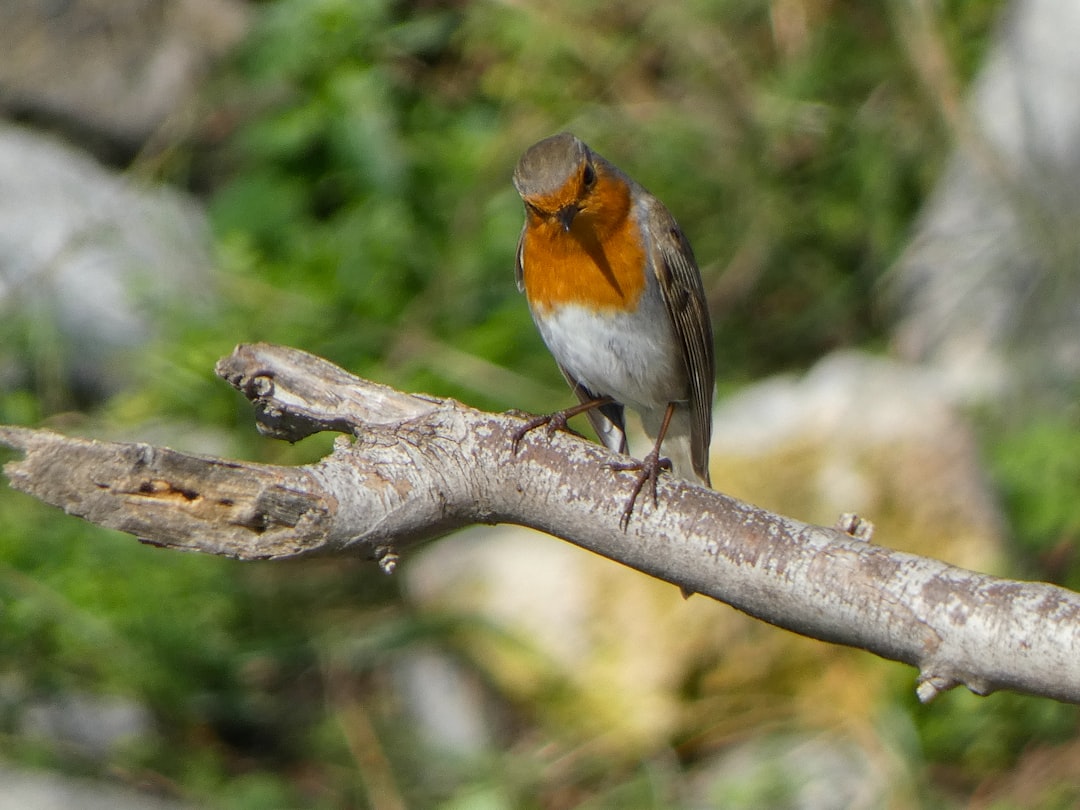
The European Robin, a familiar sight in gardens and woodlands across the continent, engages in a migratory journey that is as remarkable as it is vital for its survival. Often perceived as a sedentary resident, many populations undertake impressive flights, navigating vast distances and diverse landscapes each year. This article delves into the intricacies of European Robin migration, exploring the triggers, routes, challenges, and the sheer marvel of these tiny avian travelers.
The decision for a European Robin to embark on its migratory journey is a complex interplay of environmental cues and innate biological programming. It is not a rash departure but a carefully orchestrated response to impending seasonal changes that threaten to make their current breeding grounds inhospitable.
The Role of Photoperiodism
One of the most significant drivers of robin migration is the change in day length, a phenomenon known as photoperiodism. As autumn approaches, days shorten, signaling to the robin’s internal clock that winter is on its way. This decrease in daylight hours triggers hormonal changes within the bird, preparing it for the arduous journey ahead.
Internal Biological Clocks and Hormonal Shifts
Robins possess sophisticated internal biological clocks, or circadian rhythms, that are finely tuned to the daily and seasonal cycles. These clocks, influenced by light cues, regulate a cascade of hormonal shifts. Melatonin, a hormone strongly linked to darkness and sleep, decreases with longer daylight hours, promoting activity and energy storage. Conversely, as days shorten, melatonin levels rise, signaling a need for rest and preparation for migration. Other hormones, such as prolactin and gonadal steroids, also play roles in modulating migratory behavior, influencing fat deposition and the urge to travel.
Fueling the Journey: Fat Deposition
In anticipation of migration, robins engage in a crucial behavior: hyperphagia, or overeating. This allows them to build up significant reserves of fat, which will serve as their primary fuel source during the flight. Fat is metabolically dense, providing more energy per gram than carbohydrates or proteins, making it the ideal fuel for sustained flight. This period of intense feeding is often observed in late summer and early autumn, before the migratory urge becomes irresistible.
Environmental Factors Beyond Light
While photoperiodism is a primary trigger, other environmental factors also contribute to the timing and initiation of robin migration. These often act in concert with the changing day length to optimize the chances of survival and successful breeding in the following season.
Food Availability and Scarcity
The decline in insect populations, the primary food source for European Robins, is a significant factor. As temperatures drop and vegetation dies back, the abundance of insects dwindles. Migrating to regions with more readily available food resources becomes a matter of survival. Conversely, the abundance of food in breeding grounds during spring is what draws them back.
Temperature Fluctuations and Harsh Weather
Extreme cold and prolonged periods of frost can be detrimental to robins, particularly when combined with a lack of food. The threat of freezing temperatures and the difficulty of finding water further incentivize the movement to warmer climates where survival is more probable. Sudden onset of harsh weather, such as early snowfalls or persistent heavy rain, can also accelerate the migratory departure.
Competition and Social Dynamics
As resources become scarcer, competition among robins can intensify. This increased competition for food and territory, particularly between males who are often territorial year-round, can also influence the decision to migrate. Young birds, especially those hatched later in the breeding season and facing intense competition from older, established individuals, may be more predisposed to migrate in search of less crowded and more resource-rich areas.
The migration patterns of the European robin are a fascinating subject for ornithologists and bird enthusiasts alike. These small birds undertake remarkable journeys each year, navigating vast distances between their breeding and wintering grounds. For those interested in learning more about this phenomenon, a related article can be found at Freaky Science, which delves into the intricacies of bird migration and the factors that influence these incredible migrations.
Navigating the Skies: Robin Migration Routes
The migratory routes of European Robins are not random flights but rather intricate pathways honed by evolutionary adaptations and ecological pressures. These routes are influenced by a variety of factors, including geography, weather patterns, and the availability of stopover sites.
East-West Migratory Divide
European Robins exhibit a fascinating migratory pattern that can be broadly categorized into an east-west divide. Robins breeding in the western parts of Europe, such as the British Isles and France, tend to migrate southwards to overwinter in Spain and Portugal, and the northern parts of Africa. Those breeding in Eastern Europe, on the other hand, often travel further south and east, reaching Italy, the Balkan Peninsula, and even parts of the Middle East and North Africa.
Western Robins: The Mediterranean Bound
Robins breeding in the United Kingdom, Ireland, and northwestern continental Europe generally undertake a journey to the Iberian Peninsula and the Mediterranean coast of North Africa. This route offers a milder winter climate and access to a more consistent food supply, particularly insects and berries. The flight path often takes them across the English Channel, over France, and then southwards.
Eastern Robins: A Broader Southern Sweep
Robins from Eastern European countries, including Scandinavia, Poland, and the Baltic states, face a more extended migratory challenge. Their routes often lead them across Central and Southern Europe, with some individuals reaching as far south as Italy, Greece, and even across the Mediterranean Sea to North Africa. Some populations from the northeastern fringes of their range may even venture towards the Middle East.
The Compass Within: Navigation Strategies
The ability of a diminutive bird like the robin to navigate accurately across hundreds or even thousands of kilometers is nothing short of astonishing. Scientists have identified several key mechanisms that contribute to their sophisticated navigational abilities.
Geomagnetic Sense: An Internal Compass
One of the most remarkable senses possessed by migratory birds, including robins, is their ability to detect the Earth’s magnetic field. This geomagnetic sense acts as a built-in compass, allowing them to orient themselves and maintain a consistent direction of travel, even when visual cues are limited or obscured.
The Role of Cryptochromes and Magnetite
Research suggests that specialized proteins called cryptochromes, found in the robin’s eyes, are sensitive to the Earth’s magnetic field. These molecules, when activated by light, can form radical pairs whose spin states are influenced by magnetic field orientation, providing directional information. Additionally, some evidence points to the presence of small magnetic particles, likely iron-containing magnetite, in the beak or inner ear of birds, which could also contribute to magnetic sensing.
Celestial Navigation: Stars and Sun
Beyond the geomagnetic sense, robins also utilize celestial cues for navigation. They can orient themselves using the position of the sun during the day and the patterns of stars at night. This ability to navigate by the stars is particularly important for nocturnal migrants.
Sun Compass and Star Compass Integration
During the day, robins can use the position of the sun, even on cloudy days, to maintain their bearing. Their internal clock allows them to compensate for the sun’s movement across the sky. At night, they possess a “star compass,” allowing them to orient themselves by the rotation of constellations around the celestial pole. It is believed that these two systems, the sun compass and the star compass, are integrated, providing a robust and reliable navigational system.
Learned Routes and Visual Landmarks
While innate capabilities play a crucial role, learned behavior and the recognition of visual landmarks also contribute to successful migration. Experienced birds may teach younger individuals migratory routes, and familiar geographical features can serve as important reference points.
Following Experienced Individuals and Familiar Landscapes
Initial migratory journeys are often guided by instinct. However, as robins gain experience, they begin to recognize familiar landscapes, geographical features such as coastlines, mountain ranges, and major river systems, and even human-made structures that can serve as guides. Experienced birds may lead less experienced ones, and by observing their elders, younger birds learn the established routes and valuable stopover locations.
The Perilous Passage: Challenges of Migration
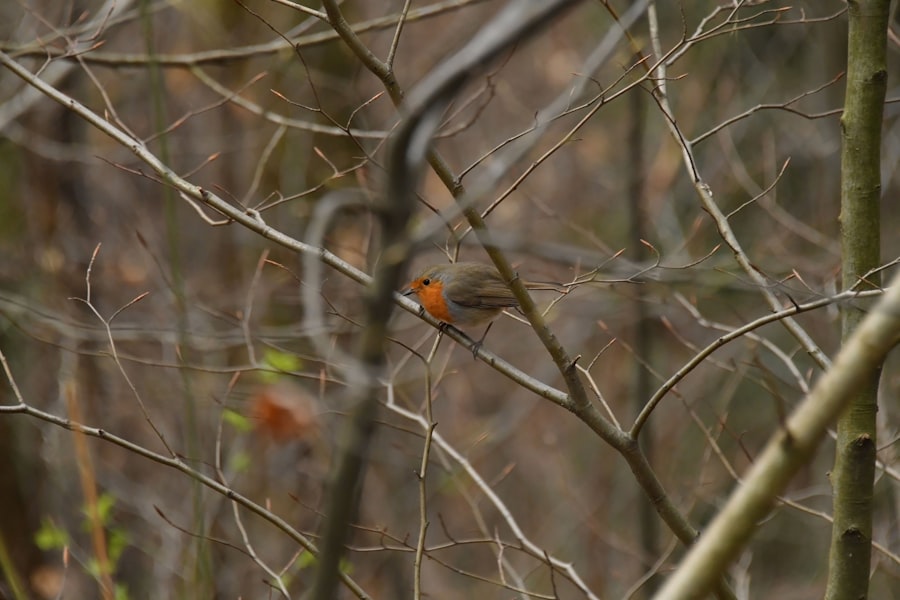
The migratory journey of the European Robin is far from a leisurely stroll; it is a demanding and often perilous undertaking fraught with numerous challenges that test the resilience and adaptability of these small birds.
Predation: A Constant Threat
Throughout their migratory cycle, robins are vulnerable to a wide array of predators. The open skies and exposed stopover sites provide opportunities for aerial predators, while the ground presents threats from mammalian carnivores.
Aerial Predators: Hawks and Falcons
Birds of prey, such as various species of hawks and falcons, are significant predators of robins. These agile hunters can spot robins from a distance and are capable of high-speed pursuits, especially during daylight hours when robins are most active in their flights.
Terrestrial Predators: Cats and Foxes
On the ground, particularly at stopover sites where robins rest and forage, they are vulnerable to terrestrial predators. Domestic and feral cats, foxes, and other small mammals can effectively prey on robins, especially when they are tired or distracted.
Environmental Hazards: Weather and Habitat Loss
Unforeseen environmental events can pose significant threats to migrating robins, impacting their survival rates and the success of their journeys.
Extreme Weather Events: Storms and Droughts
Sudden and severe weather events can be catastrophic for migrating robins. Powerful storms can blow them off course, exhaust them, or even force them to land in unsuitable locations. Prolonged droughts can devastate insect populations, leaving birds with insufficient food at critical stopover sites.
Habitat Degradation and Fragmentation
The increasing human impact on landscapes poses a significant threat. Habitat degradation and fragmentation, including deforestation, urbanization, and intensive agriculture, reduce the availability of suitable stopover sites and foraging grounds. This makes it harder for robins to find food, rest, and shelter, increasing their energy expenditure and vulnerability.
Physiological Stress: Exhaustion and Disease
The sheer physical exertion of migration coupled with the physiological challenges of surviving in unfamiliar environments can take a heavy toll on robins, making them susceptible to exhaustion and disease.
Energy Depletion and Malnutrition
The continuous need to forage and fly can lead to extreme energy depletion. If food is scarce or foraging opportunities are limited, robins can suffer from malnutrition, weakening them and making them more vulnerable to predators and disease.
Increased Susceptibility to Parasites and Diseases
The stress of migration, combined with close proximity to other birds at stopover sites, can weaken a robin’s immune system, making it more susceptible to parasites and diseases. These can further debilitate the bird, reducing its chances of reaching its destination or successfully breeding.
The Arrival and Departure: Cycles of Life
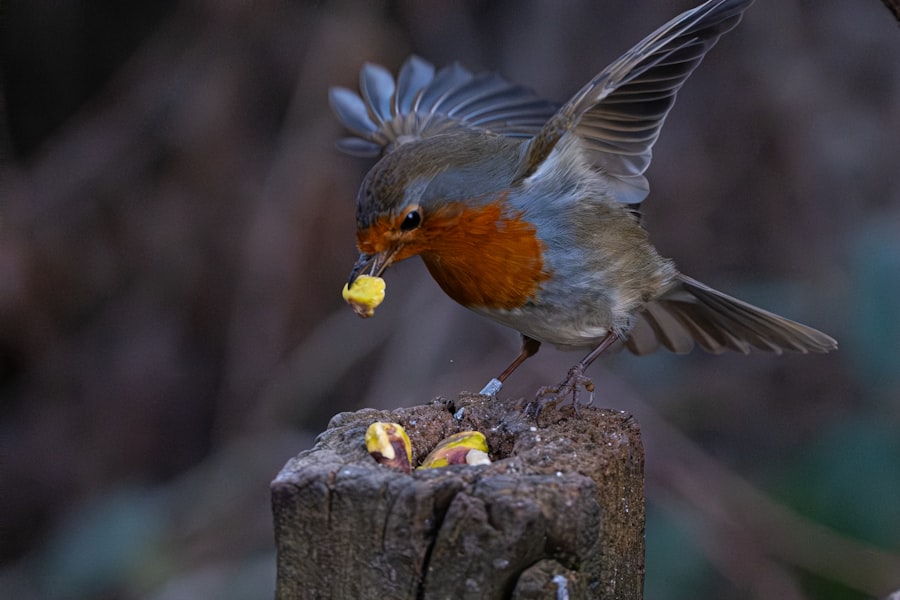
The migratory journey of the European Robin is not an end in itself, but a crucial part of its annual life cycle, intimately linked to its reproductive success and its territorial behavior.
The Spring Return: A Song of Renewal
As winter wanes and the first signs of spring emerge, the European Robin begins its arduous journey back to its breeding grounds. This return is often marked by the powerful and enchanting song of the male, a declaration of territory and a signal to potential mates.
Territorial Defense and Mate Attraction
Upon arrival in their breeding territories, male robins immediately re-establish and defend their patch. Their characteristic singing, often starting before dawn, serves to advertise their presence to other males, warning them to stay away, and to attract females. The vibrancy and complexity of their song are often indicators of their health and fitness.
Breeding Season and Nesting Behavior
Once a territory is secured and a mate is found, the robins engage in nesting behavior. The female builds the nest, usually in a concealed location such as a hedge, wall, or even a disused object. Both parents participate in raising the young, with multiple broods often raised throughout the breeding season.
Autumn Departure: The Cycle Begins Anew
In late summer and early autumn, as the days shorten and food sources begin to dwindle once more, the robin’s migratory instinct reawakens. The cycle of preparation, departure, and journey begins again.
Preparation for the Long Haul
As with the spring departure, the autumn migration is preceded by a period of hyperphagia, where robins feed intensively to build up fat reserves. The hormonal shifts associated with decreasing day length prepare them for the arduous journey ahead.
Overwintering Grounds and Survival Strategies
The overwintering grounds provide robins with a respite from the harsh winter conditions of their breeding ranges. Here, they can access food and shelter, allowing them to conserve energy until the spring. Survival strategies at these sites often involve foraging for insects, berries, and any other available food sources. The ability to adapt to and find sustenance in these new environments is crucial for their survival.
The fascinating journey of the European robin during migration has captivated bird enthusiasts and researchers alike. These small, vibrant birds travel thousands of miles each year, showcasing remarkable navigation skills and adaptability. For those interested in learning more about the intricacies of avian migration, a related article can be found at Freaky Science, which delves into the various factors influencing migratory patterns and the challenges these birds face along their routes. Understanding these dynamics not only enriches our knowledge of the European robin but also highlights the importance of conservation efforts for migratory species.
Conservation Implications and Future Prospects
| Migration Period | Distance Traveled | Speed |
|---|---|---|
| Autumn Migration | Approximately 2,000 km | Average speed of 20-30 km/h |
| Spring Migration | Varies, but can be up to 3,000 km | Varies, but can reach up to 45 km/h |
The fascinating journey of the European Robin highlights its ecological importance and the growing need for conservation efforts to protect these migratory marvels. Understanding the challenges they face is crucial for ensuring their continued presence in our landscapes.
The Impact of Climate Change on Migration
Climate change poses a significant and multifaceted threat to migratory birds. Alterations in temperature and precipitation patterns can disrupt the delicate timing of migration, leading to mismatches between arrival times and the availability of food resources.
Shifting Phenological Events
Global warming is causing shifts in phenological events – the timing of biological processes. Plants may flower earlier, insects may emerge sooner, and these changes can outpace the robin’s ability to adapt their migratory schedules. This mismatch can lead to a lack of food upon arrival at breeding grounds or during migration, impacting breeding success and survival rates.
Altered Weather Patterns and Extreme Events
Climate change is also linked to an increase in the frequency and intensity of extreme weather events. More frequent and severe storms, heatwaves, and droughts can directly impact robin populations during migration and on their breeding and overwintering grounds.
Habitat Preservation and Restoration Efforts
Protecting and restoring suitable habitats is paramount for the survival of migratory birds like the European Robin. This involves safeguarding existing migratory corridors and creating new areas that can support their needs.
Maintaining Migratory Corridors and Stopover Sites
Migratory corridors are the established routes that birds follow during their journeys. Preserving these corridors from development and fragmentation is essential. Equally important are stopover sites – areas where birds can rest and refuel. Protecting woodlands, hedgerows, wetlands, and other natural habitats that serve as critical stopover points is vital for ensuring successful migration.
Creating Bird-Friendly Habitats in Urban and Rural Landscapes
Conservation efforts should extend beyond protected wild areas to include urban and rural landscapes. Encouraging the planting of native species, maintaining diverse garden habitats, reducing pesticide use, and establishing green infrastructure in urban areas can provide much-needed resources for robins. In rural settings, promoting sustainable agricultural practices that incorporate hedgerows, wildflower margins, and varied landscapes can significantly benefit migratory birds.
Research and Monitoring: Understanding the Unknowns
Continued research and monitoring are essential for understanding the complex dynamics of robin migration and for informing effective conservation strategies.
Tracking Technologies and Data Collection
Advances in tracking technologies, such as miniaturized GPS loggers and Geolocators, are providing unprecedented insights into robin migratory routes, stopover locations, and migration duration. Long-term monitoring of population trends and breeding success provides crucial data for assessing the health of robin populations and identifying areas of concern.
Citizen Science and Public Engagement
Citizen science initiatives, where the public contributes valuable observations of robin sightings and behaviors, play a vital role in data collection. Engaging the public in conservation efforts fosters a sense of stewardship and raises awareness about the challenges facing migratory birds. Educating people about the importance of these journeys and the role robins play in our ecosystems is crucial for garnering support for conservation actions. The European Robin, in its tireless migration, is a testament to the resilience of nature and a powerful reminder of our responsibility to protect its incredible journeys for generations to come.

Birds Can Sense Something Humans Never Will
FAQs
What is the European robin?
The European robin (Erithacus rubecula) is a small bird that belongs to the family Muscicapidae. It is known for its distinctive red breast and is a common sight in gardens and woodlands across Europe.
Where do European robins migrate to?
European robins are migratory birds that breed in Europe and western Asia, and migrate to southern Europe, North Africa, and the Middle East for the winter. Some robins also migrate to the British Isles from Scandinavia during the winter months.
How do European robins navigate during migration?
European robins are known to use a variety of cues for navigation during migration, including the Earth’s magnetic field, the position of the sun, and visual landmarks. They are also thought to have an innate sense of direction that helps them find their way over long distances.
What is the purpose of European robin migration?
The primary purpose of European robin migration is to find suitable wintering grounds with milder climates and an abundance of food. By migrating south, robins are able to avoid the harsh winter conditions in their breeding areas and increase their chances of survival.
How can I help European robins during migration?
To help European robins during migration, you can provide food sources such as mealworms, suet, and birdseed in your garden. Additionally, creating a bird-friendly habitat with shrubs, trees, and water sources can offer robins a safe and welcoming environment during their journey.