
You’re standing at a crossroads, not of a bustling intersection, but of a silent, primal fear. The air feels thick, the space around you shrinks, and a growing urgency whispers in your ear: you need to get out. This isn’t a drill; it’s a critical moment where every second counts, and your ability to escape hinges on the tools you have at your disposal. But not all escape tools are created equal. The forces involved in overcoming obstacles – be it a jammed door, a tangled seatbelt, or a broken window – can be surprisingly immense. Choosing the right equipment isn’t about picking the shiniest gadget; it’s about understanding the physics of escape, the forces you’ll need to counter, and matching that understanding to the capabilities of your chosen tools. This guide is designed to equip you with that knowledge, empowering you to make informed decisions when your safety depends on it.
Understanding the Forces of Entrapment
Before you can choose an escape tool, you must first understand what you’re up against. Entrapment doesn’t manifest in a single, uniform way. It’s a spectrum of physical barriers, each requiring a different approach and, critically, a different amount of force. Think of it like this: breaking a delicate pane of glass requires a different kind of pressure than prying open a rusted metal door.
The Nature of Obstacles
Consider the common scenarios that might lead to an entrapment situation. You might be dealing with a vehicle accident where a seatbelt is jammed or a door is buckled. Perhaps you’re in a building fire where doors are warped by heat, or a confined space where debris has shifted. Each of these situations presents a unique physical challenge. A jammed seatbelt, for instance, often involves the tension of the webbing and the locking mechanism. A warped door might mean overcoming the friction of bent metal against its frame, or the sheer weight of the deformed material. A collapsed structure introduces the immense force of gravity and the friction of interlocking debris.
Quantifying the Unseen: Force and Resistance
While you won’t have a force gauge handy in an emergency, understanding the concept of force is crucial. Force is what causes an object to change its motion, whether it’s to start moving, stop moving, or change direction. In escape scenarios, you are applying force to overcome the resistance of the obstacle. This resistance can be due to friction, tensile strength (how much something can be stretched before breaking), shear strength (how much something can be cut or torn), or simply inertia.
For example, prying open a door involves overcoming the resistance of the latch mechanism, the friction of the door against the frame, and potentially the deformation of the metal itself. Cutting a seatbelt involves overcoming the tensile strength of the woven material. Breaking a window involves overcoming the shear and tensile strength of the glass. The more robust the material, the higher the force required to breach it. You need to select a tool that can generate enough force, or a method that allows you to apply your own force effectively, to exceed the obstacle’s resistance.
The Physics of Leverage and Mechanical Advantage
Many escape tools operate on the principle of leverage. Think of a crowbar. You apply force to one end, and the tool amplifies that force at the other end, allowing you to pry open something that would otherwise be immovable. This amplification of force is known as mechanical advantage. A longer lever arm, for example, provides greater mechanical advantage. Similarly, a tool that uses a scissor-like action, like bolt cutters, also offers mechanical advantage, allowing you to apply significant force to cut through tough materials. Understanding these principles helps you appreciate why certain tools are effective and how to best use them. For instance, when using a pry bar, finding the optimal pivot point is key to maximizing your leverage.
In exploring the dynamics of escape tools, it is essential to understand the force required for effective usage. A related article that delves deeper into this topic can be found at Freaky Science, where various factors influencing the force needed for different escape tools are discussed. This resource provides valuable insights into the mechanics behind these tools and their practical applications.
Categorizing Escape Tools by Function
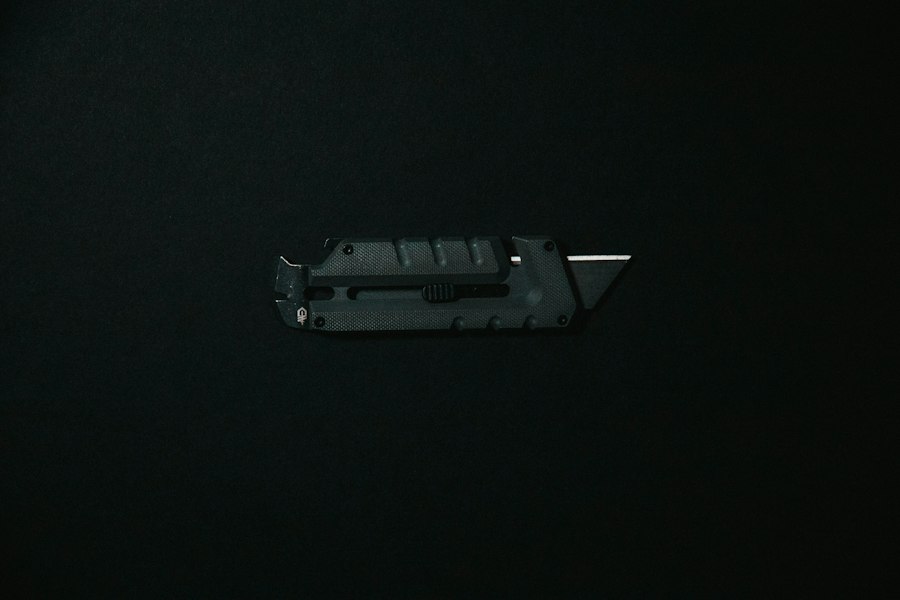
Escape tools can be broadly categorized by the primary action they perform. This functional classification helps you quickly identify the type of tool best suited to a specific entrapment scenario. It’s not about memorizing every single product, but about understanding the core capabilities.
Cutting Tools: Severing Restraints and Obstacles
Cutting tools are designed to sever materials. This is your go-to for anything that restrains you, like seatbelts, seatbelt webbing, or even thin cables. They can also be useful for breaching certain types of barriers, though their effectiveness diminishes with thicker or more hardened materials.
- Seatbelt Cutters: These are specifically designed with sharp, hardened blades to quickly and safely cut through seatbelt webbing. Many are integrated into multi-tools or standalone devices. You want a blade that is exceptionally sharp and designed to resist dulling, even with repeated use or contact with rough surfaces.
- Knives and Blades: A sturdy, sharp knife can be a versatile cutting tool. For escape purposes, you’ll want a blade that is robust, made of high-quality steel that holds an edge, and has a comfortable, secure grip. Fixed-blade knives generally offer more durability and leverage than folding knives, but a good quality folding knife can be more portable.
- Shears and Scissors: Heavy-duty shears can cut through softer materials like fabric, rope, or thin plastic. For more robust cutting, like thicker wiring or even some lighter metal, you might consider specialized aviation shears or industrial-grade scissors.
- Bolt Cutters: These are heavy-duty tools designed for cutting through thick metal rods, chains, and bolts. They provide significant leverage, making them effective for situations where you need to sever strong metal restraints. The length of the bolt cutters directly correlates to the leverage they provide – longer handles mean greater force.
Prying and Spreading Tools: Overcoming Barriers
When brute force and cutting won’t suffice, prying and spreading tools come into play. These tools are designed to create gaps, lift, or force apart obstacles.
- Pry Bars/Crowbars: These are essential for creating leverage. They work by inserting a hardened tip into a gap and then using the tool as a lever to apply force. For escape purposes, you want a pry bar that is strong, durable, and has a well-shaped tip for insertion. Different lengths offer varying degrees of leverage. A shorter, more compact pry bar might be easier to carry, while a longer one will provide more power. Some pry bars also feature a claw or nail-pulling end, adding to their versatility.
- Halligans: While often associated with firefighting, a Halligan tool is a formidable prying and breaching tool. It typically has a claw, a spike, and a flat end, making it incredibly versatile for forcing open doors, breaking through windows, and lifting heavy objects. The weight and construction of a Halligan are designed for maximum force application.
- Door Rams and Spreaders: These are more specialized hydraulic or mechanical tools designed to force open doors or create significant gaps. They are typically much larger and heavier than personal escape tools and are more often found in professional emergency response kits. However, understanding their function highlights the extreme forces that can be overcome with dedicated equipment.
Breaking Tools: Shattering and Accessing
When an obstacle is solid and cannot be cut or pried, breaking it might be your only option.
- Window Breakers: These are designed with hardened points, often made of tungsten carbide, to concentrate force on a small area of glass, allowing it to shatter. Many seatbelt cutters and multi-tools incorporate a small window breaker. For larger or reinforced glass, you might need a dedicated hammer-like device or a specialized tool designed for automotive or architectural glass. The force required to break glass depends on its type (tempered, laminated, etc.) and thickness.
- Hammers and Mallets: A sturdy hammer can be used to break through weaker materials or to strike other tools to increase their effectiveness. A small, compact hammer can be a valuable addition to a personal escape kit.
Assessing Force Requirements for Different Scenarios
Now that you understand the types of forces and the tools available, let’s consider how to match them to specific entrapment scenarios. This is where practical application meets theoretical understanding.
Vehicle Entrapment: Seatbelts and Doors
In a vehicle accident, the most common entrapments involve jammed seatbelts and buckled doors.
- Seatbelt Force: The force needed to cut a standard seatbelt is relatively low. A sharp, well-designed seatbelt cutter can sever it with minimal effort. The challenge here is often accessing the belt and overcoming the tension that might be pulling it taut. For very thick or heavily worn seatbelts, you might need a cutter with a more aggressive blade.
- Door Force: Buckled or jammed vehicle doors present a much greater challenge. The force required to pry open a deformed car door can be immense, often exceeding what an individual can generate with a small pry bar. This is where larger, more robust tools like a Halligan or specialized hydraulic spreaders would be necessary. For a personal escape kit, a small pry bar might be sufficient to create a small gap to allow you to maneuver out, but it’s unlikely to fully open a severely jammed door. The resistance comes from bent metal, compressed seals, and the locking mechanism.
Building Fires: Jammed Doors and Debris
In a fire scenario, warped doors and shifted debris present significant obstacles.
- Door Force: Heat can warp metal doors and frames, creating friction and binding. The force required to open these doors depends on the degree of warping and the material of the door and frame. A pry bar is often effective for creating a starting point to force the door open. In some cases, a heavier tool like a Halligan might be needed to apply enough force to overcome the binding.
- Debris Force: Collapsed structures create immense forces due to the weight of materials. Attempting to move heavy debris with personal tools is often futile and dangerous. Escape in such scenarios typically relies on finding pre-existing openings or using tools to clear smaller, manageable pieces of debris to create a path.
Confined Spaces: Limited Access and Obstructions
Confined spaces can present unique challenges, from tight quarters to unexpected obstructions.
- Obstruction Force: This can vary wildly. A pipe that has fallen across an access point might require cutting, while a shifted panel might need prying. The key in confined spaces is often portability and versatility. A multi-tool that combines cutting, prying, and breaking functions can be invaluable. The forces here are usually related to the size and weight of the obstruction relative to your ability to maneuver and apply force.
Selecting Your Escape Tool Arsenal
Building an effective escape tool arsenal is about thoughtful selection based on your anticipated needs and the limitations of portability. It’s not about having every tool, but about having the right tools for your most likely scenarios.
Personal Preparedness: What to Carry Daily
For everyday preparedness, you’re looking for compact, versatile tools that can address common emergencies.
- The Multi-Tool: A high-quality multi-tool is the cornerstone of personal preparedness. Look for one that includes a sharp, durable knife blade, a robust pry bar or screwdriver tip, and potentially a small window breaker. Ensure the tools are easily accessible and the grip is secure.
- Dedicated Seatbelt Cutter: Even with a good multi-tool, a dedicated seatbelt cutter is often more effective and safer to use, especially under stress. These are small, inexpensive, and can be kept in your car’s glove compartment or console.
- Small Pry Bar: A short, stout pry bar can provide significant leverage for opening stuck drawers, prying open light doors, or creating small gaps.
Vehicle Kits: Enhancing Your Mobile Safety
Your vehicle is a potential trap, so equipping it for escape is crucial.
- Comprehensive Multi-Tool or Tool Roll: Beyond a basic multi-tool, consider a more robust kit that includes larger tools. A medium-sized pry bar, a heavy-duty pair of shears, and a dedicated window breaker are excellent additions.
- Fire Extinguisher: While not an escape tool in the traditional sense, a fire extinguisher can be vital for clearing a path through flames or smoke, indirectly aiding your escape.
- Gloves: Heavy-duty work gloves protect your hands from sharp edges, heat, and provide a better grip on tools and obstacles.
Home and Workplace Preparedness: Layering Your Defenses
Your home and workplace are environments where you spend significant time, making preparedness there essential.
- Larger Pry Bars and Halligan-style Tools: For a home or workplace escape kit, you can afford to have larger, more powerful tools. A longer pry bar or a dedicated Halligan-style tool can make a significant difference in breaching doors or clearing debris.
- Axes and Saws: Depending on the construction of your environment, an axe might be useful for breaching wooden doors or partitions. A small hand saw can be useful for cutting through wooden obstructions.
- Specialized Tools: If you work in an industry with specific risks (e.g., construction, manufacturing), consider specialized tools that address those particular hazards.
When considering the escape tool force required for various applications, it’s essential to understand the underlying principles that govern these tools. A related article that delves deeper into the mechanics and calculations involved can be found at Freaky Science. This resource provides valuable insights that can enhance your understanding of how different factors influence the force needed for effective tool operation.
Utilizing Your Escape Tools Safely and Effectively
| Escape Tool Type | Force Required (N) | Application | Material | Notes |
|---|---|---|---|---|
| Glass Breaker Hammer | 150 – 250 | Breaking tempered glass windows | Steel tip, plastic handle | Force depends on glass thickness |
| Seatbelt Cutter | 20 – 40 | Cutting seatbelt webbing | Hardened steel blade | Sharp blade reduces required force |
| Window Punch | 100 – 200 | Punching holes in vehicle glass | Hardened steel | Requires quick, sharp impact |
| Multi-tool Escape Device | Varies (20 – 250) | Combination of cutting and breaking | Steel and plastic components | Force depends on function used |
Having the right tools is only half the battle. Knowing how to use them safely and effectively, especially under duress, is paramount.
Mastering Your Grip and Stance
Proper body mechanics are crucial when applying force.
- Secure Grip: Ensure you have a firm, unwavering grip on your tool. A slippery grip can lead to the tool slipping, causing injury or ineffective force application. Gloves can significantly improve your grip.
- Stable Stance: Plant your feet firmly, providing a solid base for your movements. When prying, position yourself so you can use your body weight to your advantage, rather than relying solely on arm strength. Think about using your legs and core to generate power.
- Body Positioning: When using a pry bar, try to position yourself so that you are pushing or pulling in a controlled manner. Avoid putting yourself in a position where a sudden release of pressure could cause you to fall or lose balance.
The Art of Application: Force, Angle, and Persistence
Effective tool use involves more than just brute strength.
- Apply Force Incrementally: Don’t try to exert maximum force all at once. Apply steady, increasing pressure. This allows you to feel the resistance and adjust your approach.
- Find the Right Angle: For prying, the angle at which you insert the tool and apply pressure is critical. Too shallow an angle might not provide enough purchase, while too steep an angle could damage the tool or the surface. Experiment to find the optimal angle.
- Patience and Persistence: Escape is not always instantaneous. Be persistent. If one approach doesn’t work, reassess and try a different method or angle. Don’t give up easily.
- Understand Tool Limitations: Be realistic about what your tools can do. A small pry bar will not open a steel bank vault. Knowing the limits of your equipment prevents frustration and potential injury.
Safety First: Avoiding Self-Injury and Further Entrapment
The greatest risk in an escape scenario is often self-inflicted injury.
- Beware of Sudden Releases: When prying or cutting, be aware that materials can break or give way suddenly. Ensure your hands and body are not in a position to be caught or injured by a sudden shift.
- Sharp Edges and Debris: Always be mindful of sharp edges on broken materials or the tools themselves. Wear protective gloves and eye protection if possible.
- Don’t Overexert: Pushing yourself beyond your physical limits can lead to exhaustion and injury, making you more vulnerable. Pace yourself and use your tools intelligently.
- Maintain Awareness: While focused on escaping, don’t lose situational awareness. Be mindful of your surroundings, potential hazards, and the actions of others.
By understanding the forces at play, categorizing your tools by function, assessing your needs, and practicing safe and effective usage, you can significantly increase your preparedness and your chances of a successful escape when the unexpected happens. Your ability to overcome the forces of entrapment lies not just in the tools you possess, but in the knowledge and skill with which you wield them.

Your Car Window Can Keep You In—Even When You Need Out
FAQs
What is an escape tool?
An escape tool is a device designed to help individuals exit a vehicle in emergency situations, such as when the doors are jammed or the windows are unable to open.
How much force is typically required to use an escape tool?
The force required to use an escape tool can vary depending on the design and mechanism of the tool. However, most escape tools are designed to be easily operated with minimal force, making them accessible to individuals of different ages and physical abilities.
Are there different types of escape tools available?
Yes, there are various types of escape tools available on the market, including window breakers, seatbelt cutters, and multi-function tools that combine both functions. Each type of tool serves a specific purpose in aiding individuals to escape from a vehicle during emergencies.
Do escape tools work on all types of vehicles?
Escape tools are generally designed to work on most types of vehicles, including cars, trucks, and buses. However, it is essential to check the compatibility of the tool with the specific vehicle make and model to ensure effective use in case of an emergency.
Are escape tools easy to use in stressful situations?
Escape tools are designed to be user-friendly and easy to operate, even in stressful and high-pressure situations. Manufacturers often provide instructions and demonstrations on how to use the tool effectively, making it easier for individuals to act quickly during emergencies.