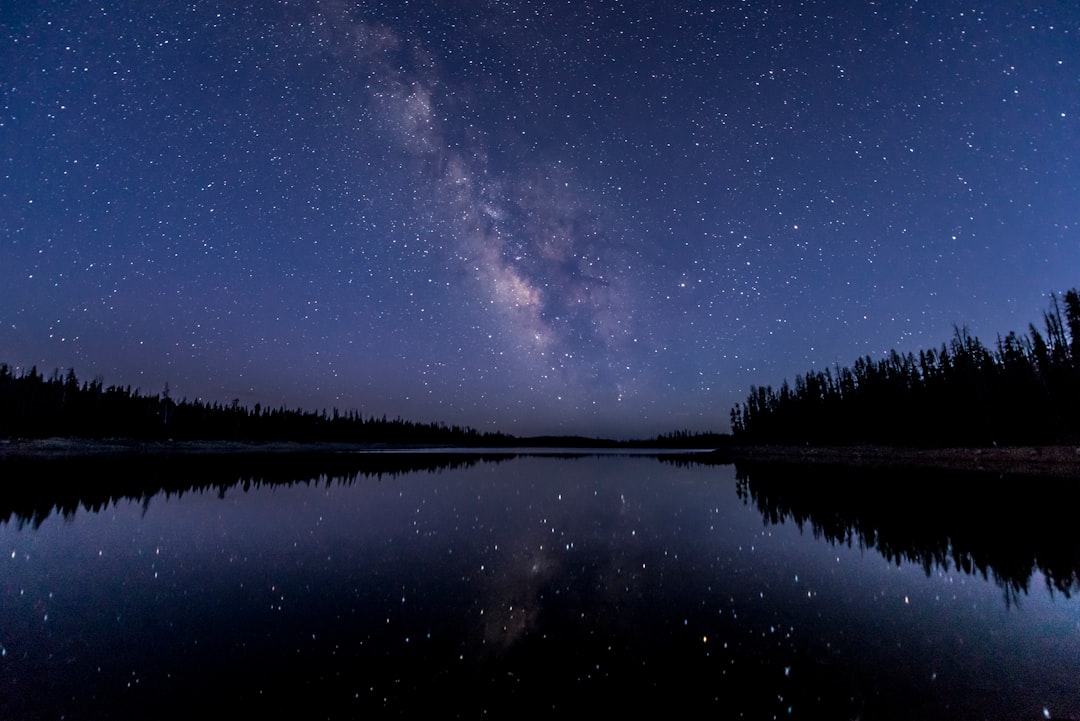
The vast expanse of the night sky, a tapestry studded with countless stars, has long captivated humanity. Among these celestial wonders, the Milky Way, our own home galaxy, stands out as a particularly breathtaking spectacle. Its faint, ethereal glow, a luminous band stretching across the darkness, has inspired myths, guided travelers, and fueled scientific curiosity for millennia. Yet, for most of us, seeing the Milky Way in all its glorious detail requires more than just looking up. It demands the aid of advanced technology, specifically, the sophisticated cameras that have revolutionized our ability to capture and appreciate this celestial marvel. The enhanced sensitivity of modern digital cameras allows us to peer deeper into the cosmos, revealing details of our galaxy that would otherwise remain hidden from the naked eye.
The human eye, while an extraordinary organ, has inherent limitations when it comes to perceiving faint light sources like the Milky Way. Our retinas contain two types of photoreceptor cells: rods and cones. Cones are responsible for color vision and fine detail, but they are less sensitive to light and function best in brighter conditions. Rods, on the other hand, are far more sensitive to light and are crucial for vision in low-light environments. However, rods do not perceive color and offer a less detailed image.
Photoreceptors and Light Sensitivity
The number of photons, or particles of light, that reach our eyes from an object dictates how well we can see it. The Milky Way, while composed of billions of stars, is spread out over a vast area. The light from these distant stars is often too dim to stimulate enough rods and cones simultaneously for a clear and detailed perception. Even on the darkest, clearest nights, away from light pollution, the Milky Way appears as a milky, indistinct band, a pale shadow of its true glory.
The Role of Adaptation
Our eyes can adapt to low light conditions through a process called dark adaptation. This involves changes in the chemical pigments within the rods, increasing their sensitivity to available light. However, this adaptation has its limits. After prolonged exposure to darkness, our eyes can only gather so much light, and the faint signals from the Milky Way simply aren’t strong enough to resolve into sharp details. This is where the power of photography truly shines.
Recent advancements in camera technology have significantly enhanced our ability to capture the beauty of the Milky Way. For a deeper understanding of how these innovations improve astronomical photography, you can explore a related article that delves into the science behind camera sensors and their impact on capturing celestial phenomena. To read more about this fascinating topic, visit this article.
The Dawn of Digital Photography and Enhanced Sensitivity
The advent of digital photography marked a paradigm shift in our ability to capture light. Unlike film, which relied on chemical reactions to record an image, digital sensors convert light into electrical signals that can be amplified and processed. This fundamental difference allows digital cameras to achieve a level of sensitivity and detail that was previously unimaginable.
From Film to Pixels: A New Era of Light Capture
Film photography, while capable of producing stunning images, had its limitations. The sensitivity of film, measured by its ISO rating, determined how much light it needed to produce a properly exposed image. Higher ISO films were more sensitive but often introduced more grain, degrading image quality. Digital sensors, particularly those found in modern DSLRs and mirrorless cameras, offer a far more flexible and sensitive approach.
The CCD and CMOS Revolution
The two primary types of digital image sensors are Charge-Coupled Devices (CCDs) and Complementary Metal-Oxide-Semiconductor (CMOS) sensors. While both convert light into electrical signals, CMOS sensors have become dominant in modern cameras due to their lower power consumption, faster readout speeds, and increasingly, their superior sensitivity and lower noise performance.
How Pixels Detect Light
Each pixel on a digital sensor acts as a tiny bucket, collecting photons that strike it. The more photons a pixel collects, the stronger the electrical signal it generates. This signal is then converted into a digital value, forming part of the final image. The size and efficiency of these pixels, along with the overall architecture of the sensor, play a crucial role in determining the camera’s sensitivity.
The Importance of Signal-to-Noise Ratio
A key metric in digital imaging is the signal-to-noise ratio (SNR). The “signal” is the actual light information from the scene, while “noise” refers to unwanted electrical interference that degrades the image. Enhanced sensitivity in a camera means the sensor can gather more signal relative to the noise, resulting in cleaner images, especially in low light. Modern sensors are designed to minimize noise even at high ISO settings, allowing for the capture of fainter details of the Milky Way.
Understanding ISO and Long Exposures
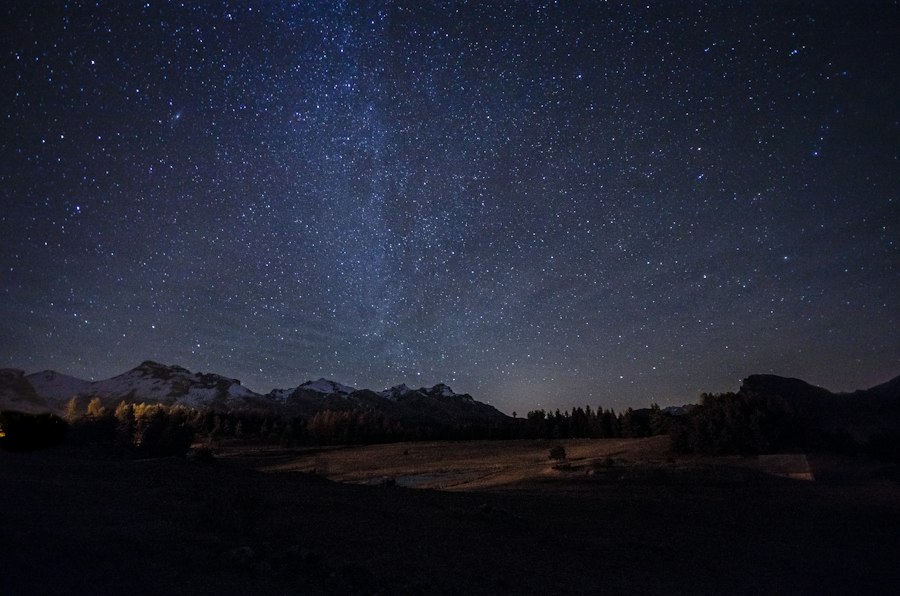
To capture the faint light of the Milky Way, photographers employ two primary techniques that leverage the enhanced sensitivity of their cameras: increasing the ISO setting and utilizing long exposure times. These two factors work in tandem to gather enough light to reveal the galaxy’s intricate structures.
The ISO Multiplier Effect
ISO (International Organization for Standardization) is a measure of a digital camera sensor’s sensitivity to light. A higher ISO setting amplifies the electrical signal from the sensor, making it more sensitive to light. This means that in low-light conditions, increasing the ISO allows for shorter exposure times or the capture of fainter details. For astrophotography, photographers often push their ISO settings to 3200, 6400, or even higher, depending on the camera’s capabilities.
The Trade-off: Noise at High ISO
While a higher ISO significantly boosts sensitivity, it also amplifies the inherent noise within the sensor. This can lead to grainy images with a loss of detail. However, advancements in sensor technology and in-camera noise reduction algorithms have greatly mitigated this issue. Modern cameras can produce remarkably clean images even at very high ISO settings.
The Power of Patience: Long Exposures
Long exposure photography involves keeping the camera’s shutter open for an extended period, allowing the sensor to collect light over time. For the Milky Way, exposure times can range from a few seconds to several minutes. This extended period allows the camera to accumulate a sufficient number of photons from the faint celestial light, revealing details that would be invisible to the naked eye.
Stacking Exposures for Ultimate Detail
A common technique in astrophotography is “image stacking.” This involves taking multiple identical long exposures of the same scene and then combining them using specialized software. By averaging the data from multiple frames, the signal from the Milky Way is reinforced, while random noise is averaged out and reduced. This process dramatically improves the SNR and allows for the extraction of incredibly fine details.
The Dynamic Duo: ISO and Exposure Time
The relationship between ISO and exposure time is a fundamental concept in photography. In low light, a photographer can choose to increase the ISO to allow for a shorter exposure, or they can use a longer exposure at a lower ISO. For capturing the Milky Way, photographers often find an optimal balance between a moderately high ISO and a long enough exposure to capture sufficient detail without introducing excessive star trailing (caused by the Earth’s rotation during long exposures).
Advanced Sensor Technologies and Their Impact
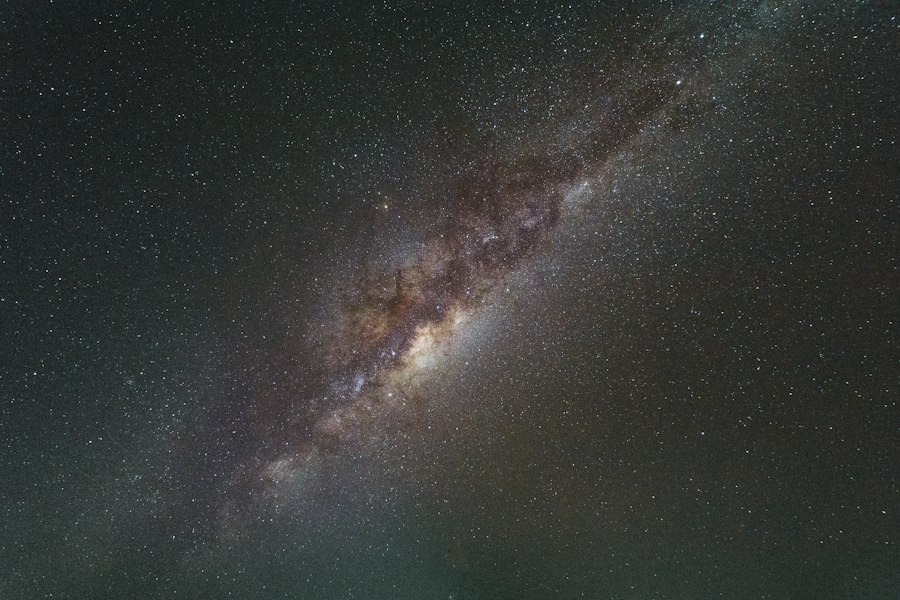
The quest for greater sensitivity in digital cameras has driven significant innovation in sensor technology. Engineers are constantly developing new ways to improve pixel efficiency, reduce noise, and enhance the overall light-gathering capabilities of camera sensors.
Back-Illuminated Sensors (BSI)
A significant breakthrough in sensor technology has been the development of back-illuminated (BSI) sensors. In traditional front-illuminated sensors, the wiring and circuitry are placed in front of the light-sensitive photodiodes, partially blocking incoming light. BSI sensors rearrange this structure, placing the wiring behind the photodiodes. This allows more light to reach the light-sensitive areas of the sensor, leading to increased sensitivity and improved low-light performance.
Improved Light Gathering Efficiency
By optimizing the path of light to the photodiodes, BSI sensors can capture a greater percentage of the available photons. This translates directly to enhanced sensitivity, allowing cameras to produce cleaner and more detailed images in dim conditions, such as those encountered when photographing the Milky Way.
Larger Pixel Sizes
Generally, larger pixels can gather more light than smaller pixels. While modern cameras often feature high megapixel counts, leading to smaller individual pixels, many astrophotography-focused cameras prioritize larger pixels for their superior light-gathering ability. This is a trade-off between overall resolution and low-light performance.
The Benefits for Astrophotography
For capturing the faint light of celestial objects, larger pixels offer a distinct advantage. They can accumulate more photons before becoming saturated, leading to a better SNR and a cleaner image with less noise. This is particularly beneficial when trying to resolve subtle details within the Milky Way.
Sensor Readout Noise Reduction
Beyond the light-gathering capabilities of the pixels themselves, the process by which the sensor’s data is read out also contributes to noise. Modern CMOS sensors employ sophisticated readout electronics and digital signal processing techniques to minimize this readout noise, further enhancing the overall SNR and image quality in low light.
Recent advancements in camera technology have significantly improved our ability to capture stunning images of the Milky Way, allowing us to appreciate its beauty like never before. For a deeper understanding of how these innovations enhance our astronomical observations, you can explore a related article that delves into the science behind these advancements. This article provides insights into the techniques and equipment that enable cameras to see the Milky Way in greater detail, making it a fascinating read for anyone interested in astrophotography. To learn more, visit this link.
Specialized Cameras for Astrophotography
| Reason | Explanation |
|---|---|
| Long Exposure Capability | Cameras can take long exposure shots, allowing them to capture more light and detail in the Milky Way. |
| Adjustable ISO Settings | Cameras have adjustable ISO settings, which can be increased to capture more light in low-light conditions. |
| Wide Aperture Lenses | Cameras can be equipped with wide aperture lenses, allowing more light to enter the sensor and capture the Milky Way more effectively. |
| No Atmospheric Disturbances | Cameras are not affected by atmospheric disturbances such as light pollution or air turbulence, resulting in clearer Milky Way images. |
| Higher Sensor Sensitivity | Cameras have sensors that are more sensitive to light, enabling them to capture faint details of the Milky Way. |
While many modern digital cameras are capable of capturing decent images of the Milky Way, dedicated astrophotography cameras offer even greater sensitivity and features specifically designed for capturing faint celestial objects. These cameras often sacrifice some general-purpose usability for specialized performance.
Dedicated Cooled Astronomical Cameras
These cameras are designed with active cooling systems that significantly reduce thermal noise generated by the sensor. Even at ambient temperatures, digital sensors produce heat, which contributes to noise. Cooling the sensor to sub-zero temperatures drastically improves the SNR, allowing for much longer exposures and the capture of extremely faint details.
Minimizing Thermal Noise
Thermal noise is a pervasive issue in low-light photography. By actively cooling the sensor, these specialized cameras minimize the generation of spurious electrical signals that can be mistaken for actual light. This is crucial for revealing the subtle variations in brightness and color within the Milky Way.
Full-Frame Sensors
Full-frame sensors, which are roughly the size of a 35mm film frame, have become increasingly popular in high-end digital cameras, including those suited for astrophotography. Their larger physical size allows for larger pixels or more pixels, and generally leads to better low-light performance and a wider dynamic range compared to smaller sensor formats like APS-C or Micro Four Thirds.
Advantages for Wide-Field Astrophotography
When capturing the vast sweep of the Milky Way across the night sky, a full-frame sensor provides a wider field of view, allowing photographers to include more of the galaxy in a single shot. This also means that each pixel on a full-frame sensor has a larger area to collect light, contributing to higher sensitivity.
Optimized Color Sensitivity
Some dedicated astrophotography cameras are also designed with enhanced sensitivity to specific wavelengths of light that are prevalent in nebulae and other celestial objects. This can lead to more vibrant and detailed images of the Milky Way’s gaseous and dusty regions.
Post-Processing: Unlocking the Hidden Details
Even with the most advanced cameras and techniques, the true magic of capturing the Milky Way often lies in post-processing. Software tools allow photographers to enhance the captured data, bringing out details that were only hinted at in the raw image.
Raw Image Files: The Photographer’s Palette
Modern digital cameras can capture images in a raw file format. Unlike JPEGs, which are compressed and processed in-camera, raw files contain all the unprocessed data from the sensor. This provides photographers with the maximum flexibility in post-processing, allowing them to adjust exposure, white balance, and other parameters without losing image quality.
Essential Adjustments for Astrophotography
Key post-processing adjustments for Milky Way images include:
- Exposure and Contrast Adjustment: Bringing out the subtle brightness variations of the galaxy and its surrounding stars.
- White Balance Correction: Ensuring accurate color rendition of celestial objects.
- Noise Reduction: Further refining the image to remove any remaining noise.
- Sharpening: Enhancing the definition of stars and galactic structures.
- Deconvolution and Sharpening Tools: Advanced techniques to counteract the effects of atmospheric distortion and lens aberrations.
Stacking and Calibration Frames
As mentioned earlier, image stacking is a critical post-processing step. Additionally, photographers often use “calibration frames” such as dark frames, bias frames, and flat frames. These frames capture the inherent noise and optical characteristics of the camera and lens, allowing software to subtract these unwanted artifacts from the main image of the Milky Way, resulting in a cleaner and more accurate representation.
Dark Frames, Bias Frames, and Flat Frames Explained
- Dark Frames: Images taken with the lens cap on and the same ISO and exposure time as the main shots. They capture the thermal noise of the sensor.
- Bias Frames: Very short exposures taken with the lens cap on. They capture the readout noise of the sensor.
- Flat Frames: Images of a uniformly illuminated surface (like a clean white t-shirt stretched over the lens). They capture vignetting and dust motes on the sensor.
By meticulously applying these calibration frames during the stacking process, photographers can significantly improve the quality of their Milky Way images, revealing a level of detail that would be impossible to achieve otherwise. The enhanced sensitivity of modern cameras, combined with these sophisticated techniques, has truly opened up the universe to our photographic gaze, allowing us to witness the breathtaking beauty of our galactic home in ways never before possible.

The Space Photos Are Real—But Your Eyes Would See This
FAQs
1. How do cameras see the Milky Way better than the human eye?
Cameras are able to capture more light and detail than the human eye, allowing them to pick up fainter stars and details in the Milky Way that may not be visible to the naked eye.
2. What camera settings are ideal for capturing the Milky Way?
Ideal camera settings for capturing the Milky Way include using a wide aperture (f/2.8 or lower), a high ISO (1600-3200), and a long exposure time (20-30 seconds) to gather as much light as possible.
3. What type of camera is best for capturing the Milky Way?
Cameras with larger sensors, such as full-frame DSLRs or mirrorless cameras, are generally better for capturing the Milky Way due to their ability to gather more light and produce less noise in low-light conditions.
4. How can post-processing enhance Milky Way photos taken with a camera?
Post-processing techniques such as adjusting the white balance, increasing contrast, reducing noise, and enhancing details can help bring out the beauty of the Milky Way captured by a camera.
5. Are there specific locations or conditions that make it easier for cameras to capture the Milky Way?
Dark sky locations with minimal light pollution and clear, moonless nights provide the best conditions for cameras to capture the Milky Way, as they allow for longer exposures and clearer visibility of the stars.