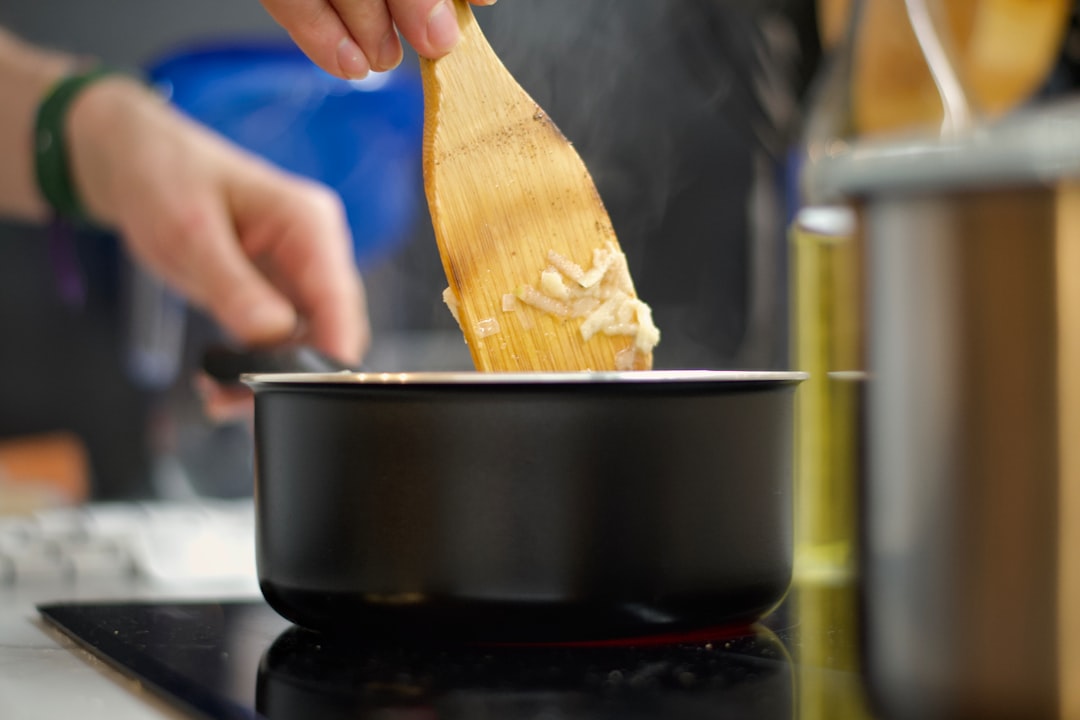
Imagine a kitchen that’s cooler, cleaner, and incredibly responsive to your every culinary command. A kitchen where your pots and pans become the heating elements themselves, delivering precise and rapid heat with remarkable energy efficiency. This isn’t a futuristic fantasy; it’s the reality of induction cooking, and understanding how it works will transform the way you think about preparing food. You’ve likely seen induction cooktops in high-end kitchens or perhaps heard whispers about their superior performance. Now, let’s delve into the fascinating science behind this innovative technology and discover why it’s a game-changer for anyone who loves to cook.
The Fundamental Principle: Magnetic Magic at Play
At its core, induction cooking relies on a clever application of electromagnetism. Unlike traditional stovetops that heat a coil or element, and then transfer that heat to your cookware, induction directly heats the pot or pan itself. This seemingly subtle difference leads to a cascade of benefits, primarily in efficiency and control.
Unveiling Electromagnetism: The Foundation of Induction
You’ve encountered magnetism in everyday life – refrigerator magnets, compasses. Electromagnetism takes this a step further by demonstrating the intricate relationship between electricity and magnetism. When an electric current flows through a wire, it generates a magnetic field around that wire. Conversely, moving a magnetic field near a wire can induce an electric current within it. Induction cooktops harness this principle in a highly controlled and sophisticated manner.
Faraday’s Law: The Inductive Spark
At the heart of induction lies Faraday’s Law of Electromagnetic Induction. This fundamental law states that a changing magnetic field will induce an electromotive force (EMF), which is essentially a voltage, in a nearby conductor. On your induction cooktop, a coil of copper wire lies beneath the smooth ceramic glass surface. When you turn on the cooktop, an alternating electric current is passed through this coil. This alternating current, by its very nature, creates a constantly changing magnetic field above the coil.
The Dance of Electrons: Creating Eddy Currents
When you place a compatible pot or pan on the induction surface, this fluctuating magnetic field penetrates the base of the cookware. The base of a compatible induction pan is made of a ferromagnetic material (like iron or steel). According to Faraday’s Law, this changing magnetic field induces circulating electric currents within the metal of the pan’s base. These currents are known as “eddy currents” because they swirl and eddy within the conductive material.
Resistance Begets Heat: The Joulean Effect
Now, here’s where the magic truly happens. The metal in your cookware, while an excellent conductor of electricity, still possesses a certain amount of electrical resistance. As these powerful eddy currents flow through the pan’s base, they encounter this resistance. Think of it like water flowing through a narrow pipe – the resistance to flow generates heat. This phenomenon is known as the Joule effect, or resistive heating. The faster the eddy currents flow and the greater the resistance of the material, the more heat is generated. And importantly, this heat is generated directly within the base of your cookware, not in the cooktop surface itself.
Induction cooking is an innovative method that utilizes electromagnetic energy to directly heat pots and pans, making it an efficient and precise cooking technique. For a deeper understanding of how induction cooking works and the science behind energy transfer in this cooking method, you can explore the article available at Freaky Science. This resource provides valuable insights into the principles of induction heating and its advantages over traditional cooking methods.
The Advantages You Can See and Feel: Why Induction Shines
The direct generation of heat in your cookware unlocks a host of advantages that traditional cooking methods simply can’t match. From unparalleled speed to precise temperature control, induction offers a superior cooking experience that will make you wonder how you ever lived without it.
Superior Energy Efficiency: Less Waste, More Heat Where It Counts
One of the most significant benefits of induction cooking is its remarkable energy efficiency. Because the heat is generated directly in the cookware, there’s virtually no wasted energy. Contrast this with conventional electric cooktops, where a significant amount of heat is lost to the surrounding air through radiation and convection from the heating element. Even gas stoves, while efficient in their own right, still lose a considerable amount of heat around the sides of the pot.
Minimizing Heat Loss: A Smarter Use of Power
With induction, the magnetic field is concentrated directly beneath your pot. This means that almost all of the generated heat is transferred to your cookware, minimizing energy loss. You’re not heating the air in your kitchen or the ceramic surface of the cooktop unnecessarily. This translates to less electricity being consumed to achieve the same cooking temperature compared to traditional electric cooktops. Some studies suggest induction cooktops can be up to 84% more efficient than electric resistance cooktops and 40% more efficient than gas.
Faster Heating Times: More Time for You
The direct and efficient transfer of energy means that induction cooktops heat up incredibly fast. You’ll find that water boils much quicker, and your pans reach their desired searing temperature in a fraction of the time compared to other methods. This speed isn’t just a novelty; it means you can get dinner on the table faster, making weeknight cooking less of a chore and more enjoyable.
Unmatched Temperature Control: Precision at Your Fingertips
Perhaps the most transformative aspect of induction cooking for passionate cooks is the unparalleled level of temperature control it offers. Because the heat is generated directly in the pan and the cooktop can precisely regulate the magnetic field, you have incredibly granular control over the heat output.
Instantaneous Response: Like a Gas Flame, But Better
Traditional electric cooktops often have a lag between adjusting the heat setting and the actual change in cooking temperature. This can lead to overshooting or undershooting your target temperature, especially during delicate cooking tasks. Induction cooktops, on the other hand, respond almost instantaneously to your adjustments. Turn the dial down, and the heat reduces immediately. Turn it up, and it ramps up without delay. This responsiveness is comparable to, and in many ways superior to, gas cooktops, but without the open flame.
Precise Settings for Delicate Tasks: Melting Chocolate with Ease
The ability to maintain very low temperatures is crucial for many culinary techniques. Imagine melting chocolate without scorching it, gently simmering a delicate sauce, or keeping food warm without overcooking it. Induction cooktops excel at these tasks, offering a range of precise low settings that are difficult or impossible to achieve on other cooktops. You can trust that your induction cooktop will hold a steady, low simmer, allowing you to focus on other aspects of your meal.
Powerful High Heat: Searing Perfection
Conversely, induction can also deliver incredibly high heat very quickly. This is perfect for achieving that beautiful, restaurant-quality sear on your steaks, chicken, or vegetables, locking in flavor and texture. The rapid rise to high temperatures ensures your food spends less time cooking and more time developing that desirable Maillard reaction.
Beyond the Heat: The Added Benefits of Induction
The advantages of induction cooking extend far beyond just efficient and precise heating. You’ll notice improvements in your kitchen environment, safety, and even ease of cleaning.
A Cooler and Cleaner Kitchen Environment: Comfort and Convenience
The fact that the cooktop surface itself doesn’t get as hot as traditional electric elements has a profound impact on your kitchen environment. This translates to a more comfortable cooking experience and less ambient heat radiating into your living space.
Reduced Ambient Heat: Stay Cooler While You Cook
Since the heat is generated primarily within the cookware, the ceramic glass surface of the induction cooktop remains relatively cool to the touch. This means less heat is radiated into your kitchen, making it a more pleasant place to be, especially during warmer months or when cooking complex meals. You’ll find yourself less sweaty and more comfortable, even when working over the stove for extended periods.
Easier Cleaning: Spills Don’t Burn On
This is a major win for anyone who dislikes scrubbing baked-on food. Because the cooktop surface itself doesn’t get intensely hot, spills and splatters are far less likely to burn onto the surface. This makes cleaning up after cooking a breeze. A simple wipe with a damp cloth is often all that’s needed to keep your induction cooktop looking pristine. No more scraping stubborn residue!
Enhanced Safety Features: Peace of Mind for Your Home
Induction cooktops are inherently safer than many other cooking methods, offering features that provide peace of mind, especially in households with children or pets.
Auto Shut-Off: No More Forgotten Burners
Many induction cooktops come equipped with an auto shut-off feature. If you remove your cookware from the cooktop, or if the pan boils dry, the induction element will automatically switch off after a short period. This eliminates the risk of accidentally leaving a burner on, a common concern with traditional cooktops.
Cool-to-Touch Surface: Reduced Burn Risk
As mentioned earlier, the surface of an induction cooktop remains significantly cooler than conventional electric or gas burners. This drastically reduces the risk of accidental burns if you or someone in your household touches the cooktop surface. This is a particularly important safety feature for families with young children who might be tempted to touch a hot surface.
Child Lock Functionality: Preventing Accidental Activation
To further enhance safety, most induction cooktops feature a child lock function. This allows you to disable the controls, preventing curious little hands from accidentally turning on the cooktop or changing settings. This provides an extra layer of security and peace of mind.
Making the Switch: What You Need to Know
Transitioning to induction cooking is a straightforward process, but there are a few key things you’ll need to consider to ensure you get the most out of your new cooktop.
Cookware Compatibility: The Magnetic Test
The most crucial aspect of induction cooking is ensuring your cookware is compatible. As we discussed, induction relies on magnetic fields to generate heat. This means your pots and pans must be made of a ferromagnetic material.
The Magnet Test: A Simple Solution
The easiest way to check if a pot or pan is induction-compatible is to simply hold a magnet to its base. If the magnet sticks firmly, it’s likely induction-compatible. If the magnet doesn’t stick at all, or if it barely holds on, then the cookware will not work on an induction cooktop.
Common Induction-Friendly Materials: Cast Iron, Stainless Steel, and More
Materials that are generally compatible include:
- Cast Iron: Both seasoned and enameled cast iron are excellent for induction.
- Enameled Steel: Steel with an enamel coating is also a good choice.
- Many types of Stainless Steel: Look for stainless steel cookware that has a magnetic base. Some stainless steel cookware is made with non-magnetic alloys.
- Specialty Induction Cookware: Many manufacturers now specifically label their cookware as “induction-ready” or “induction compatible.”
Cookware to Avoid: Aluminum, Copper, and Glass
Materials that are generally not induction-compatible include:
- Pure Aluminum: While aluminum heats quickly, it’s not magnetic.
- Copper: Similar to aluminum, copper is not magnetic.
- Glass: Glass cookware does not work with induction.
- Some types of Stainless Steel: As mentioned, ensure the base is magnetic.
Induction Cookware Adapters: A Bridge to Your Existing Pans
If you have a beloved set of non-induction cookware, there’s a solution! You can purchase an induction disc adapter. This is a metal plate that you place on the cooktop, and then place your non-induction pot or pan on top of the adapter. The adapter itself is heated by the induction field, and then transfers that heat to your cookware. While this is a viable option, it does reduce the overall efficiency of the system compared to using directly compatible cookware.
Installation and Power Requirements: Ensuring a Smooth Transition
Induction cooktops are electric appliances and require proper installation to function safely and efficiently.
Electrical Connections: The Backbone of Your Cooktop
Induction cooktops require a dedicated electrical circuit, typically a higher amperage circuit than standard wall outlets. This is because they draw a significant amount of power to generate the magnetic fields. Your electrician will ensure the correct wiring and breaker size are in place for your specific model. It’s crucial to consult your cooktop’s manual and follow the manufacturer’s installation guidelines precisely.
Ventilation: Keeping Things Cool
While induction cooktops produce less ambient heat than traditional cooktops, they still generate heat within the unit itself. Proper ventilation is essential to prevent overheating and ensure the longevity of the appliance. This usually involves ensuring adequate airflow around the cooktop, often through range hoods or under-cabinet ventilation systems.
Maintenance and Cleaning: Keeping Your Induction Cooktop Pristine
Maintaining your induction cooktop is surprisingly simple, thanks to its design.
Daily Cleaning: A Quick Wipe Down
For everyday cleaning, simply wait for the cooktop to cool down completely. Then, use a soft, damp cloth with a mild dish soap or a specialized ceramic cooktop cleaner. Wipe away any food residue or spills.
Tackling Stubborn Stains: Patience and the Right Tools
For more stubborn stains or burnt-on food, you might need a bit more effort. Use a non-abrasive ceramic cooktop cleaner and a soft sponge or cloth. For very tough spots, you can carefully use a razor blade scraper designed for ceramic cooktops, holding it at a low angle to avoid scratching the surface. Always follow the manufacturer’s recommendations for cleaning products and techniques.
Avoiding Abrasives: Protecting the Surface
It’s crucial to avoid using abrasive cleaning pads, steel wool, or harsh chemical cleaners, as these can scratch or damage the ceramic glass surface of your induction cooktop. Treat your induction surface with care, and it will maintain its sleek appearance for years to come.
Induction cooking is an innovative method that utilizes electromagnetic energy to directly heat pots and pans, making it a highly efficient cooking option. For a deeper understanding of how this energy transfer works and its advantages over traditional cooking methods, you can explore a related article that delves into the science behind induction cooking. This insightful piece can be found at Freaky Science, where you can learn more about the technology that is revolutionizing kitchens around the world.
The Future is Hot: Embracing Induction in Your Kitchen
Induction cooking is more than just a trend; it’s a significant advancement in kitchen technology that offers tangible benefits for home cooks. The combination of unparalleled energy efficiency, precise temperature control, enhanced safety, and ease of cleaning makes it a compelling choice for anyone looking to upgrade their culinary experience.
A Sustainable and Smart Choice: Cooking for the Planet
As we become increasingly aware of our environmental impact, choosing energy-efficient appliances becomes more important. Induction cooktops represent a smart and sustainable way to cook. By reducing energy consumption, you’re not only saving money on your electricity bills but also contributing to a greener future. The faster cooking times also mean less time spent drawing power, further enhancing their eco-friendly credentials.
Elevating Your Culinary Skills: Unleash Your Inner Chef
For the home chef, induction cooktops are a revelation. The instant responsiveness and precise control allow you to tackle more challenging recipes with confidence. From achieving the perfect sear to maintaining delicate simmers, your culinary creations will reach new heights. You’ll find yourself experimenting more and enjoying the process of cooking more than ever before.
A Worthwhile Investment: Long-Term Value and Satisfaction
While the initial investment in an induction cooktop might be higher than some traditional options, the long-term benefits make it a worthwhile investment. The energy savings, reduced maintenance, and superior cooking experience all contribute to its value. You’ll find yourself enjoying your kitchen more, cooking healthier and more delicious meals, and ultimately, experiencing a higher level of satisfaction with your home. So, as you consider your next kitchen upgrade, remember the power of induction. It’s a smarter, cleaner, and more responsive way to cook, and it might just be the missing ingredient you need to transform your culinary journey.
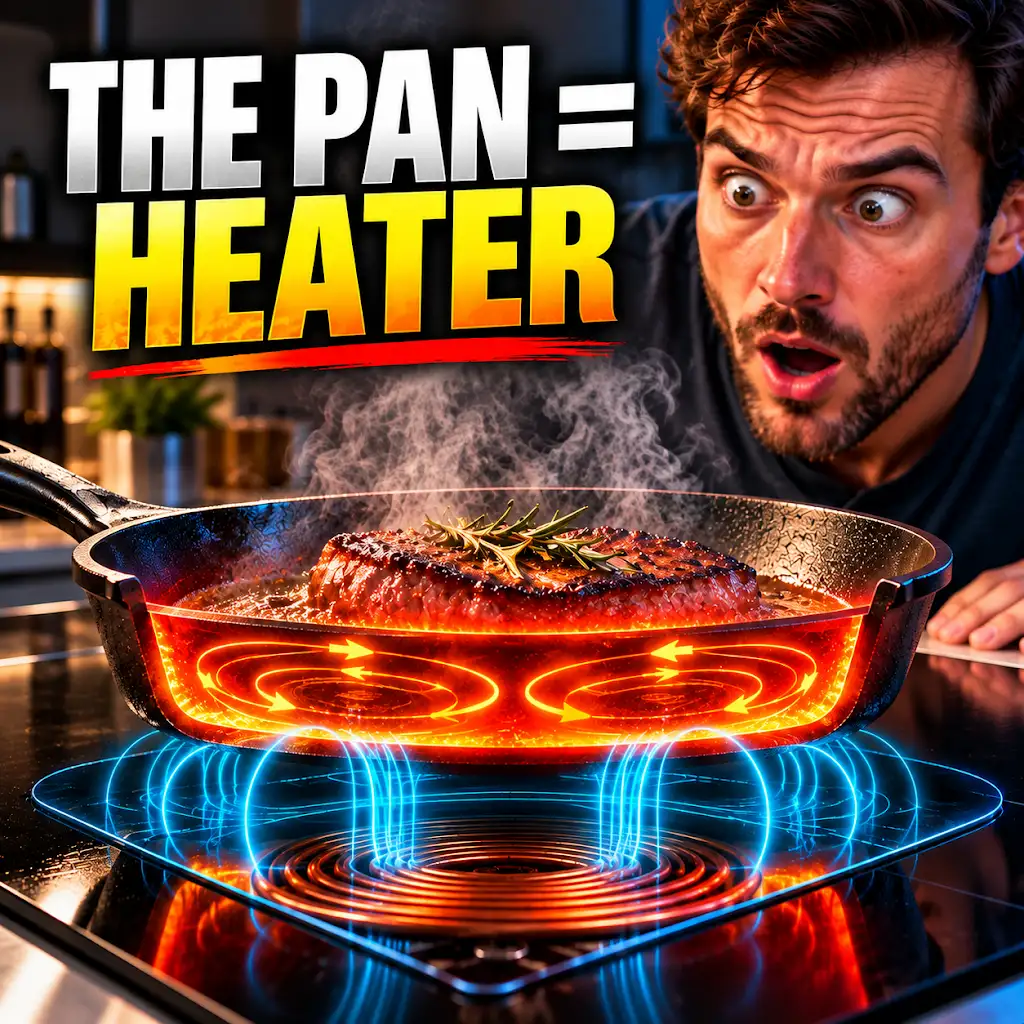
The Pan Is the Heater: How Induction Cooking Really Works
FAQs

What is induction cooking?
Induction cooking is a method of cooking that uses electromagnetic energy to heat cookware directly, without the need for a traditional heating element like a gas flame or electric coil.
How does energy transfer work in induction cooking?
In induction cooking, an alternating current passes through a coil beneath the cooktop, creating a magnetic field. When a compatible ferrous metal cookware is placed on the cooktop, the magnetic field induces electrical currents in the cookware, generating heat.
Is induction cooking energy-efficient?
Yes, induction cooking is considered highly energy-efficient because it heats the cookware directly and does not waste energy heating the air around the cookware. It is estimated to be 90% efficient compared to traditional gas or electric cooking methods.
What are the advantages of induction cooking in terms of energy transfer?
Some advantages of induction cooking in terms of energy transfer include faster heating times, precise temperature control, and the ability to quickly adjust heat levels. Additionally, induction cooking reduces heat loss and is safer as the cooktop remains cool to the touch.
Are there any limitations to energy transfer in induction cooking?
One limitation of induction cooking is that it requires the use of ferrous metal cookware that is magnetic. Non-magnetic cookware, such as aluminum or copper, will not work on an induction cooktop as they do not interact with the magnetic field to generate heat.