You’re standing in your kitchen, the hum of modern convenience beckoning. Perhaps you’re new to the world of induction, or maybe you’ve had yours for a while and are looking to unlock its full potential. Whatever your situation, you’ve come to the right place. Induction cooking isn’t just a trend; it’s a revolution in your kitchen, offering speed, precision, and energy efficiency that traditional stovetops can only dream of. This guide is your roadmap to becoming an induction pro, transforming your cooking experience from ordinary to extraordinary.
Before you can master induction, you need to understand what makes it tick. It’s not magic, but it sure feels like it when you see water boil in seconds. The fundamental principle lies in electromagnetism, a fascinating dance of invisible forces that directly heats your cookware, not the stovetop itself.
The Science Behind the Speed
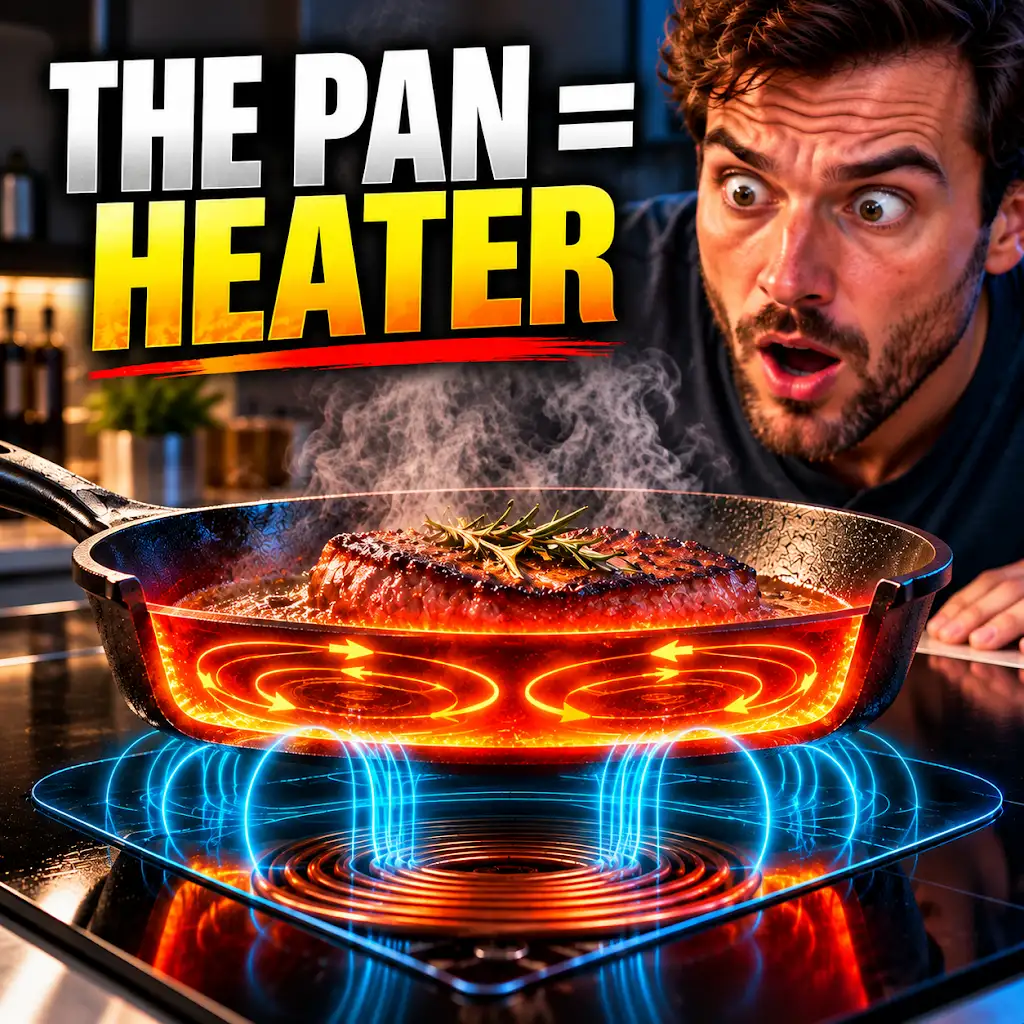
Your induction cooktop doesn’t generate heat through a heating element that glows red-hot or coils that radiate warmth. Instead, it has a coil of copper wire beneath the ceramic glass surface. When you turn on an induction burner and place compatible cookware on it, an alternating electric current flows through this copper coil. This current creates a rapidly oscillating magnetic field.
How Magnetic Fields Become Heat
This magnetic field is the key. For induction to work, your cookware must be magnetic. Think of pots and pans made of cast iron, magnetic stainless steel, or enamel-coated cast iron. When these magnetic pans are placed on the induction burner, the oscillating magnetic field induces eddy currents within the base of the cookware. These eddy currents, encountering resistance as they flow through the metal, generate heat. It’s this direct transfer of energy to the pan’s base that makes induction so incredibly fast and efficient. The cooktop surface itself only gets warm from the residual heat of the pan, meaning less wasted energy and a safer cooking environment.
Why Cookware Choice Matters
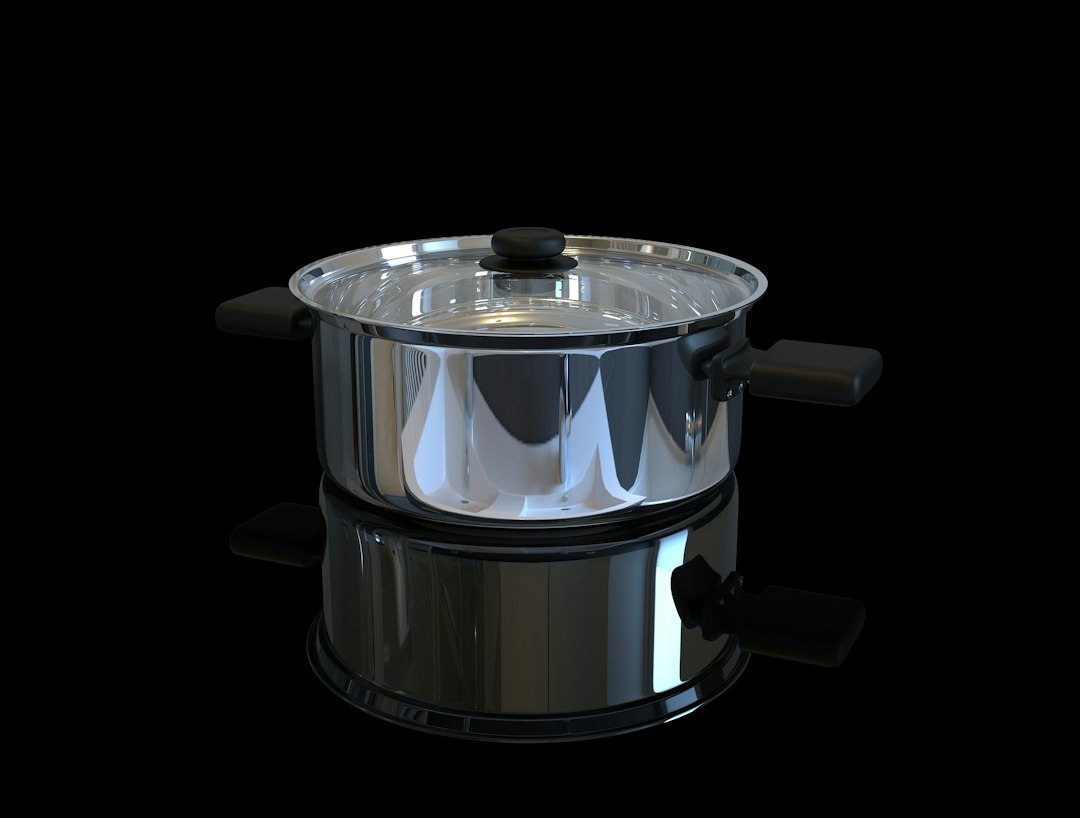
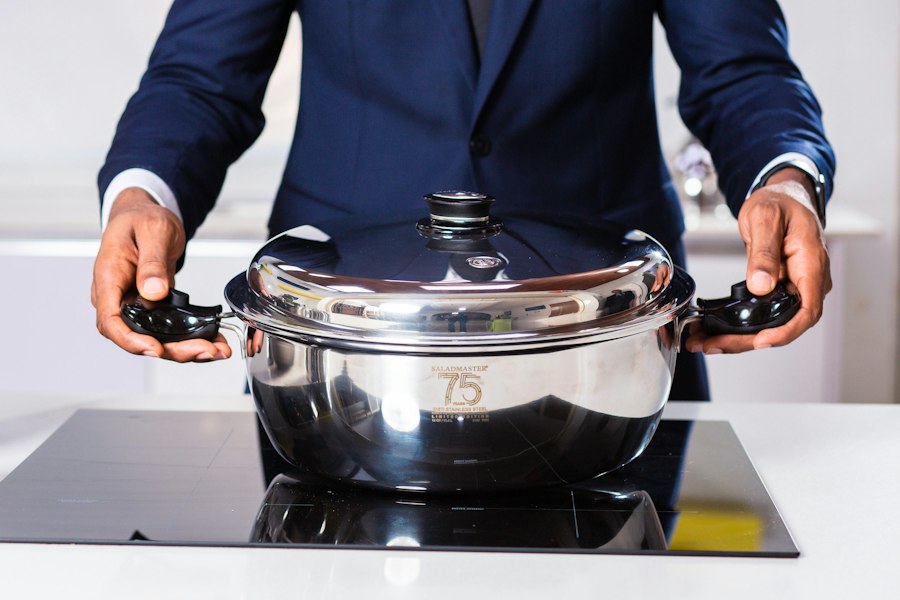
This direct interaction with the cookware is precisely why the type of pots and pans you use is crucial. If your cookware isn’t magnetic, the magnetic field won’t be able to induce those eddy currents, and no heat will be generated. A simple test: if a magnet sticks to the bottom of your pan, it’s likely induction-compatible. Avoid aluminum, copper (unless it has a magnetic base), glass, or ceramic cookware unless specifically stated as induction-ready. Investing in a few good quality induction-compatible pieces can dramatically elevate your induction cooking experience.
Induction stoves have gained popularity for their efficiency and safety features, making them a preferred choice for modern kitchens. For those interested in learning more about the technology behind induction cooking, a related article can be found at Freaky Science, which delves into the science of how induction stoves work and their advantages over traditional cooking methods. This resource provides valuable insights for anyone looking to upgrade their cooking appliances or simply understand the mechanics of induction heating.
Mastering Speed and Responsiveness
One of the most striking differences you’ll notice with an induction stove is its incredible speed and immediate responsiveness. Gone are the days of waiting for a coil to heat up or a gas flame to adjust. Induction puts the power of precise temperature control directly at your fingertips, allowing for a more dynamic and efficient cooking process.
Boiling Water in Record Time
This is often the first revelation for new induction users. The sheer speed at which water boils is astounding. On a gas stove, you’re losing a significant amount of heat to the surrounding air. With induction, almost all the energy is directed into the water. You’ll find yourself amazed at how quickly you can get pasta water ready, brew tea, or start a soup. This saved time adds up, making weeknight meals feel less rushed and more enjoyable.
The Advantage of Instant Temperature Changes
Beyond boiling, the responsiveness of induction is a game-changer for precise cooking techniques. Imagine searing a steak and then immediately dropping the heat to a gentle simmer. With induction, you can do this instantly. There’s no lingering heat to contend with. This allows for finer control when sautéing delicate vegetables, preventing them from overcooking, or when making a sauce that needs to be kept at a precise temperature without scorching. You can adjust the heat up or down in increments, and the pan responds immediately, giving you a level of control that feels almost intuitive.
Searing Like a Pro, Simmering with Ease
The ability to go from high heat to low heat, and back again, instantly, is a culinary superpower. For searing, you can crank the heat up to achieve that perfect, flavorful crust on meats and vegetables. Then, with a quick dial turn, you can lower the temperature to gently cook the interior without burning the outside. Conversely, for delicate sauces or slow-cooked dishes, you can maintain a perfectly stable, low simmer that prevents sticking and scorching, ensuring consistent results every time. This seamless transition between cooking modes is what truly sets induction apart.
Energy Efficiency: Cooking Smarter, Not Harder
Induction isn’t just about speed; it’s also about intelligence. Its inherent design makes it one of the most energy-efficient cooking methods available, saving you money on your utility bills and contributing to a more sustainable kitchen.
Minimizing Heat Loss
Traditional stovetops are inherently wasteful. Gas stoves lose a significant amount of heat to the surrounding air, and electric coil or radiant stovetops heat the surface, which then heats the pan, leading to further energy loss. Induction, on the other hand, heats the cookware directly. The energy from the magnetic field is almost entirely absorbed by the pan. The surrounding air and the stovetop itself remain relatively cool, meaning far less energy is wasted. This efficiency translates directly into lower energy consumption.
The Impact on Your Electricity Bill
This improved energy transfer means your induction cooktop uses less electricity to achieve the same cooking results as other electric stovetops. Over time, this can lead to a noticeable reduction in your electricity bills. While the initial investment in an induction cooktop might be higher, the long-term savings on energy, coupled with its durability and performance, make it a sound financial choice.
Environmental Benefits of Induction
Beyond personal savings, the energy efficiency of induction cooking also has broader environmental implications. By using less electricity, you’re contributing to a reduced demand for power generation, which often relies on fossil fuels. This smaller carbon footprint is a win for both your wallet and the planet. Choosing induction is a step towards a more sustainable lifestyle, even within the confines of your own kitchen.
Safety Features You Can Count On
Safety is paramount in any kitchen, and induction cooktops excel in this regard, offering a host of features designed to protect you and your family. The inherent nature of induction cooking makes it significantly safer than its predecessors.
The Cool-to-Touch Surface
One of the most significant safety advantages is the relatively cool surface of the induction cooktop. Since the heat is generated directly within the cookware, the ceramic glass surface itself does not get as hot as a traditional electric stovetop. While it will warm up slightly from the residual heat of the pan, it significantly reduces the risk of accidental burns, especially for households with children or pets. You can often touch the surface near the cooking zone without immediate discomfort, a stark contrast to the searing heat of a hot coil or gas burner.
Automatic Shut-Off and Pan Detection
Induction cooktops are equipped with intelligent features like automatic shut-off and pan detection. If you accidentally turn on a burner without a pot or pan on it, or if you remove the cookware mid-cook, the induction element will automatically detect this and shut off the magnetic field, ceasing the heating process. This prevents unnecessary energy consumption and, more importantly, eliminates the risk of leaving a burner on accidentally and potentially causing a fire hazard. You don’t have to worry about that nagging thought, “Did I turn off the stove?”
Boil-Dry Protection and Overflow Detection
Many modern induction cooktops also feature boil-dry protection. If your pot runs out of liquid while cooking, the cooktop can detect the excessive temperature and automatically shut off to prevent damage to the cookware and eliminate the risk of fire. Similarly, some models have overflow detection, which will pause cooking if liquid spills over the edge, preventing mess and potential electrical issues. These advanced safety mechanisms provide peace of mind and contribute to a safer cooking environment.
Induction stoves have gained popularity due to their efficiency and safety features, making them a smart choice for modern kitchens. If you’re interested in learning more about how these innovative cooking appliances work, you can explore a related article that delves into the science behind induction cooking. This article provides insights into the technology that powers these stoves and explains why they are becoming a preferred option for many home cooks. To read more, check out this informative piece on Freaky Science.
Enhancing Your Culinary Skills with Induction
| Component | Description | Function | Typical Value/Specification |
|---|---|---|---|
| Induction Coil | Copper wire coil beneath the cooking surface | Generates alternating magnetic field to induce current in cookware | 10-20 turns, copper wire gauge 18-22 AWG |
| Power Supply | Electronic circuit converting AC mains to high-frequency AC | Supplies power to induction coil at high frequency | 120V/220V input, 20-50 kHz output frequency |
| Control Board | Microcontroller and associated electronics | Manages power output, temperature, and safety features | Microcontroller with PWM control, temperature sensors |
| Glass-Ceramic Cooktop | Heat-resistant smooth surface | Provides cooking surface and protects internal components | Tempered glass-ceramic, thickness ~4-6 mm |
| Temperature Sensor | Thermistor or infrared sensor | Monitors cooktop or cookware temperature | NTC thermistor, range -40°C to 150°C |
| Cooling Fan | Small electric fan inside the unit | Prevents overheating of electronic components | 12V DC, airflow ~10-20 CFM |
| Power Output | Energy delivered to cookware | Heats cookware via induced eddy currents | 500W to 3000W depending on model |
| Operating Frequency | Frequency of alternating current in coil | Determines efficiency and heating speed | 20 kHz to 50 kHz typical |
Induction cooking isn’t just about making your life easier; it’s about unlocking new levels of culinary creativity and precision. The control and responsiveness it offers can elevate your cooking from good to exceptional.
Precision for Delicate Dishes
Think about making a béchamel sauce, tempering chocolate, or gently cooking custards. These tasks require incredibly precise temperature control to prevent curdling, seizing, or scorching. With induction, you can achieve this with ease. The ability to make minute adjustments to the heat level, and see the immediate effect, allows you to nail these delicate preparations every time. You can hold a sauce at a perfect simmer, never letting it break or burn.
The Art of Perfect Searing and Caramelization
Achieving a beautiful sear on a steak or perfectly caramelizing onions requires high heat and consistent temperature. Induction delivers this. You can blast your steak with intense heat to create a magnificent crust, and then, with a simple adjustment, lower the heat to cook it to your desired doneness without overcooking the exterior. Similarly, caramelizing onions can be done efficiently, developing deep, rich flavors without the risk of burning.
Experimenting with New Techniques
The responsiveness of induction encourages experimentation. You might find yourself more willing to try recipes that require quick changes in temperature, such as deglazing a pan or making quick pan sauces. The predictability and control offered by induction build confidence, empowering you to tackle more complex and nuanced dishes. You’ll discover that mastering these techniques is more accessible than you ever imagined.
Cleaning and Maintenance Made Simple
One often-overlooked benefit of induction is the ease of cleaning. Because the surface doesn’t get as hot as other stovetops, spills and splatters are less likely to bake on and become difficult to remove. Most messes can be wiped away with a damp cloth. The smooth, flat ceramic glass surface is also easy to wipe down, and since there are no grates or open flames to navigate, cleaning becomes a quick and effortless task. This means less time spent scrubbing and more time enjoying your culinary creations.
As you continue to explore the capabilities of your induction stove, you’ll discover new ways to integrate its efficiency and precision into your daily cooking. From quick weeknight meals to ambitious weekend projects, induction is a powerful ally in your kitchen. So, embrace the speed, savor the control, and enjoy the journey of becoming an induction cooking master.
The Pan Is the Heater: How Induction Cooking Really Works
FAQs
What is an induction stove?
An induction stove is a type of cooktop that uses electromagnetic energy to heat pots and pans directly, rather than using a traditional gas flame or electric heating element.
How does an induction stove work?
Induction stoves work by creating a magnetic field that induces a current in the cookware, which in turn generates heat. This heat is then transferred to the food inside the cookware.
What are the advantages of using an induction stove?
Some advantages of using an induction stove include faster heating times, more precise temperature control, energy efficiency, and a cooler cooking surface compared to traditional stoves.
Are there any limitations to using an induction stove?
One limitation of using an induction stove is that it requires cookware that is magnetic in order to work properly. Additionally, induction stoves may be more expensive upfront compared to traditional stoves.
How do you clean and maintain an induction stove?
To clean and maintain an induction stove, it is important to wipe down the surface regularly with a damp cloth and mild detergent. Avoid using abrasive cleaners or scrubbers, as they can damage the glass surface. It is also recommended to clean up spills immediately to prevent them from hardening and becoming difficult to remove.