The Silent Struggle: E Ink’s Enduring Charm Versus OLED’s Dazzling Dominance
The digital age has presented a constant evolution in how we consume information, and at the heart of this experience lies the display technology. For decades, the glowing rectangles of LCD and the vibrant canvases of OLED have dominated our screens, offering ever-increasing brightness, color accuracy, and refresh rates. However, a quiet contender has persisted, particularly in the realm of reading: E Ink. This article delves into the fundamental differences between E Ink and OLED display technologies, examining their strengths and weaknesses, and ultimately seeking to answer the perennial question: which is truly best for reading and for our diverse range of modern devices?
For those interested in a deeper understanding of the differences between E Ink and OLED technologies, you can explore a related article that delves into their respective advantages and disadvantages. This comparison highlights factors such as power consumption, display quality, and suitability for various applications. To read more, visit Freaky Science.
Unpacking the Core Technologies: How They Differ Fundamentally
To understand the superiority or inferiority of either technology for specific use cases, it is crucial to first grasp their underlying mechanisms. This foundational knowledge will illuminate why E Ink excels in certain environments and why OLED reigns supreme in others, shaping user experience in profound ways.
E Ink: The Paper-Like Illusion
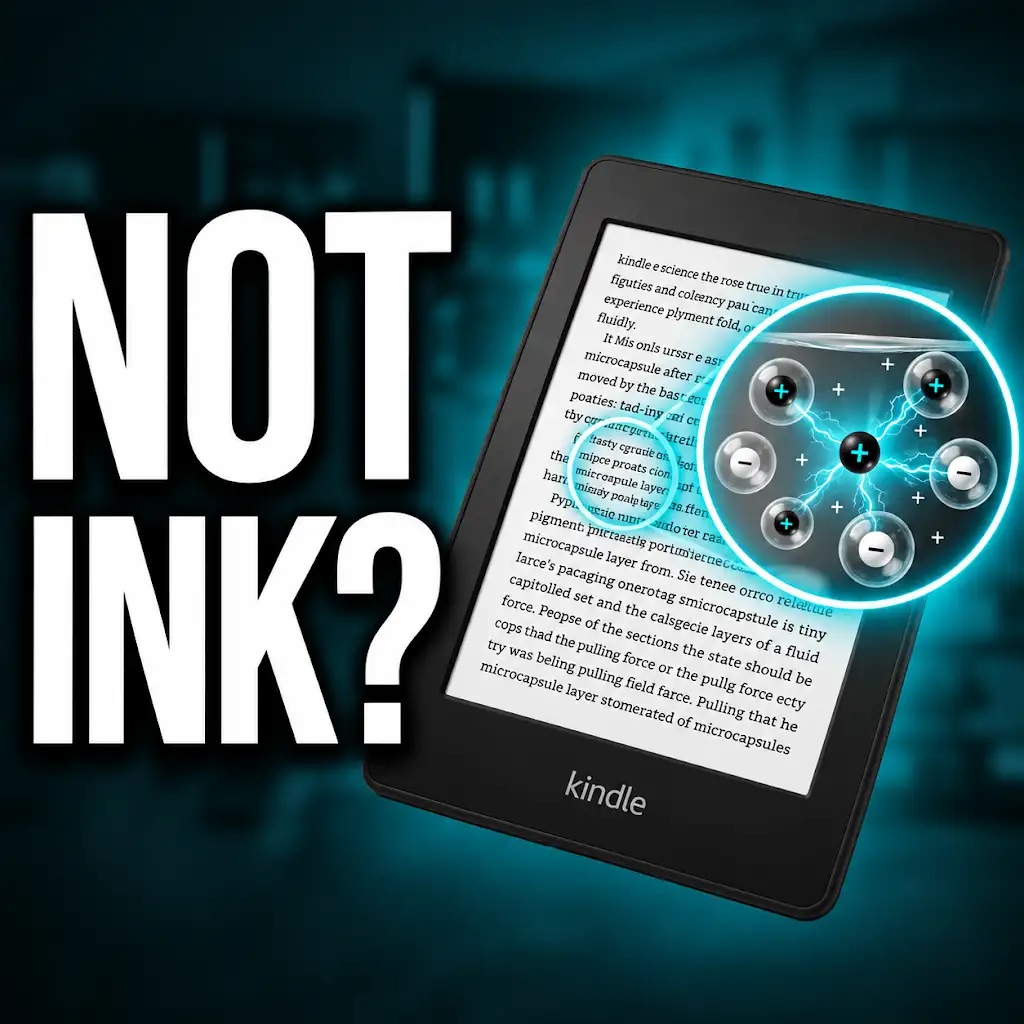
E Ink, often referred to as electronic ink, is a bistable display technology that mimics the appearance of ink on paper. Unlike emissive displays like OLED, E Ink is a reflective technology, meaning it relies on ambient light to be seen. Its core component is a microencapsulation system. Each microcapsule, roughly the diameter of a human hair, contains positively charged white particles and negatively charged black particles suspended in a clear fluid.
When an electric field is applied to the display, these charged particles are moved to the surface of the microcapsule. A positive charge at the bottom of the capsule and a negative charge at the top will attract the black particles to the surface, creating a black pixel. Conversely, a negative charge at the bottom and a positive charge at the top will draw the white particles to the surface, resulting in a white pixel. By controlling the arrangement of these black and white pixels, an image or text is formed.
The “bistable” nature of E Ink is a key differentiator. Once the particles are moved to form an image, they remain in place even after the power is removed. This means E Ink displays consume very little power to maintain a static image, leading to exceptional battery life. This characteristic is the primary reason behind the longevity of e-readers on a single charge. Furthermore, the reflective nature of E Ink means it is less prone to glare and eye strain, as it doesn’t emit its own light. This closely replicates the reading experience on traditional paper.
However, this reflective nature also implies a dependency on external light. In low-light conditions, E Ink displays can become difficult to read without an external light source, such as a built-in front light found on most modern e-readers. The refresh rate of E Ink is also significantly slower than that of OLED. While advancements have been made, it still suffers from ghosting and a noticeable “flash” when the screen refreshes, making it unsuitable for fast-paced video or gaming. Color E Ink exists, but it is typically muted and has a lower resolution and contrast compared to its monochrome counterparts, and is still significantly behind OLED in vibrancy and speed.
OLED: The Self-Emissive Spectacle
OLED (Organic Light-Emitting Diode) technology represents a paradigm shift in display engineering. Unlike LCD, which requires a backlight to illuminate pixels, or E Ink, which reflects ambient light, each pixel in an OLED display generates its own light. This is achieved through organic compounds that emit light when an electric current is passed through them.
The fundamental building blocks of an OLED display are organic molecules layered between two conductors. When a voltage is applied, electrons from the cathode combine with holes from the anode within the organic layers, releasing energy in the form of light. Different organic materials can be used to produce different colors. For full-color displays, OLEDs typically employ a Red, Green, and Blue (RGB) subpixel arrangement for each pixel.
The self-emissive nature of OLED offers several significant advantages. Firstly, it allows for true blacks. When a pixel needs to be black, it is simply turned off, consuming zero power and producing an infinite contrast ratio. This results in incredibly vibrant colors, deep blacks, and a dynamic range that is unmatched by other display technologies. Secondly, OLEDs have exceptionally fast refresh rates. Because each pixel can be individually controlled and switched on/off almost instantaneously, OLED displays are perfect for smooth motion, high frame rate gaming, and vibrant video playback. They also offer wider viewing angles, meaning the image quality remains consistent even when viewed from off-center.
Power consumption in OLEDs is proportional to the brightness of the pixels. Brighter pixels consume more power, while black pixels consume none. This means that while OLEDs can be very power-efficient when displaying dark content, they can be more power-hungry than E Ink when displaying bright, full-screen images. Another consideration is the potential for “burn-in,” where static images displayed for extended periods can leave a permanent ghost image on the screen. While manufacturers have implemented various mitigation techniques, it remains a potential long-term concern for devices that frequently display static elements.
Reading Experience: E Ink’s Unrivaled Comfort for the Eyes
The primary battleground for E Ink and OLED, at least in the minds of many consumers, is the reading experience. For prolonged periods of text consumption, the subtle yet significant differences in display technology translate into vastly different levels of comfort and usability.
Comfort and Eye Strain: The Paper vs. Glow Debate
The most lauded advantage of E Ink for reading is its inherent comfort. Because it is a reflective display, it mimics the way we read on physical paper. There is no backlight to stare into, which significantly reduces the harshness and potential for eye strain associated with emissive displays. Studies and anecdotal evidence consistently point to E Ink as being gentler on the eyes, especially during extended reading sessions. This makes it the preferred choice for dedicated e-readers and those who spend hours immersed in books, articles, or documents. The matte finish of most E Ink screens also helps to diffuse ambient light, further minimizing glare.
OLED displays, while stunning for their visual fidelity, can be a different story for dedicated readers. The emitted light, even at lower brightness settings, can contribute to eye fatigue over time. While modern OLED screens offer features like blue light filters and adaptive brightness, they are still fundamentally emitting light directly into the user’s eyes. The glossy finish common on many OLED devices can also exacerbate glare issues, particularly when reading under bright lights. For individuals sensitive to screen light or those who prioritize long-term reading comfort above all else, E Ink presents a compelling, often superior, option.
Text Clarity and Readability: Crispness and Contrast
E Ink excels at rendering sharp, clear text. The pixel structure, combined with the bistable nature of the display, allows for remarkably crisp character edges that closely resemble printed ink. This clarity is crucial for readability, especially for smaller font sizes or when reading complex documents. The contrast ratio, while not infinite like OLED’s true blacks, is generally sufficient for excellent text legibility in well-lit environments.
OLED, on the other hand, offers superb contrast and color depth, which can make text appear incredibly vibrant. However, the way OLED pixels are illuminated can sometimes lead to a subtle “glow” around characters, especially in high-contrast text. While this glow is often imperceptible in casual viewing, for some dedicated readers, it can introduce a slight reduction in sharpness compared to the absolute crispness of E Ink. The ability of OLED to display true blacks can also make the white of the page appear exceptionally bright, which, while aesthetically pleasing for media, can sometimes be too intense for prolonged text reading, even with brightness adjusted. For pure, unadulterated text readability, E Ink often maintains a slight edge in its simulation of printed matter.
Battery Life: The Marathon Runner vs. the Sprint
One of the most significant practical advantages of E Ink for reading devices is its astonishing battery life. As mentioned, E Ink displays consume power only when the screen content changes. This means that once a page of text is displayed, the device can maintain that image for days, weeks, or even months on a single charge, depending on usage. This makes e-readers powered by E Ink incredibly convenient for travel, extended periods away from power outlets, and for users who simply don’t want to worry about constant recharging. A single charge can power an e-reader for an entire vacation.
OLED displays, due to their emissive nature, are inherently more power-hungry, especially when displaying bright content or high refresh rates. While modern smartphones and tablets with OLED screens have become increasingly power-efficient, their battery life is still measured in hours or at best a couple of days of moderate use. For a device whose primary function is reading, the battery life offered by OLED simply cannot compete with the longevity of E Ink. This difference is so pronounced that it often dictates the choice of device for avid readers. If the freedom from the charging cable is a priority, E Ink is the clear winner.
Device Applications: Where Each Technology Shines
While reading is a dominant use case, the capabilities and limitations of E Ink and OLED lend themselves to different applications across a spectrum of modern electronic devices. The decision of which technology to employ is heavily influenced by the intended purpose of the device.
E-Readers and Dedicated Reading Devices: E Ink’s Kingdom
It is in the realm of dedicated e-readers that E Ink truly reigns supreme. Devices like Amazon Kindle, Kobo e-readers, and PocketBooks are almost exclusively built around E Ink technology for good reason. The combination of eye comfort, paper-like readability, and unparalleled battery life makes them ideal for consuming books, magazines, and long-form articles. The lack of backlighting eliminates the distractions of a glowing screen, allowing users to immerse themselves in content without the same cognitive load often associated with traditional screens. The ruggedness and simplicity of E Ink displays also contribute to the generally lower cost of e-readers compared to tablets with similar screen sizes. Furthermore, the reflective nature means they are perfectly legible even in direct sunlight, a stark contrast to most OLED devices that become difficult to see outdoors.
Smartphones and Tablets: OLED’s Vibrant Dominance
For the vast majority of consumer electronics that demand vibrant visuals, rapid interactivity, and versatile functionality, OLED is the undisputed champion. Smartphones and tablets, which are used for a wide array of tasks including browsing the web, watching videos, playing games, and taking photos, benefit immensely from the superior color reproduction, deep blacks, and fast refresh rates of OLED displays. The immersive experience of watching high-definition movies or playing graphically intensive games on an OLED screen is simply not replicable with E Ink.
The ability of OLED to produce true blacks also enhances the overall visual appeal of user interfaces, making icons pop and content appear more dynamic. While battery life is a consideration, the power management of modern OLED devices, coupled with larger battery capacities, has made them more than adequate for daily use. The versatility of smartphones and tablets as multi-purpose devices necessitates a display technology that can handle a wide spectrum of visual demands, and in this regard, OLED is the clear and present leader.
Wearable Technology and Smartwatches: A Tale of Two Strengths
The application of display technology in wearables, particularly smartwatches, presents a more nuanced comparison between E Ink and OLED, with each technology offering distinct advantages.
Smartwatches with E Ink Displays: Efficiency and Visibility
Some smartwatches leverage E Ink technology, often in conjunction with a transflective layer and a small front light. These devices prioritize extreme battery life and excellent readability in direct sunlight. They are perfect for users who want a watch that lasts for weeks on a single charge and displays information clearly outdoors, like traditional watch faces or basic notifications. The simplicity of E Ink also lends itself to a more minimalist and focused user experience, ideal for quick glances at the time, steps, or calendar events without the distraction of a full-color, high-refresh-rate display. Examples include some models from Pebble (though now defunct) and certain Garmin devices that feature a primary E Ink display.
Smartwatches with OLED Displays: Aesthetics and Interactivity
Conversely, many modern smartwatches have embraced OLED technology, prioritizing vibrant colors, smooth animations, and a richer interactive experience. These watches can display intricate watch faces with animated elements, vivid app interfaces, and full-color notifications. The ability to show deep blacks makes the screens look more premium and less intrusive when not actively in use, mimicking the appearance of traditional watch bezels. While battery life is generally shorter than their E Ink counterparts, often requiring daily charging, the visual fidelity and interactive capabilities of OLED smartwatches offer a more engaging and feature-rich experience for users who want their wearable to be a dynamic extension of their smartphone.
When exploring the differences between E Ink and OLED displays, it’s interesting to consider how each technology impacts user experience and device functionality. For a deeper understanding of this topic, you might want to check out a related article that delves into the advantages and disadvantages of both display types. This comparison can help you make an informed decision based on your specific needs. You can read more about it in this insightful piece here.
The Future Landscape: Innovations and Hybrid Approaches
| Feature | E Ink | OLED |
|---|---|---|
| Display Type | Electrophoretic (electronic paper) | Organic Light Emitting Diode |
| Power Consumption | Very low (only uses power when changing image) | Moderate to high (power used continuously to light pixels) |
| Color Capability | Mostly grayscale, limited color options | Full color with high saturation |
| Brightness | Reflective, requires external light source | Self-emissive, can be very bright |
| Viewing Angle | Wide viewing angle with minimal distortion | Wide viewing angle with vibrant colors |
| Refresh Rate | Slow (typically 1-2 seconds) | Fast (milliseconds) |
| Use Case | E-readers, low-power displays, signage | Smartphones, TVs, wearables, tablets |
| Durability | Generally robust, less prone to burn-in | Can suffer from burn-in and degradation over time |
| Contrast Ratio | High contrast in good lighting | Very high contrast with deep blacks |
| Thickness | Typically thicker due to front light layers | Very thin and flexible |
The technological race is never truly over, and both E Ink and OLED are subject to continuous innovation. As manufacturers push the boundaries of what is possible, the lines between these technologies may blur, leading to new and exciting applications.
E Ink’s Evolving Capabilities: Color, Speed, and Beyond
E Ink is far from a stagnant technology. Manufacturers are actively working on improving its performance, particularly in areas where it traditionally lags. Color E Ink, while still not as vibrant as OLED, has seen significant improvements in saturation and refresh rates. Companies like E Ink Corporation are developing new generations of color displays with enhanced performance, potentially making them more viable for devices beyond dedicated e-readers, such as secondary displays on smartphones or even simple dashboards.
Furthermore, research is ongoing to increase the refresh rates of E Ink displays, reducing the noticeable flashing and ghosting. This could open up possibilities for more dynamic E Ink applications, perhaps for simple scrolling lists or subtle animations. The underlying advantage of E Ink – its low power consumption and eye comfort – remains a powerful draw, and as its performance improves, its market share in specific niches is likely to grow.
OLED’s Advancements: Efficiency, Durability, and New Forms
OLED technology is also not standing still. Significant efforts are being made to improve its power efficiency, particularly for mobile devices where battery life is paramount. New material compositions and display architectures are being explored to reduce the power consumed by brighter pixels. The issue of burn-in is also being addressed through software algorithms and improved material longevity.
The flexibility and thinness of OLED panels have paved the way for foldable and rollable displays, which are already appearing in high-end smartphones. This ability to transform form factor opens up entirely new possibilities for user interaction and device design. As OLED technology becomes more mature and cost-effective, its adoption is likely to continue expanding into new product categories, potentially even challenging E Ink in areas where its advantages are less pronounced.
The Rise of Hybrid Devices: The Best of Both Worlds?
Perhaps the most intriguing future development lies in the potential for hybrid devices that combine the strengths of both E Ink and OLED. Imagine a smartphone with a primary, vibrant OLED display for general use and a secondary, E Ink screen on the back for reading or displaying static information like notifications and a clock, dramatically extending battery life. Samsung has experimented with this concept in the past with their Note series, featuring a small E Ink cover display.
Such hybrid approaches could offer a truly compelling balance of visual richness and power efficiency, catering to a wider range of user needs and preferences. This would allow users to enjoy the immersive experience of OLED when they want it, and the comfortable, long-lasting reading experience of E Ink when they need it, all within a single device. The challenge lies in seamlessly integrating these two distinct technologies and managing the power and software interfaces effectively.
Conclusion: Choosing the Right Tool for the Task
Ultimately, the question of “which display tech is best” is not about a universal victor, but about selecting the right tool for a specific purpose. Both E Ink and OLED are remarkable technologies, each with its own set of inherent strengths and limitations that dictate their ideal applications.
E Ink remains the undisputed champion for dedicated reading. Its paper-like appearance, unparalleled eye comfort, and exceptional battery life make it the most enjoyable and practical choice for consuming long-form content. For anyone who prioritizes a fatigue-free reading experience and the freedom from constant charging, an E Ink device is the clear winner. It excels in e-readers, simple smartwatches focused on longevity and outdoor visibility, and any application where static information display and minimal power consumption are paramount.
OLED, on the other hand, is the powerhouse for dynamic, visually rich experiences. Its vibrant colors, true blacks, infinite contrast, and rapid refresh rates make it indispensable for smartphones, tablets, high-end smartwatches, and any device where immersive media consumption, gaming, and interactive user interfaces are key. It offers a stunning visual feast that is unmatched by any other current display technology for these purposes.
As technology continues to evolve, we may see an increasing convergence of capabilities. E Ink will likely become faster and more colorful, while OLED will become more efficient and potentially more durable. The rise of hybrid devices, combining the best of both worlds, represents a particularly exciting prospect for the future. For now, understanding the fundamental differences between E Ink and OLED empowers consumers to make informed decisions, choosing the display technology that best aligns with their individual needs and the intended use of their devices. The silent struggle between these two display titans is less a competition and more a testament to the diverse and ever-expanding landscape of digital interaction.
Why Your Kindle Screen Doesn’t Work the Way You Think
FAQs
What is e ink technology?
E Ink is a type of electronic paper display technology that mimics the appearance of ink on paper. It is commonly used in e-readers and electronic shelf labels due to its low power consumption and high readability in various lighting conditions.
What is OLED technology?
OLED (Organic Light-Emitting Diode) is a display technology that uses organic compounds to emit light when an electric current is applied. OLED displays are known for their vibrant colors, high contrast ratios, and fast response times, making them popular in smartphones, TVs, and other electronic devices.
How do e ink and OLED displays differ in terms of power consumption?
E Ink displays are known for their ultra-low power consumption, as they only require power when the content on the screen is changing. In contrast, OLED displays consume more power, especially when displaying bright colors or videos, as each pixel emits its own light.
Which type of display is better for reading in bright sunlight?
E Ink displays are generally preferred for reading in bright sunlight due to their reflective nature, which makes them easy to read even in direct sunlight. OLED displays, on the other hand, may suffer from glare and reduced visibility in bright outdoor conditions.
What are the main advantages of OLED displays over e ink displays?
OLED displays offer advantages such as vibrant colors, high contrast ratios, faster response times, and the ability to display video content. These features make OLED displays more suitable for applications where color accuracy and dynamic content are important, such as smartphones and TVs.