The gentle, paper-like appearance of an E Ink screen has long been a hallmark of the e-reader, offering a comfortable and glare-free reading experience that sets it apart from the luminous displays of tablets and smartphones. This unique technology, which mimics the appearance of ink on paper by using tiny black and white particles, has also fostered an image of ruggedness and longevity. Consumers often associate E Ink with a device that is built to last, a faithful companion for years of literary adventures. But how much of this perception is rooted in reality? How long do E Ink screens truly endure, and what factors influence their lifespan? Understanding the durability of these screens requires a nuanced look at the technology itself, its typical usage patterns, and the environmental and physical stresses it might encounter.
The Science Behind E Ink’s Resilience
E Ink, also known as electrophoretic ink, is a fascinating display technology that operates differently from traditional LCD or OLED screens. Instead of emitting light, it reflects ambient light, much like a printed page. This fundamental difference has significant implications for its durability and longevity. The core of an E Ink display consists of millions of microcapsules, each smaller than a human hair. Within these microcapsules are positively charged white particles and negatively charged black particles suspended in a clear fluid. An electric field is applied to specific areas of the screen, causing either the white or black particles to rise to the surface, creating the text or images we see.
Microcapsule Integrity: The Foundation of Durability
The microcapsules themselves are the primary structural components of the E Ink screen. Their design and manufacturing are crucial to the overall resilience of the display. These capsules are typically made of a flexible polymer that can withstand repeated manipulation of the charged particles within. The integrity of these microcapsules is paramount. If a microcapsule were to rupture, the particles inside would mix and potentially lead to permanent dead spots or distorted images on the screen. The manufacturing process for E Ink displays involves precise encapsulation and careful handling to minimize the risk of such damage. The sheer number of these microcapsules across the screen means that minor imperfections in a few might not be immediately noticeable, but widespread degradation would certainly impact the reading experience.
The Role of the Substrate: Flexibility and Resistance
Beneath the microcapsule layer lies a substrate, which provides structural support and houses the electronic circuitry that controls the movement of the charged particles. Historically, glass was a common substrate. While glass offers good rigidity and scratch resistance, it is also brittle and prone to shattering under impact. Modern E Ink displays, particularly those found in higher-end e-readers, increasingly utilize flexible plastic substrates. This shift has significantly improved the impact resistance of the screens. A flexible substrate can bend and absorb shock, making the device less susceptible to damage from drops or pressure. This material choice plays a vital role in the device’s ability to withstand everyday wear and tear.
Electro-Optical Switching: The Engine of Display Change
The electro-optical switching process, which involves applying electrical charges to move the particles, is another aspect that contributes to E Ink’s durability. Unlike LCDs, which rely on liquid crystals that can degrade over time with constant exposure to light or heat, the physical movement of charged particles in E Ink is a more robust process. The wear and tear associated with this switching are minimal. The particles themselves are designed for longevity, and the electrical impulses are brief and precise. This is in contrast to technologies that might experience pixel burnout or degradation from prolonged use of specific pixels, a phenomenon less common in E Ink displays. The slow refresh rate inherent to E Ink also means that the screen is not constantly being activated, further contributing to the reduced stress on its components.
E-ink screens have gained popularity due to their paper-like readability and energy efficiency, but their durability is often a concern for consumers. For a deeper understanding of the factors affecting e-ink screen durability, you can refer to this insightful article that discusses various aspects of e-ink technology and its resilience: Freaky Science. This resource provides valuable information on how to care for your e-ink devices to prolong their lifespan.
Everyday Wear and Tear: The E-Reader’s Daily Gauntlet
E-readers are designed for portability and frequent use, meaning they are exposed to a constant stream of minor stresses and potential hazards. While the inherent resilience of E Ink technology is a strong starting point, the reality of daily usage can still impact a screen’s longevity. Understanding these common scenarios provides a clearer picture of what to expect from an e-reader over time.
Accidental Drops and Impacts: The Most Common Threat
The most significant threat to any electronic device, including an e-reader, is an accidental drop. While E Ink screens are generally more robust than their glass-covered counterparts, they are not indestructible. The impact from a fall, especially onto a hard surface, can still cause damage. This damage can range from minor cosmetic imperfections, such as hairline cracks that might not immediately affect functionality, to more severe internal damage that can lead to dead pixels, lines on the screen, or a complete failure of the display. The susceptibility to drop damage is heavily influenced by the build quality of the e-reader itself, including the frame surrounding the screen and the material of the casing. Devices with ruggedized designs and protective bezels tend to fare better in accidental drops.
Scratches and Surface Damage: The Everyday Nuisance
Beyond catastrophic drops, everyday handling can lead to surface damage. Keys in a bag, coins in a pocket, or even rough surfaces can cause scratches on the E Ink screen. While a deep scratch might be aesthetically displeasing and potentially interfere with reading in certain lighting conditions, minor scratches are usually superficial and do not affect the functionality of the display itself. The microcapsules are beneath the protective layer, so surface scratches are unlikely to compromise the E Ink technology directly. However, the cumulative effect of numerous small scratches can dull the screen’s appearance and make it less pleasant to look at over time. Many e-readers come with a protective coating, but this coating can itself wear down.
Pressure and Bending: The Unseen Stressors
E-readers are often shoved into bags, backpacks, or even stuffed between cushions. This can subject them to significant pressure or bending forces. While flexible E Ink screens are designed to withstand some degree of bending, excessive or prolonged pressure can still cause damage. This might manifest as temporary visual artifacts that disappear once the pressure is released, or in more severe cases, permanent damage to the microcapsules or the underlying circuitry. The flexibility of the substrate is a key factor here; rigid screens are far more prone to cracking under pressure. Users who regularly carry their e-readers in crowded spaces should consider a protective case to mitigate these risks.
Environmental Factors: Heat, Cold, and Moisture
While E Ink screens are less susceptible to screen burn-in from static images than some other display technologies, environmental factors can still play a role in their longevity. Extreme temperatures, both hot and cold, can affect the performance and potentially the lifespan of the electronic components and the E Ink material itself. Leaving an e-reader in a hot car, for instance, could lead to overheating and internal damage. Similarly, excessive cold can make the display sluggish and may even cause condensation if the device is brought into a warmer environment. Moisture is also a concern. While most modern e-readers have some level of splash resistance, prolonged exposure to water or high humidity can lead to internal corrosion and electronic failure.
Longevity Expectations: Real-World Lifespans of E-Readers
The theoretical durability of E Ink technology is one thing, but what is the practical, real-world lifespan of an e-reader? This is a question that depends heavily on user behavior, the quality of the device, and how one defines “end of life.” Most manufacturers do not offer explicit warranties on the screen’s durability beyond defects present at the time of purchase. However, anecdotal evidence and general industry understanding provide a reasonable range of expectations.
The Five-Year Mark: A Common Benchmark
For many users, an e-reader can comfortably last for five years or even longer with moderate and careful use. During this period, the E Ink screen is likely to remain functional and provide a satisfactory reading experience. Minor cosmetic wear might appear, such as light scratches, but the core functionality of displaying text should remain intact. This lifespan is often sufficient for a user to read hundreds, if not thousands, of books. The battery life will likely degrade over this period, becoming a more noticeable limitation than the screen itself. However, the screen’s ability to display content should persist.
Beyond Five Years: The Challenges of Extended Use
As e-readers approach and surpass the five-year mark, certain components may begin to show their age. While the E Ink screen itself is remarkably resilient, the battery is typically the first component to experience significant degradation. Its capacity will diminish, leading to shorter reading times between charges. The device’s processor and internal memory might also start to feel sluggish, especially if running newer firmware or more demanding applications. Screen-related issues at this stage are less likely to be due to inherent E Ink degradation and more likely to be a consequence of accumulated physical stress or the failure of related electronic components.
Defining “End of Life”: Functionality vs. Aesthetics
It’s important to consider what constitutes the “end of life” for an e-reader. For some, a single dead pixel might render the device unusable. For others, a screen full of scratches that don’t impede readability is perfectly acceptable. Typically, an e-reader is considered to have reached its end of life when the screen becomes too damaged to display text legibly, or when the underlying electronic components fail. This could mean significant screen artifacts, lines of dead pixels, or complete display failure. It is rare for an E Ink screen to simply “wear out” in the traditional sense, like a light bulb burning out. Failures are more often sudden and catastrophic or a result of cumulative damage.
The Role of Manufacturer Support and Software Updates
The longevity of an e-reader can also be indirectly influenced by the manufacturer’s commitment to software updates and customer support. Manufacturers that continue to provide firmware updates can improve performance and address bugs, effectively extending the usable life of the device. Similarly, the availability of replacement parts or repair services, though often limited for e-readers, can also contribute to a longer lifespan. However, the economic reality is that e-readers are often considered disposable electronics, and repairs can be more expensive than purchasing a new device.
Factors Influencing E Ink Screen Durability: A Deeper Dive
Beyond the general usage patterns, several specific factors can either enhance or detract from the actual lifespan of an E Ink screen. Understanding these nuances allows users to make informed decisions about device care and expectations.
Build Quality and Materials: The Manufacturer’s Responsibility
The quality of the materials used in an e-reader’s construction and the precision of its assembly play a critical role in screen durability. Devices with robust frames, durable casing materials, and well-integrated screens are inherently more resilient. A rigid bezel surrounding the screen, for instance, can provide significant protection against cracks from drops. Conversely, devices with thinner plastic casings or screens that sit flush with the device’s edge are more vulnerable. Manufacturers that invest in higher-quality components and rigorous testing are more likely to produce e-readers that withstand the test of time. The design choices, from the type of plastic used for the casing to the thickness of the protective screen layer, all contribute to its overall robustness.
Protective Measures: Cases, Screen Protectors, and Shelters
The most effective way to extend the life of an E Ink screen is through proactive protection. A good quality case can absorb shock from drops, prevent scratches, and reduce pressure on the screen when the device is in transit. Screen protectors, while less common for E Ink than for smartphones, can offer an additional layer of defense against scratches. However, it’s important to note that some screen protectors might slightly alter the tactile feel or reflectivity of the screen, which can be a trade-off for some readers. The most crucial aspect of protection is simply mindful handling and choosing appropriate storage for the device when not in use, such as a dedicated pouch or a secure pocket.
Firmware and Software Optimization: The Invisible Hand of Longevity
While not directly related to the physical E Ink display, the software and firmware running on an e-reader can indirectly influence its perceived longevity and usability. Well-optimized software ensures that the device operates smoothly, minimizing lag and frustration. Manufacturers that continue to release firmware updates can improve performance, add new features, and patch security vulnerabilities, keeping the device relevant and enjoyable to use for a longer period. Conversely, devices that are abandoned by their manufacturers and left with buggy or outdated software can become functionally obsolete even if the screen itself is still intact. The efficient management of power by the firmware also contributes to the overall health of the device, particularly the battery.
User Habits and Maintenance: The Personal Touch
Ultimately, the user’s habits play a significant role in how long an e-reader lasts. Gentle handling, avoiding exposure to extreme conditions, and using appropriate protective measures are all within the user’s control. Regularly cleaning the screen with a soft, dry cloth can prevent the accumulation of dirt and oils, which can sometimes make minor scratches more noticeable. Avoiding forceful prying or bending of the device are simple yet effective ways to prevent damage. The more mindful a user is of their device, the higher the likelihood of it enduring for an extended period. It’s about treating the e-reader as a valuable tool rather than an expendable commodity.
When considering the durability of e-ink screens, it’s important to explore various factors that contribute to their longevity. A related article discusses the advancements in e-ink technology and how these improvements enhance the resilience of screens against everyday wear and tear. For more insights, you can read the full article here. Understanding these developments can help consumers make informed decisions about their e-readers and other devices featuring e-ink displays.
The Future of E Ink Durability: Innovations and Trends
| Metric | Value | Unit | Notes |
|---|---|---|---|
| Typical Lifespan | 5-10 | Years | Depends on usage and environmental conditions |
| Refresh Cycles | 100,000+ | Cycles | Number of full screen refreshes before degradation |
| Operating Temperature Range | -20 to 60 | °C | Temperature range for optimal performance |
| Screen Flexibility | Up to 5,000 | Bends | Number of bends before potential damage (for flexible e-ink) |
| UV Resistance | High | Qualitative | Resistant to sunlight-induced degradation |
| Scratch Resistance | Moderate | Qualitative | Surface can be scratched but often protected by glass/plastic |
| Power Consumption During Refresh | ~25 | mW | Power used during screen refresh |
| Power Consumption During Static Display | ~0.01 | mW | Power used to maintain image without refresh |
The pursuit of greater durability is an ongoing endeavor in display technology. E Ink, as a mature and evolving platform, is subject to continuous innovation aimed at enhancing its resilience and user experience. These advancements are crucial for maintaining its competitive edge against other portable reading and display solutions.
Enhanced Flexible Substrates: Bending Without Breaking
As mentioned earlier, the shift towards flexible substrates has already been a significant leap forward in E Ink durability. The future likely holds further refinements in these materials. Expect to see even more pliable and impact-resistant substrates that can better absorb shocks and withstand bending forces without compromise. This could lead to e-readers that are virtually impervious to accidental drops, significantly reducing the most common cause of screen failure. The development of self-healing materials, while still largely in the realm of theoretical research for consumer electronics, could also eventually find its way into display technology, allowing minor abrasions to repair themselves.
Improved Encapsulation Techniques: Stronger Microcapsules
The microcapsules are the heart of the E Ink display. Future innovations are likely to focus on improving the strength and integrity of these microcapsules. This could involve new polymer formulations for the capsule walls or more advanced encapsulation processes that create a more uniform and robust structure. Stronger microcapsules would be less prone to rupture under pressure or impact, contributing to a more resilient display overall. The goal is to make each individual microcapsule as durable as possible, creating a system that can withstand significantly more stress.
Integrated Protective Layers: Beyond Simple Coatings
Current E Ink screens often feature protective coatings or layers. Future developments might involve more advanced, integrated protective layers that are intrinsically tougher and more scratch-resistant. These layers could be bonded directly to the E Ink film during manufacturing, creating a seamless and robust surface. Some research also points towards the development of anti-reflective and oleophobic (oil-repelling) coatings that are not only more durable but also improve the overall visual experience by reducing smudges and glare.
Extended Lifecycles and Sustainability: A Growing Focus
As consumer electronics become more integrated into our lives, there is a growing demand for products with longer lifecycles and a reduced environmental impact. For E Ink displays, this translates into a drive for even greater durability, reducing the need for frequent replacements. Manufacturers are increasingly recognizing the value of building devices that are designed for longevity, not just in terms of screen technology but also in the overall robustness of the device. This focus on sustainability will likely push the boundaries of E Ink durability, making e-readers even more reliable and environmentally friendly companions for years to come. The development of more easily repairable designs, even if not for the screen itself, will also contribute to a longer overall product life.
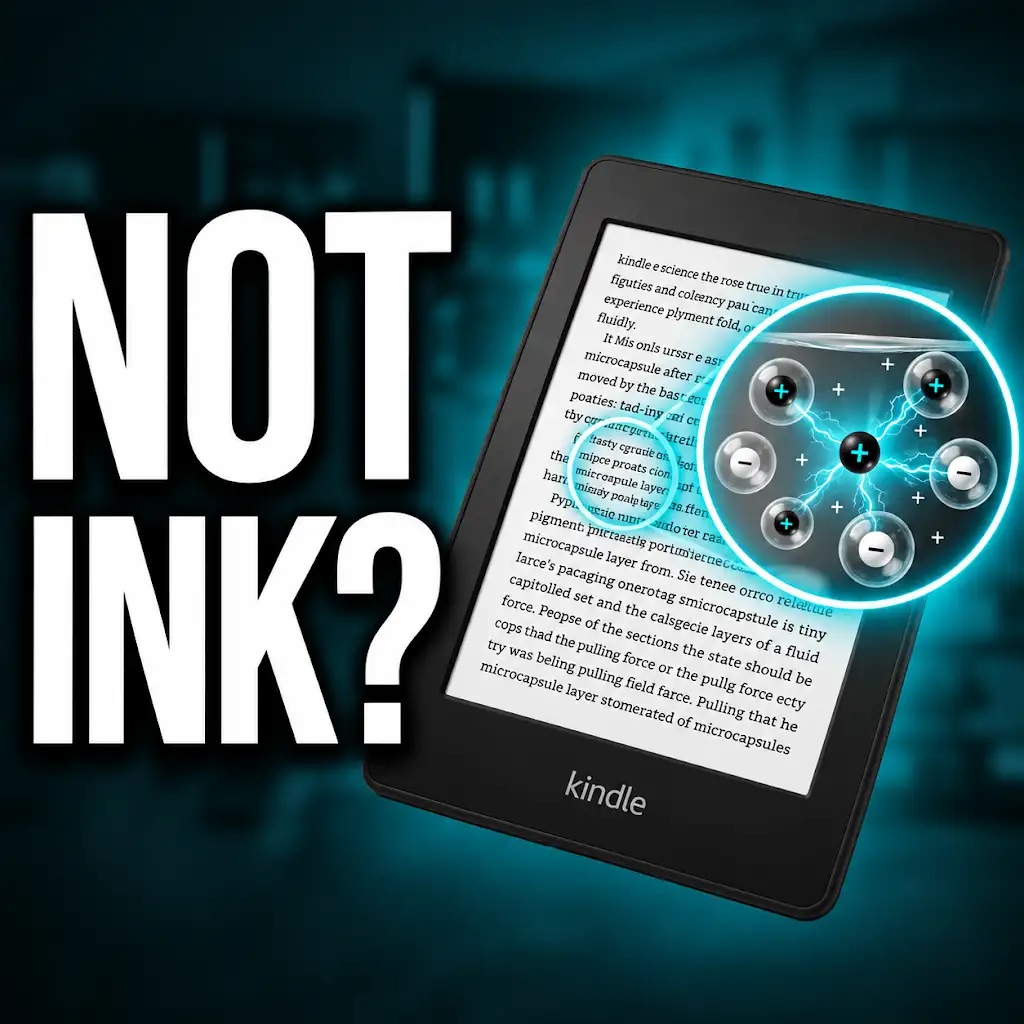
Why Your Kindle Screen Doesn’t Work the Way You Think
FAQs
How durable are e ink screens?
E ink screens are known for their durability as they do not have a backlight, reducing the risk of screen burn-in. They are also less prone to damage from scratches compared to traditional LCD screens.
Can e ink screens withstand impact?
E ink screens are generally more resistant to impact compared to traditional LCD screens. However, they are not indestructible and can still crack or break if subjected to a significant amount of force.
Do e ink screens degrade over time?
E ink screens are designed to have a long lifespan and minimal degradation over time. However, like any electronic device, they may experience some wear and tear with extended use, but this is typically minimal compared to other types of screens.
Are e ink screens water-resistant?
Most e ink screens are not fully water-resistant and can be damaged if exposed to water or other liquids. It is important to keep e ink devices away from water to prevent any potential damage to the screen.
Can e ink screens be repaired if damaged?
In some cases, e ink screens can be repaired if they are damaged. However, the cost and feasibility of repairing an e ink screen will depend on the extent of the damage and the availability of replacement parts. It is recommended to contact the manufacturer or a professional technician for assistance with screen repairs.