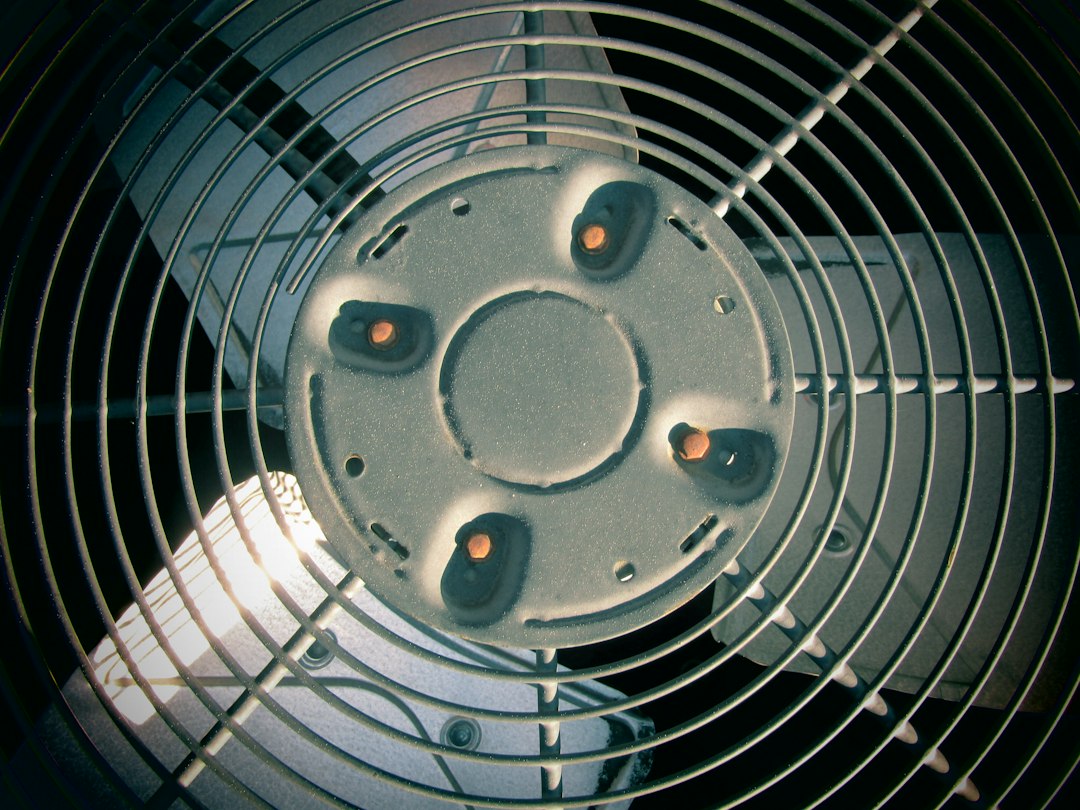
Understanding Your AC Fan: More Than Just a Breeze
You’ve probably stood in front of your air conditioner, feeling the stream of air and wondering, “Does this fan actually cool the air all by itself?” It’s a common question, and one that delves into the fundamental workings of your cooling system. The short answer is no, the fan on its own doesn’t possess a magical cooling property. Its role is crucial, yes, but it’s a supporting player in a much larger, more intricate act of refrigeration. Think of it like a conductor for an orchestra; the conductor doesn’t play any instruments, but their direction is absolutely vital to the beautiful music produced. Similarly, your AC fan doesn’t directly lower the temperature of the air it pushes out, but without it, the entire cooling process would grind to a halt.
The perception that the fan itself cools the air likely stems from the immediate sensation of moving air on your skin. When you feel a cool breeze, your body’s natural response is to feel cooler. This is due to a phenomenon called evaporative cooling. As the air moves across your skin, it helps to evaporate the thin layer of perspiration that is constantly on your body. This evaporation process requires energy, which is drawn from your skin, thus making you feel cooler. This is a physiological response, not a change in the air’s actual temperature. So, while the fan feels like it’s cooling you, it’s really just accelerating a process your body already does.
To truly understand why your AC fan isn’t the cooling agent, we need to look at the entire air conditioning system. An air conditioner is a complex interplay of components, each with a specific function, working in harmony to extract heat from your indoor environment and expel it elsewhere. The fan is just one piece of this puzzle, albeit a very important one. It’s responsible for circulating the conditioned air throughout your home and drawing in the warmer indoor air to be processed. Without this circulation, the cool air produced by the refrigeration cycle would simply remain stagnant, rendering the unit ineffective. You’d have a small pool of cool air near the unit, but the rest of your room would remain uncomfortably warm.
In exploring the mechanics of air conditioning systems, many people wonder whether the AC fan cools the air by itself or if it plays a different role in the cooling process. A related article that delves deeper into this topic can be found at Freaky Science, where the functions of the AC fan and its interaction with the cooling components are thoroughly examined. Understanding these dynamics can help clarify common misconceptions about how air conditioning systems operate and the importance of each component in achieving a comfortable indoor environment.
The Mechanics of Air Movement: What the Fan Actually Does

The primary function of the fan in your air conditioner is to create airflow. This airflow serves two critical purposes:
Drawing in Warm Air
The indoor unit of your air conditioner, often referred to as the air handler or evaporator unit, contains a fan. When you turn on your AC, this fan begins to spin, creating a negative pressure within the unit. This negative pressure pulls the warmer air from your living space into the air handler. You might notice this if you have a portable AC unit; you can feel the air being drawn in from the room. This process is essential because the refrigerant circulating within the AC system needs to absorb heat from the indoor air to facilitate the cooling process. If the fan isn’t actively drawing in the warm air, the refrigerant has nothing to absorb heat from, and the cycle stops.
Expelling Cooled Air
Once the warm indoor air has been drawn into the air handler, it passes over a cold coil. This is where the actual cooling happens, which we’ll discuss in more detail later. As the air passes over the cold coil, it transfers its heat to the refrigerant. The fan then takes this newly cooled air and pushes it back out into your room, creating the cool breeze you feel. The speed of the fan, often adjustable by your thermostat or remote control, determines how quickly and forcefully this cooled air is distributed throughout your home. A higher fan speed means more air circulation, which can lead to a more rapid and even cooling of the space. Conversely, a lower fan speed will result in slower, more subtle air distribution, which can be quieter and may be preferred in certain situations.
The fan’s design is also important. Most AC fans are centrifugal fans, meaning they draw air in from the center and expel it outwards. This design is efficient for moving large volumes of air. The blades are often shaped to minimize noise and maximize airflow. The motor that drives the fan is typically an electric motor, drawing power from your home’s electrical system. The efficiency of this motor and the fan’s blade design can impact the overall energy consumption of your air conditioning unit. Modern units often feature variable-speed fans, which can adjust their speed based on cooling demand, further optimizing energy efficiency.
The Heart of the Matter: The Refrigeration Cycle
The cooling itself is not the fan’s responsibility. It’s the work of the refrigerant and a series of components that form what’s known as the refrigeration cycle. This cycle is the core technology behind all air conditioning and refrigeration systems. It’s a continuous process of evaporation and condensation that effectively transfers heat from one place to another.
Understanding the Role of Refrigerant
Refrigerant is a special fluid that has a very low boiling point. This means it can easily change from a liquid to a gas at relatively low temperatures and pressures. This property is key to its ability to absorb and release heat. In your AC system, the refrigerant circulates through a closed loop, undergoing transformations that drive the cooling process. It’s like a heat sponge, soaking up warmth from your home and then releasing it outdoors.
There are different types of refrigerants used in AC systems, but they all operate on the same fundamental principles. Common refrigerants include R-410A, and historically, R-22 (though R-22 is being phased out due to environmental concerns). The choice of refrigerant impacts the efficiency and environmental footprint of the AC unit.
The Evaporation and Condensation Process
The refrigeration cycle involves four main components: the evaporator, the compressor, the condenser, and the expansion valve.
- The Evaporator: This is the part located inside your home, within the indoor unit. Here, the refrigerant is in a low-pressure, liquid state. As the warm indoor air is drawn over the evaporator coils by the fan, the refrigerant absorbs heat from the air. This heat causes the refrigerant to boil and evaporate, turning into a low-pressure gas. This absorption of heat is what cools the air that is then blown back into your room.
- The Compressor: Located in the outdoor unit, the compressor is the “heart” of the system. It takes the low-pressure refrigerant gas from the evaporator and compresses it, significantly increasing its pressure and temperature. This is a crucial step, as it prepares the refrigerant to release the heat it has absorbed. Think of squeezing a sponge full of water – it makes the water more concentrated and easier to wring out.
- The Condenser: Also located in the outdoor unit, the condenser is a set of coils. The hot, high-pressure refrigerant gas flows through these coils. An outdoor fan blows ambient air over these coils, allowing the heat from the refrigerant to dissipate into the outside environment. As the refrigerant loses heat, it condenses back into a high-pressure liquid. This is why the outdoor unit of your AC can feel warm.
- The Expansion Valve: This device controls the flow of refrigerant into the evaporator. As the high-pressure liquid refrigerant passes through the expansion valve, its pressure and temperature drop dramatically. This prepares it to absorb heat again in the evaporator, completing the cycle.
The fan’s role in this cycle is to facilitate the heat transfer at both the evaporator (indoor) and condenser (outdoor) stages. Without the indoor fan, the warm air wouldn’t reach the evaporator coils to transfer its heat. Without the outdoor fan, the heat absorbed by the refrigerant wouldn’t be effectively released into the atmosphere.
The Fan’s Contribution to Air Quality
Beyond its primary role in cooling and air circulation, your AC fan can also play a supporting role in improving your indoor air quality. While it doesn’t actively filter the air on its own, the system it’s part of does.
The Filter’s Essential Function
Every air conditioner, whether it’s a central unit, a window unit, or a portable one, has an air filter. This filter is typically located where the air is drawn into the indoor unit, often behind a grille. The fan pulls air through this filter, trapping airborne particles like dust, pollen, pet dander, mold spores, and other allergens. By removing these particles, the filter helps to keep your indoor air cleaner and can alleviate symptoms for individuals with allergies or respiratory issues. The fan’s consistent operation ensures that air is continuously being drawn through the filter, maximizing its effectiveness.
The Importance of Regular Filter Maintenance
The fan’s effectiveness in circulating air, and consequently in bringing air to the filter, is directly impacted by the cleanliness of the filter. A clogged or dirty filter restricts airflow. This makes the fan work harder, consuming more energy, and can even lead to reduced cooling performance. In severe cases, a heavily clogged filter can cause the evaporator coil to freeze up, leading to potential damage to the unit. Therefore, regular cleaning or replacement of your AC filter is crucial for both the fan’s efficient operation and your overall indoor air quality. Some advanced AC systems also incorporate additional filtration technologies, such as electrostatic filters or activated carbon filters, to further enhance air purification.
Many people often wonder if the AC fan cools the air by itself or if it simply circulates the air in the room. To gain a deeper understanding of how air conditioning systems work, you might find it helpful to read a related article on this topic. For more insights, check out this informative piece on Freaky Science, which explains the mechanics behind air conditioning and the role of the fan in the cooling process.
The Illusion of Cooling: Why the Fan Alone Isn’t Enough
| Metric | Description | Value/Observation | Notes |
|---|---|---|---|
| Air Temperature Change | Difference in air temperature before and after fan operation | 0°C to 1°C (no significant cooling) | Fan alone does not cool air; it only circulates it |
| Airflow Rate | Volume of air moved by the fan per minute | Varies (e.g., 300-600 CFM) | Higher airflow improves circulation but not cooling |
| Relative Humidity Effect | Change in humidity due to fan operation | None | Fan does not dehumidify air |
| Energy Consumption | Power used by the fan motor | Low (e.g., 20-50 watts) | Energy efficient but no cooling effect |
| Cooling Mechanism | Whether fan cools air by itself | No | Cooling requires refrigeration cycle or evaporative cooling |
It’s important to reiterate that the fan, by itself, does not possess any inherent cooling capabilities. The sensation of coolness you experience is a result of a complex process involving the refrigerant cycle and your body’s own physiological responses.
Evaporative Cooling: Your Body’s Natural Air Conditioner
As mentioned earlier, the movement of air across your skin promotes evaporation of sweat. This process is called evaporative cooling. Your body is constantly releasing a small amount of moisture through perspiration. When the fan moves air, it speeds up this evaporation. As the water molecules turn from liquid to gas and rise off your skin, they take heat energy with them, thus lowering your perceived body temperature. This is why a fan can make you feel cooler even if the air temperature hasn’t changed. It’s an effective way to cool down, but it’s not changing the actual temperature of the air itself. This is a key distinction to understand.
The Fan as an Air Circulator, Not a Cooler
Imagine you have a cup of ice water. If you just let it sit in a room, the ice will melt, and the water will eventually reach room temperature. However, if you stir the water with a spoon, you can feel a slight chill from the circulating water. The spoon didn’t magically make the water colder, but it helped to distribute the existing coldness throughout the cup. Your AC fan operates in a similar fashion. It takes the cold air produced by the evaporator coils and circulates it throughout your room. Without the fan, the cold air would remain localized around the coils, and the rest of the room would stay warm. The fan’s role is to ensure that the cooled air reaches all corners of your space.
Maximizing Your AC’s Cooling Potential: The Fan’s Role in Efficiency
While the fan doesn’t cool the air, its operation is intrinsically linked to the efficiency of your entire air conditioning system. Understanding how the fan contributes can help you use your AC more effectively and save on energy bills.
Optimizing Airflow for Performance
The fan’s speed and consistency directly impact how quickly and evenly your AC can cool your home. If the fan is set too low, it might not circulate enough cool air to reach all areas of your house, leading to hot spots and the AC running for longer periods to try and compensate. Conversely, a fan set too high, while circulating air quickly, can sometimes lead to drafts and a less consistent temperature. Many modern thermostats offer programmable fan settings, allowing you to choose between continuous fan operation or having the fan cycle on and off with the cooling system. Continuous fan operation can help maintain a more consistent temperature and improve air filtration, but it does consume more energy. Cycling the fan with the cooling system saves energy but might result in less consistent temperatures and reduced air filtration.
The Energy Consumption Connection
The fan motor is one of the components in your AC unit that consumes electricity. While it’s not the primary energy consumer (that would be the compressor), its contribution to overall energy usage is significant. Older, less efficient fan motors can consume more power than newer, variable-speed models. Choosing an AC unit with an energy-efficient fan motor, particularly a variable-speed fan, can lead to noticeable savings on your electricity bills over time. Furthermore, ensuring your air filter is clean and your ductwork is sealed properly will reduce the workload on the fan, further enhancing its efficiency and the overall energy performance of your AC system. The fan’s ability to move air effectively, without unnecessary strain, is key to your AC’s optimal performance.

Your AC Blows Hot Air Outside. Is That Heat From Your Room?
FAQs
1. How does the AC fan work in cooling the air?
The AC fan does not cool the air by itself. It works in conjunction with the air conditioning system to circulate the cooled air throughout the room.
2. What is the role of the AC fan in the cooling process?
The AC fan helps distribute the cold air produced by the air conditioning unit evenly throughout the room, ensuring a consistent and comfortable temperature.
3. Can the AC fan lower the temperature of a room on its own?
No, the AC fan alone cannot lower the temperature of a room. It simply moves the air around, but it does not have the ability to cool the air.
4. What should be done if the AC fan is not blowing cold air?
If the AC fan is not blowing cold air, it may indicate a problem with the air conditioning unit itself. It is recommended to check the thermostat settings, air filters, and refrigerant levels, and if the issue persists, contact a professional for assistance.
5. Are there any benefits to running the AC fan without the air conditioning unit?
Running the AC fan without the air conditioning unit can help circulate air and improve ventilation in a room, but it will not lower the temperature. It may be useful for air circulation or to help distribute heat evenly in the winter.