You’ve just finished a killer workout. Your muscles hum, your heart’s still thumping a happy rhythm, and when you catch your reflection, you see it: that unmistakable post-workout glow. It’s more than just sweat; your skin looks plumper, brighter, and frankly, healthier. But is this just a fleeting illusion, or is there genuine science behind this post-workout radiance? You’ll be surprised to learn that your skin is actively participating in the fitness frenzy, and the results are far more profound than you might think.
When you embark on a fitness journey, your body undergoes a symphony of physiological changes, and your skin isn’t just a passive observer. One of the most immediate and impactful changes you’ll notice is the surge in blood flow. This isn’t just about getting oxygen to your working muscles; it’s a vital component of what makes your skin look so good after you’ve put it through its paces.
Vasodilation: Opening Up the Channels
The fundamental reason for increased blood flow is a process called vasodilation. During exercise, your heart pumps more vigorously to meet the demands of your active muscles. This increased cardiac output, coupled with the release of certain chemicals, causes your blood vessels to widen, or dilate. Think of it like opening up more lanes on a highway – more traffic can flow. For your skin, this means a significantly higher volume of blood circulating through the dermal layers.
The Role of Nitric Oxide
A key player in vasodilation is nitric oxide (NO). Your body produces nitric oxide during exercise, and it’s a potent vasodilator. When released, it signals the smooth muscles in the walls of your blood vessels to relax, leading to widening. This increased nitric oxide production is a direct response to the physical stress of exercise, and it’s crucial for delivering all the good stuff your skin needs.
Nutrient Delivery: Fueling Your Skin’s Health
The increased blood flow isn’t just about volume; it’s about the quality of what’s being delivered. Your blood is a sophisticated transport system, carrying essential nutrients, oxygen, and even hormones to every cell in your body, including those in your skin. When your circulation is boosted by exercise, these vital components reach your skin cells more efficiently.
Oxygenation: The Breath of Life for Your Cells
Oxygen is fundamental for cellular respiration, the process by which your cells generate energy. Your skin cells are no exception. Enhanced blood flow means a greater supply of oxygen to your dermal fibroblasts, the cells responsible for producing collagen and elastin, the building blocks of firm, supple skin. This increased oxygenation can lead to improved cell function and a healthier, more vibrant complexion.
Vitamins, Minerals, and Hormones: The Cocktail of Radiance
Beyond oxygen, your blood carries a host of other beneficial substances. Vitamins like B vitamins and Vitamin E, minerals such as zinc, and even hormones like growth hormone are transported via the bloodstream. During exercise, the delivery of these vital elements to your skin is amplified. This nutrient-rich environment supports cell repair, regeneration, and overall skin health, contributing to that coveted glow.
Many people often wonder if exercise truly has the power to enhance one’s appearance, leading to a radiant glow. A related article that delves into the science behind this phenomenon can be found at Freaky Science. This article explores how physical activity boosts circulation, promotes healthy skin, and contributes to an overall sense of well-being, all of which can result in that coveted post-workout glow.
Clearing the Clutter: Detoxification Through Sweat
Sweat is often viewed as a nuisance, a sticky byproduct of physical exertion. However, from a skincare perspective, sweat plays a surprisingly important role in clearing out impurities and contributing to a cleaner, clearer complexion. While the primary function of sweat is thermoregulation – cooling your body down – its secondary benefits for your skin are undeniable.
The Pores as Exits: Flushing Out Toxins
Your skin is dotted with millions of pores, which are the openings of sweat glands (and hair follicles). When you sweat, your pores open up, and this process helps to flush out a variety of substances that can accumulate within them. This includes sebum (the natural oil produced by your skin), dead skin cells, and even environmental pollutants that can settle on your skin.
Sebum and Dead Skin Cell Removal
Excess sebum can clog pores, leading to breakouts like pimples and blackheads. Dead skin cells, when allowed to accumulate on the surface, can make your skin look dull and uneven. The increased sweating stimulated by exercise acts like a mini-cleansing cycle, helping to push these undesirable elements out of your pores. This leaves your skin feeling cleaner and looking brighter.
Environmental Pollutants and Other Waste Products
Beyond the natural accumulations, your skin can also trap environmental pollutants from the air. While the primary detoxification organs are your liver and kidneys, your skin does play a role in eliminating certain waste products. The process of sweating can help to expel some of these toxins and impurities, contributing to a less congested and more radiant complexion.
The Antibacterial Power of Sweat
While it might sound counterintuitive, sweat also possesses some natural antibacterial properties. Sweat contains antimicrobial peptides, such as dermcidin, which can help to kill harmful bacteria on the skin’s surface. This can contribute to a healthier skin microbiome, reducing the likelihood of infections and inflammatory conditions that can detract from your skin’s glow.
The Collagen Connection: Building Blocks of Youthful Skin
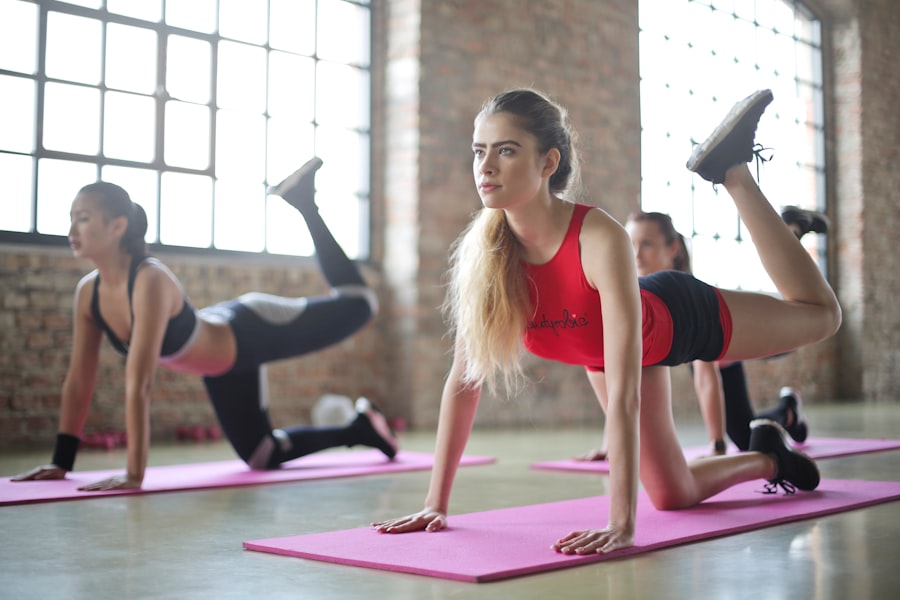
One of the most significant long-term benefits of regular exercise for your skin is its positive impact on collagen production. Collagen is a protein that provides structure and elasticity to your skin, and its decline with age is a primary cause of wrinkles and sagging. Exercise, however, can help to combat this decline and even boost your body’s ability to produce this vital protein.
Stimulating Fibroblast Activity
As mentioned earlier, dermal fibroblasts are the cells responsible for creating collagen and elastin. When you engage in physical activity, the increased blood flow delivers vital nutrients and oxygen to these fibroblasts, essentially giving them the fuel they need to work more efficiently. The mechanical stress of exercise, particularly resistance training, can also act as a stimulus for these cells.
Mechanical Stress and Collagen Synthesis
Think of it like this: when you lift weights, your muscles and the surrounding tissues experience mechanical stress. This stress signals your body to adapt and strengthen. Your skin, which is intimately connected to your muscles, also responds. This signaling pathway can lead to an increase in collagen synthesis, helping to repair and rebuild connective tissues within the dermis.
Reduced Inflammation: A Calmer Canvas
Chronic inflammation can wreak havoc on your skin, contributing to redness, acne, and premature aging. Exercise has a powerful anti-inflammatory effect on the body, and this benefit extends to your skin. By reducing systemic inflammation, exercise creates a calmer environment for your skin cells, allowing them to function optimally and contribute to a clearer, more radiant appearance.
The Cytokine Shift: From Pro- to Anti-Inflammatory
Regular exercise has been shown to alter the balance of cytokines, which are signaling molecules that regulate inflammation. It can shift the body’s response from a pro-inflammatory state to an anti-inflammatory one. This means fewer inflammatory markers circulating in your bloodstream, which in turn can lead to reduced skin inflammation, less redness, and a more even skin tone.
Hydration and Cell Turnover: The Plumping Effect

When you exercise, you’re not just burning calories; you’re also impacting your skin’s hydration levels and its natural renewal process. These two factors are crucial for that plump, dewy look that often accompanies a good workout.
Increased Hydration from Within
While you lose fluids through sweat, the increased blood flow stimulated by exercise also means that more water is being transported to your skin cells. This internal hydration contributes to a plumper, more supple appearance. When your skin cells are well-hydrated, they appear fuller and more taut, effectively minimizing the appearance of fine lines and wrinkles.
The Role of Hyaluronic Acid
Your body naturally produces hyaluronic acid, a powerful humectant that attracts and retains water. While exercise doesn’t directly increase hyaluronic acid production, the improved circulation ensures that the existing hyaluronic acid in your dermis is better supported and can effectively draw moisture to the skin cells. This contributes to that characteristic dewy look.
Accelerated Cell Turnover: Revealing Freshness
Your skin is constantly regenerating, shedding old, dead cells and replacing them with new ones. This process is called cell turnover. Exercise can help to speed up this natural cycle. The increased blood flow delivers the necessary oxygen and nutrients to support rapid cell division and growth in the basal layer of your epidermis.
Shedding the Dullness
When cell turnover is slow, dead skin cells can accumulate on the surface, leading to a dull, lackluster complexion. By accelerating this process, exercise helps to shed these dull cells more quickly, revealing the fresh, vibrant new skin underneath. This can lead to a brighter, smoother, and more radiant appearance.
Many people often wonder if exercise truly makes you glow, and recent studies suggest that the benefits of physical activity extend beyond just physical fitness. Engaging in regular exercise can enhance your skin’s appearance and overall health, leading to that sought-after radiant glow. For further insights into the science behind this phenomenon, you can read a related article that explores the connection between exercise and skin health. Check it out here to discover more about how staying active can positively impact your complexion.
Beyond the Glow: The Long-Term Benefits of Fitness for Your Skin
| Exercise Type | Glow Effect |
|---|---|
| Cardio | Increases blood flow and gives a natural glow to the skin |
| Strength Training | Improves muscle tone and gives a healthy appearance |
| Yoga | Reduces stress and promotes a radiant complexion |
The immediate post-workout radiance is a fantastic perk, but the true magic of exercise for your skin lies in its long-term, cumulative effects. Consistent physical activity can fundamentally transform your skin’s health and appearance over time, providing benefits that far outweigh the fleeting glow.
Improved Skin Elasticity and Firmness
As we age, our skin loses its elasticity and begins to sag due to the breakdown of collagen and elastin. Regular exercise, by stimulating collagen production and reducing inflammation, can help to preserve and even improve your skin’s elasticity and firmness. This means a more sculpted and youthful facial contour and less proneness to sagging.
Fighting the Effects of Gravity
The structural integrity provided by collagen and elastin is what helps your skin resist the effects of gravity. By bolstering these connective tissues through exercise, you are essentially giving your skin a stronger internal framework, which can help to delay the onset of sagging and maintain a more lifted appearance.
Enhanced Wound Healing and Repair
The increased blood flow and nutrient delivery that come with exercise also benefit your skin’s ability to heal and repair itself. When you experience minor injuries, cuts, or even acne lesions, your body can more effectively deliver the resources needed to mend the damage.
Faster Recovery from Skin Imperfections
This means that acne scars may fade more quickly, and minor wounds will likely heal with less scarring. The overall resilience of your skin is enhanced, making it better equipped to bounce back from damage and maintain a healthier appearance.
A More Youthful Complexion Over Time
When you combine the boosted collagen production, reduced inflammation, improved hydration, and accelerated cell turnover, the result is a significant contribution to a more youthful complexion. You’re not just masking signs of aging; you’re actively working to prevent and reverse them at a cellular level. The cumulative effect of consistent exercise is a skin that looks and feels healthier, firmer, and more radiant for longer. So, the next time you feel that post-workout blush, remember that it’s not just a fleeting flush; it’s a visible testament to the incredible work your body is doing from the inside out, building a foundation for truly healthy and radiant skin. Your commitment to movement is literally paying dividends for your complexion.

You’re Emitting Light Right Now—So Why Can’t You See It?
FAQs
1. What is the “glow” that people experience after exercising?
The “glow” that people experience after exercising is often attributed to increased blood flow, which can give the skin a flushed appearance. Additionally, exercise can stimulate the production of sweat, which can help to clear out pores and give the skin a healthier, more radiant look.
2. Does exercise have long-term effects on skin health and appearance?
Yes, regular exercise can have long-term effects on skin health and appearance. Exercise can help to improve circulation, which can promote the delivery of oxygen and nutrients to the skin, as well as the removal of toxins. This can result in a healthier, more vibrant complexion over time.
3. Can exercise help to reduce the signs of aging on the skin?
Yes, exercise can help to reduce the signs of aging on the skin. Regular physical activity can help to improve skin elasticity and firmness, as well as reduce the appearance of wrinkles and fine lines. Additionally, exercise can help to combat the effects of stress, which can contribute to premature aging.
4. Are there specific types of exercise that are particularly beneficial for skin health?
While any type of exercise can have positive effects on skin health, certain types of exercise, such as yoga and Pilates, may be particularly beneficial. These types of exercise can help to reduce stress, improve circulation, and promote relaxation, all of which can contribute to healthier, more radiant skin.
5. Are there any potential downsides to exercising for skin health?
While exercise can have numerous benefits for skin health, there are some potential downsides to consider. For example, excessive sweating during exercise can lead to clogged pores and breakouts if proper skincare is not maintained. Additionally, exposure to the sun during outdoor exercise can increase the risk of skin damage and premature aging if adequate sun protection is not used.