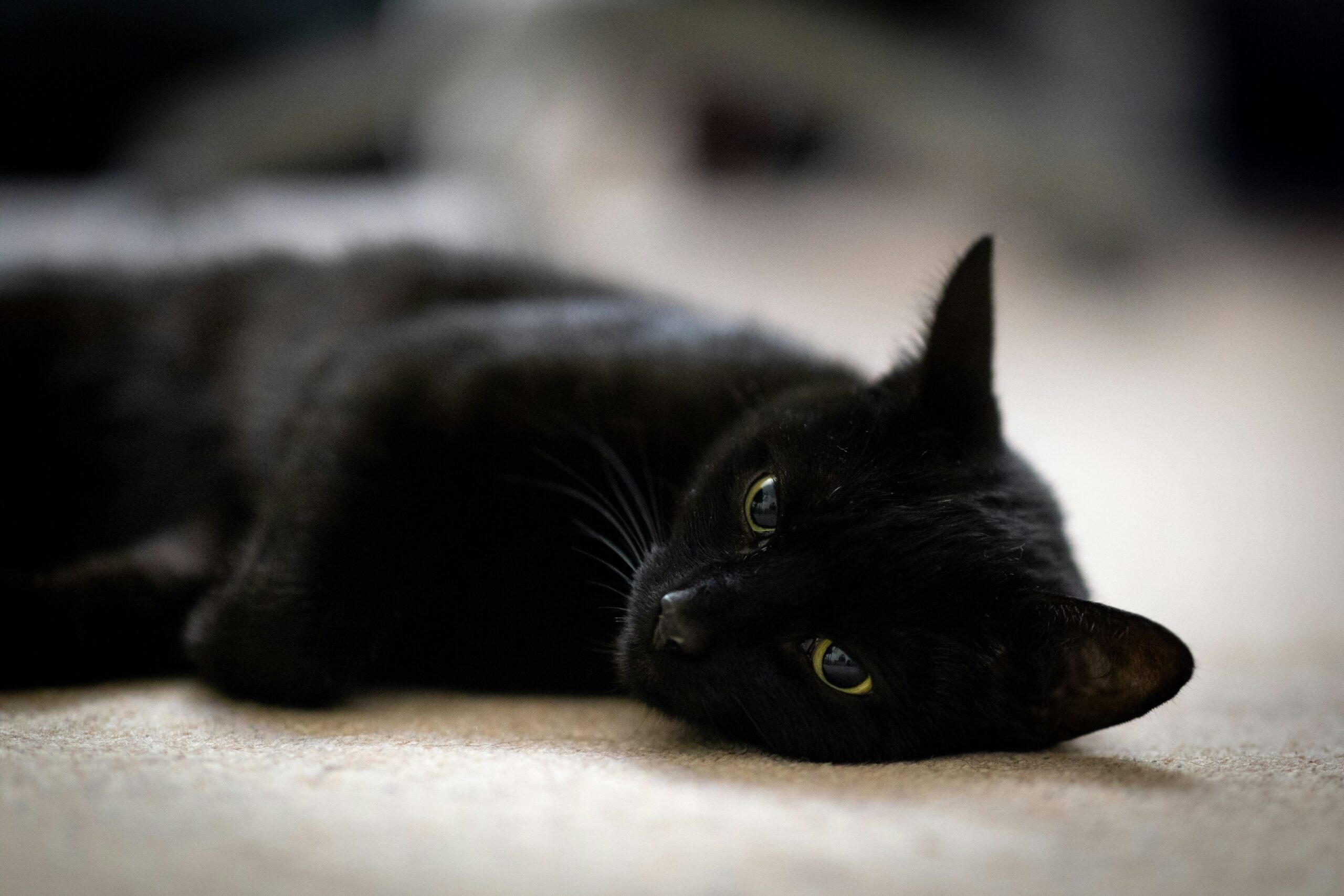
The question of whether black fur offers cats a protective advantage against disease is one that often sparks curiosity among feline enthusiasts and pet owners. The striking appearance of a black cat has led to numerous myths and superstitions throughout history, but when it comes to actual biological benefits, the topic shifts from folklore to scientific inquiry. This article will delve into the potential ways fur color, specifically black, might interact with a cat’s health and immune system, exploring the underlying biological mechanisms and considering the current scientific understanding.
Melanin’s Multifaceted Roles in Feline Biology
The most direct link between a cat’s fur color and its biology lies in melanin, the pigment responsible for dark coloration. Melanin is not merely a cosmetic feature; it plays crucial roles in various biological processes in mammals, including protection against environmental stressors. Understanding melanin’s functions is key to exploring its potential impact on feline health.
Pigmentation and Radiation Protection
The primary and most well-understood role of melanin in fur is its ability to absorb and dissipate ultraviolet (UV) radiation. Sunlight, while essential for vitamin D synthesis, also carries harmful UV rays that can damage DNA and skin cells. Darkly pigmented fur, rich in melanin, acts as a natural shield, absorbing a significant portion of this damaging radiation. This is particularly relevant in regions with high levels of sun exposure. For cats, especially those with limited access to shaded areas or those that enjoy sunbathing, this protective quality of black fur could theoretically reduce the risk of sun-induced skin damage.
Understanding UV Radiation and its Effects on Skin
Ultraviolet radiation is categorized into UVA, UVB, and UVC. While the Earth’s atmosphere largely filters out UVC, UVA and UVB reach the surface and can penetrate the skin. UVB is primarily responsible for sunburn and plays a critical role in vitamin D synthesis. UVA penetrates deeper and contributes to skin aging and DNA damage. Overexposure to both can lead to inflammation, cell mutations, and, in the long term, an increased risk of skin cancer.
Melanin’s Mechanism of UV Absorption
Melanin pigment granules are distributed within the keratinocytes of the hair shaft. These granules are highly efficient at absorbing UV photons. Instead of allowing the radiation to reach the skin, the melanin molecules capture the energy and dissipate it as heat. The more melanin present, the greater the absorption and dissipation capacity. This means that black fur, with its high concentration of eumelanin (the type responsible for black and brown colors), offers a more robust defense against UV damage compared to lighter fur colors.
Oxidative Stress and Antioxidant Properties
Beyond its role in UV absorption, melanin has also been recognized for its antioxidant properties. Oxidative stress occurs when there is an imbalance between the production of reactive oxygen species (ROS) and the body’s ability to detoxify them. ROS can damage cells, proteins, and DNA, contributing to aging and various diseases. Melanin can scavenge free radicals, neutralizing ROS and mitigating their harmful effects.
The Free Radical Challenge in Mammalian Cells
Free radicals are unstable molecules that have unpaired electrons, making them highly reactive. They are generated as byproducts of normal metabolic processes, such as cellular respiration. Environmental factors like pollution, radiation, and certain chemicals can also increase free radical production. When antioxidant defenses are overwhelmed, oxidative stress can lead to cellular damage, inflammation, and the development of chronic diseases.
Melanin as a Radical Scavenger
Research has shown that melanin can directly interact with and neutralize a variety of free radicals, including superoxide radicals and hydroxyl radicals. It achieves this by donating electrons to these unstable molecules, stabilizing them and preventing them from causing further damage. This antioxidant capacity of melanin, present in the fur and potentially in other pigmented tissues, could offer a subtle but continuous protective benefit against cellular damage.
Research into the health benefits of fur color in cats has sparked interest among pet owners and veterinarians alike. A related article that explores the connection between fur color and disease resistance can be found at Freaky Science. This article delves into various studies that suggest darker fur may offer certain advantages, including potential protection against specific diseases, thereby enhancing our understanding of feline health and genetics.
Potential Implications for Feline Disease Resistance

While the direct impact of black fur on disease resistance is complex and not definitively proven, exploring the biological roles of melanin allows for informed speculation about potential benefits. The protective mechanisms discussed could indirectly influence a cat’s susceptibility to certain health issues.
Environmental Factors and Skin Health
Cats, particularly outdoor cats, are constantly exposed to environmental challenges, including sunlight, pollutants, and potential pathogens. The UV-absorbing and antioxidant properties of black fur might offer a degree of protection against some of these environmental insults, thereby indirectly contributing to overall health.
Sunburn and Skin Cancer in Cats
White or lightly colored cats are particularly susceptible to sunburn and subsequent skin cancer, especially on exposed areas like the nose and ear tips. While black fur provides excellent protection against sunburn on the skin beneath it, it’s important to note that even black cats can experience skin issues if their fur is thin or if they have very dark skin that is still exposed. However, the general protection offered by dense black fur significantly reduces the risk of UV-induced damage for the majority of the skin.
Insect Bites and Pathogen Transmission
The role of fur color in protecting against insect bites or the transmission of vector-borne diseases is less clear. While some studies in other animals suggest color might influence insect attraction, there’s no strong evidence to indicate that black fur provides a significant advantage against fleas, ticks, or mosquito-borne illnesses in cats. The primary defense against these threats remains appropriate preventative care, such as flea and tick treatments.
Immune System Modulation and Inflammation
The antioxidant properties of melanin could also play a role in modulating the immune system and reducing inflammation. Chronic inflammation is a common underlying factor in many diseases. By helping to control oxidative stress, melanin might contribute to a more balanced inflammatory response, which is crucial for effective immune function.
The Interplay Between Oxidative Stress and Immunity
Oxidative stress can impair immune cell function, making the body more vulnerable to infections. Conversely, an overactive immune response can also generate excess ROS, leading to further damage. A well-functioning antioxidant system, potentially supported by melanin, can help maintain immune homeostasis, allowing immune cells to function optimally without causing excessive collateral damage.
Potential Indirect Effects on Chronic Diseases
While direct evidence linking black fur to reduced incidence of specific chronic diseases in cats is lacking, the general protective effects of melanin against oxidative stress and inflammation are well-established. These general benefits could theoretically contribute to a cat’s overall resilience and a slower aging process, which are foundational to maintaining good health and warding off age-related ailments.
Genetic Factors and Breed Predispositions

Fur color is a complex genetic trait. The genes responsible for black coloration might also be linked to other genetic factors that influence a cat’s health and disease susceptibility. However, disentangling these effects can be challenging.
The Genetics of Black Fur
The gene responsible for black fur in cats is primarily the melanocortin 1 receptor (MC1R) gene. Variations in this gene control the production of eumelanin (black/brown) versus phaeomelanin (red/yellow). A functional MC1R receptor generally leads to the production of eumelanin. However, other genes, like the Agouti gene, regulate the expression of these pigments along the hair shaft and body.
Epigenetics and Environmental Interactions
Beyond the direct genetic code, epigenetic modifications – changes in gene expression that do not alter the underlying DNA sequence – can also play a role. Environmental factors can influence these epigenetic changes, potentially affecting how genes related to coat color and health are expressed. It’s plausible that environmental conditions, coupled with genetic predispositions for black fur, could lead to subtle variations in health outcomes.
Breed-Specific Health Concerns
Different cat breeds have varying predispositions to certain diseases. While fur color is a visible trait, it’s more likely that breed-specific health issues are linked to the overall genetic makeup of a breed, which includes genes affecting a wide range of physiological processes, rather than solely to the genes dictating fur color. Therefore, attributing disease resistance solely to black fur in a particular breed would be an oversimplification.
Addressing Common Misconceptions and Superstitions
Black cats have been subject to numerous superstitions, some positive and some negative. It’s important to distinguish between these cultural beliefs and scientifically supported health benefits.
Historical and Cultural Perceptions of Black Cats
In many Western cultures, black cats have historically been associated with bad luck, witchcraft, and the devil. This led to them being feared and sometimes mistreated. Conversely, in some cultures, such as ancient Egypt, black cats were revered and associated with good fortune and protection. These beliefs, while interesting from a historical perspective, have no bearing on a cat’s actual health or disease resistance.
The Myth of Bad Luck vs. Scientific Reality
The idea that black cats bring bad luck is purely a superstition. A cat’s temperament and behavior are influenced by its individual personality, upbringing, and environment, not its fur color. Similarly, the notion that black cats are inherently unluckier in terms of health is unfounded. Their health is determined by genetics, diet, veterinary care, and environmental factors.
Focus on Individual Cat Health
It is crucial to focus on the individual health needs of any cat, regardless of its fur color. Regular veterinary check-ups, a balanced diet, appropriate exercise, and a safe environment are the most important factors in ensuring a cat’s well-being and longevity. Attributing health outcomes to fur color alone is a misdirection from the real determinants of a cat’s health.
Research into the health benefits of fur color in cats has sparked interest among pet owners and veterinarians alike. A related article discusses how various fur colors, including black, may influence a cat’s susceptibility to certain diseases and environmental factors. For those curious about the implications of fur color on feline health, you can explore more in this insightful piece found here. Understanding these dynamics can help cat owners make informed decisions regarding their pets’ care and well-being.
The Scientific Consensus and Future Research
| Metric | Data/Value | Notes |
|---|---|---|
| Melanin Concentration in Black Fur | High | Melanin provides UV protection and may have antimicrobial properties |
| Incidence of Skin Diseases in Black Cats | Lower than light-colored cats | Studies suggest less sun damage and fewer skin cancers |
| Resistance to Bacterial Infections | No significant difference | Fur color does not directly affect bacterial infection rates |
| Parasite Load (Fleas, Ticks) | Similar across fur colors | Parasite attraction is not influenced by fur color |
| Immune System Strength | Independent of fur color | Genetics and environment play larger roles |
While the biological properties of melanin suggest potential indirect protective benefits of black fur, current scientific research does not definitively conclude that black fur directly protects cats from disease in a way that significantly differentiates them from cats of other colors.
Current State of Scientific Evidence
The existing scientific literature primarily focuses on the photoprotective and antioxidant roles of melanin in general, not specifically on black fur conferring a superior defense against disease in cats compared to other fur colors. Studies on disease prevalence in cats generally do not segment data based on fur color as a primary risk factor.
Areas for Further Investigation
Future research could explore the potential correlation between specific genetic markers associated with black fur and immune system resilience. Investigating the long-term health outcomes of cats in different environmental conditions, while controlling for other variables, might reveal subtle differences. Additionally, more in-depth studies on the antioxidant capacity of melanin in feline fur and its impact on cellular health could provide valuable insights.
Practical Implications for Cat Owners
For cat owners, the most important takeaway is to provide optimal care for all cats, irrespective of their fur color. While the inherent properties of black fur might offer a slight edge in terms of UV protection and antioxidant activity, this should not lead to complacency in any aspect of feline healthcare. Ensuring regular veterinary visits, proper nutrition, and a safe living environment remain paramount for the health and happiness of every feline companion. The beauty and mystery of a black cat are best appreciated alongside a commitment to their overall well-being.
Which Cat Color Lives Longest? The Research Has a Twist
FAQs
What is the significance of black fur in cats?
Black fur in cats is simply a genetic trait and does not provide any specific protection against diseases. It is just one of the many coat colors that cats can have.
Do cats with black fur have a higher immunity to diseases?
There is no scientific evidence to suggest that cats with black fur have a higher immunity to diseases compared to cats with other fur colors. Immunity to diseases is determined by various factors such as genetics, environment, and overall health.
Can black fur protect cats from specific diseases?
Black fur does not have any inherent properties that can protect cats from specific diseases. The color of a cat’s fur does not play a role in their susceptibility to diseases.
Are there any health benefits associated with black fur in cats?
There are no specific health benefits associated with black fur in cats. The health of a cat is influenced by factors such as diet, exercise, genetics, and regular veterinary care, rather than the color of their fur.
Do cats with black fur require special care or attention?
Cats with black fur do not require any special care or attention solely based on the color of their fur. All cats, regardless of fur color, should receive proper nutrition, regular veterinary check-ups, and a safe and stimulating environment to thrive.