Does an Induction Cooktop Surface Get Hot? Explained
You’re standing in front of your shiny new induction cooktop, perhaps a little awestruck by its sleek, modern look. You’ve heard the buzz about induction, how it’s faster, more energy-efficient, and safer. But then, a crucial question pops into your mind, one that’s fundamental to your cooking experience and kitchen safety: Does the induction cooktop surface actually get hot? It’s a question that’s often met with a bit of confusion, as the very act of cooking implies heat. Let’s dive deep into the science and practicalities of induction to answer this definitively.
At its core, induction cooking is a fascinating blend of electromagnetism and thermodynamics. Unlike traditional electric cooktops that rely on resistive heating elements to generate heat and then transfer it to your cookware, or gas cooktops that produce an open flame, induction works differently. It’s not the surface of the cooktop itself that generates the primary heat for your food. Instead, the heat is generated within your cookware.
Electromagnetic Waves at Play
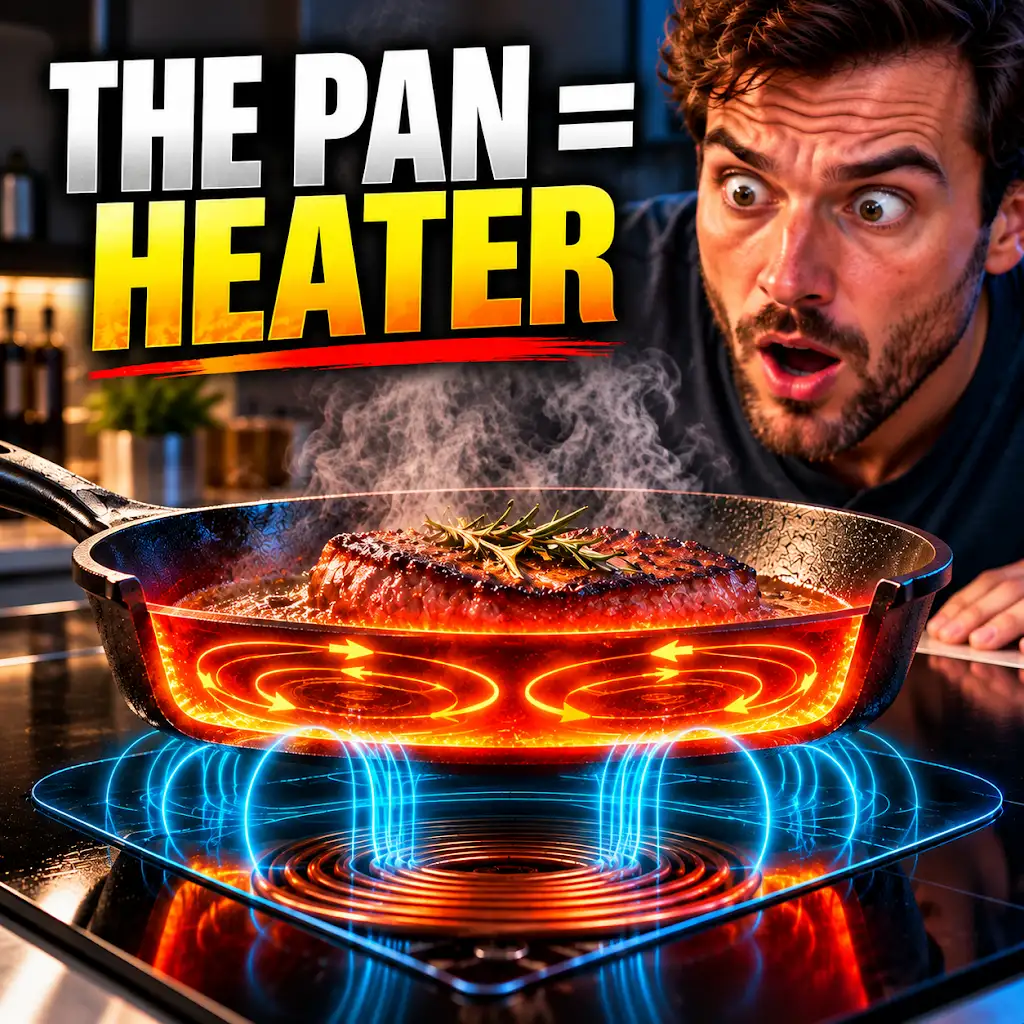
Beneath the smooth glass-ceramic surface of your induction cooktop lies a coil of copper wire. When you turn on a burner and place compatible cookware on it, an alternating electric current flows through this copper coil. This current creates a fluctuating magnetic field. Think of it like an invisible force field that oscillates rapidly.
The Eddy Currents and Hysteresis
This fluctuating magnetic field is the key. When you use cookware made of ferromagnetic materials (like cast iron or certain types of stainless steel), the magnetic field penetrates the base of the pot or pan. This interaction causes two phenomena to occur simultaneously within the metal of your cookware:
Eddy Currents: The Invisible Stirring
The oscillating magnetic field induces electrical currents within the metal of the cookware. These currents, known as “eddy currents,” flow in small, swirling patterns. The resistance of the metal itself to these eddy currents causes it to heat up. It’s like friction, but on a microscopic, electrical level.
Hysteresis Heating: Molecular Friction
In addition to eddy currents, the rapid changes in the magnetic field also cause the magnetic domains within the ferromagnetic material to align and realign themselves. This constant “struggle” of the magnetic domains to keep up with the fluctuating field generates heat through a process called hysteresis.
Where the Heat Really Happens
So, to reiterate, the heat isn’t coming from the glass surface. It’s being generated directly inside the base of your pot or pan. This is the fundamental difference that leads to many of induction’s unique advantages, including how hot the cooktop surface ultimately becomes.
If you’re curious about whether an induction cooktop surface gets hot, you might find it interesting to read a related article on the science behind induction cooking. This article delves into how induction cooktops work and why the surface remains relatively cool compared to traditional gas or electric stoves. For more insights, check out this informative piece at Freaky Science.
The Heat Transfer Pathway: From Cookware to Food
The heat generated within your cookware is then transferred to the food you’re cooking. This transfer happens primarily through direct contact, but also to a lesser extent through convection and radiation.
Direct Contact Conduction
As the base of your pot or pan heats up due to eddy currents and hysteresis, this heat is directly conducted through the metal and then into your food. This is the most efficient way heat can be transferred to your ingredients, leading to incredibly fast cooking times.
Convection and Radiation: Secondary Effects
While direct contact is the main player, some heat will also radiate outwards from the hot cookware and be carried away by the air surrounding it (convection). This is where the cooktop surface does indeed come into play, as it will absorb some of this radiated and convective heat.
The Efficiency Advantage
The efficiency of induction lies in minimizing heat loss to the surrounding environment. Traditional electric and gas cooktops lose a significant amount of heat to the air before it even reaches your cookware. Induction bypasses much of this, directing the energy precisely where it’s needed – in the bottom of your pot.
So, Does the Induction Surface Get Hot? The Nuance of “Hot”
Now we can directly address your question. The answer isn’t a simple yes or no, but rather a detailed explanation of how and to what extent the surface gets hot.
It’s Not the Primary Heat Source
As established, the glass-ceramic surface of an induction cooktop is not the primary source of heat for your cooking. It doesn’t have heating elements embedded within it that glow red or generate intense heat on their own.
Residual Heat from Cookware
However, because your cookware is sitting directly on the surface, and that cookware is getting very hot, the cooktop surface will inevitably absorb some of that heat. This is known as residual heat.
Heat Transfer Through the Base
The hot base of your pot or pan is in direct contact with the glass. Heat will conduct from the cookware to the glass surface. The hotter your cookware gets, the more heat will transfer to the glass.
Radiation and Convection
Additionally, the hot cookware will radiate heat outwards, and the air around it will heat up via convection. Some of this radiated and convected heat will also warm the cooktop surface.
The “Cool” Advantage: Relative to Other Cooktops
While the surface does get warm, and can even become quite hot after extended cooking sessions, it is significantly cooler than the surface of a traditional electric radiant cooktop or a gas cooktop’s grates.
Electric Radiant Cooktops: A Fiery Comparison
On an electric radiant cooktop, the heating element (often a coil or a ceramic disk) gets red hot. This element then heats the glass surface above it, and that hot glass then heats your cookware. The surface itself becomes extremely hot, often reaching temperatures comparable to or even exceeding the cookware. This poses a significant burn risk.
Gas Cooktops: Open Flame and Intense Heat
Gas cooktops use an open flame that directly heats the cookware. However, the flames also lick around the sides of the cookware and directly heat the grates above the burners. These grates can become exceptionally hot, and the surrounding cooktop surface also absorbs a considerable amount of heat from the flame.
Induction: A Targeted Approach
Induction, by contrast, generates heat within the cookware. The glass surface acts more like a conduit and a protective barrier. It’s not designed to be heated directly. Therefore, while it will get warm from the transfer of heat from the cookware, it typically doesn’t reach the extreme temperatures of the heating elements themselves or the surrounding surfaces on other cooktop types.
Understanding Cooktop Surface Temperatures in Practice
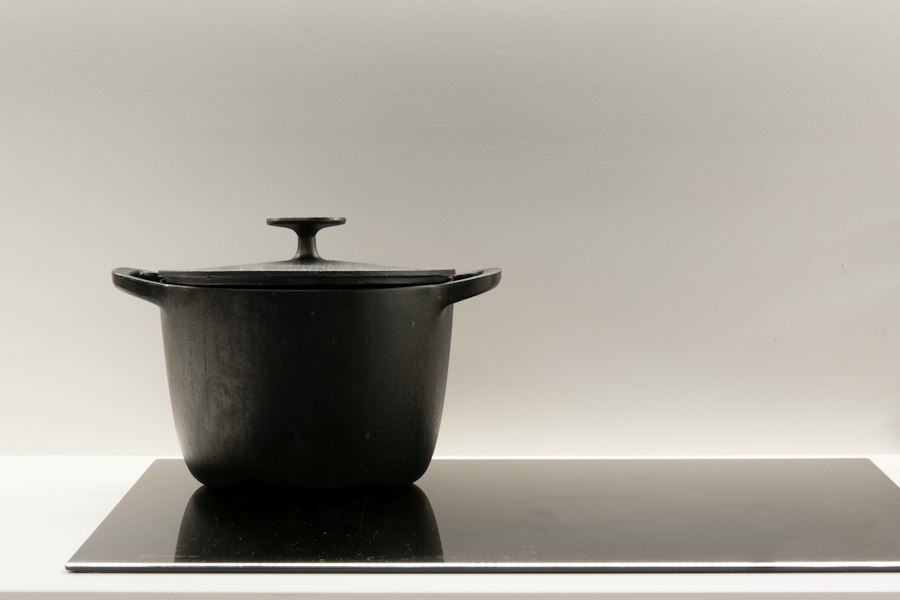
Let’s put some numbers to this. The actual temperature of an induction cooktop surface will vary depending on several factors.
Factors Influencing Surface Temperature
Cookware Material and Thickness
The material and thickness of your cookware play a role. Thicker, heavier-bottomed pans might retain heat longer and transfer more residual heat to the surface.
Heat Setting Used
Higher heat settings will, of course, result in hotter cookware, and consequently, a warmer cooktop surface.
Duration of Cooking
The longer you cook, the more opportunity there is for heat to transfer from the cookware to the surface.
Cookware Placement and Fit
Ensuring your cookware is centered and makes good contact with the induction zones will optimize heat transfer to the cookware and minimize unwanted heat loss to the surface.
Typical Surface Temperatures
While precise measurements can vary, here are some general observations:
During Cooking
During active cooking, especially at higher power levels, you might find the induction surface to be warm to the touch. It will likely be significantly hotter than room temperature but generally cool enough that you can briefly touch it without immediate severe burns, especially compared to the red-hot elements of other cooktops. However, caution is always advised, and it’s never recommended to touch the surface immediately after cooking.
After Cooking (Residual Heat)
After you’ve finished cooking and turned off the burner, the cooktop surface will retain residual heat from the cookware for a period. This residual heat can still be enough to cause discomfort or a minor burn if touched immediately. Many induction cooktops feature a residual heat indicator light that will illuminate to warn you when the surface is still hot.
Cooling Down
Induction cooktops generally cool down much faster than radiant electric cooktops because there are no hot elements to dissipate heat. Once the cookware is removed, the surface temperature will decrease relatively quickly.
When considering the safety and efficiency of cooking appliances, many people wonder if an induction cooktop surface gets hot during use. Interestingly, an article on this topic explores the science behind induction cooking and how it differs from traditional methods. You can read more about it in this informative piece that delves into the mechanics of induction technology and its benefits for home cooks. For further insights, check out this related article on induction cooktops to understand how they work and their impact on kitchen safety.
Safety Features and the “Cool” Surface Advantage
| Aspect | Details |
|---|---|
| Surface Heating | The induction cooktop surface itself remains relatively cool because it heats the cookware directly through magnetic induction. |
| Residual Heat | The surface can get warm due to heat transferred from the hot cookware, but it is generally cooler than traditional electric or gas cooktops. |
| Temperature Range | Surface temperature typically stays below 140°F (60°C) during cooking, depending on cookware and cooking duration. |
| Safety | Lower surface temperatures reduce the risk of burns compared to conventional cooktops. |
| Cleaning | Cooler surface makes cleaning easier as spills are less likely to burn onto the cooktop. |
| Cookware Requirement | Requires ferromagnetic cookware to generate heat via induction. |
The fact that the induction cooktop surface doesn’t get intensely hot on its own is a major safety benefit.
Reduced Burn Risk
For households with children or elderly individuals, this reduced risk of accidental burns is a significant advantage. You don’t have to worry about a child touching a burner element that’s glowing red.
Residual Heat Indicator Lights
As mentioned, most modern induction cooktops are equipped with residual heat indicator lights. These lights are crucial safety features that remain illuminated as long as the cooktop surface is above a certain safe temperature. They serve as a clear visual warning to avoid touching the surface.
Automatic Shut-Off
Many induction cooktops also have automatic shut-off features. If you leave a burner on for an extended period without cookware or if the cookware is removed, the cooktop will automatically turn off, preventing overheating and potential hazards.
Easy Cleaning
The smooth, flat glass-ceramic surface of an induction cooktop is also designed for easy cleaning. Because food is less likely to be burned onto the surface compared to a hot radiant element, spills can typically be wiped away with ease.
Maximizing Your Induction Cooking Experience
To get the most out of your induction cooktop and ensure safe operation, keep these tips in mind.
Use Induction-Compatible Cookware
This is non-negotiable for induction cooking. Look for cookware with a magnetic base. A simple way to test if your existing cookware is compatible is to hold a magnet to the bottom. If it sticks firmly, it will likely work on an induction cooktop.
Ferromagnetic Materials are Key
As explained earlier, the magnetic properties of the cookware are what allow for the induction process to occur. This typically includes cast iron, enameled cast iron, and many stainless steel pans. Aluminum, copper, and glass cookware will generally not work on their own, although some manufacturers offer adapter plates.
Center Your Cookware
For optimal efficiency and even heating, ensure your cookware is centered on the induction zone. This ensures that the magnetic field interacts effectively with the entire base of the pan.
Understand the Power Levels
Induction cooktops offer precise control over heat. Experiment with the different power levels to find what works best for your recipes. Remember that higher power levels will heat your cookware faster and hotter.
Pay Attention to the Residual Heat Indicator
Always be mindful of the residual heat indicator lights. Even after you’ve turned off a burner, the surface can still be hot. Give it time to cool down before touching or cleaning.
Cleaning and Maintenance
Clean your induction cooktop regularly with a soft cloth and a non-abrasive cleaner specifically designed for glass-ceramic surfaces. Avoid using harsh scrubbers or abrasive cleaning agents, as they can scratch the surface.
Conclusion: A Warm Surface, Not a Burning Hazard
So, to finally put your mind at ease: Yes, an induction cooktop surface does get hot, but not in the same way or to the same extreme extent as the heating elements on traditional electric or gas cooktops. The heat it does attain is residual heat transferred from your cookware. This characteristic makes induction a significantly safer option, with reduced burn risks and helpful safety features like residual heat indicators. The efficiency and speed of induction, coupled with its inherent safety, make it a fantastic choice for any modern kitchen. Enjoy your culinary adventures with this innovative technology!
The Pan Is the Heater: How Induction Cooking Really Works
FAQs
1. How hot does an induction cooktop surface get?
An induction cooktop surface itself does not get hot. The heat is generated directly in the cookware through electromagnetic induction.
2. Is it safe to touch an induction cooktop surface while it is in use?
Yes, it is safe to touch an induction cooktop surface while it is in use because the surface remains cool to the touch. However, the area around the cookware may get hot from the heat transferred from the cookware.
3. Can I place my hand on an induction cooktop surface immediately after cooking?
Yes, you can safely place your hand on an induction cooktop surface immediately after cooking as it does not retain heat like traditional gas or electric cooktops.
4. Does an induction cooktop surface pose a burn risk?
Since the induction cooktop surface itself does not get hot, it significantly reduces the risk of burns compared to traditional cooktops. However, caution should still be exercised around the cookware and the surrounding area, which may get hot during cooking.
5. How does an induction cooktop surface compare to gas or electric cooktops in terms of heat generation?
An induction cooktop surface is more energy-efficient and faster in generating heat compared to gas or electric cooktops. It also provides precise temperature control and a safer cooking experience due to the cool surface.