So, can those purple streetlights actually make a difference to our cities? A recent Department of Energy (DOE) study dove into this, and the answer is a bit nuanced, but it points towards potential benefits, especially when it comes to wildlife and even our own sleep cycles. It’s not just about aesthetics; there’s some real science at play.
The Science Behind the Hue
Streetlights are everywhere, illuminating our nights. But the light they emit isn’t all created equal. Traditional streetlights, often using high-pressure sodium (HPS) lamps, cast a warm, yellowish glow. More modern LED lights, while more energy-efficient, can be quite “cool” and blue-toned, which has its own set of consequences. The purple light explored in this study is a specific kind of LED light, and its color is key to its potential impact.
Why Purple? The Spectrum Matters
The color of light is determined by its wavelength. Different wavelengths interact with our environment and biology in distinct ways. Blue light, common in many white LEDs, is known to suppress melatonin production in humans, potentially disrupting our sleep patterns. It’s also a wavelength that can be particularly disruptive to nocturnal animals. Purple light, on the other hand, is perceived differently by both humans and many creatures. Its shorter wavelengths are less likely to interfere with melatonin and can be less disorienting for wildlife. The DOE study looked at how different shades of purple, and the way they were produced by LEDs, affected various aspects of urban lighting.
How LEDs Create Purple Light
It’s not as simple as just putting a purple bulb in a lamp. Purple light from LEDs is typically achieved through two main methods: either by mixing specific red, green, and blue LEDs to create a purple hue, or by using a blue LED with a phosphor coating that emits purple light when excited. The efficiency and spectrum of the light produced can vary significantly depending on the specific LED technology and how the purple color is generated. This is a crucial area the DOE study likely examined, looking at the technical aspects of producing this specific light for widespread urban use.
A recent study by the Department of Energy (DOE) has sparked interest in the potential benefits of purple streetlights, which are designed to enhance visibility and reduce crime rates in urban areas. For more insights on this innovative lighting solution and its implications for community safety, you can read the related article at Freaky Science.
Impacts on Wildlife

This is where the purple streetlight idea really gains traction. Many urban environments are already a challenge for wildlife, and artificial light at night (ALAN) adds another layer of disruption. Animals have evolved over millennia to cues from natural light cycles, and our constant artificial illumination can throw them off.
Disorienting Moths and Navigating Birds
Think about insects like moths. They’re often attracted to light sources, and this can lead them away from their usual feeding and breeding grounds, making them easy prey or simply exhausting them. The study likely explored how the specific wavelengths in purple light affect insect attraction compared to the more common yellow or white light. For birds, particularly during migration, artificial lights can cause disorientation, leading to collisions with buildings or drawing them into urban areas where they are more vulnerable. The goal with purple light is to be less attractive or disorienting than other light sources.
A Quieter Night for Nocturnal Mammals
Many mammals are nocturnal. Their activity patterns, foraging, and predator avoidance are all tied to the darkness. Bright, continuous artificial light can force them to alter their behavior, staying hidden and reducing their ability to find food or mates. The DOE study would have been interested in how purple light, with its potentially different spectral signature, might be less intrusive to the vision and behavior of these animals, allowing them to navigate their environment more naturally. This could lead to healthier urban ecosystems where wildlife can coexist more successfully with human populations.
Human Health and Well-being
It’s not just about the critters; our own well-being is also a consideration. The way artificial light affects us, especially at night, is becoming a significant area of research.
Melatonin and Sleep Cycles
As mentioned earlier, blue light is a known disruptor of melatonin production. Melatonin is a hormone that helps regulate our sleep-wake cycles. Exposure to blue light in the evening can trick our brains into thinking it’s still daytime, making it harder to fall asleep and potentially leading to poorer quality sleep. Purple light, with its reduced blue component, offers a potential alternative that is less likely to interfere with this crucial biological process. The study would have looked at how the spectral output of these purple LEDs correlates with melatonin suppression in human studies.
The Psychological Impact
Beyond sleep, the color of our environment can also have a psychological impact. While overly bright or harsh lighting can feel oppressive or anxiety-inducing, softer, more natural-feeling light can contribute to a sense of calm and safety. The aesthetic qualities of purple light, while subjective, are also part of the equation. How does it make people feel when they’re walking or driving under these lights? Does it create a more pleasant urban atmosphere, or does it feel alien and unsettling? These are questions the DOE study might have touched upon, perhaps through surveys or observational data.
Energy Efficiency and Cost-Effectiveness
For any new urban lighting technology to be adopted, it needs to make practical sense. This means it needs to be energy-efficient and, over time, cost-effective.
LED Technology and Its Advantages
LEDs, in general, are significantly more energy-efficient than older lighting technologies like HPS or mercury vapor lamps. They use less electricity to produce the same amount of light, leading to lower energy bills for municipalities. The DOE’s interest in purple streetlights is likely tied to leveraging these inherent efficiencies while exploring new spectral qualities. The study would have evaluated the energy consumption of these purple LEDs against their output and compared them to other LED options.
Longevity and Maintenance
Another factor in cost-effectiveness is the lifespan of the lighting fixtures and the frequency of maintenance. LEDs typically last much longer than traditional bulbs, reducing the need for frequent replacements and the associated labor costs. This means that while the initial investment in a new lighting system might be higher, the long-term savings on energy and maintenance can make it a more economical choice. The DOE study would have considered the projected lifespan and maintenance requirements of the purple streetlight technologies they investigated.
A recent study by the Department of Energy (DOE) has shed light on the benefits of purple streetlights, which are designed to enhance visibility and safety in urban areas. This innovative approach to street lighting has sparked interest in various communities looking to improve their nighttime environments. For those interested in exploring more about the implications of such advancements in lighting technology, you can read a related article that delves deeper into the science behind these developments at Freaky Science.
Challenges and Future Directions
| Metric | Value | Unit | Description |
|---|---|---|---|
| Light Wavelength | 450 | nm | Peak wavelength of the purple streetlight emission |
| Energy Consumption | 35 | Watts | Power usage per streetlight unit |
| Illumination Intensity | 150 | Lux | Average light intensity on street surface |
| Color Rendering Index (CRI) | 70 | Index | Quality of color representation under purple light |
| Installation Count | 50 | Units | Number of purple streetlights installed for the study |
| Duration of Study | 12 | Months | Length of the DOE study period |
| Energy Savings | 20 | Percent | Energy savings compared to traditional streetlights |
| Maintenance Frequency | 1 | Per Year | Average maintenance visits required annually |
While the potential benefits of purple streetlights are intriguing, there are always hurdles to overcome before widespread adoption.
Public Perception and Standardization
One of the biggest challenges is often public perception. People are used to the familiar yellow or white streetlights. A new, purple hue might be met with resistance or confusion. Educating the public about the reasons behind the change and the potential benefits is crucial. Furthermore, standardizing the exact shade and spectral output of these purple lights is important for consistency and to ensure the intended ecological and health benefits are achieved. The DOE study would have likely highlighted the need for research into how best to introduce and standardize such changes.
Further Research and Pilot Programs
The DOE study is a step, but likely not the final word. More research is needed to fully understand the long-term impacts on various ecosystems and human populations. Pilot programs in different urban settings would be essential to test the effectiveness of purple streetlights in real-world conditions, gather data on their performance, and address any unforeseen issues. This iterative process of research, testing, and refinement is key to developing and implementing effective urban lighting solutions. The study would have offered recommendations for these next steps, pointing towards avenues for future investigation and practical application.
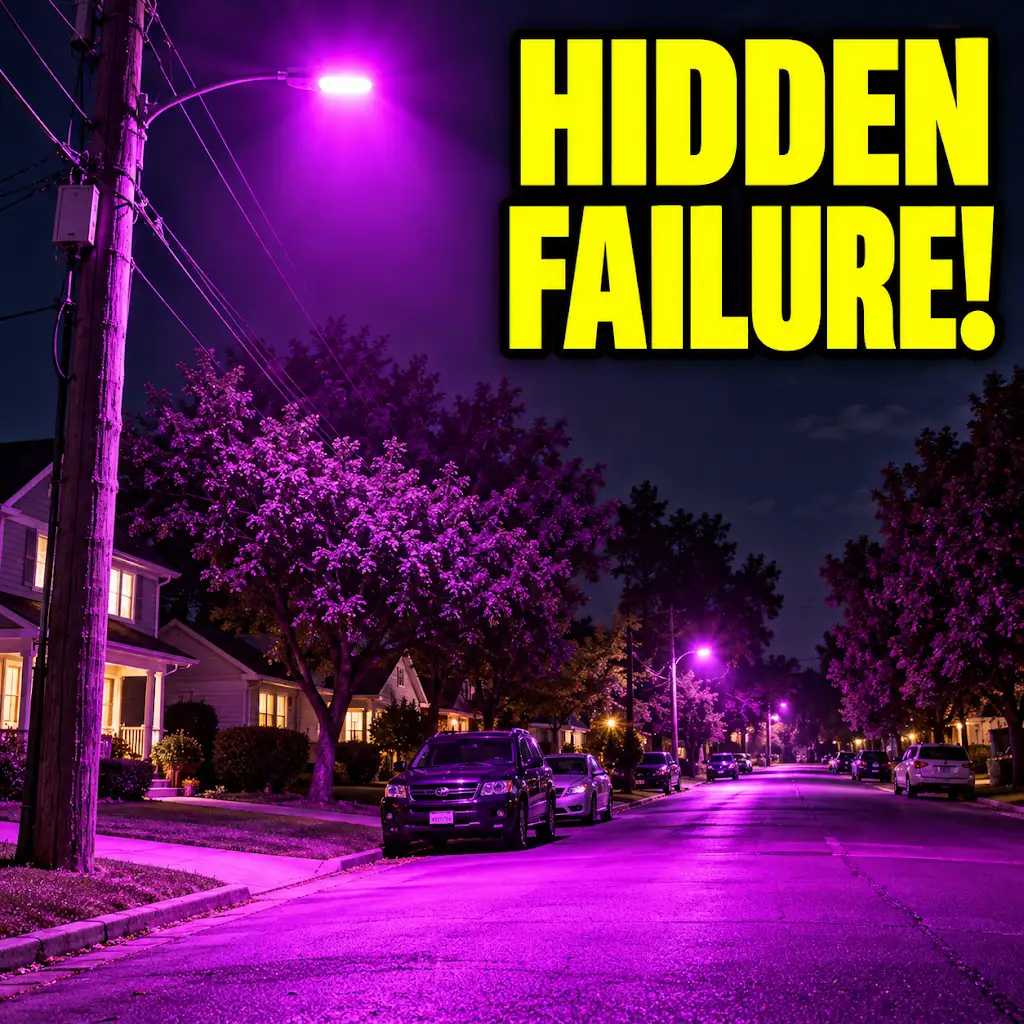
Why The Streetlights Are Turning Purple
FAQs
What is the purpose of the DOE study on purple streetlights?
The DOE study on purple streetlights aims to investigate the impact of using purple LED lights on energy consumption, visibility, and overall safety in urban areas.
How does the color purple affect visibility compared to traditional streetlight colors?
According to the DOE study, purple LED lights may provide better visibility at night compared to traditional streetlight colors like yellow or white. The study suggests that purple light may enhance contrast and depth perception for pedestrians and drivers.
Are there any potential health concerns associated with purple streetlights?
The DOE study acknowledges that exposure to certain types of LED lights, including purple light, may have potential health implications. However, the study aims to assess and address any health concerns related to the prolonged use of purple streetlights.
How do purple streetlights impact wildlife and the environment?
The DOE study includes an assessment of the effects of purple LED lights on wildlife behavior and the surrounding environment. Researchers are investigating whether purple streetlights have any adverse effects on nocturnal animals, insects, and plant life.
What are the expected outcomes of the DOE study on purple streetlights?
The DOE study on purple streetlights is expected to provide valuable insights into the feasibility and benefits of using purple LED lights in urban lighting systems. The outcomes of the study may influence future streetlight design and implementation strategies.