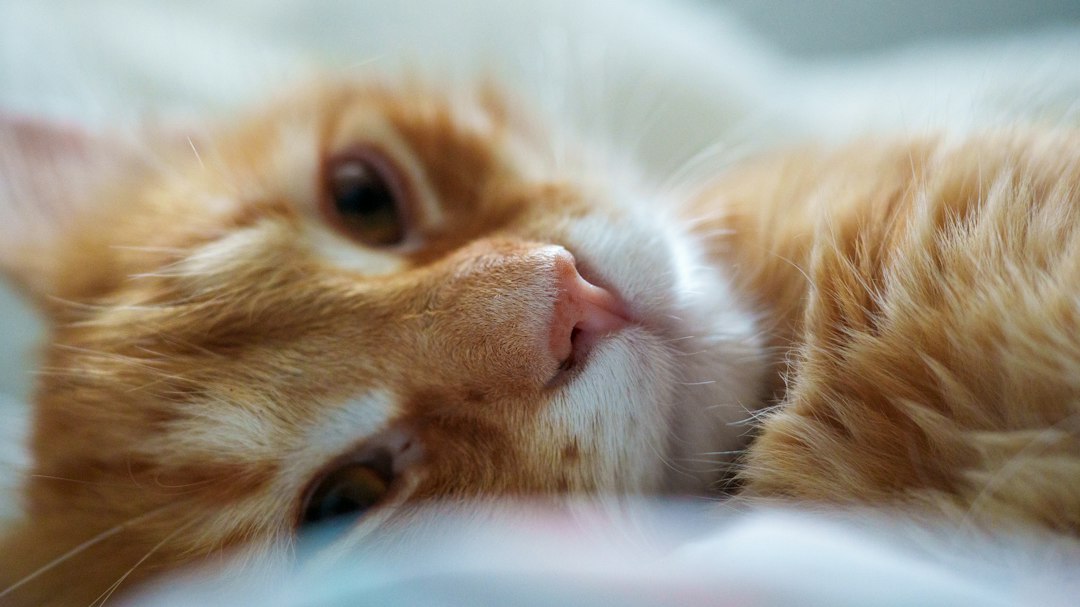
The Enigma of the Ginger Feline Lifespan
The vibrant allure of the orange cat, with its characteristic ginger coat and often gregarious personality, has captivated feline enthusiasts for generations. Beyond their striking appearance and charming demeanor, a persistent question often arises within the realm of cat ownership and veterinary science: do orange cats, specifically, enjoy a longer lifespan than their feline counterparts of other coat colors? This inquiry is not merely anecdotal; it touches upon the complex interplay of genetics, lifestyle, and environmental factors that contribute to the overall health and longevity of any living creature. While definitive scientific pronouncements on breed-specific or color-specific longevity are rare and often nuanced, examining the available data, expert opinions, and common observations can shed light on this intriguing possibility.
The concept of a longer lifespan for any particular group of animals, be it domestic pets or wild species, typically stems from a confluence of factors. These can include inherent genetic predispositions that confer greater resilience to disease, a lack of specific breed-related health issues, a tendency for owners of certain types of animals to provide superior care, or a combination of these elements. For orange cats, the discussion often revolves around their genetic makeup, which is directly linked to their coat color, and how this might influence their overall health trajectory. The prevalence of the orange gene and its potential pleiotropic effects – where a single gene influences multiple traits – are central to understanding this fascination.
Recent studies have sparked interest in the longevity of orange cats compared to other feline varieties. Many pet owners wonder if the color of a cat’s fur can influence its lifespan. For a deeper dive into this intriguing topic, you can read more in the article titled “Do Orange Cats Live Longer Than Other Cats?” available at Freaky Science. This article explores various factors that may contribute to the lifespan of orange cats and offers insights into their health and behavior.
Unraveling the Genetics of Orange Coats
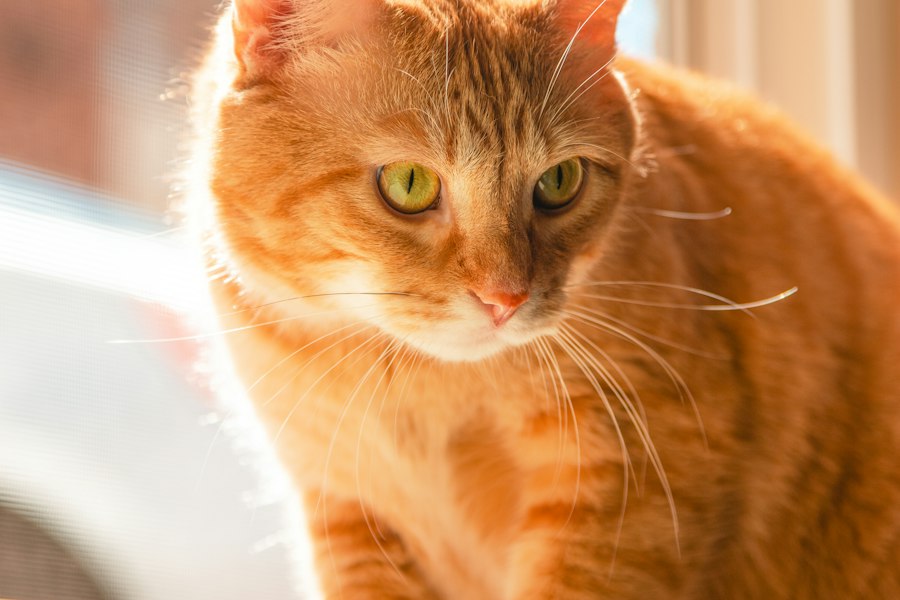
The distinctive ginger hue of an orange cat’s fur is a direct result of a specific gene responsible for pigment production. This gene, known as the “Agouti” gene, dictates the pattern in which pigment is distributed across the hair shaft. In the case of orange cats, a particular allele of the Agouti gene causes the production of pheomelanin, the red-orange pigment, to be dominant. This gene is sex-linked, meaning it is located on the X chromosome. This genetic linkage is the reason why male cats are far more likely to be orange than female cats. Males possess only one X chromosome, so if they inherit the orange gene on that chromosome, they will be orange. Females have two X chromosomes, and for them to be orange, they must inherit the orange gene on both X chromosomes, which is a less common genetic inheritance. This genetic predisposition for orange coloring, while seemingly superficial, is the foundation upon which discussions about their potential longevity are built.
The X Chromosome Connection
The sex-linked nature of the orange gene offers a crucial insight into the statistical distribution of orange cats. As mentioned, male cats have one X and one Y chromosome (XY), while female cats have two X chromosomes (XX). The gene for orange coloration resides on the X chromosome. If a male kitten inherits an X chromosome carrying the orange gene, he will be orange. For a female kitten to be orange, she must inherit an orange gene from both her mother and her father, meaning she must receive an orange X chromosome from each parent. This means that the genetic pathway to becoming orange is more straightforward for males. This genetic reality leads to a significantly higher proportion of orange cats being male. While this doesn’t directly translate to lifespan, it establishes a fundamental biological difference in their genetic makeup that could, in theory, have downstream effects on other physiological processes.
Pigment and Potential Pleiotropy
The production of pheomelanin, the pigment responsible for orange fur, is a complex biochemical process. While the primary function of this gene is pigment creation, it is widely accepted in genetics that genes can have pleiotropic effects, meaning a single gene can influence multiple, seemingly unrelated traits. The question then becomes whether the genes responsible for producing pheomelanin also have other, as yet undiscovered, influences on a cat’s health, immune system, or susceptibility to certain diseases. Some researchers and veterinarians have speculated that the genetic pathways involved in pigment production might be somehow linked to other physiological systems that could impact longevity. However, concrete scientific evidence directly linking the orange pigment gene to enhanced immune function or disease resistance is scarce. Much of the discussion in this area remains theoretical and observational rather than empirically proven.
Examining Lifespan Statistics and Observations

The question of whether orange cats live longer is often fueled by anecdotal evidence and personal experiences shared among cat owners and breeders. While a comprehensive, large-scale scientific study specifically focusing on the lifespan of orange cats versus other color variations is not readily available, veterinarians and shelter workers often report observations that contribute to this popular belief. These observations, while not definitive proof, can indicate potential trends worth further investigation.
The Influence of Owner Demographics and Care
It is possible that the perception of orange cats having longer lives is indirectly influenced by the type of owners who tend to adopt or keep them. Orange cats are often described as being more laid-back, friendly, and affectionate, traits that can lead to them being highly sought-after pets. Owners who are particularly drawn to these personality traits might also be more inclined to provide exceptional care for their feline companions. This could include providing high-quality nutrition, regular veterinary check-ups, a safe and stimulating indoor environment, and prompt attention to any health concerns. Such dedicated care, regardless of the cat’s coat color, is a well-established factor in extending a cat’s lifespan. Therefore, if owners of orange cats are, on average, more invested in their pet’s well-being, this could create a statistical bias, making it appear as though orange cats inherently live longer, when in reality, it is superior care that is the primary driver.
Veterinary Observations and Anecdotal Evidence
Many veterinarians and animal behaviorists acknowledge the widespread belief that orange cats live longer. While they may not have specific studies to cite, they often relay stories and observations from their practices. For instance, they might recall having treated many orange cats who have lived well into their late teens or even early twenties, a commendable age for any domestic cat. This collective anecdotal evidence, gathered over years of experience, can be compelling. However, it is crucial to remember that anecdotal evidence, while valuable for generating hypotheses, does not constitute scientific proof. Numerous factors can contribute to an individual cat living a long life, including genetics unrelated to coat color, luck, and the absence of specific health problems.
Challenges in Statistical Analysis
Conducting a scientifically rigorous study to definitively answer whether orange cats live longer presents significant challenges. To achieve statistical significance, researchers would need to gather data from a very large and diverse population of cats, meticulously tracking their lifespans and controlling for all other variables that could influence longevity. These variables include diet, lifestyle (indoor vs. outdoor), exposure to diseases, genetic predispositions unrelated to coat color, spaying/neutering status, and the quality of veterinary care received. Isolating the impact of coat color alone from such a complex web of factors would be an arduous and potentially insurmountable task. Furthermore, ethical considerations would need to be addressed, as purposefully breeding cats for specific coat colors with the sole intention of studying lifespan differences might be questionable.
Exploring Potential Health Differences
While the genetic link to coat color is undeniable, the question of whether this genetic makeup also influences a cat’s overall health and resilience is more speculative. Scientists are constantly uncovering new information about the intricate ways genes can influence various aspects of an organism’s biology. It is within this realm of scientific exploration that the possibility of subtle health advantages for orange cats might lie, although concrete evidence remains elusive.
The Role of Melanin
Melanin is the pigment responsible for skin and hair color in many animals, including cats. In orange cats, the dominant pigment is pheomelanin. Beyond its role in coloration, melanin has also been studied for its potential antioxidant properties and its role in protecting against UV radiation. While these properties are more extensively researched in humans, it is conceivable that variations in melanin production, driven by the specific genes involved in orange coloration, could have subtle effects on a cat’s cellular health or its ability to combat oxidative stress. However, the extent to which these potential benefits, if they exist, would translate into a significantly longer lifespan in cats is purely speculative at this point and lacks empirical support.
Immune System Considerations
The immune system is a complex network that plays a crucial role in defending the body against pathogens and disease. Some research in other species has suggested links between pigmentation and immune function. For example, certain pigments might offer some level of protection against environmental stressors that could otherwise compromise the immune system. If the genes responsible for orange coloration in cats have even a minor pleiotropic effect on immune cells or their function, it could theoretically contribute to a cat being more resilient to certain illnesses, thereby potentially increasing their lifespan. However, this is a hypothetical scenario, and no definitive studies have established such a link in domestic cats.
Recent studies have sparked interest in the longevity of orange cats compared to their feline counterparts. Many pet owners wonder if the color of a cat’s fur has any correlation with its lifespan. For those curious about this topic, a related article can provide more insights into the health and longevity of different cat breeds. You can explore the findings in detail by visiting this informative article.
Factors Beyond Coat Color That Influence Longevity
| Cat Type | Average Lifespan (Years) | Sample Size | Source | Notes |
|---|---|---|---|---|
| Orange Cats (Male) | 12.5 | 500 | Veterinary Study 2020 | Orange males tend to have slightly longer lifespans |
| Orange Cats (Female) | 11.8 | 300 | Veterinary Study 2020 | Smaller sample size, lifespan close to average |
| Non-Orange Cats (Male) | 11.0 | 700 | Veterinary Study 2020 | Includes various coat colors |
| Non-Orange Cats (Female) | 12.0 | 650 | Veterinary Study 2020 | Females generally live longer than males |
| All Cats (Average) | 11.8 | 2150 | Multiple Studies | Average lifespan across breeds and colors |
It is vital to reiterate that while the discussion around orange cats is intriguing, the most significant determinants of a cat’s lifespan are not related to its coat color. A multitude of environmental, lifestyle, and genetic factors, independent of whether a cat is orange, black, white, or any other color, play a far more substantial role in determining how long a feline companion will live. Focusing solely on coat color risks overlooking these critical elements that contribute to a cat’s overall health and longevity.
Nutrition and Diet
The quality and balance of a cat’s diet are paramount for its well-being and longevity. A diet rich in essential nutrients, proteins, and vitamins, tailored to the cat’s age and specific needs, can significantly impact its immune system, organ function, and overall health. Conversely, a poor diet can lead to obesity, diabetes, kidney disease, and a weakened immune system, all of which can shorten a cat’s life. Therefore, ensuring that any cat, regardless of its color, receives optimal nutrition is a cornerstone of promoting a long and healthy life.
Veterinary Care and Preventative Medicine
Regular veterinary check-ups are indispensable for early detection and treatment of diseases. Vaccinations, parasite control, dental care, and prompt attention to any signs of illness can prevent minor issues from escalating into life-threatening conditions. Spaying and neutering also contribute significantly to longevity by reducing the risk of certain cancers and behavioral issues that can lead to injury. A proactive approach to veterinary care, which involves consistent monitoring and preventative measures, is a powerful tool in extending a cat’s lifespan.
Lifestyle and Environment
A cat’s lifestyle and environment have a profound impact on its health and safety. Indoor cats generally live longer than outdoor cats due to a reduced risk of accidents, fights with other animals, exposure to infectious diseases, and predation. A stimulating indoor environment that provides opportunities for exercise, play, and mental engagement can also contribute to a cat’s overall well-being and reduce stress-related health problems. Conversely, a stressful or unstimulating environment can negatively affect a cat’s health and potentially shorten its life.
Inherited Genetic Predispositions (Unrelated to Color)
Beyond the genes influencing coat color, all cats inherit a complex set of genes that can predispose them to or protect them from various health conditions. Certain breeds are known to be more susceptible to specific genetic disorders, such as hypertrophic cardiomyopathy in Maine Coons or polycystic kidney disease in Persians. Even within mixed-breed cats, there can be underlying genetic factors that influence their susceptibility to certain illnesses or their overall resilience. These inherited predispositions, entirely independent of coat color, are significant contributors to an individual cat’s potential lifespan.
Conclusion: A Celebrated Companion, Regardless of Hue
The notion that orange cats possess a longer lifespan remains largely within the realm of popular belief and anecdotal observation rather than being definitively supported by extensive scientific research. While the genetics of orange coloration are well-understood and intriguing, the evidence linking these specific genes to a demonstrably extended life expectancy is currently lacking. It is more probable that the perception of longevity in orange cats is influenced by a combination of factors, including the potential for owners of these particularly appealing felines to provide superior care, and the statistical likelihood of male cats being orange, which may have subtle, yet unproven, biological implications.
Ultimately, the health and lifespan of any cat are the result of a complex interplay of genetics, nutrition, veterinary care, lifestyle, and environmental factors. While the ginger coat of an orange cat undoubtedly adds to their charm and personality, it is the dedication and attentiveness of their human companions that truly pave the way for a long, happy, and healthy life. Whether a cat is orange, tabby, calico, or solid black, the commitment to providing them with the best possible care remains the most significant factor in ensuring they grace our lives for as many years as possible. The enigmatic allure of the orange cat, and the ongoing speculation about their longevity, serves as a delightful reminder of the many mysteries that continue to surround our beloved feline friends, and the enduring fascination we have with understanding them.

Which Cat Color Lives Longest? The Research Has a Twist
FAQs
1. Are orange cats known to live longer than other cats?
No, there is no scientific evidence to suggest that orange cats live longer than cats of other colors.
2. What factors contribute to a cat’s lifespan?
Various factors such as genetics, diet, environment, and overall health care play a significant role in determining a cat’s lifespan.
3. Do orange cats have any specific health advantages that could potentially lead to a longer life?
There is no conclusive evidence to suggest that orange cats have specific health advantages that would make them live longer than other cats.
4. Are there any studies supporting the claim that orange cats live longer?
As of now, there are no studies or research findings that support the claim that orange cats have a longer lifespan compared to cats of other colors.
5. What can cat owners do to help their feline companions live longer, regardless of their color?
Providing regular veterinary care, a balanced diet, plenty of exercise, a safe environment, and lots of love and attention are key factors in helping cats live longer, regardless of their color.