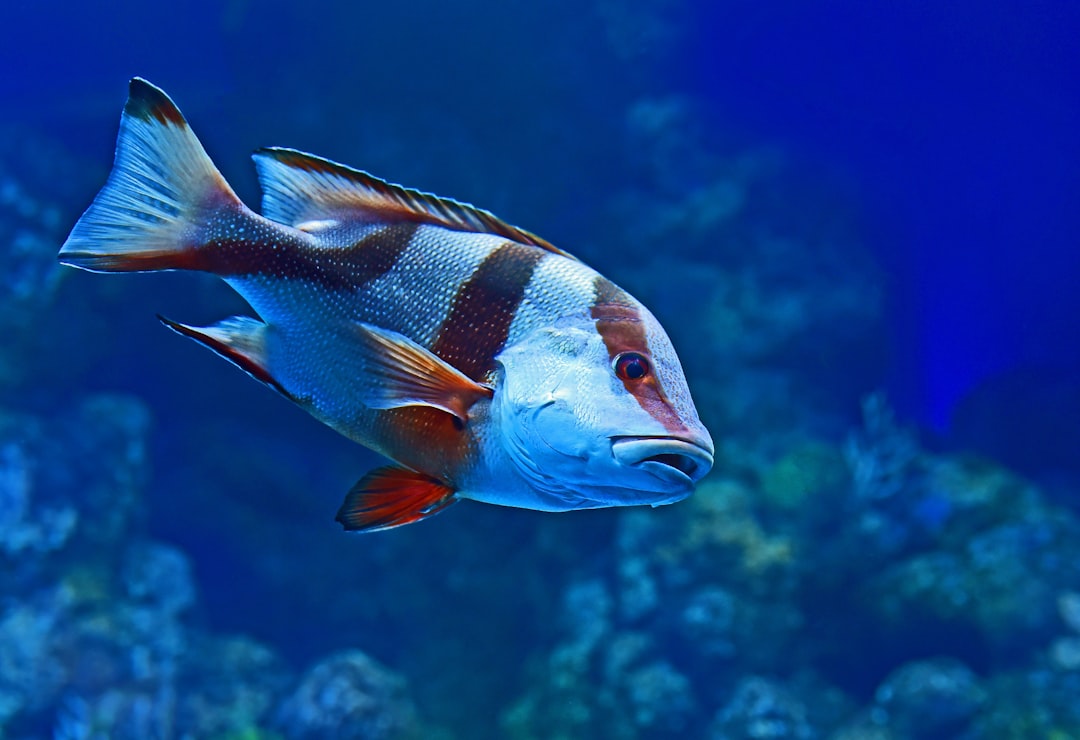
The crushing abyss, a realm of perpetual night and unfathomable pressure, harbors an astonishing diversity of life, much of which remains unknown to science. For centuries, humanity has been captivated by the mysteries of the deep sea, sending submersibles and trawls into its inky depths, only to resurface with glimpses of creatures that defy imagination. These are not the familiar, brightly colored inhabitants of sunlit reefs; these are the bizarre deep sea fish, marvels of evolution shaped by an environment so alien it would be lethal to most surface dwellers. Their existence challenges our understanding of biology, adaptation, and the sheer tenacity of life itself.
The deep sea, broadly defined as the ocean below 200 meters, is characterized by extreme conditions that necessitate radical adaptations for survival. These are the fundamental challenges that have sculpted the peculiar forms and functions of its inhabitants.
Immense Pressure: A Constant Embrace
Descending into the deep sea is akin to entering a world where the weight of the entire ocean presses down. For every 10 meters of depth, the pressure increases by approximately one atmosphere. At the abyssal plains, thousands of meters below the surface, the pressure can exceed hundreds of atmospheres – equivalent to having dozens of jumbo jets stacked on top of a single human. Most surface-dwelling organisms would be instantly crushed.
Molecular Resilience: Coping with the Squeeze
Deep-sea fish have evolved remarkable biochemical strategies to counteract this immense pressure. Their cells contain specialized molecules called piezolytes, such as trimethylamine N-oxide (TMAO), which accumulate within their tissues. These piezolytes help stabilize proteins and membranes, preventing them from deforming and malfunctioning under pressure. Without these protective compounds, the enzymes essential for life would cease to function. Furthermore, their cellular structures are often more fluid and less rigid, allowing them to adapt to the compressive forces.
Skeletal Adaptations: Less Bone, More Flexibility
The skeletons of many deep-sea fish are less ossified, meaning they have reduced bone density and are often cartilaginous. This makes them more pliable and less prone to fracture under the extreme pressure. In some species, bones are almost absent, replaced by flexible cartilage or even gelatinous tissues, allowing their bodies to compress and conform to the surrounding environment without succumbing to the crushing forces.
The Eternal Night: Navigating in Absolute Darkness
Sunlight penetrates only the uppermost layers of the ocean. Below the photic zone, the deep sea is an environment of perpetual darkness. This absence of light has profound implications for sensory perception and communication.
Eyes Adapted to the Dim: Seeing in the Black
While many deep-sea fish have lost their eyes entirely, others possess remarkably specialized ocular organs. Some have developed enormous, telescope-like eyes that are positioned to capture any stray photons of bioluminescence, effectively turning them into light-gathering machines. These eyes are often fixed, providing a narrow but highly sensitive field of vision.
The Search for Light: Bioluminescent Signals
In the absence of external light, many deep-sea creatures have evolved their own internal light-producing capabilities – bioluminescence. This can serve a multitude of purposes, from attracting prey to signaling to potential mates, and even to confuse predators. The patterns and colors of bioluminescence are as diverse as the creatures themselves, creating a silent, shimmering language in the abyss.
Sensory Compensation: Beyond Sight
For species that have lost their vision or rely less on it, other senses become paramount. Many deep-sea fish have highly developed lateral lines, a sensory organ that detects vibrations and pressure changes in the water. This allows them to “feel” their way through the darkness, sensing the movement of prey, predators, or even subtle changes in currents. In some cases, these lateral line systems are exceptionally extensive, covering large portions of their bodies.
The Chilling Depths: Survival in Near-Freezing Temperatures
The deep sea is a cold environment, with temperatures typically hovering just above freezing. Maintaining metabolic processes in such frigid conditions requires specialized adaptations.
Metabolic Slowdown: Conserving Energy
Deep-sea fish generally have slower metabolisms compared to their shallow-water counterparts. This allows them to conserve energy in an environment where food is scarce. Their movements are often slow and deliberate, maximizing efficiency.
Enzyme Efficiency: Functioning in the Cold
Similar to their adaptations to pressure, the enzymes of deep-sea fish are often adapted to function efficiently at low temperatures. They may have higher concentrations of specific enzymes or enzymes with altered structures that are more active in the cold.
Deep sea fish are some of the most bizarre and fascinating creatures on our planet, showcasing unique adaptations to their extreme environment. For those interested in learning more about these strange inhabitants of the ocean depths, a related article can be found at Freaky Science, which delves into the peculiarities and survival strategies of various deep sea species.
A Gallery of the Peculiar: Iconic and Astonishing Deep Sea Fish
The extreme conditions of the deep sea have given rise to a menagerie of bizarre and wonderful creatures, each a testament to the power of natural selection.
Anglerfish: The Lures of the Abyss
Perhaps the most iconic of deep-sea dwellers, anglerfish are renowned for their unique hunting strategy.
The Bioluminescent Lure: A Deadly Beacon
The most striking feature of many anglerfish is a fleshy appendage, known as the esca, that extends from their head. This esca is bioluminescent, acting as a living lure to attract unsuspecting prey. Tiny bacteria living symbiotically within the esca produce the light, which can be pulsed or kept steady, mimicking the allure of smaller organisms.
Sexual Dimorphism: A Parasitic Partnership
In some anglerfish species, a dramatic sexual dimorphism exists. The tiny male, often only a fraction of the size of the female, seeks her out in the vast darkness. Upon finding her, he bites into her body and fuses with her tissues, becoming a parasitic appendage that provides sperm in exchange for nutrients. He essentially becomes a living sperm bank for the female.
Deep sea fish are some of the most bizarre creatures on our planet, showcasing unique adaptations that allow them to thrive in extreme conditions. For those intrigued by these fascinating organisms, a related article can be found at Freaky Science, which delves into the strange and often surreal world of deep-sea life. From bioluminescent species to those with unusual body shapes, the depths of the ocean continue to surprise scientists and enthusiasts alike.
Viperfish: The Fangs of the Deep
The viperfish, with its menacing appearance, is another formidable predator of the deep.
Enormous Teeth: A Gaping Maw
Viperfish are characterized by their disproportionately large, needle-sharp teeth, which are so long they cannot fit entirely inside their mouths. These teeth are crucial for impaling and securing prey in the lightless depths, where a missed opportunity can mean starvation.
The Role of Bioluminescence: Counterillumination and Lures
Like many deep-sea fish, viperfish also employ bioluminescence. They possess photophores, light-producing organs, along their bodies. These can be used for counterillumination, a form of camouflage where their undersides are lit to match the faint ambient light from above, making them less visible to predators hunting from below. Some also have bioluminescent lures to attract prey.
Blobfish: The Melancholy of the Deep
The blobfish, often hailed as the world’s ugliest animal, is a creature whose appearance is drastically altered by its environment.
Pressure-Induced Transformation: A Gelatinous Demeanor
In its natural habitat, thousands of meters below the surface, the blobfish’s gelatinous body is supported by the immense pressure. When brought to the surface, however, the lack of pressure causes its flesh to lose its structural integrity, resulting in its characteristic droopy, almost melted appearance. This is a stark reminder of how an organism’s form is intrinsically linked to its environment.
A Sedentary Lifestyle: Patience as a Virtue
Blobfish are believed to be largely sedentary, lying on the seabed and waiting for food to drift by. Their dense, gelatinous flesh allows them to float just above the seafloor without expending much energy, conserving precious resources in their food-scarce environment.
Gulper Eel (Pelican Eel): The Vast Gullet
The gulper eel, also known as the pelican eel, is a creature with a mouth that appears comically disproportionate to its body.
An Enormous Mouth: A Net for Prey
The most striking feature of the gulper eel is its massive, gaping mouth, which can be several times the size of its body. This enormous mouth is lined with flexible skin that allows it to expand significantly, enabling the eel to engulf prey much larger than itself.
The Function of the Jaws: More Than Just Opening
The upper jaw of the gulper eel is not fused to its skull, giving it exceptional mobility. This allows it to open its mouth to an astonishing degree, acting like a net to capture any unfortunate creature that swims too close. The stomach is also highly distensible, capable of holding large meals.
Fangtooth: The Teeth That Threaten
The fangtooth fish boasts some of the largest teeth relative to body size of any fish.
Impressive Dentition: Overcoming Size Disadvantage
Despite its relatively small size, the fangtooth possesses formidable fangs that are longer than its own eyes. These teeth are designed to seize and hold onto prey, and they are so large that the fish cannot close its mouth completely.
Adaptive Strategy: Ambush Predator of the Twilight Zone
Fangtooth are thought to be ambush predators, lurking in the twilight zone and using their impressive dentition to snag any prey that crosses their path. Their bioluminescent organs may also play a role in attracting or disorienting their victims.
Survival Strategies: Ingenuity in the Abyss
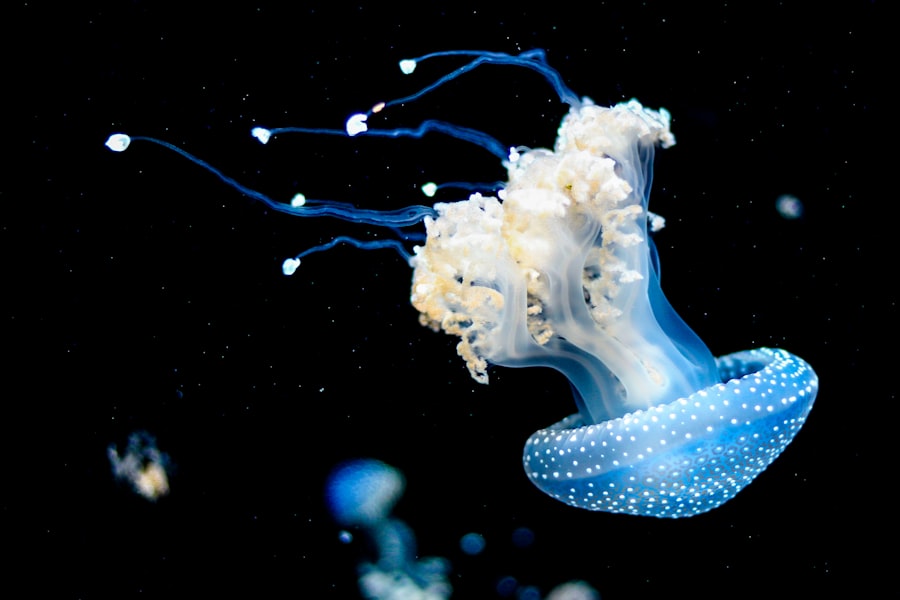
Beyond the physical adaptations, deep-sea fish employ a range of behavioral and physiological strategies to thrive in their extreme environment.
Predation Tactics: The Art of the Catch
The scarcity of food in the deep sea drives a constant evolutionary arms race between predator and prey.
Lures and Ambush: The Waiting Game
As seen with the anglerfish and fangtooth, many deep-sea predators rely on lures or sit-and-wait ambush tactics. Bioluminescent lures attract curious smaller organisms, drawing them directly into the jaws of the predator. Other species remain motionless, camouflaged against the seabed, waiting for an unsuspecting meal to wander within striking distance.
Specialized Hunting Mouths: More Than Just a Hole
The mouths of deep-sea fish are often highly specialized. The gulper eel’s distensible jaws are a prime example, allowing it to consume prey that would otherwise be too large. Other species may have extendable jaws or specialized teeth for gripping slippery prey.
Defense Mechanisms: Evading the Ever-Present Threat
The deep sea is not only a place of predation but also of being prey. Survival hinges on effective evasion.
Camouflage and Mimicry: Blending In
Bioluminescence plays a crucial role in defense. Counterillumination, where the underside of a fish is lit to match the faint light from above, is a common strategy to avoid detection by predators hunting from below. Some species may also mimic the bioluminescent patterns of other, more dangerous creatures.
Evasive Maneuvers: Quick Escapes in Slow Motion
While many deep-sea fish are slow-moving, some possess the ability to accelerate rapidly when threatened. The surprise and speed of such an escape can be enough to deter a predator in the otherwise languid environment.
Reproduction in the Dark: Finding a Mate in the Vastness
The sheer size of the ocean and the limited mobility of many deep-sea creatures make finding a mate a significant challenge.
Chemical Signals: The Scent of Love
Many deep-sea species rely on chemical signals, or pheromones, to attract mates. These scent trails can drift through the water, guiding individuals towards each other across vast distances.
Bioluminescent Displays: A Visual Courtship
Bioluminescent patterns can also be used in courtship. Specific flashing sequences or displays can signal readiness to mate and attract a partner. This creates a silent, visual courtship in the darkness.
Unraveling the Mysteries: The Ongoing Exploration of the Deep Sea
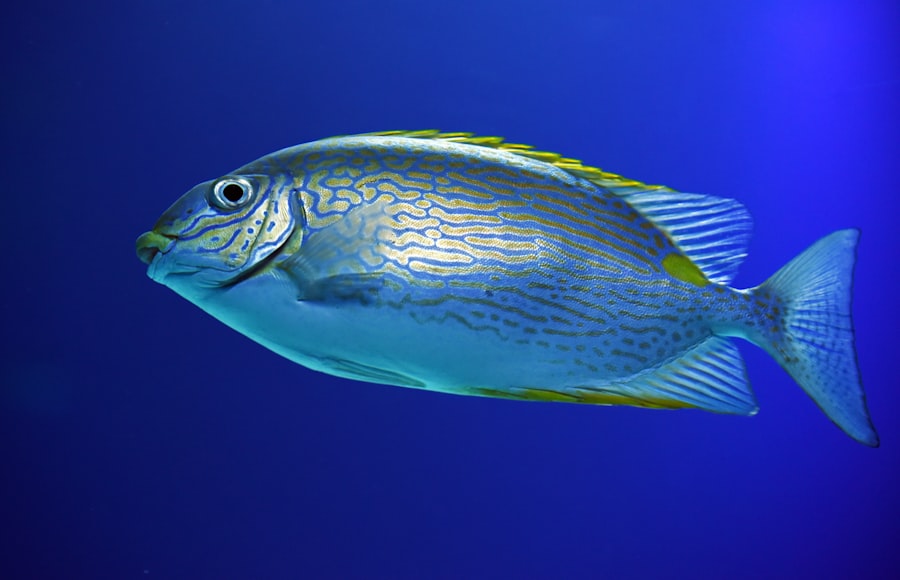
Despite our technological advancements, the deep sea remains one of the least explored frontiers on Earth. Each expedition brings back new discoveries and further deepens our appreciation for the alien wonders that reside within its depths.
The Role of Technology: Submersibles and ROVs
Modern exploration relies heavily on advanced technology. Human-occupied submersibles and remotely operated vehicles (ROVs) equipped with high-definition cameras, sampling tools, and lights allow scientists to venture into the abyss and observe these creatures in their natural habitat without the disruptive effects of traditional trawling.
Challenges of Sampling: Preserving Fragile Life
Collecting specimens from the deep sea is a delicate process. The drastic change in pressure and temperature when bringing organisms to the surface can be fatal and can alter their appearance. Scientists are developing sophisticated methods for capturing and preserving these fragile creatures to study them effectively.
The Importance of Deep Sea Research: Beyond Curiosity
The study of deep-sea fish is not merely an exercise in satisfying human curiosity. These organisms offer invaluable insights into fundamental biological processes and the potential for novel applications.
Bioprospecting: Unlocking Nature’s Pharmacy
The unique biochemical compounds found in deep-sea organisms, evolved to withstand extreme conditions, hold immense potential for drug discovery and biotechnology. From new antibiotics to enzymes that function under extreme temperatures or pressures, the deep sea is a vast, untapped reservoir of natural resources.
Understanding Earth’s Ecosystems: The Unseen Influences
Deep-sea ecosystems play a crucial role in global biogeochemical cycles, influencing everything from carbon sequestration to nutrient distribution. Understanding the inhabitants of these depths is essential for comprehending the health and functioning of our planet as a whole.
The bizarre deep-sea fish are more than just strange creatures; they are living laboratories, showcasing the extraordinary adaptability of life. Their existence is a powerful reminder of the vast unknowns that still lie beneath the waves, urging us to continue our exploration and to protect these remarkable, alien worlds. Each new discovery in the crushing, dark, and cold expanse further expands our understanding of what life is capable of, and the wonders that await our gaze in the planet’s most mysterious realm.

The Deeper You Go, the Less Life Looks Like Life
FAQs
What are some examples of weird deep sea fish?
Some examples of weird deep sea fish include the anglerfish, gulper eel, vampire squid, barreleye fish, and the fangtooth fish.
How do deep sea fish survive in extreme conditions?
Deep sea fish have adapted to survive in extreme conditions by having special features such as bioluminescence, large mouths and stomachs to consume scarce prey, and the ability to withstand high pressure and low temperatures.
What is bioluminescence and how do deep sea fish use it?
Bioluminescence is the production and emission of light by a living organism. Deep sea fish use bioluminescence to attract prey, communicate, and camouflage themselves in the dark depths of the ocean.
Why are deep sea fish considered weird?
Deep sea fish are considered weird due to their unusual physical characteristics, such as transparent bodies, large teeth, and unique hunting methods. Their adaptations to extreme environments also contribute to their “weird” reputation.
What are some threats to deep sea fish populations?
Some threats to deep sea fish populations include overfishing, habitat destruction from deep sea trawling, pollution, and climate change. These factors can have a significant impact on the delicate ecosystems of the deep sea.