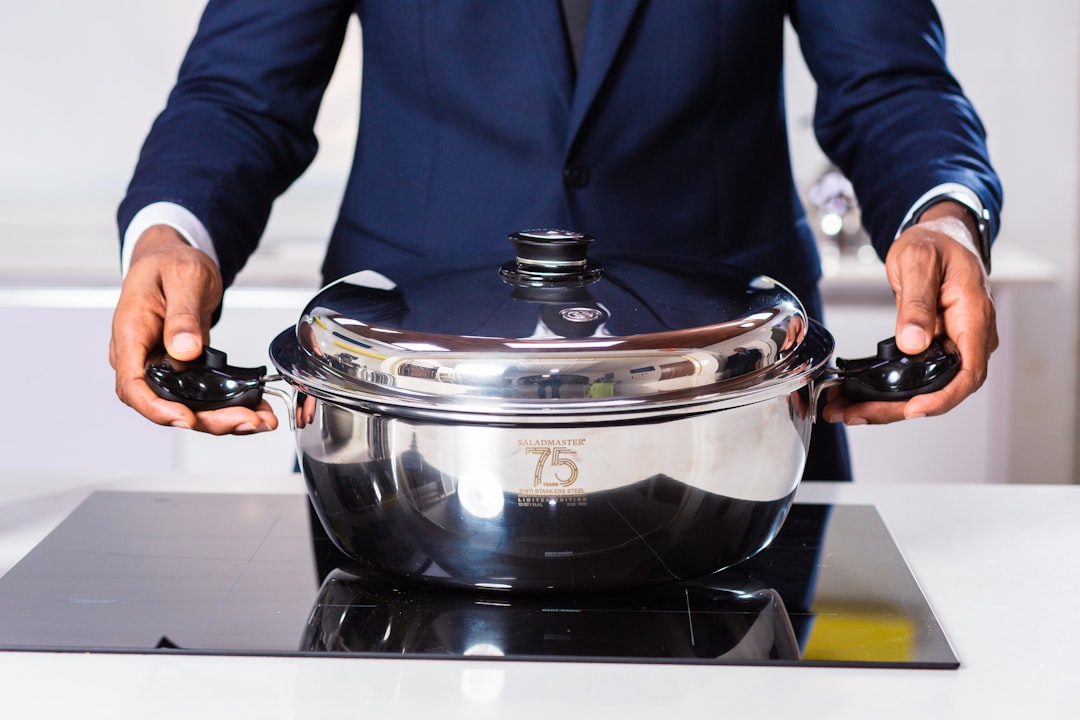
You’re standing in your kitchen, the aroma of dinner wafting through the air. You reach out, tap a control, and your pan begins to heat up almost instantaneously. No glowing coils, no visible flame – just pure, direct heat. This is the magic of induction cooking, and understanding the science behind it unlocks a whole new level of appreciation for your stove. Forget the archaic dance of flames or the slow, even bake of resistive elements; induction offers a precise, responsive, and efficient way to cook, all thanks to a fascinating interplay of electromagnetism.
At its core, induction cooking is a testament to the principles of electromagnetism, a fundamental force that governs the interaction between electric charges and magnetic fields. You’ve likely encountered this concept before, perhaps with magnets sticking to your refrigerator or the hum of an electric motor. On your induction stove, this invisible power is harnessed and directed with remarkable finesse. It’s a symphony of electrons and magnetic flux, orchestrated to generate heat precisely where you want it.
The Basics of Electromagnetism
Imagine electricity as a flow of tiny particles called electrons. When these electrons move, they create a magnetic field around them. Conversely, a changing magnetic field can induce an electric current in a nearby conductor. This reciprocal relationship is the bedrock of electromagnetism. On your induction stove, a specially designed coil underneath the ceramic glass surface acts as the conductor. When electricity flows through this coil, it generates a rapidly oscillating magnetic field.
Ampere’s Law and Faraday’s Law of Induction
Two fundamental laws of physics govern this process. Ampere’s Law describes how electric currents create magnetic fields, explaining how the electricity flowing through the induction coil generates its magnetic field. Faraday’s Law of Induction, on the other hand, is the key to the heating itself. It states that a changing magnetic field through a conductive loop will induce an electromotive force (which drives electric current) in that loop. In your induction stove, the changing magnetic field from the coil induces currents within the base of your cookware.
The Role of the Ceramic Glass
The ceramic glass surface of your induction stove isn’t just for aesthetics; it plays a crucial role. It’s a non-conductive material, meaning it doesn’t readily allow electricity to flow through it. This is vital because you don’t want the stovetop itself to become a heating element. The ceramic glass effectively insulates the powerful magnetic field generated beneath it from the surrounding environment, ensuring that the heat is concentrated only in the cookware placed directly on top.
Induction stoves are known for their efficiency in heating pans directly, which significantly reduces cooking time and energy consumption. This technology works by generating an electromagnetic field that directly heats the cookware, rather than relying on a flame or electric coil. For a deeper understanding of how induction cooking works and its benefits, you can read more in this related article on Freaky Science: Freaky Science.
The Induction Coil: The Heart of the Operation
The induction coil, typically made of copper, is the unsung hero of your induction stove. This carefully wound component is responsible for generating the magnetic field that ultimately heats your food. Its design and the frequency of the alternating current flowing through it are critical to the stove’s performance. It’s a precision-engineered device that transforms electrical energy into a directed magnetic force.
Alternating Current (AC) Explained
Unlike direct current (DC), which flows in a single direction (like from a battery), alternating current (AC) periodically reverses its direction. Your home’s electrical supply is AC, and this alternating nature is what allows for the creation of a changing magnetic field. The rapid reversal of electron flow in the induction coil creates a magnetic field that is constantly expanding and collapsing. This dynamic magnetic field is the engine of induction cooking.
Generating the Oscillating Magnetic Field
When AC electricity is fed into the induction coil, the electrons within the copper wire surge back and forth. This constant movement and reversal of charge create a powerful, oscillating magnetic field that emanates from the coil. The frequency of this oscillation is quite high, typically in the range of 20-50 kHz (kilohertz), meaning the magnetic field is changing direction tens of thousands of times per second. This rapid fluctuation is essential for efficient induction.
Coil Design and Placement
The shape and arrangement of the induction coil are meticulously engineered to maximize the magnetic field’s effectiveness and ensure even heating. The coil is usually a flat spiral, positioned directly beneath the ceramic glass. The diameter and number of turns in the coil are optimized to work with standard cookware sizes and to create a magnetic field that penetrates the base of the pan effectively. The proximity of the coil to the cookware is also a key factor.
Induced Currents and Resistive Heating: The Genesis of Heat

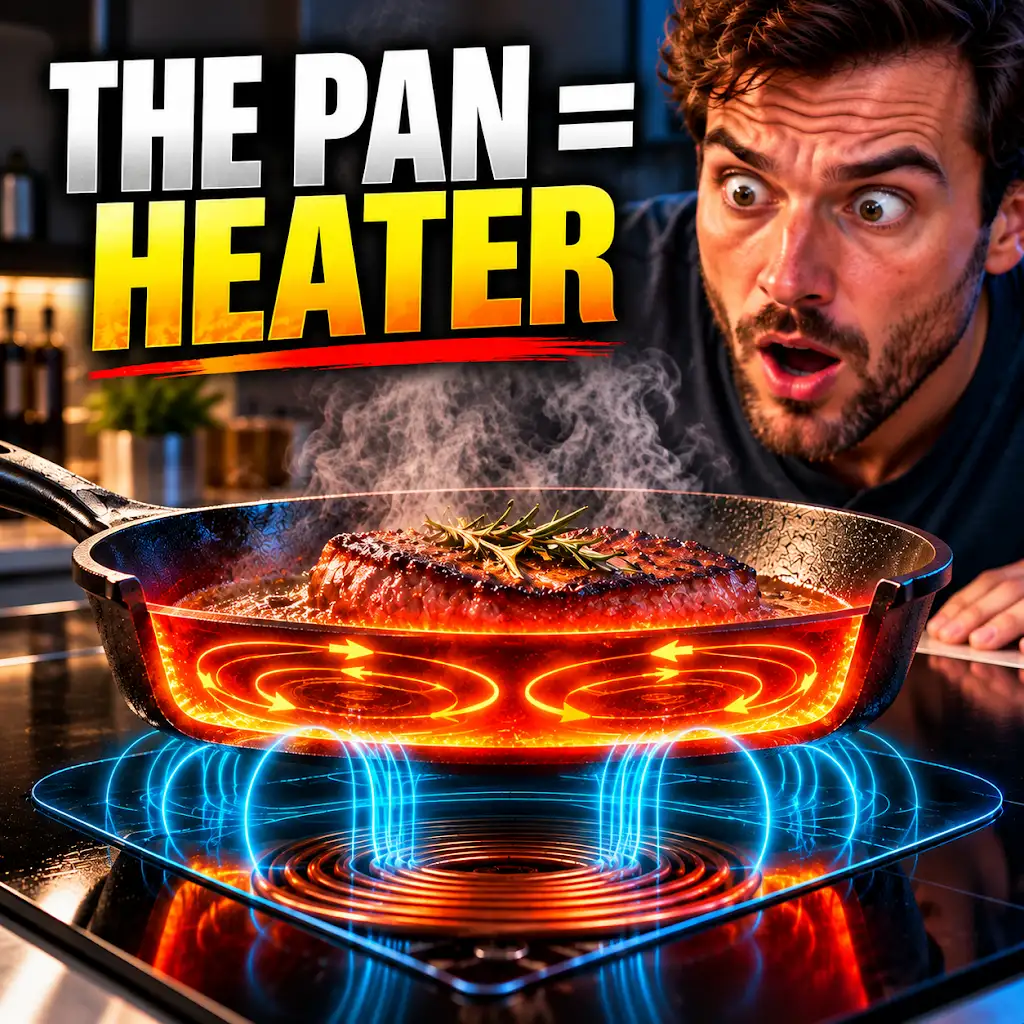
Here’s where the magic truly happens. The oscillating magnetic field generated by the induction coil doesn’t directly heat your food. Instead, it interacts with the base of your cookware, inducing electrical currents within it. These induced currents then encounter resistance within the metal of the pan, and this resistance is what generates heat. It’s a two-step process, but the result is incredibly efficient heat transfer.
Eddy Currents Explained
The changing magnetic field from the induction coil penetrates the base of a compatible pot or pan. According to Faraday’s Law, this induces circulating currents within the metallic base of the cookware. These currents are known as “eddy currents” because they flow in swirling, eddy-like patterns. The magnetic field from the coil essentially “pushes and pulls” the electrons in the pan’s base, causing them to flow in these circular paths.
The Role of Electrical Resistance
Metals, while good conductors of electricity, still possess some degree of electrical resistance. As the eddy currents flow through the metal of the pan, they encounter this resistance. This friction between the moving electrons and the atoms of the metal causes energy to be released in the form of heat. The greater the resistance, the more heat is generated for a given current. This is the fundamental principle of resistive heating, also known as Joule heating.
Why Special Cookware is Required
This is why not all pots and pans work on an induction stove. For eddy currents to be induced and generate significant heat, the cookware must be made of a ferromagnetic material. Ferromagnetic materials, like cast iron and certain types of stainless steel, have a high magnetic permeability, meaning they readily interact with magnetic fields and allow eddy currents to form and flow efficiently. Aluminum, copper, and glass, which are not ferromagnetic, will not be heated by an induction stove because they do not effectively support the induction of significant eddy currents.
Efficiency and Precision: The Advantages of Induction
The directness of induction cooking translates into significant advantages in terms of efficiency and precision. Because the heat is generated directly within the cookware, there’s minimal energy loss to the surrounding environment. This means faster cooking times and greater control over your culinary creations.
Energy Conservation
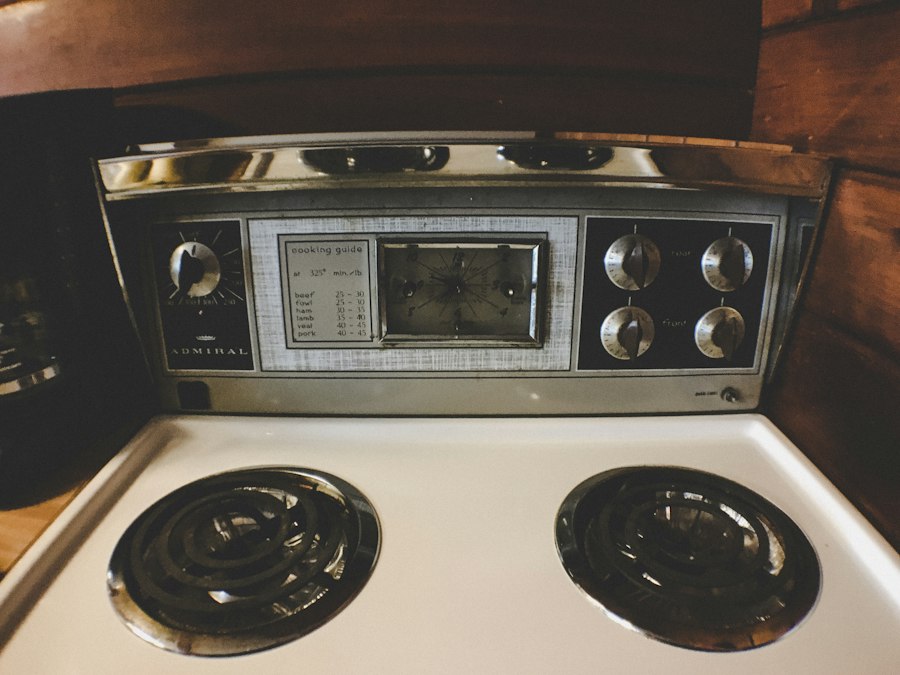
Traditional stovetops, whether electric coil or gas, lose a considerable amount of heat to the air around the cooking vessel. Imagine a gas flame licking up the sides of your pan – much of that heat is going nowhere near your food. Electric coil stoves also radiate heat upwards, warming your kitchen. Induction, however, focuses the energy directly into the base of the pan. This drastically reduces wasted energy, making induction cooking one of the most energy-efficient methods available. Studies often show induction stoves to be significantly more energy-efficient than their gas or electric counterparts.
Rapid Heating and Cooling
The instantaneous nature of magnetic field generation means that induction stoves heat up and cool down almost immediately. As soon as you turn up the power, the magnetic field intensifies, and heat begins to build in the pan. Conversely, when you reduce the power or turn off the burner, the magnetic field collapses, and the heating stops almost instantly. This responsiveness is a game-changer for cooks who need to make quick adjustments to temperature, preventing overcooking and allowing for precise control during delicate cooking processes.
Precise Temperature Control
This rapid heating and cooling translates directly into superior temperature control. You can achieve very low simmer temperatures with incredible stability, perfect for delicate sauces or braising. At the same time, you can crank up the heat for a rapid sear. The digital displays on most induction stoves often allow you to set precise wattages or temperature levels, giving you unprecedented control over your cooking environment. This level of precision is often difficult to achieve with gas or traditional electric stoves, where ambient temperature fluctuations and the inertia of the heating element can make fine-tuning challenging.
Safety Features
The fact that the stovetop surface itself does not get as hot as with other methods also contributes to safety. While the cookware becomes hot, the ceramic surface around it remains relatively cool, significantly reducing the risk of accidental burns. Many induction stoves also feature automatic shut-off if no cookware is detected or if the cookware is removed from the surface, further enhancing safety. This is a significant advantage, especially in households with children or pets.
Induction stoves are designed to heat pans directly through electromagnetic induction, which makes them highly efficient compared to traditional cooking methods. This technology allows the cookware itself to generate heat, resulting in faster cooking times and reduced energy consumption. For a deeper understanding of how this innovative cooking method works, you can explore a related article that delves into the science behind induction heating and its benefits. Check it out here to learn more about the fascinating principles that make induction stoves a popular choice in modern kitchens.
Beyond the Heat: The Future of Induction Cooking
| Metric | Value | Explanation |
|---|---|---|
| Heating Efficiency | 80-90% | Induction stoves transfer energy directly to the pan, reducing heat loss. |
| Heat Transfer Method | Electromagnetic Induction | Generates eddy currents in the pan, causing it to heat up directly. |
| Surface Temperature | Relatively Low | Cooktop surface remains cooler since heat is generated in the pan itself. |
| Response Time | Milliseconds | Instant heat adjustment due to direct heating of the pan. |
| Energy Loss | Minimal | Less energy wasted compared to gas or electric coil stoves. |
| Pan Material Requirement | Ferromagnetic | Pans must be made of magnetic materials to work with induction. |
Induction technology is not just about faster cooking; it’s about a more intelligent and integrated approach to the kitchen. As the technology evolves, we’re seeing increasingly sophisticated features and innovative applications that promise to reshape how we cook and interact with our appliances.
Smart Kitchen Integration
The future of induction cooking is undeniably linked to the “smart kitchen.” Many modern induction stoves can now connect to your home Wi-Fi, allowing for remote control via smartphone apps. Imagine preheating your stove from your living room or receiving notifications when your food is ready. This connectivity also opens doors for integrated recipe apps that can automatically adjust cooking temperatures and times based on your chosen dish, taking the guesswork out of complex recipes.
Advanced Cooking Modes and Sensors
Beyond basic temperature control, induction stoves are incorporating advanced cooking modes and built-in sensors. Some models feature sensors that can detect the exact temperature of your pan, allowing for precise frying or simmering without constant monitoring. Other advanced modes might include specific settings for boiling, simmering, searing, or even sous vide integration, offering a truly versatile cooking platform.
Enhanced Durability and Aesthetics
Induction technology allows for sleeker and more durable designs. The flat, smooth ceramic glass surface is not only easy to clean but also offers a modern aesthetic that complements contemporary kitchen designs. The absence of exposed heating elements means less wear and tear, contributing to a longer lifespan for the appliance. The robust nature of the components also means that these stoves are built to last.
Environmental Considerations
The energy efficiency of induction cooking also makes it an environmentally friendly choice. By reducing energy consumption, you’re contributing to a lower carbon footprint. As the world moves towards more sustainable energy solutions, induction stoves are well-positioned to become the standard for efficient and responsible home cooking. Their ability to utilize renewable energy sources more effectively further solidifies their eco-friendly credentials.
In conclusion, the science behind induction stoves is a fascinating blend of physics and engineering. By harnessing the power of electromagnetism, these innovative appliances offer a cooking experience that is faster, more precise, and more energy-efficient than traditional methods. As the technology continues to advance, induction cooking is set to play an even more prominent role in the modern kitchen, transforming the way you prepare your favorite meals. So, the next time you experience the almost magical responsiveness of your induction cooktop, you can appreciate the invisible forces at play, working diligently to bring your culinary visions to life.
The Pan Is the Heater: How Induction Cooking Really Works
FAQs
What is an induction stove?
An induction stove is a type of cooktop that uses electromagnetic energy to heat pots and pans directly, rather than relying on a traditional heating element like gas or electric stoves.
How do induction stoves work?
Induction stoves work by creating a magnetic field that induces a current in the metal of the pot or pan. This current generates heat directly in the cookware, allowing for precise and efficient cooking.
Why do induction stoves heat pans directly?
Induction stoves heat pans directly because the magnetic field created by the stove interacts with the metal in the cookware, causing it to heat up. This direct heat transfer is what makes induction cooking so fast and efficient.
What are the benefits of using an induction stove?
Some benefits of using an induction stove include faster cooking times, more precise temperature control, and increased energy efficiency compared to traditional gas or electric stoves. Induction stoves also cool down quickly once the cookware is removed.
Are there any limitations to using an induction stove?
One limitation of using an induction stove is that it requires cookware with a magnetic bottom, such as cast iron or stainless steel. Additionally, induction stoves may be more expensive upfront compared to traditional stoves, but they can save money in the long run due to their energy efficiency.