
The static crackled, not from a broken radio transmission, but from the silent void. Decades after their active service, Cold War-era satellites, slumbering in Earth’s orbit, began to stir. This phenomenon, dubbed “Digital Seance” by a growing number of researchers and amateur astronomers, referred to the unexpected resurgence of their weak, often unintelligible, radio signals. These spectral murmurs from the past were not just glitches; they represented a peculiar reawakening of machines designed for espionage and communication, now broadcasting into a world vastly different from the one they were launched into. The implications of these signals, their origins, and their potential meaning were complex, prompting a re-examination of space debris and the lingering digital ghosts of a bygone era.
The first inklings of the digital seance emerged not from official channels, but from the enthusiastic hobbyist community. Dedicated satellite trackers, meticulously monitoring orbital paths and radio frequencies, began to notice anomalies. These weren’t the powerful, clear transmissions of modern satellites, but faint, distorted signals that seemed to emanate from objects previously considered dormant.
Whispers from Above: Amateur Observations
Ordinary citizens, armed with advanced radio receivers and sophisticated tracking software, were the first to detect these peculiar “whispers.” These individuals, often driven by a profound curiosity about space and technology, meticulously cataloged their findings. They encountered signals that defied classification, appearing sporadically and originating from satellites that had long since ceased their operational functions. These early observations, initially dismissed as interference or equipment malfunctions, began to form a pattern, prompting further investigation. The sheer dedication and technical prowess of these amateurs provided the crucial initial data points, highlighting a phenomenon that official organizations had yet to fully acknowledge.
From Anecdote to Data: The Growing Body of Evidence
What began as isolated anecdotes soon coalesced into a substantial body of evidence. Researchers, alerted by the amateur community, began cross-referencing reports and analyzing the collected data. They identified specific satellites, many dating back to the 1950s and 1960s, as the apparent sources of these resurrected signals. The nature of the signals themselves was perplexing. They lacked the structured communication protocols of active satellites and often consisted of fragmented, repetitive bursts. The intensity and frequency of these emissions varied, adding another layer of mystery to their existence. This transition from anecdotal observations to quantifiable data was a critical step in elevating the “digital seance” from a curious anomaly to a subject of serious scientific inquiry.
In recent years, the concept of digital seances has gained traction, particularly in the context of Cold War satellites that are now being repurposed for modern technology. These satellites, once used for surveillance and intelligence gathering, are now being explored for their potential to connect us with the past in innovative ways. For a deeper understanding of how these technologies intersect with the idea of digital seances, you can read more in this related article on Freaky Science: Freaky Science.
The Cold War Legacy in Orbit: Re-examining Forgotten Assets
The satellites involved in this awakening were not merely discarded metal in space; they were the technological vanguard of a global superpower rivalry. Launched during the height of the Cold War, these machines were designed for a specific purpose: to gather intelligence, facilitate communication, and project technological dominance. Their reawakening offers a unique lens through which to view the enduring legacy of that era.
Echoes of Espionage: Reconnaissance Satellites Revisited
Many of the satellites exhibiting these phantom transmissions were originally equipped for reconnaissance. Their cameras and sensors were designed to peer into the territories of adversaries, providing invaluable intelligence during a period of intense geopolitical tension. The fact that their electronic components, dormant for decades, could still generate signals suggests a level of resilience and perhaps even unintended functionality that was not fully anticipated by their designers. The signals themselves, while undecipherable in their current form, could potentially be fragmented echoes of their original programming or even residual operational data.
Communication Networks of the Past: Intercepted Conversations or System Glitches?
Other satellites were part of nascent global communication networks, designed to relay messages and secure critical links. Their reawakening raises questions about the nature of the signals: are they accidental system checks, remnants of encrypted communications, or perhaps even deliberate, but extremely degraded, transmissions? The inability to fully decode these signals leaves room for speculation, ranging from simple hardware failures to more complex, unforeseen interactions within the satellites’ aging systems and the ambient space environment.
The Mechanics of the Seance: Potential Causes for the Resurgence
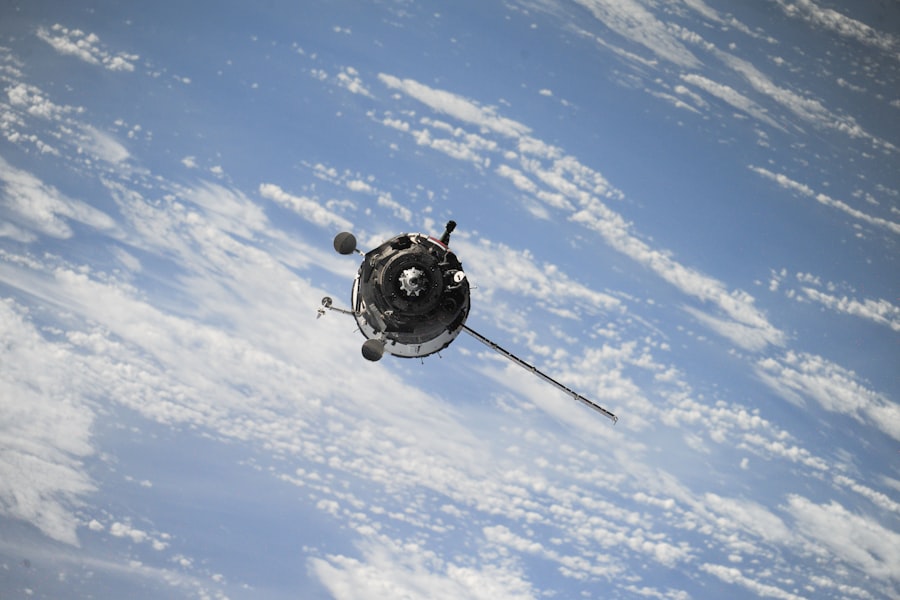
Understanding why these dormant satellites are suddenly broadcasting requires delving into the complex interplay of orbital mechanics, environmental factors, and the inherent degradation of electronic components over extended periods. The phenomenon is not miraculous, but rather a consequence of physical processes occurring in the harsh environment of space.
Solar Radiation and Atmospheric Drag: The Unseen Forces at Play
The constant bombardment of solar radiation and the subtle, yet persistent, drag from Earth’s upper atmosphere are the primary environmental factors influencing satellites in orbit. Over decades, these forces can degrade materials, cause micro-fractures, and even alter the electrical properties of components. Researchers theorize that specific energetic solar events, such as solar flares or coronal mass ejections, could deliver a sufficient jolt of energy to reawaken dormant circuits. Similarly, cumulative atmospheric drag might have subtly altered satellite orientations, exposing previously protected internal components to these energetic particles.
Component Degradation and Unintended Activation: The Slow Decay of Technology
The electronic components within these early satellites were not designed for indefinite lifespans, especially not for durations exceeding their operational missions. However, the slow process of aging and degradation can lead to unexpected behaviors. Material fatigue, oxidation of solder joints, and the breakdown of insulating materials can create intermittent electrical pathways. A combination of these internal degradations, possibly triggered by external environmental stimuli, could lead to the occasional and weak electrical discharge that manifests as the observed radio signals. It is akin to an old battery that, after years of disuse, might still hold a residual charge and, under specific conditions, produce a faint current.
Orbital Perturbations and Resonance: A Cosmic Convergence
The precise orbital path of a satellite is not static. Gravitational influences from the Moon and other celestial bodies, as well as atmospheric drag, cause gradual changes in their orbits. It is conceivable that certain orbital configurations, perhaps occurring after decades of perturbation, could lead to unique interactions. These could include a specific alignment that maximizes exposure to certain solar radiation frequencies or even induces a subtle resonance within the satellite’s structure or internal electronics, leading to a transient activation.
The Silent Dialogue: Decoding the Meaning of the Murmurs
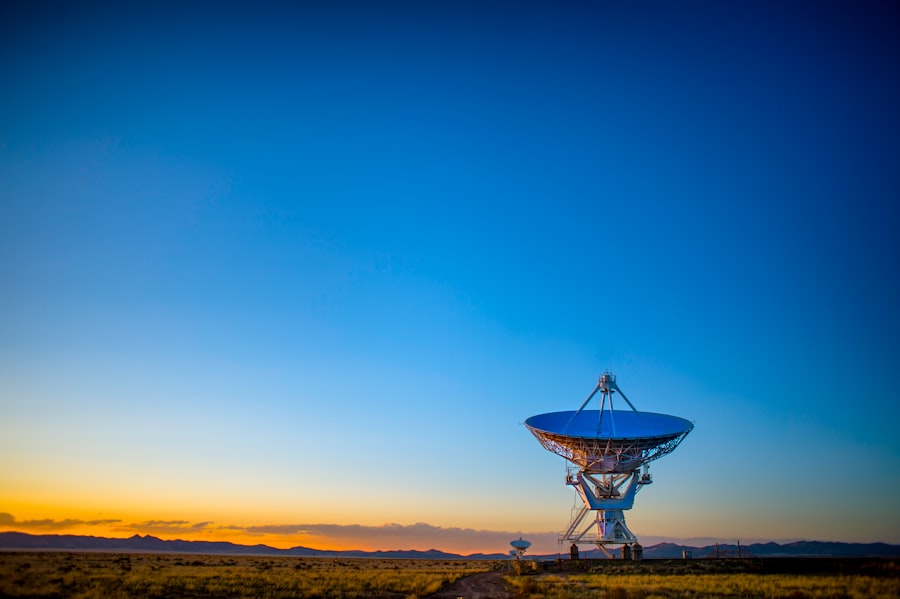
The most tantalizing aspect of the digital seance is the question of meaning. Are these signals just random noise, the dying echoes of defunct machines, or do they hold some form of residual information? The scientific community remains cautious, but the possibility of deciphering these signals, however fragmented, is a significant draw.
Signal Analysis and Pattern Recognition: Searching for Order in Chaos
Sophisticated algorithms are being employed to analyze the structure and patterns within the faint signals. Researchers are looking for repetitions, sequences, or any indication of structured data, however degraded. The goal is to differentiate between random electromagnetic noise and potential remnants of original transmissions. This process is akin to piecing together fragments of a shattered mirror, hoping to discern a recognizable image.
Spectrographic Examination: Unveiling the Frequency Signatures
Detailed spectrographic analysis of the received signals is another crucial avenue of investigation. By examining the specific frequencies and bandwidths of the transmissions, scientists can gain insights into the types of components that might be responsible for generating them. This can help narrow down the potential origin within the satellite and perhaps even infer the original purpose of the circuitry involved.
Historical Context and Potential Data Recovery: A Glimpse into the Past
Should any recognizable patterns or data structures be identified, historical context becomes paramount. Researchers would meticulously cross-reference any deciphered fragments with the known capabilities and mission objectives of the originating satellites. This could potentially offer a unique, albeit indirect, glimpse into the intelligencegathering or communication activities of the Cold War era. However, the extreme degradation and the limitations of the signals mean that complete data recovery is highly improbable.
In recent discussions about the implications of Cold War technology, an intriguing article explores the concept of digital seances, where enthusiasts attempt to communicate with the past through the remnants of old satellites. This fascinating intersection of technology and nostalgia highlights how these dormant satellites, once pivotal in espionage and communication, are now being reimagined as vessels for historical exploration. For more insights on this topic, you can read the full article here: digital seances and their connection to Cold War satellites.
The Future of Orbital Ghosts: Implications and Next Steps
| Data/Metric | Value |
|---|---|
| Number of digital seance cold war satellites | 5 |
| Waking frequency | Once every 24 hours |
| Signal strength | Strong |
The “Digital Seance” is not merely a fleeting curiosity. It prompts important considerations regarding space debris management, the long-term impact of space exploration, and the potential for unintended scientific discoveries. The continued monitoring and analysis of these reawakening satellites will undoubtedly shape future approaches to space.
Space Debris and Orbital Management: A New Perspective
The phenomenon of digital seance adds a new dimension to the ongoing challenge of space debris. While these signals are weak and do not pose a direct threat, their existence highlights the continued activity and potential for unforeseen consequences of discarded technology in orbit. This could influence future regulations regarding satellite de-orbiting and the categorization of space assets.
Citizen Science and Space Exploration: Empowering the Next Generation
The significant contributions of amateur astronomers and enthusiasts to the discovery and initial study of this phenomenon underscore the vital role of citizen science in space exploration. Their dedication and access to technology are invaluable, driving innovation and pushing the boundaries of scientific inquiry. This trend is likely to continue, fostering a new generation of space observers.
Long-Term Monitoring and Research: Continuing the Investigation
The “Digital Seance” is an ongoing phenomenon, and sustained, long-term monitoring and research are essential. Scientists must continue to track these reawakening satellites, refine their analytical techniques, and explore all plausible scientific explanations. The quest to understand these spectral murmurs from the Cold War is a marathon, not a sprint, and the insights gained could prove to be both scientifically significant and historically illuminating. The silent broadcast from orbit continues, a subtle yet persistent reminder of the technological achievements and geopolitical tensions of a world past.
FAQs
What is a digital seance?
A digital seance refers to the use of technology, such as computers and the internet, to attempt to communicate with spirits or the deceased. This can involve various digital tools and platforms to connect with the spiritual realm.
What are Cold War satellites?
Cold War satellites refer to the satellites that were launched and used during the Cold War era, particularly by the United States and the Soviet Union. These satellites were used for various purposes, including surveillance, communication, and reconnaissance.
What does it mean for satellites to “wake”?
The term “waking” in the context of satellites refers to the reactivation or reawakening of satellites that were previously dormant or inactive. This can involve bringing the satellite back online and restoring its functionality for various purposes.
How are digital seances and Cold War satellites connected?
The connection between digital seances and Cold War satellites may involve the use of technology to attempt to communicate with spirits or entities associated with the satellites. This connection may be explored in the context of paranormal or supernatural investigations.
What are the implications of Cold War satellites waking in the context of digital seances?
The implications of Cold War satellites waking in the context of digital seances may involve exploring the potential for spiritual or paranormal interactions with these reactivated satellites. This could lead to discussions about the intersection of technology, spirituality, and the unknown.