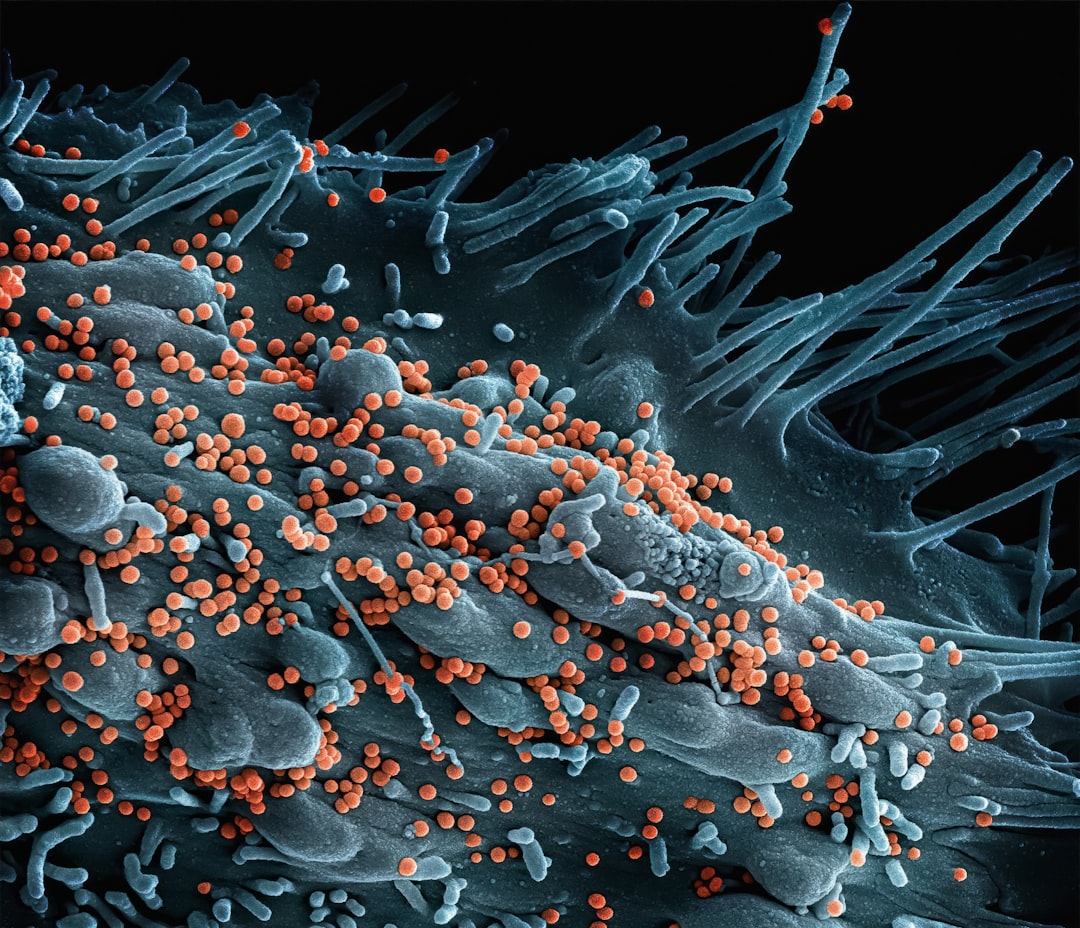
You might not think about it often, but your gut is a bustling metropolis, brimming with an astonishing variety of microscopic life. This intricate ecosystem, known as your gut microbiome, is central to your overall health, influencing everything from your digestion to your mood, and even your immune system. Among the countless residents of this inner world, bacteria are the most prominent and perhaps the most crucial. Yet, the delicate balance of these bacterial populations is constantly under threat, from the foods you eat to the medications you take. This is where your gut’s secret weapon comes into play: its remarkable ability to detect and manage these bacterial inhabitants.
The Silent Sentinels: How Your Gut Recognizes Bacteria
Your gut isn’t a passive recipient of everything you consume. Instead, it’s equipped with an sophisticated surveillance system, constantly monitoring the microbial landscape within. This system relies on specialized cells and molecular mechanisms to distinguish between “friendly” bacteria, essential for your well-being, and “harmful” ones, which can cause disease. Think of it as a highly trained security force, diligently patrolling the borders of your intestinal lining.
The Innate Immune System: Your First Line of Defense
At the forefront of this detection are the cells of your innate immune system. These are your body’s rapid responders, always on alert. They possess a remarkable ability to recognize broad patterns associated with microbial invaders, rather than specific species.
Pattern Recognition Receptors (PRRs): Molecular Antennas
On the surface of various immune cells, including those lining your gut, are specialized receptors called Pattern Recognition Receptors (PRRs). These act like molecular antennas, constantly scanning for common structures found on bacteria, such as the lipopolysaccharide (LPS) on the outer membrane of Gram-negative bacteria or the peptidoglycan in the cell walls of both Gram-positive and Gram-negative bacteria. These structures are often referred to as Pathogen-Associated Molecular Patterns (PAMPs).
Toll-Like Receptors (TLRs): Key Detectors
A particularly important family of PRRs are the Toll-Like Receptors (TLRs). You have a variety of TLRs, each designed to recognize specific PAMPs. For instance, TLR4 is a critical sensor for LPS, a potent trigger of inflammation. When TLR4 encounters LPS, it initiates a cascade of signaling events within the cell, alerting the immune system to the presence of potentially harmful bacteria. Similarly, TLR2 can detect peptidoglycans and other bacterial components.
NOD-Like Receptors (NLRs): Intracellular Guardians
Beyond receptors on the cell surface, your gut cells also possess intracellular guardians. The NOD-Like Receptors (NLRs) reside within the cytoplasm and are capable of detecting bacterial components that may have breached the cell membrane or are present within vesicles. This dual system ensures that no bacterial intruder can go unnoticed.
Distinguishing Friend from Foe: The Nuance of Detection
It’s crucial to understand that your gut’s detection system isn’t just about identifying “bad” bacteria. It’s also about recognizing and tolerating the “good” bacteria, your commensals, that contribute to your health. This is achieved through several clever mechanisms.
Lipopolysaccharide (LPS) Modification: A Bacterial Camouflage
While LPS is a potent immune trigger, the specific structure of LPS can vary between different bacterial species. Some commensal bacteria have evolved modified LPS structures that are less inflammatory. Your immune system can distinguish these subtle differences, leading to a dampened inflammatory response. Think of it as a slightly different accent that your body recognizes as belonging to a peaceful resident, rather than an invader.
Short-Chain Fatty Acids (SCFAs): The Peacekeepers
Beneficial gut bacteria, particularly those that ferment dietary fibers, produce Short-Chain Fatty Acids (SCFAs) like butyrate, propionate, and acetate. These SCFAs are not only energy sources for your gut cells but also possess potent anti-inflammatory properties. They can directly interact with immune cells, modulating their response and promoting tolerance to commensal bacteria. Butyrate, in particular, is a favorite food of your colonocytes (cells lining your colon) and plays a vital role in maintaining the integrity of your gut barrier.
Epithelial Cell Communication: The Gut Barrier’s Role
The cells lining your gut, the intestinal epithelial cells, form a crucial barrier, preventing bacteria from entering your bloodstream. These cells are not just passive barriers; they actively communicate with the immune system. When they detect bacterial products, they can release signals that either alert the immune system to a threat or, conversely, promote a tolerogenic response. This communication is a finely tuned dance, ensuring appropriate responses.
Recent research has shed light on the fascinating ways our gut detects bacteria, revealing that the gut microbiome plays a crucial role in our overall health and immune response. For a deeper understanding of this topic, you can explore the article on gut health and its relationship with bacterial detection at Freaky Science. This resource provides insights into how our digestive system interacts with various microorganisms and the implications for our well-being.
The Immune Response: Reacting to Bacterial Signals
Once your gut has detected the presence of bacteria, particularly those deemed potentially harmful, a sophisticated immune response is initiated. This response aims to neutralize the threat, eliminate the offending microbes, and restore balance to the gut ecosystem.
Inflammation: A Double-Edged Sword
Inflammation is a fundamental part of the immune response, a process that brings immune cells and molecules to the site of infection to fight pathogens. In your gut, this can manifest as redness, swelling, and pain. However, chronic or excessive inflammation can be detrimental.
Cytokine Production: The Chemical Messengers
Upon detecting bacterial PAMPs, immune cells in your gut release signaling molecules called cytokines. Some cytokines, like tumor necrosis factor-alpha (TNF-α) and interleukins (ILs) such as IL-1 and IL-6, are pro-inflammatory. They recruit more immune cells to the area, increase blood flow, and promote fever. Others, like IL-10, are anti-inflammatory, working to dampen the immune response and prevent excessive damage.
Neutrophil Recruitment: The First Responders on the Scene
Neutrophils are a type of white blood cell that are among the first responders to bacterial infections. Your gut’s detection system signals for neutrophils to migrate from the bloodstream into the gut tissue, where they can engulf and destroy bacteria through a process called phagocytosis.
Macrophage Activation: The Mighty Eaters
Macrophages are larger immune cells that also play a crucial role in phagocytosis. Once activated by bacterial signals, they become highly efficient at engulfing and digesting bacteria. They also play a critical role in presenting pieces of the bacteria to other immune cells, initiating a more targeted adaptive immune response.
The Adaptive Immune System: A Targeted Strike
While your innate immune system provides rapid, non-specific defense, your adaptive immune system offers a more targeted and memory-based response. This is essential for efficiently clearing specific pathogens and preventing future infections.
B Cells and Antibodies: The Specialized Weapons
B cells are responsible for producing antibodies, Y-shaped proteins that can bind specifically to bacterial antigens (molecules on the surface of bacteria). These antibodies can neutralize bacteria in several ways: by blocking their ability to attach to host cells, by marking them for destruction by other immune cells (a process called opsonization), or by activating the complement system, a cascade of proteins that can directly kill bacteria.
T Cells: The Commanders and the Fighters
T cells are another crucial component of the adaptive immune system. Helper T cells act as commanders, coordinating the immune response by releasing cytokines that activate other immune cells. Cytotoxic T cells, on the other hand, are the fighters; they can directly kill infected host cells, preventing the spread of intracellular bacteria. In the context of gut bacteria, regulatory T cells (Tregs) are particularly important for promoting tolerance to commensal bacteria and preventing autoimmune reactions within the gut.
Maintaining Balance: The Gut’s Sophisticated Regulatory Mechanisms
The constant struggle to maintain a healthy gut microbiome involves not just detection and elimination but also sophisticated regulatory mechanisms that ensure a delicate balance. This is crucial for preventing both overzealous immune responses against beneficial bacteria and unchecked proliferation of harmful ones.
Gut Barrier Integrity: The First and Last Line of Defense
The intestinal epithelial barrier is not only a physical barrier but also a dynamic interface that interacts with the gut microbiome. Maintaining its integrity is paramount.
Tight Junctions: The Molecular Glue
The epithelial cells are held together by complex protein structures called tight junctions. These junctions form a seal that prevents bacteria and other unwanted substances from passing between cells and entering the bloodstream. Your gut immune system plays a role in regulating the strength and permeability of these tight junctions.
Mucus Layer: The Protective Shield
A thick layer of mucus covers the intestinal epithelium. This mucus acts as a physical barrier, trapping bacteria and preventing them from directly contacting the epithelial cells. Beneficial bacteria can thrive in the mucus layer, while harmful bacteria are often flushed away.
Gut-Associated Lymphoid Tissue (GALT): The Immune Hub
Your gut contains a vast network of immune tissue known as the Gut-Associated Lymphoid Tissue (GALT). This is where many immune cells reside and where immune responses are initiated and coordinated.
Peyer’s Patches: The Listening Posts
Peyer’s patches are specialized structures within the GALT that are strategically located to sample the contents of your gut. They contain immune cells that can detect bacteria and initiate immune responses. Crucially, Peyer’s patches are involved in promoting oral tolerance, the active suppression of immune responses to antigens ingested in food and from commensal bacteria.
Intraepithelial Lymphocytes (IELs): The On-Site Guards
Scattered throughout the intestinal epithelium are Intraepithelial Lymphocytes (IELs). These immune cells are constantly patrolling the barrier, ready to respond immediately to any breaches or signs of bacterial invasion. They are a critical part of your gut’s immediate defense.
When the System Fails: Dysbiosis and Its Consequences
Despite your gut’s impressive defense mechanisms, the balance can be disrupted. This disruption, known as dysbiosis, occurs when the composition and function of your gut microbiome are altered, often leading to an overgrowth of harmful bacteria or a depletion of beneficial ones. When your gut’s detection and regulatory systems become overwhelmed or dysfunctional, problems can arise.
Triggers of Dysbiosis: Modern Life’s Toll
Several factors in your daily life can contribute to dysbiosis, impacting your gut’s ability to maintain its delicate balance.
Antibiotics: The Broad-Spectrum Cleansers
While antibiotics are life-saving medications, they are often broad-spectrum, meaning they kill a wide range of bacteria, both good and bad. This can decimate your beneficial gut flora, leaving you vulnerable to the overgrowth of opportunistic pathogens or the emergence of antibiotic-resistant bacteria.
Diet: Fueling the Wrong Microbes
Your diet plays a significant role in shaping your gut microbiome. Diets high in processed foods, sugar, and unhealthy fats can promote the growth of harmful bacteria and inflammatory responses. Conversely, diets rich in fiber from fruits, vegetables, and whole grains nourish beneficial bacteria and support a healthy gut.
Stress and Lifestyle: The Unseen Influences
Chronic stress, lack of sleep, and sedentary lifestyles can also negatively impact your gut microbiome. These factors can alter gut motility, increase inflammation, and affect the gut barrier, creating an environment conducive to dysbiosis.
Consequences of Dysbiosis: A Ripple Effect
The imbalance caused by dysbiosis can have far-reaching consequences for your health.
Digestive Issues: The Obvious Signs
The most immediate signs of dysbiosis often manifest as digestive problems. You might experience bloating, gas, diarrhea, constipation, or abdominal pain. These symptoms arise because the altered microbial balance is hindering proper digestion and nutrient absorption.
Immune System Dysregulation: Beyond the Gut
When your gut’s immune system is chronically stimulated by dysbiosis, it can lead to a state of low-grade, systemic inflammation. This dysregulation can contribute to a range of conditions, including inflammatory bowel diseases (IBD) like Crohn’s disease and ulcerative colitis, food sensitivities, allergies, and even autoimmune disorders.
Mental Health Connections: The Gut-Brain Axis
The connection between your gut and your brain, known as the gut-brain axis, is increasingly recognized. Dysbiosis can influence this communication, potentially contributing to mood disorders like anxiety and depression, as well as cognitive issues. Certain gut bacteria produce neurotransmitters that can directly affect brain function.
Recent research has shed light on the fascinating ways our gut detects bacteria, revealing the complex interactions between gut microbiota and our immune system. This intricate relationship plays a crucial role in maintaining our overall health and can influence everything from digestion to mood. For a deeper understanding of this topic, you can explore a related article that discusses the mechanisms behind gut detection of harmful bacteria and its implications for our well-being. Check it out here: related article.
Nurturing Your Gut’s Secret Weapon: Empowering Your Defense
The good news is that you have a significant role to play in supporting and strengthening your gut’s remarkable detection and defense mechanisms. By making conscious choices, you can foster a thriving gut microbiome and bolster its ability to keep you healthy.
Dietary Strategies: Feeding Your Allies
Your diet is your most powerful tool for influencing your gut microbiome.
Fiber-Rich Foods: The Prebiotic Powerhouses
Embrace a diet rich in dietary fiber. Fruits, vegetables, whole grains, legumes, and nuts are packed with prebiotics – non-digestible carbohydrates that selectively feed beneficial gut bacteria. These bacteria then ferment these fibers, producing those crucial SCFAs that benefit your gut lining and immune system.
Fermented Foods: Probiotic Powerhouses
Incorporate fermented foods into your diet, such as yogurt with live and active cultures, kefir, sauerkraut, kimchi, and kombucha. These foods are rich in probiotics – live beneficial bacteria that can temporarily colonize your gut and contribute to a healthier microbial balance.
Avoiding Processed Foods and Excessive Sugar: Starving the Invaders
Minimize your intake of processed foods, sugary drinks, and artificial sweeteners. These can promote the growth of harmful bacteria and contribute to inflammation, effectively starving your beneficial allies.
Lifestyle Choices: Supporting the Ecosystem
Beyond diet, your lifestyle choices also profoundly impact your gut health.
Stress Management Techniques: Calming the Inner Chaos
Implement stress management techniques into your daily routine. Practices like meditation, yoga, deep breathing exercises, and spending time in nature can help reduce chronic stress, which has a direct impact on your gut.
Regular Exercise: Promoting Gut Mobility and Diversity
Engage in regular physical activity. Exercise not only improves overall health but also promotes healthy gut motility, preventing stagnation and encouraging a more diverse microbiome.
Adequate Sleep: Repair and Restoration
Prioritize getting enough quality sleep. During sleep, your body undergoes repair and restoration processes, including those that support a healthy gut. Chronic sleep deprivation can disrupt this balance.
Probiotics and Prebiotics: Targeted Support
In some cases, targeted use of probiotics and prebiotics may be beneficial, particularly after antibiotic use or when experiencing digestive discomfort. It’s always advisable to consult with a healthcare professional or registered dietitian to determine if these supplements are appropriate for you and to select the right strains and dosages.
Your gut is a complex and dynamic system, a testament to the intricate dance between your body and the microbial world. Understanding how your gut detects bacteria, mounts an immune response, and maintains balance empowers you to make informed choices that nurture this vital internal ecosystem. By actively supporting your gut’s secret weapon, you are investing in your overall health and well-being for years to come. Remember, the power to foster a healthy gut lies within your daily habits and conscious choices.

The Hidden Sense Inside Your Gut
FAQs
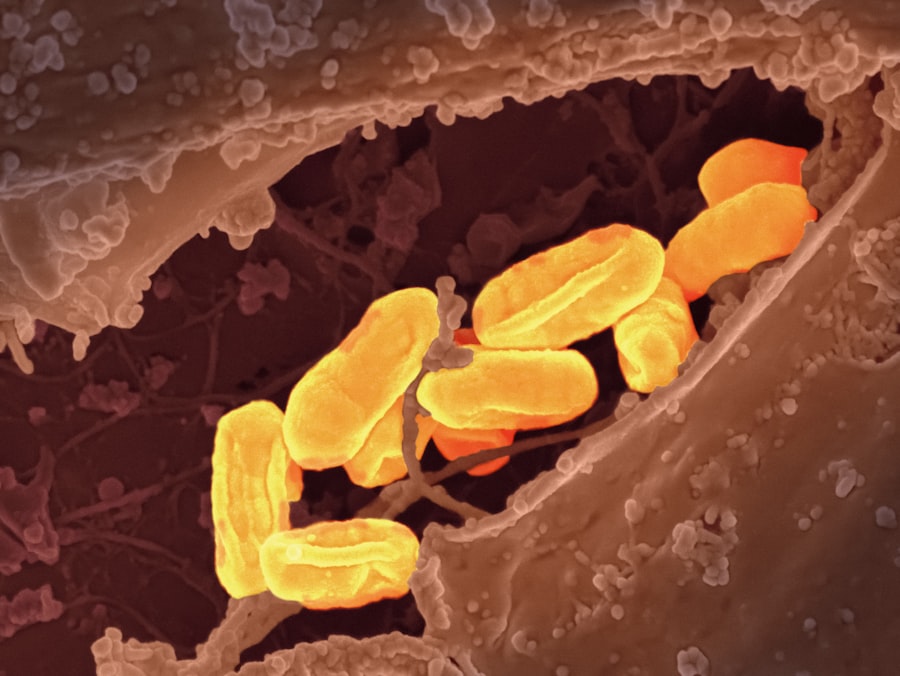
What is the gut microbiota?
The gut microbiota refers to the community of microorganisms, including bacteria, viruses, fungi, and other microbes, that reside in the digestive tract. These microorganisms play a crucial role in digestion, metabolism, and immune function.
How does the gut detect bacteria?
The gut detects bacteria through a complex system involving specialized cells in the intestinal lining, known as epithelial cells, and immune cells. These cells are equipped with pattern recognition receptors that can identify specific molecules found on the surface of bacteria, triggering an immune response.
What role does the gut microbiota play in immune function?
The gut microbiota plays a critical role in immune function by helping to train the immune system to distinguish between harmful pathogens and beneficial microorganisms. It also helps to regulate inflammation and protect against infections.
Can an imbalance in the gut microbiota lead to health problems?
Yes, an imbalance in the gut microbiota, known as dysbiosis, has been linked to a range of health problems, including inflammatory bowel diseases, obesity, diabetes, and autoimmune disorders. Maintaining a healthy balance of gut microorganisms is important for overall health.
How can we support a healthy gut microbiota?
Supporting a healthy gut microbiota involves consuming a diverse range of fiber-rich foods, fermented foods, and prebiotics. Additionally, avoiding excessive use of antibiotics and maintaining a healthy lifestyle, including regular exercise and managing stress, can also support a healthy gut microbiota.