You might not realize it, but you’re walking around with a universe humming within you. This intricate network, often dubbed your “second brain,” is your gut nervous system, or enteric nervous system (ENS). For too long, it’s been relegated to the background, an afterthought to the much-celebrated brain nestled comfortably in your skull. But it’s time to change that perception. You’re about to embark on a journey to demystify the gut nervous system, to understand its profound influence on your well-being, and how its intricate workings, once shrouded in mystery, are now coming under the spotlight of scientific inquiry. Prepare to have your understanding of digestion, mood, and even your immune system fundamentally reshaped.
You’ve likely experienced that distinct “gut feeling,” that intuitive nudge that guides your decisions. While you might attribute it to something ethereal, it’s quite literally rooted in your digestive tract. The ENS is a complex web of neurons, neurotransmitters, and supporting cells that reside within the walls of your gastrointestinal tract, stretching from your esophagus all the way to your anus. It’s a remarkable system, capable of functioning independently of your central nervous system (CNS), though it’s constantly in communication with it.
A Neuronal Powerhouse
Imagine a miniature brain, meticulously orchestrated and spread across your gut. That’s essentially what you’re dealing with. The ENS contains hundreds of millions of neurons, a number that rivals that of your spinal cord and even the olfactory bulb in your brain. These neurons are organized into two main plexuses: the myenteric plexus (also known as Auerbach’s plexus), which lies between the longitudinal and circular muscle layers of the gut wall, and the submucosal plexus (also known as Meissner’s plexus), located in the submucosa, just beneath the inner lining.
The Myenteric Plexus: The Movement Maestro
This plexus is primarily responsible for controlling the muscular contractions of your gut. You know those rhythmic waves of muscle action that propel food along your digestive tract? That’s the myenteric plexus in full swing. It governs the motility, the speed and strength of these contractions, ensuring that food is processed efficiently and in the right sequence. It also plays a role in regulating blood flow to the gut and mediating some aspects of nutrient absorption.
The Submucosal Plexus: The Secretory Specialist
Down in the submucosa, your submucosal plexus is busy orchestrating a symphony of secretions. It controls the release of digestive enzymes, hormones, and other crucial substances that break down food, absorb nutrients, and protect the gut lining. Think of it as the chemical engineer of your digestive system, ensuring that the right ingredients are deployed at the right time to optimize nutrient extraction and waste removal.
Independent Operations: A Self-Contained World
The most astonishing aspect of the ENS is its autonomy. It can sense and respond to local conditions within the gut without direct input from the CNS. This means that even if the connection to your brain were severed, your gut could still digest food, absorb nutrients, and eliminate waste. This incredible independence allows for rapid and precise adjustments to the ever-changing environment of your digestive tract, a crucial adaptation for survival.
Reflexes You Don’t Control
Many of your digestive processes operate on a reflex level, managed entirely by your ENS. For instance, when food enters your stomach, it triggers a cascade of signals within the ENS that initiate the churning and the release of digestive juices. Similarly, the presence of chyme (partially digested food) in the small intestine triggers reflexes that slow down stomach emptying and prepare the next section of the intestine for its arrival. You don’t have to consciously think about these actions; your ENS handles them seamlessly.
Sensing the Inner Landscape
Your ENS is equipped with a sophisticated array of sensory receptors that constantly monitor the internal environment of your gut. These receptors can detect the presence of nutrients, the pH levels, the stretch of the intestinal walls, and even the presence of potentially harmful bacteria. This continuous feedback loop allows the ENS to make real-time adjustments to maintain homeostasis and ensure efficient digestion.
The gut nervous system, often referred to as the enteric nervous system, plays a crucial role in our overall health and well-being by regulating digestion and communicating with the brain. For a deeper understanding of this fascinating topic, you can explore a related article that delves into the intricate connections between the gut and the brain, highlighting how our digestive health can influence mental health. To read more, visit this article.
Neurotransmitters: The Gut’s Chemical Communicators
Just like your brain, your ENS relies on a diverse cast of chemical messengers to facilitate communication between its neurons and with the CNS. These neurotransmitters are the unsung heroes of your gut health, influencing everything from appetite and mood to immune responses. You might be surprised to learn how many of these familiar brain chemicals are also abundant and active in your digestive tract.
The Serotonin Story: More Than Just a Mood Booster
You’ve probably heard of serotonin as the “feel-good” neurotransmitter, largely associated with regulating mood and happiness in the brain. However, a staggering 90% of the body’s serotonin is actually produced and utilized by your ENS! In the gut, serotonin plays a crucial role in regulating gut motility, peristalsis (the muscular contractions that move food), and even the sensation of pain. It’s intricately involved in sensing the presence of nutrients and triggering the appropriate digestive responses. Low serotonin levels in the brain are linked to depression, and it’s increasingly understood that imbalances in gut serotonin can also profoundly affect your mental state.
Gut-Brain Axis and Mood
The sheer volume of serotonin in your gut highlights the critical importance of the gut-brain axis. This bidirectional communication pathway means that your gut can influence your brain, and vice versa. When your ENS is functioning optimally and producing adequate serotonin, it contributes to a stable mood. Conversely, disruptions in gut serotonin can contribute to anxiety, irritability, and even depression. It’s a dynamic interplay that underscores the interconnectedness of your physical and mental health.
Serotonin and Digestion
Beyond mood, gut serotonin is a key player in regulating the entire digestive process. It influences the rate at which food moves through your system, the secretion of digestive enzymes, and the feeling of fullness. This is why issues with serotonin production or signaling in the gut can lead to digestive problems like irritable bowel syndrome (IBS), characterized by bloating, pain, and altered bowel habits.
Beyond Serotonin: A Neurotransmitter Buffet
While serotonin often steals the spotlight, your ENS communicates with a rich and varied repertoire of neurotransmitters. These chemicals work in concert to fine-tune every aspect of your digestive function.
Dopamine: The Reward and Regulation Link
Dopamine, often associated with pleasure and reward, also plays a role in the ENS. It can influence gut motility and has been implicated in regulating appetite and food intake. Disrupted dopamine signaling in the gut might contribute to conditions like Parkinson’s disease, which can manifest with significant gastrointestinal symptoms.
Acetylcholine: The Stimulator
Acetylcholine is a primary neurotransmitter for activating various bodily functions. In the ENS, it stimulates intestinal motility and the secretion of digestive juices. It’s a critical component in the parasympathetic nervous system’s “rest and digest” mode, which your ENS works in tandem with.
GABA: The Calming Influence
Gamma-aminobutyric acid (GABA) is a major inhibitory neurotransmitter in the brain, known for its calming and anti-anxiety effects. Interestingly, GABA is also found in significant quantities in the gut, where it can modulate gut motility and inflammation. This further emphasizes the ENS’s role in influencing your overall state of calm.
Peptides: The Versatile Messengers
Beyond the classic neurotransmitters, your ENS utilizes a vast array of peptide hormones. These molecules, such as ghrelin (which stimulates appetite), leptin (which signals fullness), and cholecystokinin (CCK) (which aids digestion and signals satiety), are crucial for regulating hunger, satiety, and the complex orchestration of nutrient absorption.
The Gut-Brain Axis: A Two-Way Street of Influence
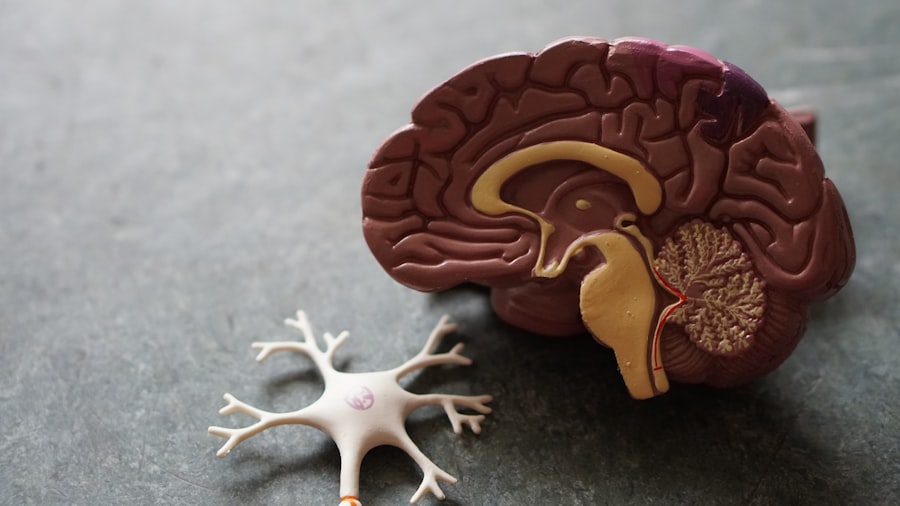
The concept of the gut-brain axis is perhaps one of the most exciting frontiers in understanding human health. It’s the intricate, bidirectional communication network that connects your brain and your gut, allowing them to “talk” to each other through a variety of pathways. You are not merely a brain with a digestive system; you are a unified organism where these two systems are in constant dialogue.
Neural Pathways: The Direct Lines
The most direct connection between your brain and your ENS is through the vagus nerve. This long, winding nerve acts as a superhighway, transmitting signals in both directions. Your brain can send signals to your gut to influence digestion, while your gut can send sensory information back to your brain, informing it about the contents and condition of your digestive tract.
The Vagus Nerve: Your Gut’s Direct Link to the Brain
The vagus nerve is a cranial nerve that originates in the brainstem and innervates many of the body’s internal organs, including the heart, lungs, and, crucially, the entire gastrointestinal tract. It’s a primary conduit for the parasympathetic nervous system, responsible for the “rest and digest” functions. When you eat a meal, the vagus nerve signals your stomach to relax and begin churning, and your intestines to start their absorptive processes. Conversely, when you’re stressed or anxious, your brain can send signals via the vagus nerve to your gut, leading to that uncomfortable feeling of butterflies or indigestion.
Sensory Input from the Gut
Beyond motor commands, the vagus nerve also carries a wealth of sensory information from your gut to your brain. This includes signals about nutrient content, inflammation, and even the microbiome’s activity. This constant stream of information allows your brain to make informed decisions about appetite, mood, and overall well-being.
Hormonal and Immune Communication: The Chemical Signals
The gut-brain axis isn’t solely reliant on neural pathways. Hormones produced by both the gut and the brain, as well as the immune system’s messengers, also play vital roles in this intricate communication network.
Hormonal Messengers: Regulating Appetite and Mood
As mentioned earlier, your gut produces a host of hormones that influence not only digestion but also your brain chemistry. Consider ghrelin, the “hunger hormone,” which signals to your brain that it’s time to eat. Leptin, on the other hand, signals satiety. Imbalances in these hormones, often influenced by gut health, can lead to weight management issues and affect mood.
The Immune System’s Role: Inflammation and More
Your immune system is deeply intertwined with your gut. A significant portion of your immune cells reside in your gut lining, constantly monitoring for threats. When your gut microbiome is imbalanced or when you experience inflammation in your gut, these immune cells can release signaling molecules (cytokines) that travel to the brain and influence mood, cognition, and behavior. Chronic gut inflammation, for example, has been linked to an increased risk of depression and anxiety.
The Microbiome’s Influence: The Tiny Rulers
Perhaps the most captivating aspect of the gut-brain axis is the profound influence of your gut microbiome – the trillions of bacteria, viruses, and fungi that inhabit your digestive tract. These microscopic residents are not just passive bystanders; they actively communicate with your ENS and, by extension, your brain.
Communicating Through Metabolites
Your gut microbes ferment undigested food particles, producing a vast array of metabolites, including short-chain fatty acids (SCFAs) like butyrate. These SCFAs can enter your bloodstream, cross the blood-brain barrier, and influence brain function by affecting neurotransmitter synthesis, reducing inflammation, and even promoting neurogenesis (the creation of new neurons). Butyrate, for instance, has been shown to have antidepressant-like effects in animal studies.
Modulating Neurotransmitter Production
Gut bacteria can directly influence the production of neurotransmitters in your gut. Some species of bacteria can synthesize their own neurotransmitters, while others can influence the synthesis and metabolism of those produced by your ENS. For example, certain bacteria can produce precursors for serotonin and GABA, impacting their availability in your system.
Gut Health and Mental Well-being: A Symbiotic Relationship
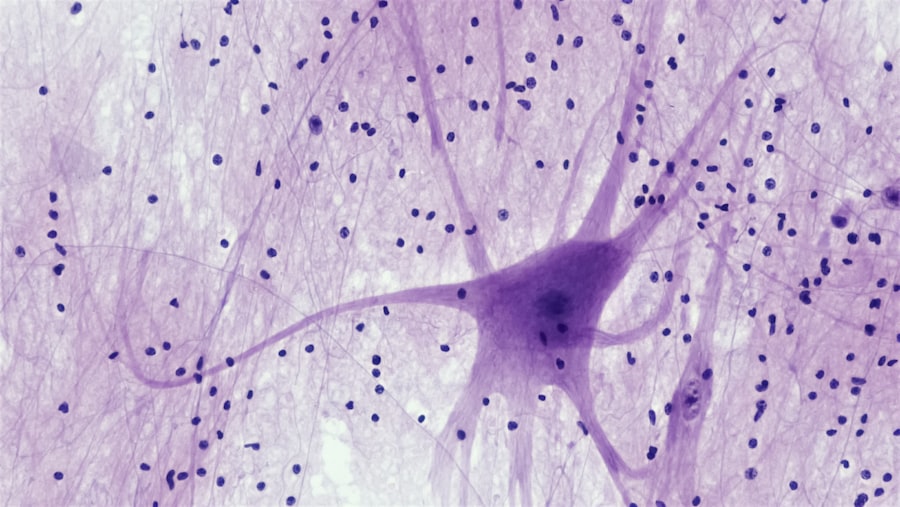
The intricate connection between your gut and your brain means that the state of your digestive system has a profound impact on your mental health. You are discovering that a healthy gut is not just about efficient digestion; it’s a cornerstone of psychological well-being.
The Gut as a Mood Regulator
You’ve learned that serotonin, produced in large part by your ENS, plays a significant role in mood regulation. When your gut is functioning optimally, it contributes to a stable emotional state. Conversely, when your gut is inflamed, imbalanced, or not producing enough of these crucial neurotransmitters, it can manifest as anxiety, depression, and irritability.
Anxiety and Depression: More Than Just a Brain Problem
The growing body of research is revealing a strong correlation between gut dysbiosis (an imbalance in the gut microbiome) and the prevalence of anxiety and depression. Studies have shown that individuals with IBS, a condition characterized by gut disturbances, are significantly more likely to experience anxiety and depressive symptoms.
Stress and Your Gut: A Vicious Cycle
Your brain’s response to stress can have a direct negative impact on your gut. Stress hormones can alter gut motility, increase gut permeability (leading to a “leaky gut”), and disrupt the delicate balance of your microbiome. This, in turn, can send signals back to your brain, exacerbating feelings of anxiety and stress, creating a vicious cycle that can be difficult to break.
Cognitive Function: The Brain’s Gut Connection
Beyond mood, the health of your gut can also influence your cognitive abilities, including focus, memory, and learning. The gut-brain axis plays a crucial role in delivering essential nutrients to the brain and reducing systemic inflammation, both of which are vital for optimal cognitive function.
The Microbiome’s Impact on Brain Fog
When your gut microbiome is out of balance, it can lead to increased inflammation and the production of toxins that can reach the brain, contributing to that frustrating feeling of “brain fog” – characterized by difficulty concentrating, sluggish thinking, and memory problems. A healthy, diverse microbiome, on the other hand, can promote clarity and focus.
Neuroinflammation and Cognitive Decline
Chronic inflammation in the gut can contribute to neuroinflammation, a condition that is increasingly linked to cognitive decline and neurodegenerative diseases like Alzheimer’s. By nurturing a healthy gut, you are, in essence, supporting the health and resilience of your brain.
The intricate relationship between the gut and the nervous system is a fascinating topic that has garnered significant attention in recent years. For those interested in exploring this connection further, a related article can be found at Freaky Science, which delves into how the gut microbiome influences mental health and overall well-being. Understanding this link can provide valuable insights into how our digestive health impacts our emotional state and cognitive functions.
Nurturing Your Gut Nervous System: Practical Strategies
| Aspect | Explanation |
|---|---|
| Location | The gut nervous system is located in the gastrointestinal tract, consisting of the enteric nervous system. |
| Function | It regulates digestion, nutrient absorption, and gut motility, and communicates with the central nervous system. |
| Neurons | It contains millions of neurons, including sensory neurons, motor neurons, and interneurons. |
| Neurotransmitters | Neurotransmitters such as serotonin and dopamine play a crucial role in gut-brain communication. |
| Disorders | Imbalances in the gut nervous system can lead to gastrointestinal disorders such as irritable bowel syndrome (IBS). |
Now that you’ve demystified the gut nervous system and its profound connections, you’re empowered to take proactive steps to nurture its health. Making mindful choices about your diet, lifestyle, and stress management can significantly benefit your gut and, by extension, your overall well-being.
Diet: Fueling a Healthy Gut Ecosystem
Your diet is the most potent tool you have to influence the composition and function of your gut microbiome and the health of your ENS. Think of it as providing the optimal environment for your inner universe to thrive.
The Power of Fiber: Feeding Your Beneficial Bacteria
Dietary fiber is the primary food source for many of your beneficial gut bacteria. When these bacteria ferment fiber, they produce those incredibly valuable SCFAs. Aim to include a wide variety of fiber-rich foods in your diet, such as fruits, vegetables, whole grains, legumes, nuts, and seeds. A diverse intake of fiber supports a diverse and robust microbiome.
Probiotics and Prebiotics: The Dynamic Duo
Probiotics are live beneficial bacteria that, when consumed in adequate amounts, can confer a health benefit. You can find them in fermented foods like yogurt, kefir, sauerkraut, kimchi, and miso. Prebiotics, on the other hand, are non-digestible fibers that selectively stimulate the growth and activity of beneficial bacteria already in your gut. Excellent sources of prebiotics include garlic, onions, leeks, asparagus, and bananas.
Limiting Processed Foods and Sugars: The Detrimental Trio
Highly processed foods, refined sugars, and artificial sweeteners can negatively impact your gut microbiome and promote inflammation. These foods often lack fiber and beneficial nutrients, and they can encourage the growth of less desirable bacteria. Reducing your intake of these items is a crucial step in supporting gut health.
Lifestyle Factors: Beyond the Plate
Your lifestyle choices extend far beyond what you eat. Several other factors can significantly influence the health of your gut nervous system.
Stress Management: Calming the Inner Storm
As you’ve learned, chronic stress can wreak havoc on your gut. Implementing effective stress management techniques is paramount. This can include mindfulness meditation, deep breathing exercises, yoga, spending time in nature, or engaging in hobbies that bring you joy. Prioritizing relaxation and actively reducing stress can significantly improve gut function and a sense of calm.
Sleep Hygiene: The Restorative Power of Sleep
Adequate and quality sleep is essential for almost every bodily function, including the health of your ENS. During sleep, your body undergoes repair and regeneration processes. Aim for 7-9 hours of quality sleep per night. Establishing a consistent sleep schedule and creating a relaxing bedtime routine can greatly enhance your sleep quality.
Regular Exercise: Movement for a Happy Gut
Regular physical activity has been shown to positively impact the gut microbiome and improve gut motility. Exercise can reduce inflammation, improve nutrient absorption, and even promote the growth of beneficial bacteria. Aim for a balanced exercise routine that includes aerobic activity, strength training, and flexibility.
When to Seek Professional Help: Listening to Your Gut
While self-care strategies are powerful, there are times when you should consult a healthcare professional. If you experience persistent or severe digestive issues, unexplained changes in bowel habits, or concerning symptoms, it’s crucial to seek medical advice. A gastroenterologist or a registered dietitian can help identify underlying causes and develop a personalized plan to support your gut health. They can also help you navigate the complex world of probiotics and dietary interventions.
You’ve now gained a comprehensive understanding of the remarkable gut nervous system, its independent capabilities, its intricate communication with your brain, and its profound impact on your overall well-being. By recognizing it as a vital “second brain,” you can empower yourself to make informed choices that nurture this incredible internal universe, leading to a healthier, happier, and more balanced you. The journey of discovery into the gut is ongoing, and by staying curious and attentive to your body’s signals, you can continue to optimize this crucial aspect of your health.

The Hidden Sense Inside Your Gut
FAQs
What is the gut nervous system?
The gut nervous system, also known as the enteric nervous system, is a complex network of neurons that governs the function of the gastrointestinal tract. It is often referred to as the “second brain” due to its ability to operate independently from the central nervous system.
What is the role of the gut nervous system?
The gut nervous system plays a crucial role in regulating various digestive processes such as motility, secretion, and blood flow. It also communicates with the central nervous system and helps to coordinate the body’s response to food intake and other gastrointestinal activities.
How does the gut nervous system communicate with the brain?
The gut nervous system communicates with the brain through the vagus nerve, which serves as a major pathway for bidirectional communication between the gut and the central nervous system. This communication is essential for maintaining homeostasis and responding to changes in the gut environment.
What factors can impact the gut nervous system?
The gut nervous system can be influenced by various factors such as stress, diet, and the gut microbiota. Stress can lead to alterations in gut motility and sensitivity, while diet and the gut microbiota can impact the production of neurotransmitters and other signaling molecules within the gut.
How does the gut nervous system impact overall health?
The gut nervous system plays a significant role in overall health, as it is involved in not only digestive function but also immune regulation and the gut-brain axis. Dysfunction of the gut nervous system has been linked to various gastrointestinal disorders, as well as conditions such as anxiety, depression, and autism.