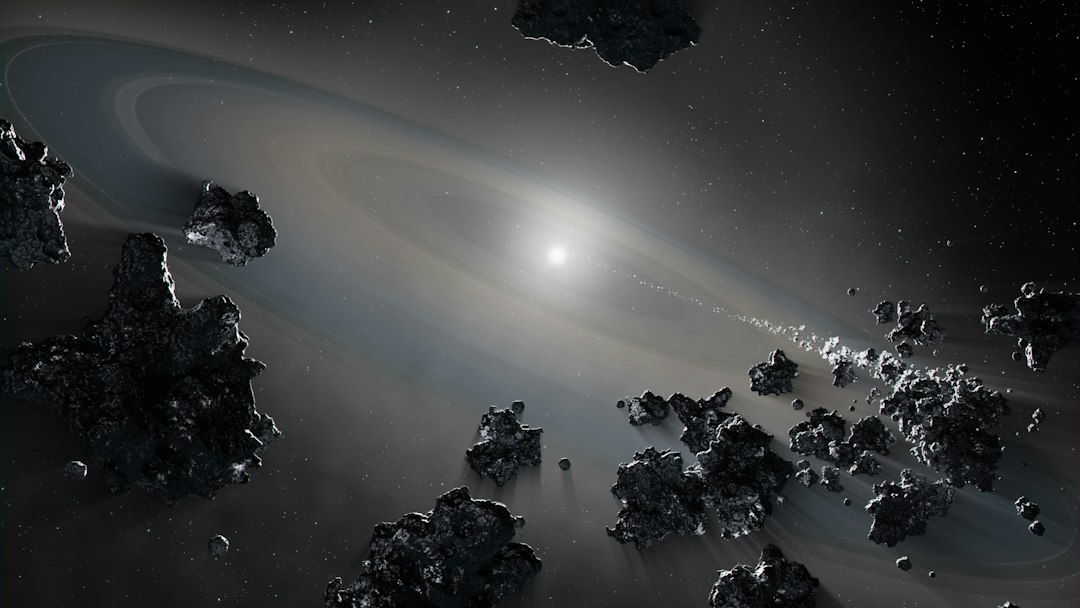
The vast expanse of deep space, a realm of chilling silence and breathtaking cosmic spectacles, presents an unparalleled challenge when it comes to returning to Earth. This journey, often depicted in science fiction with thrilling escapes and triumphant arrivals, is in reality a marvel of engineering and scientific understanding. The process of deep space reentry is not a simple descent; it is a meticulously choreographed dance between physics, materials science, and human ingenuity, designed to safely navigate a spacecraft through the fiery crucible of Earth’s atmosphere. Demystifying this complex phenomenon requires a deep dive into the fundamental principles that govern it, the technologies that enable it, and the critical considerations that ensure the survival of both the vehicle and its occupants.
Deep space reentry is fundamentally a battle against immense kinetic energy. A spacecraft returning from its celestial explorations carries a significant amount of velocity, accumulated over its journey away from Earth and often amplified by gravitational assists. As it approaches our planet, this speed, measured in thousands of miles per hour, must be dissipated without succumbing to catastrophic forces. The primary mechanism for this deceleration is atmospheric drag, but the interaction with the atmosphere is far from benign.
The Role of Kinetic Energy and Velocity
A spacecraft’s journey through deep space is characterized by its escape velocity and subsequent orbital or interplanetary trajectories. To break free from Earth’s gravitational pull, a spacecraft needs to achieve escape velocity, approximately 11.2 kilometers per second (25,000 mph). Once in deep space, it can travel at speeds far exceeding this, depending on its mission. For instance, missions to the outer planets or beyond involve velocities in the tens of kilometers per second. The return journey necessitates slowing down from these extreme speeds to a point where landing is possible, and this deceleration is achieved by intentionally interacting with Earth’s atmosphere. The sheer kinetic energy associated with these velocities is the primary obstacle to a safe reentry, as this energy must be converted into heat.
Orbital Mechanics and Deorbit Burns
Before reentry can even begin, the spacecraft must alter its trajectory to intersect with Earth’s atmosphere. This is typically achieved through a deorbit burn, a carefully calculated firing of its engines in a specific direction and for a precise duration. This maneuver reduces the spacecraft’s orbital velocity, causing its orbit to decay and intersect the upper reaches of the atmosphere. The timing and execution of this burn are critical. Too early, and the spacecraft might reenter too steeply or at an undesirable location. Too late, and it might overshoot the intended reentry corridor or be subject to prolonged atmospheric heating. The deorbit burn is the first intentional step in the reentry process, setting the stage for the dramatic atmospheric interface.
Atmospheric Drag as a Decelerator and Heat Generator
Earth’s atmosphere, while appearing wispy from space, is a dense medium capable of exerting significant drag on a fast-moving object. As the spacecraft enters the upper atmosphere, the molecules of air collide with its surface, creating friction and slowing it down. This friction, however, comes at a considerable cost: heat. The rapid compression of air in front of the spacecraft generates intense temperatures, a phenomenon far more significant than simple friction. This is the primary challenge of reentry – managing and dissipating this immense thermal energy.
The Blunt Body Effect and Shockwaves
To survive reentry, spacecraft are not designed with sharp, aerodynamic profiles like fighter jets. Instead, they typically employ blunt body designs. This seemingly counterintuitive approach is a crucial engineering choice. A blunt shape creates a strong shockwave that stands off from the vehicle’s surface. This shockwave compresses and heats the air before it directly interacts with the spacecraft’s heat shield. While the shockwave itself is incredibly hot, the air within it is not in direct contact with the vehicle’s material, and a layer of relatively cooler, lower-pressure gas is formed between the shockwave and the heat shield. This significantly reduces the direct heat transfer to the spacecraft. The shockwave also plays a vital role in generating drag, helping to slow the spacecraft down more effectively.
Aerodynamic Heating and the Plasma Sheath
The intense compression of air in front of the spacecraft, coupled with friction, generates temperatures that can reach thousands of degrees Celsius – hotter than the surface of the Sun. This extreme heat ionizes the air, creating a plasma sheath that surrounds the vehicle. This plasma, a superheated gas composed of free ions and electrons, not only radiates heat but also can interfere with radio communications. The design of the heat shield is paramount in withstanding and ablating (burning away in a controlled manner) this thermal onslaught.
For those interested in the complexities of deep space reentry, a fascinating article can be found at Freaky Science, which delves into the physics and engineering challenges faced by spacecraft as they return to Earth’s atmosphere. This resource provides an in-depth explanation of the thermal dynamics involved, the materials used to withstand extreme temperatures, and the innovative technologies that ensure a safe landing.
The Guardian of the Hull: Heat Shield Technology
The heat shield is arguably the most critical component of any reentry vehicle. It is the first and primary line of defense against the inferno of atmospheric entry. The materials and design of a heat shield are the culmination of extensive research and development, aimed at absorbing, dissipating, or ablating the immense heat generated during reentry.
Ablative Heat Shields: Sacrificial Armor
Ablative heat shields are the most common type used for deep space reentry. These shields are made of materials that are designed to char, melt, and vaporize in a controlled manner during reentry. As the heat shield ablates, it carries away a significant amount of thermal energy, protecting the underlying structure of the spacecraft. The process is akin to a candle burning; the wax (ablative material) is consumed to protect the flame (spacecraft).
PICA (Phenolic Impregnated Carbon Ablator) and Other Materials
One of the most successful ablative materials is PICA, developed by NASA. PICA is a lightweight composite material that performs exceptionally well under the extreme conditions of reentry. It consists of a phenolic resin impregnated into a carbon fiber honeycomb structure. Other ablative materials include cork-based composites and various proprietary formulations, each tailored for specific reentry profiles and temperature ranges. The precise composition and thickness of the heat shield are crucial, calculated to ensure that it ablates at a rate that keeps the spacecraft’s internal temperature within safe limits for the entire duration of the reentry.
Reusable Heat Shields: A New Frontier
While ablative heat shields are expendable, the push for reusable spacecraft has led to the development of reusable heat shield technologies. These shields are designed to withstand multiple reentries without significant degradation.
Ceramic Tiles and Advanced Composites
The Space Shuttle employed a system of ceramic tiles made from materials like silica fibers, which have very low thermal conductivity. These tiles were designed to insulate the spacecraft’s aluminum structure from the extreme heat. While effective, the tiles were fragile and required extensive inspection and maintenance between missions. More advanced reusable heat shield concepts are exploring the use of high-temperature alloys and advanced ceramic matrix composites that can endure repeated thermal cycles and mechanical stresses. The development of truly robust and cost-effective reusable heat shields is a key factor in enabling future deep space exploration and commercial spaceflight.
Heat Dissipation and Thermal Management
Beyond the heat shield itself, the spacecraft’s internal systems are also designed to manage and dissipate any heat that does penetrate. This involves a sophisticated network of cooling systems, insulation layers, and careful thermal control strategies.
Internal Insulation and Cooling Systems
Even with the most advanced heat shield, some heat will inevitably transfer to the spacecraft’s interior. Therefore, robust internal insulation is essential to protect sensitive components and the crew. Active cooling systems, similar to those used in electronics but scaled up significantly, circulate fluids to absorb and radiate excess heat away from critical areas. The overall thermal management system is a complex interplay of passive and active measures, all working in concert to maintain a habitable and functional environment within the spacecraft.
Navigating the Fiery Gauntlet: Trajectory and Control
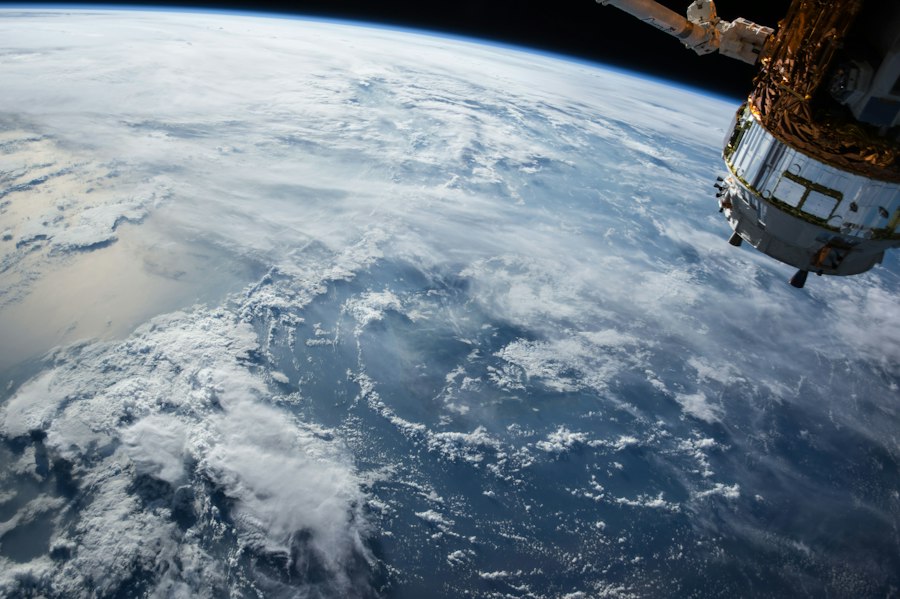
Successfully navigating the reentry trajectory is as vital as having a capable heat shield. Even with the best protection, a poorly executed trajectory can overwhelm the spacecraft’s defenses. Precision and control are paramount throughout this dangerous phase.
The Reentry Corridor: A Narrow Window of Opportunity
The reentry corridor is the specific range of entry angles and velocities that a spacecraft must adhere to for a safe descent. Too steep an angle, and the forces and heat become unmanageable. Too shallow an angle, and the spacecraft might skip off the atmosphere like a stone on water, potentially leading to an uncontrolled trajectory or reentry at a much later time.
Entry Angle and its Impact on G-Forces and Heat
The entry angle directly dictates the amount of deceleration experienced by the spacecraft, measured in G-forces, and the intensity of the atmospheric heating. A steeper angle results in higher G-forces, which can be taxing for both the crew and the vehicle’s structure. Simultaneously, it leads to more intense and prolonged heating. A shallower angle results in lower G-forces and less direct heating but increases the duration of atmospheric interaction, which can also lead to cumulative heat buildup. Finding the optimal balance within the reentry corridor is a critical aspect of mission planning.
Guidance, Navigation, and Control (GNC) Systems
Sophisticated GNC systems are the brains of the reentry operation. They constantly monitor the spacecraft’s position, velocity, and orientation, making minute adjustments to maintain the desired trajectory.
Onboard Computers and Sensors
The GNC system relies on a suite of sensors, including accelerometers, gyroscopes, and star trackers, to gather real-time data about the spacecraft’s state. This data is fed into powerful onboard computers that execute complex algorithms to calculate the necessary control inputs. These inputs might involve firing small thrusters for attitude control or even adjusting the orientation of control surfaces if the vehicle is designed with them.
Aerodynamic Control Surfaces and Reaction Control System (RCS) Thrusters
Depending on the spacecraft’s design, different control mechanisms are employed. Some vehicles, like the Space Shuttle, utilized aerodynamic control surfaces (wings and control fins) to steer through the atmosphere. Others, particularly capsules like the Apollo Command Module or modern crewed capsules, rely heavily on a Reaction Control System (RCS). RCS thrusters are small, precisely controlled rocket engines that provide the necessary thrust to adjust the spacecraft’s attitude and trajectory, keeping it within the safe reentry corridor.
Communications During Reentry: The Blackout Period
One of the most dramatic and concerning phenomena during reentry is the “blackout period.” The superheated plasma sheath surrounding the spacecraft can absorb and reflect radio waves, effectively blocking communication with ground control.
Plasma Interference and Signal Loss
The ionized air in the plasma sheath acts as an electromagnetic shield, preventing radio signals from penetrating or escaping. This means that for a crucial period during reentry, mission control loses direct contact with the spacecraft. This necessitates a high degree of autonomy in the GNC system and meticulous pre-flight planning to ensure that all critical maneuvers can be executed without real-time ground intervention. The duration of the blackout period varies depending on the spacecraft’s size, shape, and reentry profile.
Redundancy and Autonomous Operations
To mitigate the risks associated with the blackout period, reentry systems are designed with significant redundancy. Critical systems have backups, and the GNC system is programmed to handle a wide range of contingencies autonomously. Extensive simulations and testing are conducted to ensure that the spacecraft can navigate safely through this communication void.
Landing and Recovery: The Final Stretch
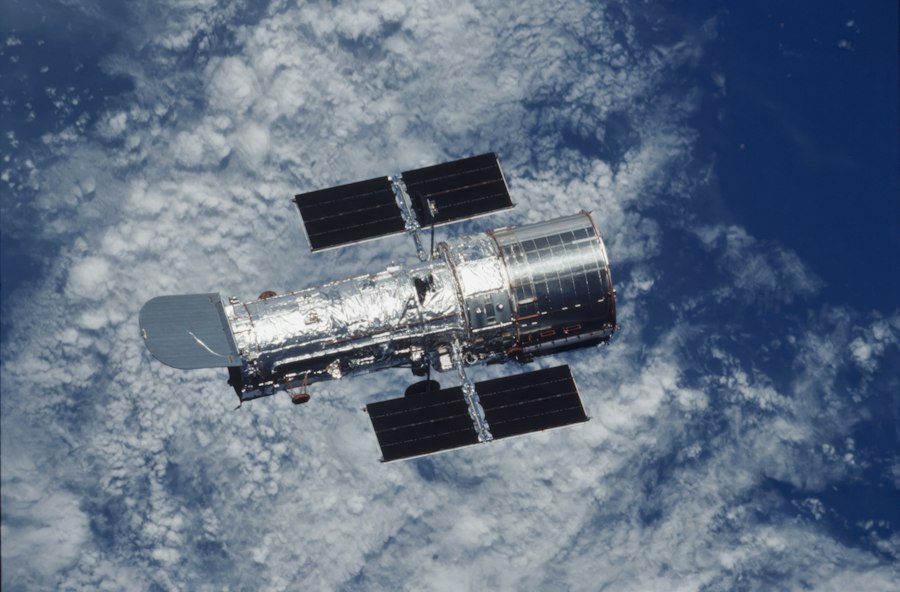
The successful completion of the reentry phase is only half the battle. The final stage involves safely bringing the spacecraft to a halt and recovering it, whether it lands on land, in the ocean, or on a dedicated runway.
Parachute Systems: The Essential Slowdown
For most reentry vehicles, parachutes are the primary means of slowing down from subsonic speeds to a safe landing velocity. These are not your average parachutes; they are engineered to deploy reliably and withstand immense forces.
Drogue and Main Parachutes
Typically, a sequence of parachutes is used. A drogue parachute, a smaller, high-speed parachute, is deployed first to significantly reduce the spacecraft’s velocity after the initial deceleration by the atmosphere. Once the speed is further reduced, the main parachutes, much larger and designed for lower speeds, are deployed to bring the spacecraft to its final landing velocity. The timing and sequence of parachute deployment are critical to avoid premature deployment or failure.
Landing Configurations: From Splashdowns to Touchdowns
The final landing configuration varies greatly depending on the spacecraft’s design and mission objectives.
Ocean Splashdowns and Recovery Operations
Many crewed spacecraft, including the Mercury, Gemini, and Apollo capsules, were designed for ocean splashdowns. This method is relatively gentle on the spacecraft and crew but requires extensive recovery operations involving ships and specialized teams to retrieve the capsule and its occupants. The corrosive nature of saltwater and the need for swift recovery pose unique challenges.
Land Landings and Runway Touchdowns
More recent developments, such as SpaceX’s Dragon capsule and the retired Space Shuttle, have focused on land landings. The Space Shuttle landed like a glider on a runway, requiring significant aerodynamic control. SpaceX’s Dragon capsule utilizes a combination of parachutes and retrorockets for a controlled touchdown, often in the ocean or on land depending on mission requirements. The development of reusable land-landing systems is a significant step towards making spaceflight more routine and cost-effective.
Post-Landing Procedures and Crew Safety
Once on the ground or in the water, a series of procedures are initiated to ensure the safety of the crew and the integrity of the recovered spacecraft.
Securing the Vehicle and Crew Extraction
Recovery teams are deployed to quickly reach the landed spacecraft. The priority is to ensure that any residual propellants or hazardous systems are safely managed. For crewed missions, procedures are in place for rapid crew extraction, especially in water landings where the risk of capsule sinking is a concern. Medical teams are on standby to assess the health of the returning astronauts.
Data Retrieval and Vehicle Inspection
After the crew is safely out, extensive inspections of the spacecraft are conducted. Data from the mission, including reentry telemetry, is downloaded for analysis. This information is crucial for understanding the performance of the vehicle’s systems, identifying any areas for improvement, and ensuring that the vehicle is safe for potential future use or for detailed study.
Deep space reentry is a complex process that involves navigating the challenges of atmospheric friction and heat, which can be quite perilous for spacecraft. For those interested in a more in-depth understanding of this fascinating topic, you can explore a related article that delves into the science behind reentry dynamics and the technology used to ensure safe landings. This informative piece can be found here, providing valuable insights into the engineering feats that make deep space exploration possible.
Future Innovations and the Evolution of Deep Space Reentry
| Metric | Description | Typical Values | Notes |
|---|---|---|---|
| Reentry Velocity | Speed of spacecraft entering Earth’s atmosphere from deep space | 11 km/s to 12.5 km/s | Higher than low Earth orbit reentry velocities (~7.8 km/s) |
| Heat Shield Temperature | Maximum temperature experienced by the heat shield during reentry | Up to 2,200 °C (4,000 °F) | Depends on spacecraft design and reentry angle |
| Deceleration (g-forces) | Peak gravitational forces experienced by crew or instruments | 3 to 8 g | Varies with reentry profile and vehicle shape |
| Reentry Angle | Angle at which spacecraft enters atmosphere relative to horizon | 5° to 7° | Too steep causes high g-forces; too shallow risks skipping off atmosphere |
| Atmospheric Entry Altitude | Altitude where significant atmospheric drag begins | ~120 km | Above this altitude, atmosphere is too thin to cause deceleration |
| Heat Flux | Rate of heat energy transfer to spacecraft surface | Up to 1,000 kW/m² | Requires advanced thermal protection systems |
| Duration of Reentry Heating | Time spacecraft experiences intense heating | Several minutes (3-5 min) | Depends on velocity and trajectory |
The journey of deep space reentry is far from over. As humanity pushes further into the cosmos, the challenges and requirements for reentry will continue to evolve. Innovation in materials, propulsion, and autonomous systems will shape the future of returning from distant worlds.
Hypersonic Technologies and Scramjets
Future deep space missions might involve vehicles traveling at even higher velocities, necessitating the development of advanced hypersonic technologies. This includes scramjets (supersonic combustion ramjets), which are capable of sustained flight at hypersonic speeds. While primarily envisioned for atmospheric flight, the principles of hypersonic aerodynamics and propulsion will undoubtedly influence future reentry designs, potentially allowing for more controlled and efficient deceleration.
Advanced Aerothermal Modeling and Simulation
The complexity of reentry phenomena requires increasingly sophisticated computational fluid dynamics (CFD) and computational heat transfer (CHT) modeling. Future reentry designs will rely on highly accurate simulations to predict the performance of new materials and vehicle configurations under extreme conditions, reducing the need for extensive and costly physical testing.
Autonomous Reentry and AI Integration
The trend towards increased autonomy in spacecraft operations will continue to be a major driver in reentry technology. Artificial intelligence (AI) will play a crucial role in developing more intelligent and adaptive GNC systems that can handle unforeseen circumstances with greater resilience.
Machine Learning for Predictive Maintenance and Anomaly Detection
AI algorithms can be used to analyze vast amounts of telemetry data from previous reentries to identify patterns, predict potential failures, and perform predictive maintenance on reentry systems. This can significantly enhance safety and reliability. Anomaly detection systems can alert operators to deviations from normal performance in real-time, allowing for faster and more informed decision-making.
Interstellar Return and the Challenge of Extreme Velocities
Should humanity ever achieve interstellar travel, the challenge of reentry will be magnified exponentially. Returning from stars light-years away would involve velocities far exceeding anything currently contemplated.
Novel Deceleration Techniques and Exotic Materials
Reentry from interstellar velocities might require entirely new approaches to deceleration, potentially involving advanced propulsion systems for braking or even entirely novel physics-based methods. The materials science challenges would be immense, demanding materials that can withstand unimaginable temperatures and stresses. This remains a largely theoretical challenge, but it underscores the continuous need for innovation in our understanding and mastery of spaceflight.
In conclusion, deep space reentry is a testament to human ingenuity and our relentless pursuit of understanding the universe. It is a process fraught with peril, where the fundamental laws of physics are pushed to their limits. From the scorching heat of atmospheric entry to the precise choreography of trajectory control and the final gentle embrace of Earth’s surface, every step is a triumph of science and engineering. As we continue to explore the cosmos, the art and science of safely returning home will undoubtedly evolve, paving the way for even bolder voyages into the unknown.

There’s Only One Safe Way Back to Earth From the Moon
FAQs
What is deep space reentry?
Deep space reentry refers to the process of a spacecraft returning to Earth from outer space, typically after completing a mission to explore distant planets, moons, or asteroids.
How does deep space reentry differ from reentry from low Earth orbit?
Deep space reentry involves higher speeds and temperatures compared to reentry from low Earth orbit due to the greater distances traveled and higher velocities achieved during missions to outer space.
What are the challenges faced during deep space reentry?
Challenges during deep space reentry include managing extreme temperatures, ensuring the spacecraft’s heat shield can withstand the intense heat generated during reentry, and accurately targeting the landing site on Earth.
How is deep space reentry controlled and monitored?
Deep space reentry is controlled and monitored using a combination of onboard systems, ground-based tracking stations, and communication with the spacecraft to adjust its trajectory and ensure a safe return to Earth.
What are the potential risks associated with deep space reentry?
Potential risks of deep space reentry include heat shield failure leading to spacecraft destruction, loss of communication during reentry, and inaccurate landing resulting in damage to the spacecraft or endangering populated areas.