The deep ocean, a realm of perpetual twilight and immense pressure, holds secrets that have captivated humanity for centuries. Among its most enigmatic inhabitants are the blue whales, titans of the sea whose very existence is as awe-inspiring as their vocalizations are perplexing. For decades, scientists have been striving to decode the mysterious blue whale calls, hoping to unlock the meaning behind these colossal sonic expressions. This endeavor is not merely an academic pursuit; understanding these calls could offer crucial insights into whale behavior, their ecological role, and the health of our oceans.
The blue whale, Balaenoptera musculus, is the largest animal known to have ever lived on Earth, a creature so immense it dwarfs even the most colossal dinosaurs. Their sheer scale and their relatively elusive nature in the vastness of the ocean make direct observation challenging. Consequently, their communication has become a primary avenue for understanding their lives. Blue whale calls are characterized by their low frequency, often below the range of human hearing, and their immense power, capable of traveling hundreds, even thousands, of miles through the ocean. This incredible range suggests that these calls are not just fleeting interactions but rather vital components of their social structure, navigation, and perhaps even their very survival.
The Nature of Blue Whale Vocalizations
The vocalizations attributed to blue whales are incredibly diverse, but a significant portion of what is studied falls into several distinct categories. The most commonly recognized are the low-frequency pulses and tonal calls. These are long, pure-tone sounds, often lasting for several seconds or even up to half a minute. They are generated by the passage of air through the laryngeal sac, a specialized organ in the throat. The precise mechanisms are still being investigated, but it is understood that these sounds are produced with remarkable efficiency, requiring minimal energy expenditure for their vast reach.
- Pulses: These are short, sharp sounds, often described as thumps or clicks. They are hypothesized to play a role in echolocation, though this is still debated for blue whales.
- Tonal Calls: These are the longer, more sustained sounds, often referred to as “songs” or “moans.” They are the primary focus of research when discussing blue whale communication. These tonal calls vary in frequency, duration, and amplitude, and exhibit complex patterns.
- Breathy Sounds: Less understood are the more complex, breathy sounds that can occur during feeding or social interactions. These may be more directly related to immediate activities.
Deciphering the Acoustic Landscape
The challenge in decoding blue whale calls lies not only in the inherent complexity of the sounds themselves but also in the acoustic environment in which they operate. The ocean is a noisy place, with natural sounds from surf, wind, and seismic activity, as well as increasing anthropogenic noise from shipping, sonar, and exploration. Isolating and analyzing blue whale calls within this cacophony requires sophisticated hydroacoustic technology and advanced signal processing techniques. Researchers meticulously filter out background noise, identify individual call types, and then look for patterns in their occurrence and structure.
The Role of Frequency and Amplitude
The low frequency of blue whale calls is no accident. Low-frequency sounds travel further and with less attenuation in water than high-frequency sounds. This allows blue whales to communicate over vast distances, bridging the gaps between individuals that might be hundreds of miles apart. The sheer amplitude of these calls, reaching levels of over 180 decibels, is another testament to their migratory and communicative needs. This powerful projection ensures that their messages, whatever they may be, can reach intended recipients across entire ocean basins.
Blue whale calls are fascinating and complex, serving as a vital means of communication among these majestic creatures. To delve deeper into the intricacies of these vocalizations and their significance in the marine ecosystem, you can explore a related article that provides further insights. For more information, visit Freaky Science, where you can find a wealth of knowledge on various scientific topics, including the remarkable behaviors of blue whales.
Why They Sing: Hypotheses on Blue Whale Call Functions
The question of why blue whales produce these powerful and far-reaching calls is central to the field of bioacoustics. Scientists have developed several compelling hypotheses, each supported by varying degrees of evidence. These hypotheses range from simple signaling of presence to complex social interactions.
Mating and Reproduction
One of the most widely accepted functions of blue whale calls is related to reproduction. Research has shown a strong correlation between vocalizations and the breeding season. Male blue whales, in particular, produce the most elaborate and frequent calls during this period.
- Attracting Mates: The most prominent hypothesis is that male blue whales use their calls to attract females. The sheer variety and persistence of their vocalizations could serve as a beacon, signaling their availability and fitness to potential mates across vast oceanic distances. Studies have observed that females often respond to these calls, though the exact nature of this response is still being elucidated.
- Competition Among Males: It is also theorized that the calls may serve a competitive purpose among males. By broadcasting their presence and vocal prowess, males might be asserting their dominance or deterring rivals from encroaching on their territory, or simply indicating their presence to other males in a dispersed population. This “singing match” could serve as a costly signaling mechanism, where only the fittest males can sustain the energy expenditure required for prolonged and powerful vocalizations.
- Pair Bonding and Courtship: While less directly supported by current data, some researchers speculate that the calls could also play a role in establishing and maintaining pair bonds or facilitating courtship rituals. The complexity of some call sequences might suggest a more nuanced communication than simple attraction.
Navigation and Spacing
Beyond reproduction, blue whale calls are also strongly implicated in navigation and maintaining spatial awareness within their environment. The vastness of the ocean presents significant challenges for orientation, and acoustic signals can be a powerful tool.
- Long-Distance Navigation: It is believed that blue whales might use their calls as a form of active sonar, though again, this is debated. However, it is more likely that they use these signals to maintain contact with other whales, forming loose aggregations or understanding the distribution of their species across migratory routes. This could be crucial for finding feeding grounds or avoiding areas of danger.
- Habitat Assessment: The calls might also be used to assess the suitability of their habitat. By listening to the echoes of their own calls or the calls of others, they could gain information about the seafloor topography, the presence of food sources, or even potential threats.
- Social Spacing: In a species that is not typically found in tightly packed pods, the calls likely play a crucial role in maintaining a socially appropriate distance between individuals. This prevents unnecessary competition and allows for efficient foraging.
Feeding and Foraging
While less emphasis is placed on vocalizations during active feeding compared to other whale species, there are still theories suggesting a role for calls in their feeding strategies.
- Herding Prey: Some researchers propose that specific types of calls, perhaps lower-frequency pulses, might be used in conjunction with their massive feeding lunges to herd krill, their primary food source, into denser patches. The sheer scale of their feeding events makes coordinated efforts seem plausible, though direct evidence is scarce.
- Information About Prey Distribution: It is also possible that blue whales communicate information about the location and density of krill patches through their calls, allowing for more efficient foraging across a wider area. This would be particularly useful in the highly migratory nature of their feeding.
The Anatomy of a Sound: Producing Blue Whale Calls
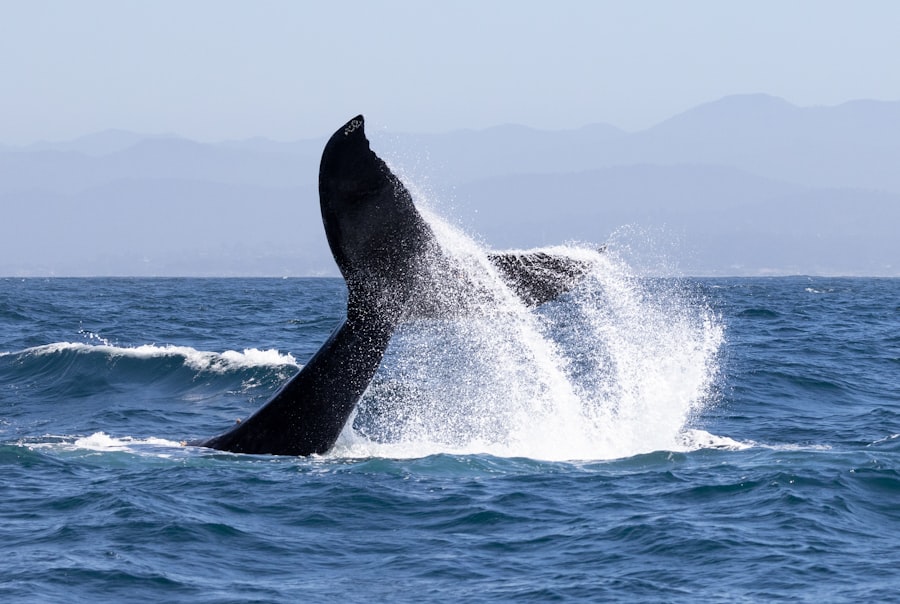
The creation of such powerful and resonant sounds requires a specialized vocal apparatus. Unlike toothed whales, which use phonic lips to produce clicks for echolocation, baleen whales like the blue whale have a different mechanism for generating their deep-frequency calls.
The Laryngeal System
Blue whales, like other baleen whales, possess a laryngeal sac within their larynx. This organ is thought to be the primary source of their vocalizations.
- Airflow and Vibrations: The process is believed to involve the forceful expulsion of air from the lungs through the larynx. As air passes over a specialized structure within the larynx, it causes vibrations that generate sound. The precise anatomical details of this sound-producing apparatus are still a subject of ongoing research and dissection of deceased specimens.
- Resonance and Amplification: It is hypothesized that the laryngeal sac itself acts as a resonating chamber, amplifying the initial sound produced. The complex cartilaginous structures surrounding the larynx likely contribute to shaping the specific frequencies and qualities of the calls.
- Lack of True Vocal Cords: Unlike humans and other mammals with true vocal cords that vibrate to produce sound, baleen whales are thought to employ a more cartilaginous mechanism. This difference may explain the distinct tonal qualities and the immense power and low frequency of their calls.
The Role of the Nasal Passages
While the larynx is considered the primary sound producer, the role of the nasal passages and blowholes in shaping and projecting these sounds is also crucial.
- Sound Modification: Researchers believe that the intricate pathways of the nasal passages can act as filters and modifiers of the initial vocalizations. This could allow for the subtle variations in calls that are observed.
- Directionality: The positioning and structure of the blowholes might also play a role in directing the sound into the water, focusing its energy for maximum transmission.
The Enigma of Sound Production During Feeding
A particular puzzle remains regarding sound production during feeding. Despite their massive size and the energy expenditure involved in feeding, blue whales are not always observed vocalizing during these events.
- Energy Conservation: It is possible that during the intense physical activity of feeding, vocalizations are minimized to conserve energy. The energy required for feeding might be so high that it precludes the simultaneous production of loud calls.
- Dedicated Feeding Sounds: Alternatively, their feeding related sounds, if they exist and are distinct, might be of a lower amplitude or frequency, making them more difficult to detect amidst the water disturbance.
Analyzing the Blue Whale’s “Language”
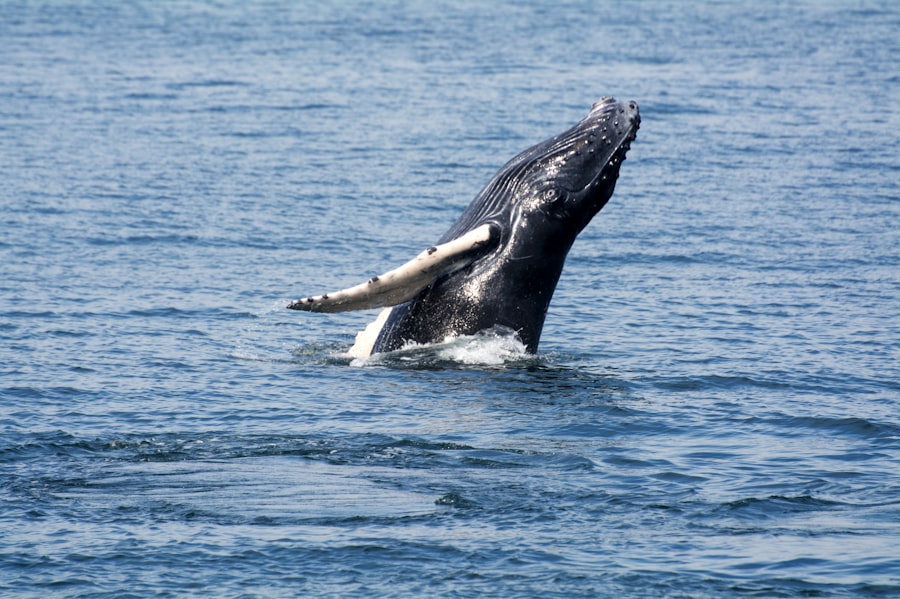
The study of blue whale calls has evolved significantly with advancements in technology. From early tape recordings to modern sophisticated acoustic arrays, the tools and methodologies for analyzing these sounds have become increasingly refined, leading to a deeper understanding of their communicative potential.
Hydroacoustic Monitoring and Technology
The bedrock of modern blue whale call research is hydroacoustic monitoring. This involves deploying underwater microphones (hydrophones) in strategic locations to capture the sounds of the ocean.
- Passive Acoustic Monitoring (PAM): This is the most common approach, where hydrophones are deployed to passively listen to the ocean. By analyzing recordings, researchers can identify blue whale calls, catalog their types, and track their presence and abundance in different regions.
- Acoustic Arrays: The use of multiple hydrophones, arranged in arrays, allows for more sophisticated analysis. These arrays can help determine the directionality of calls, estimate the location of calling whales, and even track their movements over time.
- Long-Term Observatories: Increasingly, permanent acoustic observatories are being established in key whale habitats. These provide continuous data streams, allowing for the study of seasonal variations in vocalizations, long-term trends, and the impact of environmental changes.
Sophisticated Signal Processing
Once the sounds are recorded, advanced signal processing techniques are essential to extract meaningful information.
- Noise Reduction and Filtering: The first step typically involves filtering out ambient noise from sources such as shipping, seismic activity, and biological noise from other marine life. This allows for the clear isolation of blue whale vocalizations.
- Spectrogram Analysis: Spectrograms are visual representations of sound that display frequency over time. By analyzing spectrograms, researchers can identify the characteristic patterns, durations, and frequency modulations of different blue whale call types.
- Machine Learning and AI: Emerging technologies, such as machine learning and artificial intelligence, are proving invaluable in automating the detection and classification of blue whale calls from massive datasets. These tools can learn to identify specific call types with remarkable accuracy, accelerating the pace of research.
Identifying Dialects and Individual Signatures
A particularly exciting area of research is the potential for identifying regional dialects and even individual call signatures.
- Geographic Variations: Studies have shown that blue whale calls can vary geographically, with distinct patterns observed in different ocean basins. This suggests that populations may have developed unique “dialects,” potentially influenced by factors like local prey distribution, oceanographic features, or social learning.
- Individual Recognition: While highly speculative, some researchers are exploring the possibility of blue whales having individual vocal signatures. If individual calls can be reliably identified, it could revolutionize our understanding of their social structures and relationships. This is an extremely challenging area, as the variations might be subtle and subject to changes over time.
Blue whale calls are fascinating and complex, serving as a vital means of communication among these majestic creatures. For those interested in delving deeper into the science behind these vocalizations, a related article provides an insightful overview of how blue whales use sound to navigate and interact with one another. You can read more about this intriguing topic in the article here. Understanding these calls not only enhances our appreciation of blue whales but also highlights the importance of preserving their natural habitat.
Threats and Conservation: The Voice of the Endangered
| Category | Metrics |
|---|---|
| Frequency | 10-40 Hz |
| Duration | 10-30 seconds |
| Volume | 188 decibels |
| Purpose | Communication and mating |
The mysterious blue whale calls are not just an object of scientific curiosity; they are also a vital indicator of the health and well-being of these endangered giants. Understanding their communication is increasingly crucial for conservation efforts.
The Impact of Anthropogenic Noise
The most pervasive threat to blue whale communication is anthropogenic noise. The increasing level of human-generated sound in the ocean interferes with their ability to detect and interpret vital acoustic information.
- Masking: Shipping traffic, seismic surveys, and sonar operations can create underwater noise that “masks” blue whale calls, effectively drowning them out. This makes it harder for whales to hear each other for mating, navigation, or to detect prey.
- Behavioral Disturbance: Beyond masking, loud noises can cause behavioral changes in blue whales, leading to displacement from important feeding or breeding grounds, increased stress levels, and even direct injury.
- Navigational Disruption: If blue whales rely on their calls for navigation and spatial awareness, disruption of this communication can lead to them becoming disoriented and vulnerable.
Acoustic Deterrents and Mitigation Strategies
Researchers are actively exploring ways to mitigate the impact of anthropogenic noise and protect blue whale communication.
- Reducing Shipping Noise: Implementing quieter ship designs, optimizing shipping routes to avoid sensitive whale habitats, and reducing vessel speeds can all contribute to a less noisy ocean.
- Regulating Seismic Surveys: More stringent regulations on the timing and intensity of seismic surveys, along with the development of less acoustically disruptive technologies, are crucial.
- Developing “Quiet Technologies”: While challenging, the ongoing development of quieter underwater technologies for various industrial and military applications is a long-term goal.
- Understanding Acoustic “Refuges”: Identifying areas of the ocean with naturally lower noise levels that blue whales might utilize as important acoustic refuges is another conservation strategy.
The Future of Blue Whale Call Research
The ongoing research into blue whale calls holds immense promise for the future of marine conservation. As our understanding deepens, so too does our ability to protect these magnificent creatures.
- Developing Acoustic Early Warning Systems: The ability to detect blue whale calls can be used to create early warning systems, alerting ships to their presence and allowing for potential avoidance measures.
- Assessing Population Health: The patterns and abundance of blue whale calls can serve as a valuable indicator of population health and distribution, aiding in stock assessments and conservation planning.
- Investigating Social Structures: Further decoding of their calls could reveal intricate social structures, migration patterns, and behavioral nuances that are currently unknown, leading to more targeted and effective conservation strategies.
- Global Collaboration: The vastness of blue whale habitats necessitates international collaboration among researchers to pool data, share methodologies, and develop a comprehensive understanding of these calls across the globe.
The journey to fully decode the mysterious blue whale calls is far from over. It is a testament to the complexity and wonder of the natural world, a reminder of how much we still have to learn about the inhabitants of our oceans. Each new insight into their acoustic world brings us closer to understanding these gentle giants and ensuring their continued presence in the azure depths for generations to come. The song of the blue whale, once an enigma, is slowly but surely revealing its secrets, offering a vital message from the heart of the ocean.

The Secret Ocean Layer That Lets Sound Travel for Thousands of Miles
FAQs
What are blue whale calls?
Blue whale calls are the vocalizations produced by blue whales, the largest animals on the planet. These calls are used for communication, navigation, and potentially for locating food.
How do blue whales produce calls?
Blue whales produce calls using their larynx, which is located at the top of their trachea. They emit low-frequency sounds that can travel long distances through the water.
What do blue whale calls sound like?
Blue whale calls are typically low-frequency moans, pulses, and groans that can range from 10 to 40 Hertz. These calls can be heard over hundreds of miles and are among the loudest sounds produced by any animal.
Why do blue whales make calls?
Blue whales make calls for a variety of reasons, including maintaining contact with other whales, locating potential mates, and possibly foraging for food. These calls are essential for their social and reproductive behaviors.
How are blue whale calls studied and understood?
Researchers use hydrophones and other underwater listening devices to record and analyze blue whale calls. By studying the patterns and variations in these calls, scientists can gain insights into the behavior, distribution, and population dynamics of blue whales.