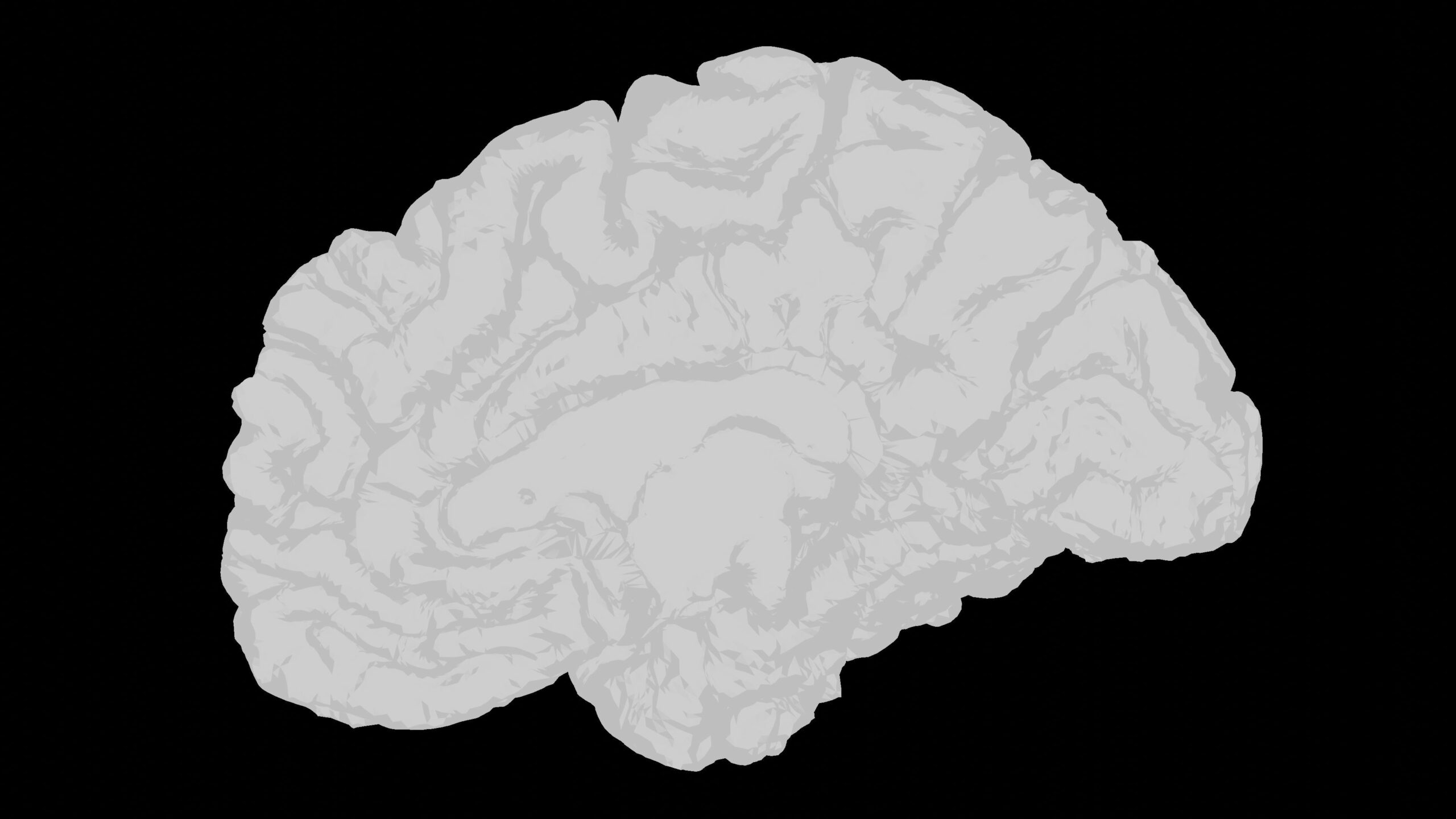
You navigate a world of vibrant colors, echoing sounds, and tactile sensations. Every moment, your brain is a tireless maestro, orchestrating a symphony of sensory input into a coherent, navigable reality. But how does it achieve this incredible feat? This is the core of decoding reality: understanding the intricate processes your brain employs to interpret the world around you. It’s not a passive reception of information, but an active, constructive, and often subjective experience. The reality you perceive is, in essence, a meticulously crafted interpretation, built from the ground up by the remarkable machinery within your skull.
Your journey into decoding reality begins with your senses. They are the exclusive conduits through which information from the external world enters your nervous system. Think of them as sophisticated data collection devices, each specialized for a particular type of energy. Without these gateways, your brain would be isolated, unable to interact with the rich tapestry of existence.
Vision: Painting the World in Light
The most dominant of your senses, vision, is a marvel of biological engineering. Light, a form of electromagnetic radiation, strikes your eyes and is transformed into electrical signals. This process is far more complex than simply “seeing.” Your brain doesn’t just record photons; it actively constructs a visual representation.
From Light to Signal: The Retina’s Role
The retina, a light-sensitive tissue at the back of your eye, is where the magic begins. Photoreceptor cells – rods and cones – act as transducers. Rods are highly sensitive to low light conditions and are responsible for your black-and-white vision and peripheral awareness. Cones, on the other hand, are less sensitive but are crucial for color vision and fine detail, functioning best in brighter light. When light hits these cells, a cascade of chemical reactions occurs, ultimately generating electrical impulses.
The Optic Nerve: A Highway of Information
These impulses travel along the optic nerve, a thick bundle of nerve fibers, towards the brain. This nerve is essentially a high-bandwidth cable, carrying vast amounts of visual data. It’s fascinating to consider that the optic nerve is actually a blind spot in your retina because it passes through the retinal tissue, yet your brain seamlessly fills in this gap, demonstrating its remarkable ability to compensate for missing information.
Processing in the Visual Cortex: Building the Picture
The bulk of visual processing occurs in the visual cortex, located in the occipital lobe at the back of your brain. Here, information is broken down into fundamental components: lines, edges, colors, motion, and depth. Different areas of the visual cortex specialize in processing these distinct features. For instance, neurons in one area might be highly attuned to detecting horizontal lines, while others respond to vertical lines or specific color contrasts. This modular processing allows for efficient analysis of the visual scene.
Audition: The Symphony of Sound
Your auditory system allows you to perceive the world through vibrations traveling through a medium, typically air. Sound, like light, is a form of energy, and your ears are exquisitely designed to capture and translate these vibrations into neural signals.
Capturing Vibrations: The Ear’s Mechanics
Sound waves enter your ear canal and cause the eardrum to vibrate. These vibrations are then amplified and transmitted through the middle ear by three tiny bones: the malleus, incus, and stapes. The stapes then transmits these vibrations to the cochlea, a fluid-filled, snail-shaped structure in your inner ear.
The Cochlea: Translating Vibrations into Neural Code
Inside the cochlea are thousands of tiny hair cells, which are the actual sensory receptors for hearing. As the fluid within the cochlea vibrates, these hair cells bend. This bending action triggers the release of neurotransmitters, which then activate auditory nerve fibers. Different regions of the cochlea are sensitive to different frequencies of sound, allowing your brain to distinguish pitch.
The Auditory Cortex: Making Sense of Sound
Similar to vision, auditory information is processed in the auditory cortex, located in the temporal lobe. Here, the brain deciphers the patterns of neural activity to identify sounds, their loudness, pitch, and direction from which they originate. This allows you to not only hear a sound but also to recognize it as speech, music, or the rustling of leaves.
Touch, Taste, and Smell: The Chemical and Tactile Realms
While vision and audition often take center stage, your other senses are equally vital for a comprehensive decoding of reality. These senses, often referred to as chemical senses (taste and smell) and somatosensory senses (touch), provide crucial information about your immediate environment and internal state.
Somatosensation: The Language of Texture and Pressure
Your skin, the largest organ in your body, is packed with an astonishing array of sensory receptors. These receptors detect various stimuli, including pressure, temperature, pain, vibration, and texture. Different types of receptors are responsible for these distinct sensations, and they all send signals to the somatosensory cortex in the parietal lobe. This processing allows you to distinguish between a smooth surface and a rough one, feel the warmth of the sun, or perceive the sharp sting of a cut.
Gustation and Olfaction: The Merging of Flavors and Scents
Taste and smell are intimately linked, contributing significantly to your perception of flavor. Taste receptors on your tongue detect five basic tastes: sweet, sour, salty, bitter, and umami. However, what you perceive as a rich flavor is actually a complex interplay of taste and smell, as olfactory receptors in your nasal cavity detect volatile chemical compounds released from food. The signals from both senses converge in the brain, creating the rich and nuanced experience of tasting your favorite meal.
Understanding how the brain interprets reality is a fascinating area of study that delves into the complexities of perception and cognition. A related article that explores this topic in greater detail can be found at Freaky Science, where the mechanisms of sensory processing and the brain’s role in shaping our experiences are examined. This article provides insights into how our brains construct a coherent picture of the world around us, often influenced by various factors such as memory, emotion, and context.
Beyond Raw Data: The Brain’s Interpretation Engine
Your brain doesn’t just passively receive sensory data; it actively interprets and constructs your reality. This interpretive power lies in a constant interplay between incoming sensory information and your existing knowledge, memories, and expectations. It’s like having a sophisticated filter that shapes what you perceive.
Perception: The Active Construction of Experience
Perception is the process by which your brain organizes and interprets sensory information to create a meaningful representation of the world. It’s not a direct reflection of physical reality but a subjective construction.
Top-Down vs. Bottom-Up Processing: Two Sides of the Interpretation Coin
Your brain employs two primary modes of processing:
- Bottom-up processing starts with the sensory receptors and works its way up to the brain. Raw sensory data is processed first. For example, when you see a red apple, the initial bottom-up processing involves detecting the wavelength of light reflected by the apple and its shape.
- Top-down processing uses your existing knowledge, expectations, and context to interpret sensory information. Your brain uses what it already knows to make sense of what it’s receiving. If you are expecting to see an apple and have prior knowledge of “apples,” your brain will readily interpret the incoming visual data as an apple.
These two modes are not mutually exclusive; they work in tandem. Often, top-down processing guides bottom-up processing, allowing you to quickly make sense of complex scenes. Imagine looking at a blurry image; your prior knowledge helps you guess what it might be, which in turn influences how you try to interpret the visual cues.
Gestalt Principles: Finding Order in Chaos
The Gestalt principles of perceptual organization describe how your brain tends to group visual elements into unified wholes. These principles reveal your innate drive to find order and simplicity:
- Proximity: Objects that are close to each other are perceived as belonging together.
- Similarity: Objects that share similar characteristics (e.g., color, shape) are grouped together.
- Continuity: Your brain prefers to see continuous, smooth lines rather than broken ones.
- Closure: Your brain tends to fill in gaps to perceive complete figures, even if parts are missing.
- Figure-Ground: You instinctively separate a figure from its background.
These principles demonstrate how your brain actively organizes sensory input to create meaningful patterns and structures, even from ambiguous or incomplete information.
Attention: Focusing Your Cognitive Spotlight
The sheer volume of sensory information bombarding you at any given moment is overwhelming. Your brain has developed a mechanism to filter this influx, prioritizing what is most relevant or interesting. This is the role of attention.
Selective Attention: Tuning Out the Noise
Selective attention allows you to focus on specific stimuli while ignoring others. Think about trying to have a conversation in a crowded room; you can tune out the surrounding chatter and focus on the voice of the person you’re speaking with. This is a remarkable feat of cognitive filtering.
Divided Attention: Juggling Multiple Tasks
You can also divide your attention between multiple tasks, though this often comes at a cost to the performance of each individual task. Driving and talking on the phone, while seemingly manageable, involves dividing your attention, which can lead to slower reaction times and increased risk.
The Impact of Attention on Perception
What you attend to directly influences what you perceive. If you are not paying attention to something, even if it’s directly in your sensory field, it might as well not exist in your conscious reality. This highlights the active and selective nature of your perceptual experience.
Memory and Expectation: Shaping Your Present Reality

Your past experiences and your predictions about the future play a profound role in how you interpret the present. Memory and expectation are not merely passive storage mechanisms; they are active architects of your perceived reality.
The Power of Memory: A Foundation for Interpretation
Your memories provide the framework upon which you build your understanding of the world. They offer context, allow for recognition, and inform your responses.
Recognition and Recall: Accessing Stored Information
When you encounter a new object or situation, your brain compares it to stored memories. This allows for recognition. If you see a chair, your memory helps you identify it as such and recall its typical function. Recall, on the other hand, is the ability to retrieve specific memories from storage.
Embodied Memory: The Body’s Role in Remembering
It’s important to recognize that memory isn’t solely confined to your brain. Your body also plays a role. Procedural memories, for instance, are “muscle memories” involved in performing actions like riding a bike or playing a musical instrument. These memories are encoded in the physical pathways and can be recalled through movement.
The Malleability of Memory: A Subjective Archive
It’s crucial to understand that memories are not perfect recordings. They are reconstructions, subject to errors, biases, and the passage of time. This means that your recalled memories can subtly alter your perception of past events, influencing how you interpret similar situations in the present.
Expectation: The Brain’s Predictive Machine
Your brain is constantly making predictions about what will happen next. These predictions, based on past experiences and current context, heavily influence your perception.
Predictive Coding: The Brain as a Prediction Machine
The theory of predictive coding suggests that your brain is constantly generating predictions about sensory input and comparing these predictions to actual incoming data. When there’s a discrepancy (a prediction error), the brain updates its internal model. This process allows for efficient adaptation and learning.
The Influence on Perception: Seeing What You Expect
If you expect to see a particular object in a certain location, your brain might bias your perception to confirm that expectation, even if the actual input is ambiguous. This can lead to phenomena like illusory correlations or susceptibility to suggestion. For example, if you’re told a particular item in an image is “rare,” you might be more likely to perceive it as significant, even if objective examination reveals otherwise.
The Subjectivity of Experience: Your Brain’s Unique Lens

The most profound aspect of decoding reality is acknowledging its inherent subjectivity. The “objective” world outside may be consistent, but your internal experience of it is unique, shaped by a complex interplay of factors.
Individual Differences: The Uniqueness of Each Brain
No two brains are exactly alike, and this individuality translates directly into unique perceptual experiences.
Genetics: The Blueprint for Your Brain
Your genetic makeup provides the fundamental blueprint for your brain’s structure and function. Variations in genes can influence everything from sensory acuity to cognitive processing styles, leading to inherent differences in how individuals perceive the world.
Life Experiences: The Sculptors of Your Mind
From your earliest moments, every experience shapes the connections and pathways within your brain. Childhood environments, education, relationships, and even seemingly insignificant events contribute to the neural architecture that underpins your perception.
Emotional State: The Color of Your Reality
Your emotional state acts as a powerful filter that can dramatically alter your experience. When you are happy, the world may seem brighter and more inviting. When you are anxious, you might focus on perceived threats. Emotions can amplify certain sensory inputs and suppress others, painting your reality with a particular hue.
Biases and Illusions: When Interpretation Goes Astray
Your brain’s interpretive mechanisms, while generally effective, are not infallible. Biases and illusions highlight the constructive, and sometimes erroneous, nature of perception.
Cognitive Biases: Systemic Patterns of Thought
Cognitive biases are systematic patterns of deviation from norm or rationality in judgment. They can influence how you interpret information, make decisions, and even perceive sensory data. Confirmation bias, for example, might lead you to seek out and interpret information that confirms your existing beliefs, while ignoring contradictory evidence.
Perceptual Illusions: The Brain’s Tricks
Perceptual illusions, such as optical illusions, demonstrate how your brain can be “tricked” into perceiving something that isn’t objectively there or perceiving it inaccurately. These illusions are valuable because they reveal the underlying assumptions and processing strategies your brain employs. For instance, the Müller-Lyer illusion, where lines of equal length appear different due to the arrowhead configurations at their ends, reveals how your brain uses contextual cues to infer depth and size.
The Role of Culture: Shared Interpretive Frameworks
Culture provides a shared set of beliefs, values, and practices that can influence how individuals perceive and interpret the world. What is considered polite or offensive, what is deemed important, and how events are understood can all be culturally conditioned, leading to variations in interpretation across different societies.
Understanding how the brain interprets reality is a fascinating topic that delves into the complexities of perception and cognition. For those interested in exploring this subject further, an insightful article can be found at Freaky Science, which discusses the intricate processes that shape our understanding of the world around us. This resource provides a deeper look into the mechanisms of the brain and how they influence our experiences and interactions with our environment.
The Dynamic and Adaptive Nature of Reality Interpretation
| Aspect | Explanation |
|---|---|
| Sensory Input | The brain receives information from the five senses: sight, hearing, taste, smell, and touch. |
| Perception | The brain processes sensory input to create a meaningful interpretation of the world around us. |
| Attention | The brain selectively focuses on certain stimuli while filtering out others, allowing us to prioritize important information. |
| Memory | The brain stores and retrieves past experiences, allowing us to compare and contrast current sensory input with previous knowledge. |
| Emotion | The brain’s interpretation of reality is influenced by emotional responses, shaping our perceptions and reactions. |
Your brain’s interpretation of reality is not a static process. It is remarkably dynamic and adaptive, constantly updating and refining its models of the world based on new information and changing circumstances.
Neuroplasticity: The Brain’s Ability to Change
Neuroplasticity, the brain’s remarkable ability to reorganize itself by forming new neural connections throughout life, is fundamental to its adaptive nature.
Learning and Adaptation:rewiring Your Brain
Whenever you learn something new, whether it’s a new skill or a new piece of information, your brain is physically changing. New synaptic connections are formed, and existing ones are strengthened or weakened. This allows you to adapt to new environments and challenges.
Recovery from Injury: Reclaiming Lost Function
Neuroplasticity also plays a crucial role in recovery from brain injury. If one area of the brain is damaged, other areas can sometimes take over its functions, enabling individuals to regain lost abilities. This highlights the brain’s impressive capacity for self-repair and adaptation.
The Role of Consciousness: The Experiential Seat of Reality
Consciousness is the subjective awareness of your internal and external world. It is where your decoded reality is experienced and where you make sense of your existence.
The “Hard Problem” of Consciousness: A Lingering Mystery
While we understand much about the neural mechanisms underlying perception and cognition, the “hard problem” of consciousness – how physical processes in the brain give rise to subjective experience – remains one of science’s greatest mysteries.
Qualia: The Raw Subjective Feel of Experience
Qualia refers to the subjective, qualitative properties of experience – the “what it’s like” to see red, feel pain, or taste chocolate. These are the raw, unanalyzable components of your subjective reality, and they are central to the enigma of consciousness.
The Evolutionary Advantage of Interpretation
Your brain’s sophisticated interpretive abilities have conferred a significant evolutionary advantage.
Survival and Navigation: Making Sense of Danger and Opportunity
The ability to accurately interpret sensory information, predict outcomes, and learn from experience is crucial for survival. Your brain’s capacity to decode the world allows you to identify threats, find resources, and navigate complex environments effectively.
Social Interaction and Cooperation: Understanding Others
In the social realm, your brain’s interpretive skills are essential for understanding the intentions, emotions, and actions of others. This capacity for empathy and social cognition facilitates cooperation and the formation of complex social structures.
Conclusion: The Ongoing Journey of Decoding Your Reality
You live in a reality crafted by your own brain. It’s a continuous, dynamic process of receiving, interpreting, and constructing. From the intricate workings of your sensory organs to the complex interplay of memory, expectation, and emotion, your brain is the ultimate architect of your perceived world. Understanding these mechanisms empowers you to appreciate the extraordinary nature of your own consciousness and the subjective beauty of the reality you experience. The journey of decoding reality is not a destination, but an ongoing exploration, a testament to the remarkable power and complexity of the human brain.

You’ve Never Experienced the Present
FAQs
1. What is the brain’s role in interpreting reality?
The brain plays a crucial role in interpreting reality by processing sensory information from the environment and creating a perception of the world around us.
2. How does the brain process sensory information to interpret reality?
The brain processes sensory information through a complex network of neurons and synapses, which allows it to integrate and interpret various stimuli such as sight, sound, touch, taste, and smell.
3. What factors can influence the brain’s interpretation of reality?
The brain’s interpretation of reality can be influenced by various factors including past experiences, emotions, beliefs, cultural background, and cognitive biases.
4. Can the brain’s interpretation of reality be altered or distorted?
Yes, the brain’s interpretation of reality can be altered or distorted through phenomena such as illusions, hallucinations, cognitive distortions, and mental health conditions.
5. How can understanding the brain’s interpretation of reality impact our daily lives?
Understanding how the brain interprets reality can help us become more aware of our own perceptions and biases, improve decision-making, enhance empathy and communication, and contribute to advancements in fields such as psychology, neuroscience, and artificial intelligence.