The Spectrum of Feline Coats: A Genetic Tapestry
The mesmerizing array of colors and patterns adorning a cat’s fur is far more than just a superficial aesthetic; it’s a vibrant testament to the intricate dance of genetics unfolding within their tiny bodies. From the deepest ebony to the most delicate ginger, and from the stark contrast of a tuxedo to the subtle stripes of a tabby, each feline coat tells a unique genetic story. Understanding these genetic underpinnings can offer a fascinating glimpse into the inheritance of traits, the evolutionary history of domestic cats, and the fascinating science that dictates their outward appearance. This exploration delves into the fundamental genetic principles that shape feline fur coloration, demystifying the genes responsible for a kaleidoscope of patterns and hues, and offering owners a deeper appreciation for the genetic legacy of their beloved companions.
Understanding your cat’s fur color can provide fascinating insights into their personality and behavior. For instance, certain fur colors have been associated with specific traits, such as orange cats often being more sociable and friendly. If you’re interested in learning more about how cat fur color can serve as a clue to their behavior, you can check out this informative article on the topic. For further exploration, visit Freaky Science for a deeper dive into the science behind pet characteristics and their implications for owners.
The Building Blocks of Color: Melanin and Its Genes
At the heart of all mammalian fur color lies a pigment called melanin. This complex molecule, produced by specialized cells called melanocytes, is responsible for the spectrum of colors we observe, from the darkest browns and blacks to lighter yellows and reds. In cats, there are two primary types of melanin that play a crucial role: eumelanin and phaeomelanin. Eumelanin is the dark pigment, responsible for black, brown, and their diluted forms (grey and cream). Phaeomelanin, on the other hand, is the red pigment, responsible for orange, ginger, and cream colors. The interplay and expression of genes influencing the production, distribution, and transformation of these two pigments are what create the vast diversity of cat coats.
Eumelanin: The Dark Foundation
The gene responsible for producing eumelanin is known as the B locus (or TYRP1 gene). This gene dictates whether a cat will have black pigment or a brown variant. The dominant allele, B, results in black fur. The recessive allele, b, leads to brown fur. Therefore, a cat with the genotype BB or Bb will have black pigment, while a cat with the genotype bb will have brown pigment. This brown pigment can manifest as chocolate or liver, depending on other genetic modifiers. This seemingly simple gene is the foundation for many darker coats and is crucial for understanding the expression of other color genes.
Phaeomelanin: The Warm Hues
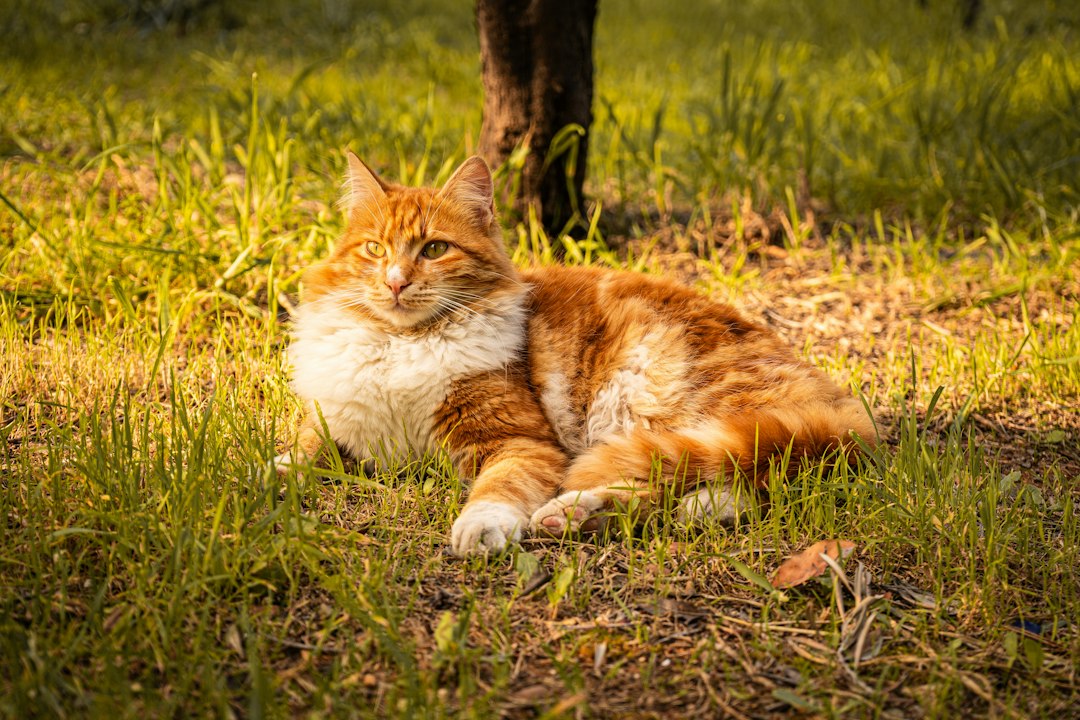
The gene responsible for producing phaeomelanin is located at the O locus (or MC1R gene). This gene is particularly interesting because it is sex-linked, meaning it is carried on the X chromosome. The dominant allele, O, is responsible for the presence of phaeomelanin, resulting in orange or ginger coloration. The recessive allele, o, does not produce phaeomelanin. Because females have two X chromosomes (XX) and males have one X and one Y chromosome (XY), this sex-linkage explains why ginger cats are overwhelmingly male. A female cat needs to inherit the O allele on both of her X chromosomes (OO) to be ginger. A male cat only needs to inherit the O allele on his single X chromosome (O) to be ginger. If a female has one O and one o allele (Oo), she will be calico or tortoiseshell, with patches of orange and black/brown. Males with the genotype Oo are rare intersex cats. The O locus gene directly influences the expression of phaeomelanin, determining the presence and distribution of red tones.
Dilution: Softening the Pigments
Beyond the fundamental production of dark and red pigments, there’s another crucial gene that acts as a modifier: the D locus (or MLPH gene). This gene controls the intensity of both eumelanin and phaeomelanin. The dominant allele, D, allows the full expression of the pigment. The recessive allele, d, causes dilution. When present, the ‘d’ allele breaks down pigment granules, resulting in a lighter, softer shade of the original color. Black becomes grey (also known as blue), brown becomes lilac or fawn, and red (orange) becomes cream. Therefore, a black cat (BB) with the diluted genotype (dd) will be a grey cat. A brown cat (bb) with the diluted genotype (dd) will be a lilac or fawn cat. Similarly, a ginger cat (OO or Oo with appropriate B locus) with the diluted genotype (dd) will be a cream cat. The D locus acts as a universal diluting factor, impacting both eumelanin and phaeomelanin, and is essential for understanding the more muted and pastel shades seen in many cat breeds.
Patterns and Agouti: The Stripes and Spots
While color genes determine the base pigment, other genes dictate how these pigments are distributed, leading to the fascinating patterns we see in feline coats. The most iconic pattern is the tabby, characterized by stripes, swirls, swirls, or spots. This pattern is controlled by the Agouti locus (or ASIP gene). The dominant allele, A, is the agouti gene, which allows the production of banded hairs, creating the tabby pattern. The recessive allele, a, is non-agouti, which results in a solid color coat where hairs are uniformly pigmented.
The Agouti Gene: The Canvas for Tabby
The agouti gene works by signaling pigment cells to produce pigment in a banded fashion along each hair shaft. This banding creates the characteristic “tick” or “agouti” appearance, where each individual hair has alternating bands of dark and light pigment. In the presence of the agouti gene (A), this banding is expressed, allowing for the development of distinct tabby markings like stripes, swirls, and spots. The intensity and distribution of these bands are further influenced by other genes.
Types of Tabby Patterns
Within the tabby spectrum, there are several distinct patterns, each arising from subtle genetic variations:
Classic Tabby (Blotched Tabby)
This pattern is characterized by bold, swirling patterns, often resembling a bullseye on the flank. The genes responsible for the classic tabby pattern are thought to be a specific expression of the Agouti locus combined with other modifiers that promote the broad, swirling markings. This pattern is often more prominent in certain breeds and can be quite striking in its complexity.
Mackerel Tabby (Striped Tabby)
The mackerel tabby is perhaps the most common tabby pattern, featuring narrow, parallel stripes running down the sides of the cat’s body, resembling the bones of a fish. This pattern is also a manifestation of the Agouti locus, with genes that promote thinner, more distinct stripes. The definition of these stripes is crucial for identifying this pattern.
Spotted Tabby
In spotted tabbies, the stripes are broken up into distinct spots. This pattern is believed to be a result of the “Abyssinian gene” (which we will discuss later) interacting with the tabby pattern, causing the stripes to fragment. The size and distribution of these spots can vary significantly, from small, dense spots to larger, more spread-out markings.
Ticked Tabby (Agouti Tabby)
The ticked tabby, most famously seen in the Abyssinian breed, lacks distinct stripes or spots on the body. Instead, each hair shaft is banded with alternating colors, giving the appearance of a salt-and-pepper or ticked effect. While the Agouti locus is present, the expression is such that the banding is very fine and evenly distributed across the body, with minimal or no distinct tabby markings.
The Non-Agouti Gene: The Solid Canvas
Conversely, cats with the non-agouti genotype (aa) lack the banding effect of the agouti gene. This results in a solid color coat where each hair shaft is uniformly pigmented from root to tip. However, even in solid-colored cats, faint tabby markings can sometimes be visible under certain lighting conditions, a phenomenon known as “ghost striping.” This is especially true in kittens, where the genes for pattern expression may be less strongly suppressed.
White and Piebaldism: The Absence of Pigment
The presence of white in a cat’s coat is another fascinating genetic trait, and it’s not simply the absence of color but rather a specific genetic mechanism that prevents pigment cells from migrating to certain areas during embryonic development. This phenomenon is known as piebaldism or white spotting.
The Dominant White Gene
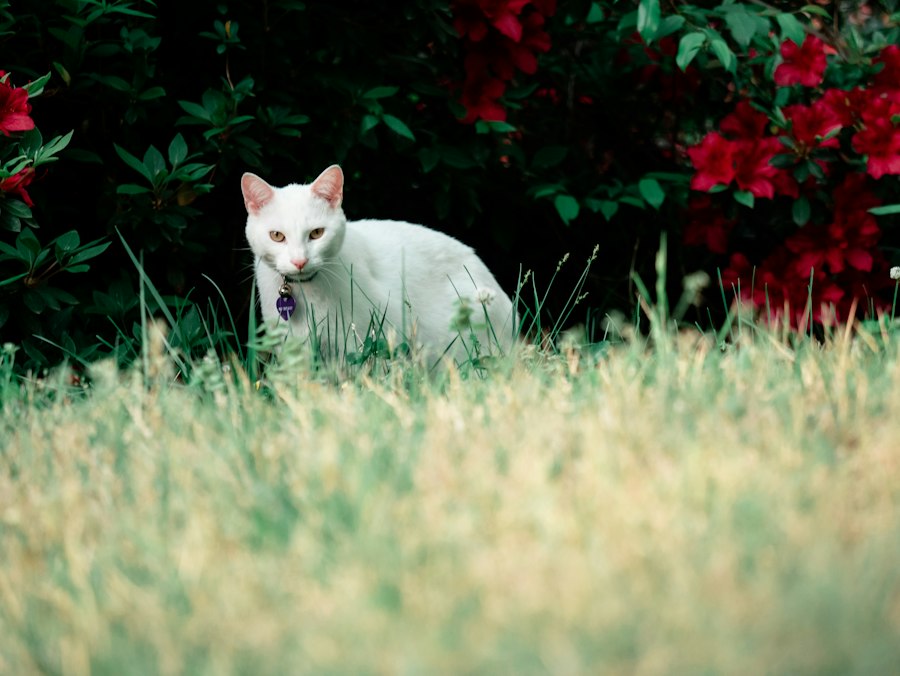
The most extreme form of white spotting is caused by the dominant white gene (W locus). This gene completely masks all other color and pattern genes. A cat with at least one copy of the dominant white allele (W) will appear entirely white, regardless of its underlying genetic makeup. This means a white cat could genetically be a black tabby, a ginger, or even a Siamese, but the dominant white gene prevents the expression of these colors. This can make it challenging to determine a white cat’s true genetic potential without genetic testing.
The White Spotting Gene
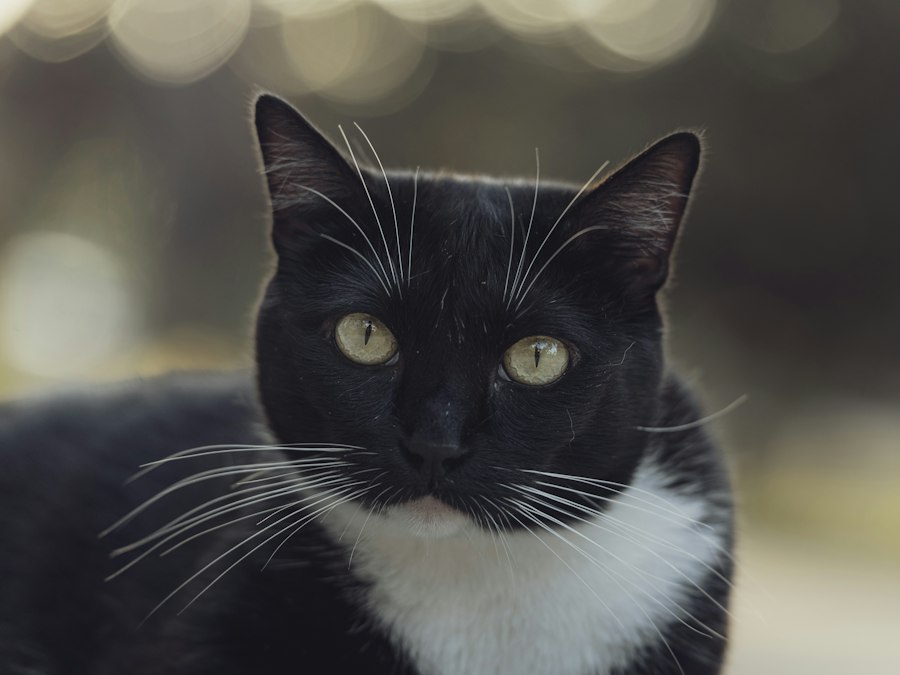
A more common cause of white in cat coats is the presence of the white spotting gene (S locus). This gene allows for patches of white to appear on the coat, with the amount and distribution of white varying significantly. The S locus is a modifier gene, and its expression can range from a few white paws or a small white chest patch to extensive white coverage, creating patterns like “tuxedos” (black with white chest and paws) and “van” patterns (mostly white with color only on the head and tail). The S locus is a quantitative trait, meaning multiple genes likely contribute to the varying degrees of white spotting, making it a complex genetic area.
The Link to Deafness and Eye Color
It’s important to note the genetic link between white coats and certain other traits, particularly deafness and eye color. Cats with the dominant white gene (W) that also have blue eyes have a higher incidence of congenital deafness. This is because the gene responsible for white fur on the head and the gene responsible for blue eyes are closely linked, and this linkage can interfere with the development of the inner ear. Similarly, white spotting genes can influence eye color, often leading to heterochromia (two different colored eyes), especially in cats with extensive white markings.
Understanding your cat’s fur color can provide fascinating insights into their personality and behavior. For instance, certain colors and patterns are often associated with specific traits, which can help owners better connect with their feline friends. If you’re curious about how these color clues can enhance your relationship with your pet, you might find this article on cat fur color clues particularly enlightening. By exploring these connections, you can gain a deeper appreciation for your cat’s unique characteristics.
Beyond the Basics: Other Color Modifiers and Mutations
| Fur Color | Common Traits | Possible Personality Clues | Health Considerations | Owner Tips |
|---|---|---|---|---|
| Black | Solid black coat | Often friendly and easygoing | May have higher risk of skin cancer in white areas (if any) | Regular grooming to reduce shedding and maintain shine |
| Orange/Red | Orange tabby patterns | Typically affectionate and social | More likely to be male (about 80%) | Provide plenty of playtime to channel energy |
| Calico (Tri-color) | White, black, and orange patches | Often independent and strong-willed | Almost always female due to genetics | Respect their space but engage regularly |
| Gray/Blue | Solid gray or bluish tint | Calm and gentle temperament | Prone to obesity if inactive | Encourage regular exercise and balanced diet |
| White | Pure white coat | Varied personalities | Higher risk of deafness, especially blue-eyed cats | Protect from sun exposure to prevent skin damage |
| Tabby | Striped, spotted, or swirled patterns | Friendly and adaptable | Generally healthy with no specific risks | Regular grooming to manage shedding |
The world of cat coat genetics extends far beyond the fundamental genes for color, dilution, pattern, and white. Numerous other genes and mutations act as modifiers, creating an even richer tapestry of feline appearances.
The Siamese and Burmese Genes: Points and Dilution
The Siamese and Burmese breeds, known for their distinctive “pointed” patterns and specific color variations, are excellent examples of how specific mutations can create unique appearances. The Siamese gene (cs locus) is a temperature-sensitive mutation that affects the production of pigment. Pigment is produced most strongly in cooler areas of the body, such as the extremities (ears, paws, tail, and face), resulting in the characteristic darker “points.” Warmer areas of the body remain lighter. The Burmese gene (cb locus) also causes a form of temperature-sensitive pigment production but results in a more subtle “sepia” coloration, where the cat is darker on the body and slightly lighter on the underside, rather than the stark contrast seen in Siamese. These genes are often referred to as “colorpoint” genes and are recessive to the full color gene.
The Russian Blue Gene: A Diluted Black
The Russian Blue breed is renowned for its beautiful, uniformly grey (“blue”) coat. While dilution is caused by the d allele at the D locus, the Russian Blue gene (often linked to a specific allele at the B locus, leading to a very specific shade of grey) results in an exceptionally even and distinct blue hue, often with a silvery sheen. This is a testament to how subtle variations in gene expression can lead to breed-specific coloration.
The Dilute Tortoiseshell and Calico Genes
The stunning patterns of tortoiseshell and calico cats are a direct result of the sex-linked O locus gene interacting with other color and pattern genes. As mentioned earlier, a female cat with the genotype Oo will express both phaeomelanin (orange/red) and eumelanin (black/brown) in patches. If the cat also carries the non-agouti gene (aa), the patches will be solid orange and solid black/brown, resulting in a tortoiseshell. If the cat is also genetically tabby (genetically carries the A locus), the patches will be tabby orange and tabby black/brown, resulting in a calico or “dilute calico” if the dilution gene (dd) is also present, creating patches of cream and blue or lilac.
The Tabby Pattern in Dilutes and Tortoiseshells
It’s fascinating to observe how the dilution gene interacts with other patterns. A diluted black cat (B_dd) is grey. A diluted brown cat (bbdd) is lilac or fawn. A diluted orange cat (OOdd) is cream. When these diluted colors combine with the tortoiseshell or calico pattern, we see the “dilute” versions: a dilute tortoiseshell will have patches of cream and blue, and a dilute calico will have patches of cream, blue, and potentially white. The underlying tabby pattern can also be expressed within these patches, leading to incredibly intricate and beautiful color combinations.
Decoding Your Cat’s Coat: A Journey of Discovery
The science of cat coat genetics is a continuously evolving field, with new discoveries being made regularly. However, even with the current understanding, it’s possible to begin decoding the genetic blueprint behind your feline friend’s captivating coat. Observing your cat’s colors, patterns, and the presence of white markings can provide significant clues.
Predicting Kittens: A Genetic Guessing Game
For cat breeders, understanding these genetic principles is paramount for predicting the potential coat colors and patterns of offspring. By knowing the genotypes of the parent cats, breeders can make educated guesses about the likelihood of certain traits appearing in their kittens. For instance, if a ginger male (O_) is bred with a black female (oo), all their male kittens will inherit the X chromosome from the mother (carrying o) and the X chromosome from the father (carrying O), making them all tortoiseshell (Oo) and therefore female. Conversely, if a black male is bred with a ginger female (OO), all their kittens will be ginger (O_). This understanding of inheritance patterns is crucial for responsible breeding practices.
The Role of DNA Testing
For pet owners who are simply curious about their cat’s genetic makeup, DNA testing services are becoming increasingly accessible. These tests can analyze a cat’s DNA and reveal the specific alleles they possess for various color and pattern genes. This can confirm suspected genotypes, identify hidden genes, and offer a deeper understanding of why a cat looks the way it does. It’s a fascinating way to connect with your pet on a genetic level and appreciate the complexities of their inherited traits.
Appreciating the Uniqueness of Each Feline
Ultimately, understanding cat fur colors is about appreciating the incredible diversity and genetic artistry that nature has bestowed upon these beloved companions. Each stripe, spot, and color patch is a testament to millions of years of evolution and the intricate workings of DNA. By learning about the genes that shape their coats, owners can develop an even deeper appreciation for the unique beauty and genetic legacy of their individual cats, recognizing that behind every mesmerizing feline façade lies a complex and fascinating genetic story waiting to be understood. The spectrum of feline coats is a living, breathing genetic masterpiece, and decoding it unlocks a deeper understanding of the creatures we share our lives with.
Which Cat Color Lives Longest? The Research Has a Twist
FAQs
What are some common fur colors in cats?
Some common fur colors in cats include black, white, gray, orange, and brown. Cats can also have a combination of these colors in various patterns.
Can a cat’s fur color indicate its breed?
While certain cat breeds are known for specific fur colors or patterns, a cat’s fur color alone is not a reliable indicator of its breed. Breed characteristics are determined by a combination of factors, including genetics and physical traits.
Do certain fur colors in cats indicate specific personality traits?
There is no scientific evidence to suggest that a cat’s fur color is directly linked to specific personality traits. A cat’s behavior and temperament are influenced by a variety of factors, such as genetics, early socialization, and individual experiences.
How can a cat’s fur color provide clues about its health?
Changes in a cat’s fur color or texture can sometimes indicate underlying health issues. For example, a dull or patchy coat could be a sign of nutritional deficiencies or skin problems. It is important to monitor any changes in your cat’s fur and consult a veterinarian if you have concerns.
Are there any superstitions or beliefs associated with certain cat fur colors?
In some cultures, certain cat fur colors are believed to bring good luck or bad luck. For example, black cats are often associated with superstitions about bad luck, while calico cats are considered lucky in some regions. These beliefs are based on cultural traditions and folklore, rather than scientific evidence.