The world of cat ownership is often filled with a wealth of advice, anecdotal evidence, and, unfortunately, a fair share of myths. Among the most persistent are those surrounding cat colors and their supposed impact on a feline’s lifespan. For years, whispers have circulated about black cats being unluckier, orange tabbies being more prone to certain ailments, and calicos being exclusively female with unique health considerations. This article aims to unravel these common misconceptions, separating fact from fiction and providing a clearer understanding of what truly influences a cat’s longevity, with a particular focus on debunking color-related myths.
The Persistent Shadows of Superstition: Black Cats and Longevity
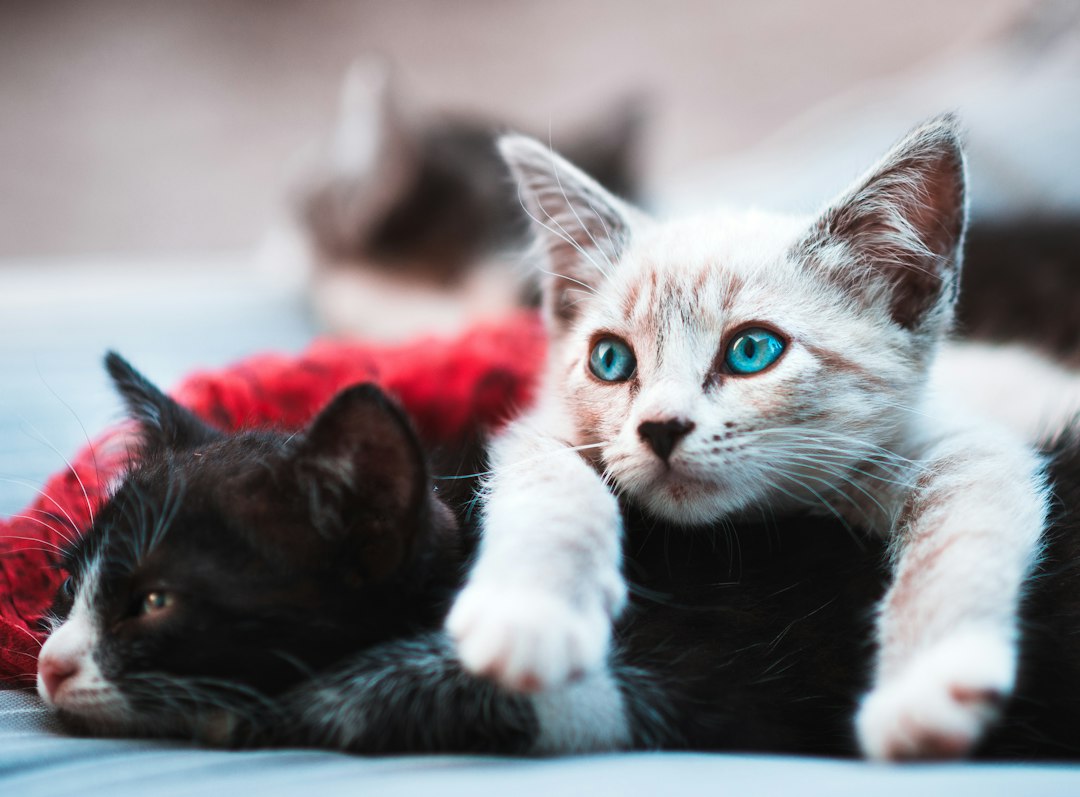
The image of the black cat has long been entangled with folklore and superstition. In some cultures, particularly Western ones, black cats have been associated with bad luck, witchcraft, and misfortune, leading to their association with shorter lifespans through unfortunate neglect or abandonment. This deeply ingrained belief system, however, has no scientific basis. In reality, a cat’s coat color is determined by genetics, specifically the melanocytes that produce melanin, the pigment responsible for color. The genes that control coat color are entirely separate from those that influence a cat’s health and lifespan.
Genetic Determinants of Black Fur
The black coloration in cats is a result of a dominant gene (B) that codes for black pigment. This gene can be masked by other genes, leading to different shades and patterns. However, the presence of this gene has no bearing on the cat’s internal organs, immune system, or propensity for disease. A black cat is just as genetically predisposed to a long and healthy life as a cat of any other color, provided it receives proper care.
The Impact of Human Perception on Lifespan
While genetics play a crucial role in a cat’s potential lifespan, human perception and treatment can significantly impact the actual length of a cat’s life. Unfortunately, the negative superstitions surrounding black cats have, in some instances, led to them being overlooked in shelters, adopted less frequently, and sometimes even subjected to abuse. This human-induced bias, rather than any inherent biological trait, could contribute to a perception of shorter lifespans for black cats in certain contexts. When black cats are loved, cared for, and provided with a safe environment, they thrive and live just as long as their multi-colored counterparts. The key to a long and happy life for any cat, regardless of its fur color, lies in responsible ownership.
Many cat owners often wonder if the color of their feline friends has any impact on their lifespan, leading to various myths and misconceptions. For those interested in exploring this topic further, a related article discusses the intriguing relationship between cat color and longevity. You can read more about these myths and the science behind them in the article found here: Cat Color Myths and Lifespan. This resource provides valuable insights that can help clarify common beliefs surrounding cat colors and their potential effects on health and lifespan.
The Sunny Disposition of Orange Tabbies: Health and Longevity Explored
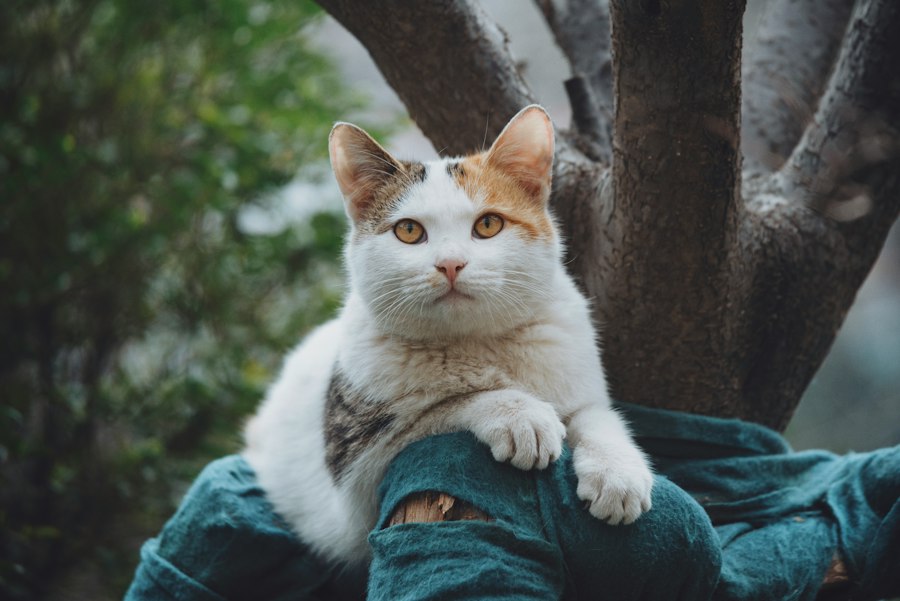
Orange tabby cats are often lauded for their friendly personalities and laid-back temperaments. This perception has, in turn, sometimes led to assumptions about their overall health and lifespan. While it’s true that certain coat color genes can be linked to specific traits or predispositions, the idea that orange tabbies inherently live shorter or longer lives due to their coloration is largely a myth.
Unpacking the “Orange Cat Syndrome” and its Misinterpretations
The concept of “orange cat syndrome” is a colloquial term that sometimes refers to a perceived increase in certain health issues or behavioral tendencies among orange cats. However, scientific evidence supporting a direct link between the orange gene and significantly reduced lifespan is scarce. Some studies have explored potential correlations, but these are often complex and can be influenced by confounding factors such as breed, lifestyle, and environment. For instance, some research has investigated the prevalence of certain genetic mutations that might be more common in orange cats, but these are not necessarily indicative of a shorter lifespan.
Dietary Habits and Their Influence
A more plausible, albeit still largely anecdotal, connection might lie in the eating habits sometimes associated with orange cats. It’s a common observation among cat owners that orange cats can be particularly food-motivated, sometimes leading to a higher risk of obesity. Obesity in cats, as in humans, can contribute to various health problems, including diabetes, heart disease, and joint issues, all of which can shorten a cat’s lifespan. This is not a direct consequence of their orange fur but rather a potential behavioral trait that, if not managed through proper diet and exercise, can impact health. Therefore, responsible feeding practices and maintaining a healthy weight are crucial for orange cats, just as they are for cats of all colors. The key here is owner vigilance regarding diet and activity levels, not the color of their fur.
The Enigma of Calico and Tortoiseshell Cats: Gender, Genetics, and Lifespan

Calico and tortoiseshell cats are renowned for their striking, multi-colored coats. These patterns are intrinsically linked to a specific genetic phenomenon involving the X chromosome, which in turn has implications for their gender distribution. The prevailing myth often suggests these cats are inherently special and perhaps possess unique lifespan characteristics.
The X Chromosome and the Tortie/Calico Phenomenon
The vibrant patches of color in calico and tortoiseshell cats are a result of a phenomenon called X-chromosome inactivation. The gene responsible for orange and black fur color is located on the X chromosome. Females have two X chromosomes (XX), while males have one X and one Y chromosome (XY). In females, one of the X chromosomes is randomly inactivated in each cell during development. If one X chromosome carries the gene for orange fur and the other carries the gene for non-orange (often black or brown), the random inactivation will result in patches of different colors. This is why calico and tortoiseshell cats are overwhelmingly female. Male calicos or torties are extremely rare and typically have a genetic abnormality (XXY syndrome) that renders them sterile and often leads to health issues, which can indeed shorten their lives, but this is not representative of the vast majority of these cats.
Is There a “Tortie/Calico Lifespan” Advantage?
The notion that torties and calicos have a distinct lifespan advantage due to their genetics is not supported by robust scientific evidence. Their lifespan is influenced by the same factors as any other cat: genetics, diet, veterinary care, environment, and lifestyle. While their unique genetic makeup for coat color is fascinating, it does not directly translate into a longer or shorter life expectancy in and of itself. The health and longevity of a calico or tortoiseshell cat are primarily determined by the overall health of its genetic line and the quality of care it receives throughout its life. Any observed differences in lifespan are more likely attributable to general factors of good pet ownership rather than their specific coat pattern.
Beyond Color: The True Architects of Feline Lifespan
While the fascination with cat colors and their supposed impact on lifespan is understandable, the reality is far more nuanced. The true architects of a cat’s longevity are a complex interplay of genetics, environment, and the quality of care provided by their human companions. Focusing solely on coat color as a predictor of lifespan is a misleading oversimplification.
The Unseen Influence of Genetics and Breed
Beyond the superficial expression of coat color, a cat’s underlying genetic makeup plays a significant role in its overall health and potential lifespan. Breed predispositions can influence susceptibility to certain hereditary diseases. For example, some pedigree breeds may be more prone to conditions like hypertrophic cardiomyopathy or polycystic kidney disease. While not directly linked to coat color, these genetic factors are critical determinants of a cat’s long-term well-being. Responsible breeders screen their cats for common genetic health issues, and adopting from reputable sources can help mitigate some of these risks. A mixed-breed cat, often referred to as a “moggie,” can be just as healthy, if not more so, due to a wider gene pool and the principle of hybrid vigor.
The Cornerstone of Longevity: Nutrition and Veterinary Care
The most significant factors contributing to a cat’s lifespan are consistently good nutrition and regular veterinary care. A balanced diet tailored to a cat’s life stage and specific needs provides the essential nutrients for robust health, a strong immune system, and healthy organ function. This prevents deficiencies and imbalances that can lead to chronic illnesses. Equally important is proactive veterinary care. Regular check-ups, vaccinations, parasite control, and prompt attention to any signs of illness are crucial for early detection and treatment of potential health problems. Spaying or neutering also contributes significantly to longevity by reducing the risk of certain cancers and behavioral issues. A cat that receives proper preventive care and timely medical intervention is far more likely to live a long and healthy life, regardless of whether its fur is black, orange, calico, or any other hue.
Many cat owners often wonder if the color of their feline friends can influence their lifespan, leading to various myths and misconceptions. A fascinating article that delves into these myths can be found at Freaky Science, where it explores the relationship between cat color and longevity. Understanding these myths can help pet owners make informed decisions about their cats’ health and care, ensuring they enjoy a long and happy life regardless of their fur color.
Cultivating a Long and Happy Life: The Role of the Responsible Owner
| Cat Color | Common Myth About Lifespan | Scientific Evidence | Average Lifespan (Years) |
|---|---|---|---|
| Black | Black cats live longer because they are considered lucky. | No scientific evidence supports color affecting lifespan; longevity depends on genetics and care. | 12-16 |
| Orange (Ginger) | Orange cats have shorter lifespans due to aggressive behavior. | Behavior varies individually; no direct link between color and lifespan. | 12-15 |
| White | White cats have shorter lifespans because of health issues like deafness. | Some white cats with blue eyes may have deafness, but this does not necessarily reduce lifespan. | 12-16 |
| Calico/Tortoiseshell | Calico cats live longer because they are mostly female and females live longer. | Female cats generally live longer, but color itself is not a factor. | 13-17 |
| Gray (Blue) | Gray cats have no lifespan myths associated. | No myths; lifespan depends on care and genetics. | 12-16 |
Ultimately, the myth that cat color dictates lifespan is a persistent but unfounded belief. The true pathway to a long and fulfilling life for any feline companion lies in the hands of its owner. By understanding and prioritizing the factors that genuinely contribute to a cat’s well-being, owners can ensure their beloved pets enjoy many happy years.
Creating a Safe and Stimulating Environment
A cat’s environment plays a vital role in its physical and mental health. Providing a safe, secure, and stimulating living space can significantly reduce stress and prevent behavioral problems. This includes offering opportunities for climbing, scratching, and playing, which are essential for a cat’s natural instincts. Indoor cats, when provided with adequate enrichment, generally have longer lifespans than outdoor cats due to reduced exposure to dangers such as traffic, predators, and infectious diseases. However, even indoor cats need mental stimulation to prevent boredom and anxiety. Interactive toys, puzzle feeders, and even window perches can offer valuable outlets for their energy and curiosity.
The Power of Love, Observation, and Preventive Care
Beyond the tangible aspects of diet, shelter, and veterinary visits, the intangible element of love and attention is paramount. A strong bond between a cat and its owner contributes to its emotional well-being, which can have a positive impact on its physical health. Regular observation of a cat’s behavior, appetite, and overall demeanor allows owners to detect subtle changes that might indicate the onset of illness. This vigilance, combined with a commitment to preventive care – including regular veterinary check-ups, a balanced diet, and a safe environment – forms the bedrock of a long and healthy feline life. The color of a cat’s fur is merely a cosmetic feature; its lifespan is a testament to the dedication and responsibility of its human guardians.

Which Cat Color Lives Longest? The Research Has a Twist
FAQs
What are some common myths about cat colors and lifespan?
Some common myths include the belief that cats with certain coat colors live longer or shorter lives based on their color.
Do cat colors actually have any impact on their lifespan?
No, there is no scientific evidence to support the idea that a cat’s coat color has any influence on their lifespan.
Are there any specific cat colors that are associated with longer or shorter lifespans?
No, all cats, regardless of their coat color, have the potential to live long and healthy lives with proper care and attention.
What factors actually contribute to a cat’s lifespan?
Factors such as genetics, diet, exercise, environment, and access to veterinary care play a much larger role in determining a cat’s lifespan than their coat color.
How can cat owners ensure their feline companions live long and healthy lives?
Cat owners can help their pets live longer by providing a balanced diet, regular exercise, a safe and stimulating environment, and regular veterinary check-ups.