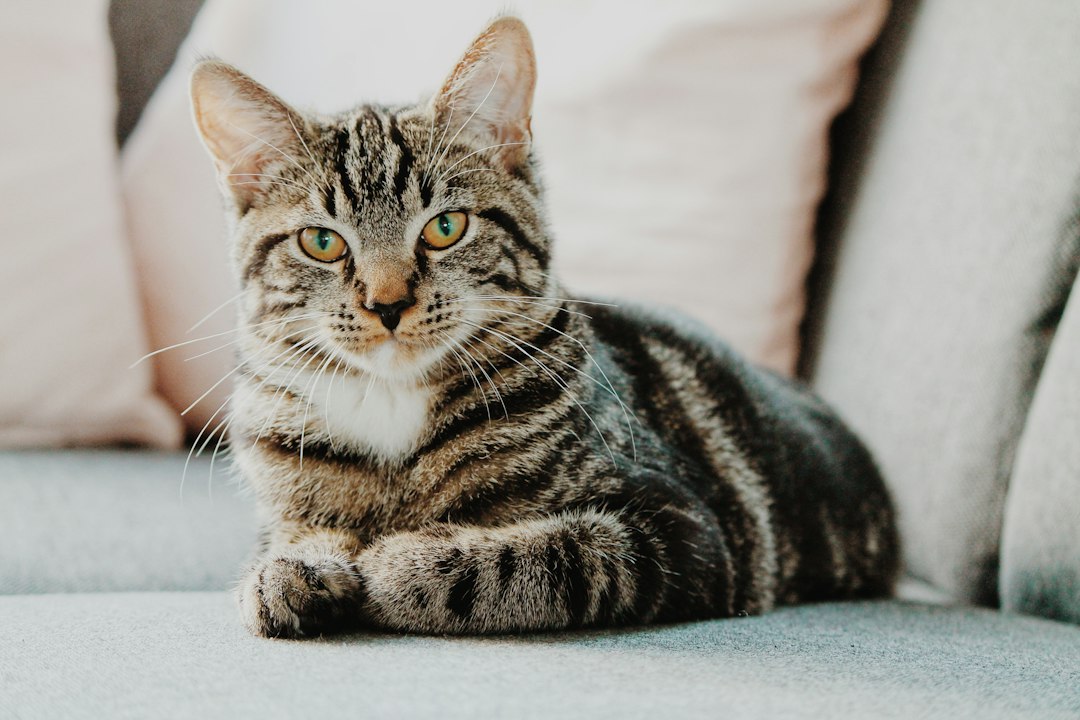
The lifespan of a feline companion is a topic of enduring fascination and, often, misinformation. Across generations, anecdotal evidence and popular belief have woven a tapestry of myths surrounding how long cats live and what influences their longevity. However, as scientific understanding and veterinary research advance, many of these long-held notions are being systematically debunked. This article delves into some of the most pervasive cat longevity myths and explores the scientific evidence that clarifies the realities of feline aging.
The Myth of the Fixed Nine Lives
Perhaps the most enduring myth about cats is that they possess nine lives. This adage, deeply embedded in folklore across various cultures, likely stems from their remarkable agility, ability to survive falls that would be fatal to other animals, and their general resilience. The idea of multiple lives grants them an almost supernatural capacity for survival, explaining away near-death experiences and close calls. While cats are undoubtedly adept at navigating hazardous situations, attributing their survival to magical extra lives is a romanticized notion that overlooks the biological and behavioral factors at play.
The Science of Feline Agility and Survival
The myth of nine lives is not supported by any biological evidence. Cats do not possess an inherent biological mechanism for regenerating or replacing lost lives. Their impressive ability to survive falls, for instance, is attributed to a complex interplay of physiological and anatomical features. Their flexible spine and lack of a rigid collarbone allow them to twist their bodies mid-air, orienting themselves to land on their feet. This “righting reflex” is an innate behavior that develops around three to four weeks of age and is perfected by the time they are six to seven weeks old. Furthermore, their relatively low body mass and high surface area to volume ratio can also contribute to survivability from significant heights, as it allows for greater air resistance, slowing their descent.
However, this does not render them invincible. Falls from extreme heights can still result in severe injuries, including fractures, internal organ damage, and even death. The “nine lives” concept dismisses the very real risks and potential consequences of accidents, leading to a dangerous underestimation of the need for safety precautions for indoor and outdoor cats alike. The reality is that cats have one life, and responsible pet ownership, including providing a safe environment and prompt veterinary care, is crucial for its preservation and quality.
Misinterpreting Resilience as Invincibility
The resilience of cats, their ability to recover from illnesses and injuries, can also contribute to the “nine lives” myth. They often display stoic behavior when in pain, hiding their discomfort until it becomes severe. This can lead owners to believe their cat has miraculously bounced back from a serious ailment, reinforcing the idea of inherent hardiness. However, this stoicism can also mask underlying health issues, delaying necessary veterinary intervention. Early detection and treatment are paramount for managing feline health and ensuring a longer, healthier life. The “nine lives” narrative can inadvertently encourage a delayed response to symptoms, as owners might assume their cat will simply “bounce back” on its own.
Many cat owners often hold misconceptions about the factors that influence their feline companions’ longevity. A recent article titled “Cat Longevity Myths Explained by Research” delves into these common myths and presents scientific findings that challenge popular beliefs. By examining various aspects such as diet, genetics, and environmental factors, the article provides valuable insights for pet owners looking to enhance their cats’ quality of life. To learn more about these myths and the research behind them, you can read the article here: Cat Longevity Myths Explained by Research.
Indoor vs. Outdoor Cats: Debunking the Longevity Divide

Another prevalent myth concerns the lifespan of indoor versus outdoor cats. Many believe that outdoor cats, being more “natural” and engaged in a wilder existence, might live longer or more fulfilling lives. Conversely, some believe that indoor cats are too sheltered and will succumb to illness or boredom, thus living shorter lives. The reality, as supported by extensive research, paints a starkly different picture, with indoor cats generally enjoying significantly longer and healthier lives.
The Dangers Lurking Beyond the Doorstep
The outdoor environment presents a myriad of dangers for cats that directly impact their longevity. These include, but are not limited to, traffic accidents, encounters with predators (such as dogs or coyotes), fights with other cats, exposure to infectious diseases (like Feline Leukemia Virus (FeLV) and Feline Immunodeficiency Virus (FIV)), parasitic infestations, poisoning from pesticides or toxic plants, and getting lost or trapped. The cumulative risk from these external threats is substantial and significantly reduces the average lifespan of outdoor cats. Studies consistently show that indoor cats live, on average, twice as long as their outdoor-roaming counterparts.
The Benefits of a Safe Haven
Conversely, an indoor lifestyle provides a protected environment that drastically mitigates these risks. Indoor cats are shielded from the dangers of traffic, territorial disputes, and exposure to zoonotic diseases. They are also less likely to ingest toxins or encounter predatory animals. Furthermore, a well-stimulated indoor environment, enriched with toys, climbing structures, and opportunities for social interaction with their human families, can provide ample physical and mental engagement, dispelling the myth that indoor cats are bored or deprived. The controlled environment also allows for better monitoring of their health, enabling owners to notice subtle changes in behavior or appetite that might indicate an illness, leading to earlier veterinary care and improved outcomes.
The Myth of the Aging Cat’s Decline
A common misconception is that once a cat reaches a certain age, its decline is inevitable and rapid. This often leads to a perception that older cats are less valuable or that their care becomes a losing battle. While it is true that cats, like all living beings, do age and become more susceptible to certain health conditions, the process is far from a guaranteed swift decline. Modern veterinary medicine and a better understanding of feline geriatrics have demonstrated that older cats can enjoy many years of good health and quality of life with proper care.
The Golden Years: Redefining Feline Seniority
Veterinarians now define senior cats as those typically over the age of 10, with geriatric cats being 15 and older. However, these are just benchmarks, and the aging process is highly individual. Many cats remain vibrant and active well into their teens and even early twenties. The key to ensuring a good quality of life for senior cats lies in proactive and preventative veterinary care. This includes regular check-ups, tailored diets, and early detection and management of age-related conditions such as arthritis, kidney disease, hyperthyroidism, and dental problems.
Proactive Care and Management of Age-Related Conditions
Instead of accepting a rapid decline, research and veterinary practice emphasize managing age-related conditions to maintain comfort and mobility. For instance, arthritis can be managed with pain medication, joint supplements, and environmental modifications like ramps and orthopedic beds. Kidney disease, a common ailment in older cats, can be managed with specialized diets and medications to slow its progression and improve quality of life. Hyperthyroidism, another prevalent condition, is often treatable with medication or specialized diets. By embracing a proactive approach to senior cat care, owners can significantly extend their cat’s healthy lifespan and ensure their “golden years” are indeed golden. This debunks the myth that aging cats are destined for a quick deterioration and highlights the power of informed and attentive pet ownership.
Diet and Longevity: Separating Fact from Fad
The role of diet in feline longevity is another area rife with myths and conflicting advice. From claims about the miraculous benefits of raw food diets to warnings about the dangers of dry kibble, the landscape of feline nutrition can be confusing. While diet is undeniably a crucial factor in a cat’s overall health and lifespan, many popular beliefs are not supported by robust scientific evidence.
The Science-Based Approach to Feline Nutrition
Cats are obligate carnivores, meaning their bodies are biologically designed to derive nutrients primarily from animal-based proteins. This fundamental dietary requirement is the bedrock of understanding feline nutrition. High-quality commercial cat foods, whether wet or dry, are formulated to meet these specific nutritional needs, providing a balanced blend of protein, fats, carbohydrates, vitamins, and minerals. The key is to select a reputable brand that adheres to established AAFCO (Association of American Feed Control Officials) standards.
Debunking Raw Food Myths and Understanding Protein Needs
The notion that raw food diets are inherently superior for all cats and directly lead to significantly longer lives is not universally supported by scientific consensus. While some proponents cite anecdotal evidence of improved coat quality or energy levels, there are also significant risks associated with raw food diets, including contamination with harmful bacteria like Salmonella and E. coli, which can pose risks to both the cat and its human family. Furthermore, improperly balanced raw diets can lead to nutritional deficiencies. While some cats may thrive on carefully prepared and balanced raw diets under veterinary guidance, it is not a universally proven path to extended longevity. Conversely, well-formulated dry kibble provides convenience, dental benefits for some cats, and is often more cost-effective. The focus should be on providing a complete and balanced diet tailored to the individual cat’s age, activity level, and any specific health concerns.
Many pet owners often hold misconceptions about cat longevity, believing that certain breeds or lifestyles guarantee a longer life for their feline companions. However, research has debunked several of these myths, shedding light on the factors that truly contribute to a cat’s lifespan. For those interested in understanding these findings better, a related article can be found here, where various myths about cat longevity are explained in detail, helping owners make informed decisions for their pets’ health and well-being.
The Impact of Veterinary Care and Genetics
| Myth | Research Findings | Typical Cat Lifespan | Factors Affecting Longevity |
|---|---|---|---|
| Cats have 9 lives | This is a myth; cats do not have multiple lives. Their survival skills are high, but they have one life like all animals. | 12-16 years on average | Genetics, diet, healthcare, indoor vs outdoor living |
| Indoor cats live twice as long as outdoor cats | Research shows indoor cats generally live longer due to reduced risks from accidents, predators, and diseases. | Indoor: 12-16 years; Outdoor: 5-7 years | Exposure to hazards, veterinary care, nutrition |
| Declawing cats extends their lifespan | Studies indicate declawing can cause behavioral and health issues, potentially reducing quality of life and longevity. | No lifespan benefit | Physical health, stress, behavior changes |
| Feeding cats only dry food shortens their lifespan | Balanced diet is key; dry food alone can lead to dehydration and urinary issues, but proper hydration and diet balance mitigate risks. | Depends on diet quality and hydration | Nutrition, water intake, health monitoring |
| Older cats cannot learn new things | Research shows cats can learn and adapt at any age, though learning speed may slow with age. | N/A | Mental stimulation, environment, health |
While lifestyle and diet play significant roles, two other critical factors influencing cat longevity are often overlooked or misunderstood: the quality and frequency of veterinary care, and the underlying genetic predispositions of different breeds.
The Cornerstone of a Long Life: Regular Veterinary Check-ups
The importance of routine veterinary care cannot be overstated when it comes to maximizing a cat’s lifespan. Regular check-ups allow veterinarians to identify potential health issues in their earliest stages, often before visible symptoms emerge. This proactive approach, including vaccinations, parasite control, and dental assessments, can prevent or manage a multitude of diseases that would otherwise shorten a cat’s life. Furthermore, veterinarians can provide tailored advice on nutrition, behavior, and preventive care specific to each cat’s individual needs. The myth that veterinary care is only for when a cat is sick ignores the powerful role of prevention in maintaining long-term health.
Breed Predispositions and Genetic Influences
It is also important to acknowledge that genetics play a role in feline longevity. Certain breeds may be predisposed to specific health conditions that can affect their lifespan. For instance, some breeds are prone to heart conditions, while others may be more susceptible to kidney disease. Responsible breeding practices and genetic testing can help mitigate these risks. However, it is crucial to avoid generalizations, as individual health and care within any breed will significantly influence longevity. While some breeds might have a statistically higher average lifespan, a well-cared-for mixed-breed cat can often outlive a poorly managed purebred cat. Understanding the potential genetic predispositions of a breed can empower owners to work closely with their veterinarian to implement targeted preventive measures, contributing to a longer and healthier life for their feline companion.
In conclusion, while the allure of myths surrounding feline longevity is understandable, scientific research and veterinary expertise offer a clearer, more accurate picture. By dispelling notions of magical nine lives, understanding the realities of indoor vs. outdoor living, embracing proactive senior care, focusing on science-based nutrition, and prioritizing consistent veterinary attention, cat owners can ensure their beloved companions lead long, healthy, and fulfilling lives. The true magic lies not in mythical lives, but in informed and dedicated care.

Which Cat Color Lives Longest? The Research Has a Twist
FAQs
What are some common myths about cat longevity?
Some common myths about cat longevity include the belief that one cat year is equivalent to seven human years, that indoor cats live longer than outdoor cats, and that certain cat breeds live longer than others.
Do cats really age seven times faster than humans?
No, the idea that one cat year is equivalent to seven human years is a myth. Cats actually age at a different rate depending on their life stage. For example, a one-year-old cat is roughly equivalent to a 15-year-old human, while a 10-year-old cat is more like a 56-year-old human.
Do indoor cats live longer than outdoor cats?
Research has shown that indoor cats tend to live longer than outdoor cats. Indoor cats are less exposed to dangers such as traffic, predators, and diseases. Providing a safe and stimulating indoor environment can help increase a cat’s lifespan.
Do certain cat breeds live longer than others?
While some cat breeds may be more prone to certain health issues that can affect their lifespan, there is no definitive evidence to suggest that one breed consistently lives longer than another. Factors such as genetics, diet, and environment play a significant role in determining a cat’s lifespan.
What are some key factors that contribute to a cat’s longevity?
Key factors that contribute to a cat’s longevity include genetics, diet, exercise, veterinary care, and environmental enrichment. Providing a balanced diet, regular veterinary check-ups, and a safe and stimulating environment can help ensure a cat lives a long and healthy life.