
The Cold Fire: An Introduction to Cryovolcanism
The term “volcano” typically conjures images of fiery eruptions, molten rock, and incandescent lava flows. This is the familiar face of volcanism as witnessed on Earth, a process driven by the internal heat of a terrestrial planet. However, in the frigid depths of the outer solar system, a different kind of volcanic activity is at play. This phenomenon, known as cryovolcanism, or “ice volcanism,” involves the eruption of volatile substances such as water, ammonia, or methane, often mixed with ice and dust, onto the surface of icy moons and dwarf planets. These frigid eruptions, while lacking the infernal heat of their terrestrial counterparts, are no less dramatic and hold profound implications for our understanding of planetary formation, geological activity, and the potential for life beyond Earth.
Icy moons, scattered throughout the solar system, are not merely inert balls of ice. Many of them harbor vast subsurface oceans, kept liquid by tidal forces or internal radioactive decay. These internal oceans, shielded from the harsh vacuum and radiation of space by thick icy shells, represent some of the most promising environments for extraterrestrial life. Cryovolcanism provides a direct window into these hidden depths, bringing material from the interior to the surface, where it can be sampled and studied. The study of cryovolcanism is therefore not just about understanding geological processes; it is about unraveling the secrets of these alien worlds and assessing their habitability. From the geysers of Enceladus to the mysterious flows on Triton, cryovolcanic activity paints a vivid picture of dynamic, evolving worlds that challenge our preconceived notions of what a “volcano” can be.
The very existence of cryovolcanism suggests that the interiors of these icy bodies are far more active and complex than once believed. The expulsion of volatiles requires a source of energy to melt or vaporize them, and a mechanism for transport to the surface. These processes are intrinsically linked to the thermal history and internal structure of the icy moons. Understanding the prevalence, mechanisms, and products of cryovolcanism is a key objective for current and future space missions exploring the outer solar system, offering crucial clues about the past, present, and even future habitability of these distant, frozen frontiers.
Cryovolcanism, the phenomenon of icy moons ejecting water and other materials from their interiors, has garnered significant interest in planetary science. A fascinating article that delves deeper into this topic is available at Freaky Science, where researchers explore the implications of cryovolcanic activity on moons such as Europa and Enceladus. These icy bodies not only showcase the potential for subsurface oceans but also raise intriguing questions about the possibility of extraterrestrial life.
The Chemical Palette of Icy Eruptions

Unlike terrestrial volcanoes that spew molten silicate rock, cryovolcanoes erupt a diverse array of volatile substances. The specific composition of these eruptions depends heavily on the temperature and pressure within the moon’s interior, as well as the availability of different compounds. These erupting materials are often referred to as “cryomagma” or “cryolava,” terms that draw a parallel to the molten rock of terrestrial volcanoes but highlight the distinct chemical nature of the extruding material. The immense cold of the outer solar system means that water, which is liquid at room temperature on Earth, exists as solid ice in these environments. However, under certain conditions, this water can become a mobile, eruptible substance.
Water, Ammonia, and Methane: The Primary Extruding Agents
Water is the most abundant volatile on many icy moons and plays a central role in cryovolcanic processes. In the extreme cold of the outer solar system, water typically exists as ice. However, beneath thick ice shells, conditions can arise where water can be in liquid or even supercritical states. Tidal heating, generated by the gravitational tug-of-war between a moon and its parent planet, can provide sufficient energy to keep these subsurface oceans warm enough to remain liquid. When pressure is released or temperatures fluctuate, this liquid water can erupt to the surface. On some worlds, the presence of ammonia or methane can significantly lower the freezing point of water, creating brines that remain liquid at even lower temperatures, further facilitating cryovolcanic activity.
Ammonia, a compound of nitrogen and hydrogen, is particularly important because it acts as an antifreeze. When mixed with water, it can create a fluid that remains liquid at temperatures well below the freezing point of pure water. This is crucial for cryovolcanism on moons like Triton, where surface temperatures can plummet to around -235 degrees Celsius (-391 degrees Fahrenheit). The presence of ammonia in cryomagmas can lead to different eruption styles and deposit compositions compared to water-ice-dominated eruptions. Methane, a simple hydrocarbon, is another significant volatile. On bodies like Titan, the thick atmosphere is composed primarily of nitrogen with a substantial amount of methane. Cryovolcanic activity on Titan is thought to involve the eruption of methane, either in liquid or gaseous form, which then condenses and freezes on the surface. The interaction of these volatiles with the surrounding icy crust can lead to the formation of unique geological features and chemical signatures, offering valuable insights into the subsurface composition and thermal processes.
The Role of Dissolved Gases and Slurries
The eruptions are rarely just pure liquids. Dissolved gases within the cryomagma play a crucial role in driving the eruptions, much like dissolved carbon dioxide in terrestrial magma. As the cryomagma rises towards the surface, the decreasing pressure causes these dissolved gases to form bubbles, expanding rapidly and propelling the liquid and solid components outwards. This gas-driven expansion can create explosive eruptions, similar in principle to terrestrial phreatic eruptions where superheated water flashes to steam. The ejected material can include not only liquid volatiles but also suspended ice particles, rocky debris, and organic compounds.
The resulting ejecta can form a variety of surface features. In some cases, the eruption might resemble a terrestrial lava flow, where a viscous slurry of ice and debris slowly spreads across the surface. In others, the volatile material can rapidly sublimate (transition directly from solid to gas) upon reaching the vacuum of space, leaving behind deposits of fine ice particles or dust. The presence of these slurries and suspended solids adds complexity to cryovolcanic deposits, making them distinct from simple ice or liquid water flows. Understanding the rheology, or flow properties, of these cryomagma slurries is essential for modeling the extent and morphology of the resulting deposits and inferring the subsurface conditions that led to their eruption.
Mechanisms of Eruption: Driving Forces Behind Alien Ice Volcanoes
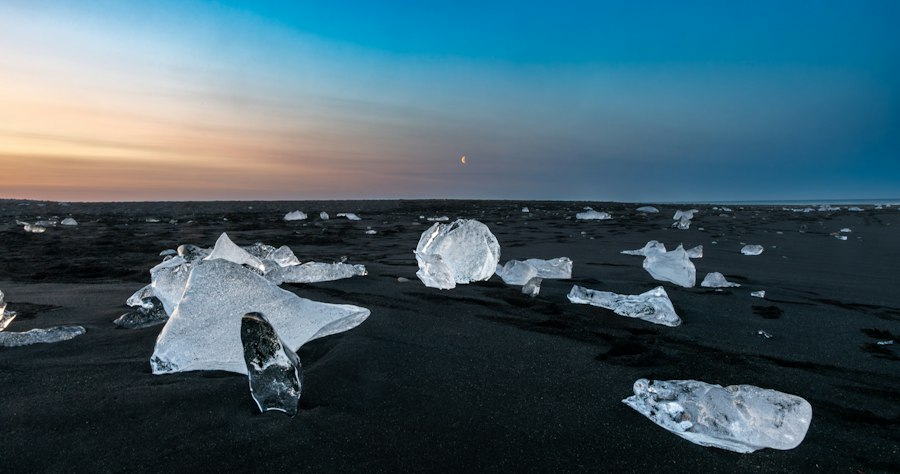
The sheer remoteness and frigid conditions of the outer solar system might suggest a geologically quiescent environment. However, evidence of cryovolcanism on several icy moons demonstrates that these worlds are far from dormant. The driving forces behind these alien ice volcanoes are varied, but they generally stem from internal heat sources and the unique physical properties of volatile substances under extreme cold. The mechanisms are diverse, ranging from simple pressure release to more complex thermal and compositional gradients within the moon.
Hydrothermal Systems and Plumes: The Enceladus Model
One of the most compelling examples of cryovolcanic activity is observed on Saturn’s moon Enceladus. The Cassini spacecraft famously discovered spectacular plumes of ice particles and water vapor erupting from the moon’s south polar region, specifically from fissures dubbed “tiger stripes.” These plumes are now understood to be a direct manifestation of cryovolcanism, originating from a vast subsurface ocean of liquid water. The prevailing theory suggests that hydrothermal activity, similar to that found at the bottom of Earth’s oceans, is occurring within Enceladus’s core.
In this model, heat from radioactive decay within the moon’s rocky core, combined with tidal heating, creates hydrothermal vents on the seafloor of the subsurface ocean. These vents release geothermally heated water, rich in dissolved minerals and organic compounds, into the ocean. The pressure within the subsurface ocean keeps the water liquid, even at relatively warm temperatures (compared to the surface). When this superheated water or a mixture of water and dissolved gases rises and encounters fractures in the overlying ice shell, it can erupt violently into the vacuum of space. The rapid depressurization causes the water to flash to vapor and ice crystals, forming the spectacular plumes observed by Cassini. These plumes are essentially cryovolcanic jets, continuously replenishing the ice particles that form Saturn’s E-ring.
Diapirism and Subsurface Melting: Driving Activity on Triton and Pluto
On other icy bodies, the mechanisms of cryovolcanism might differ. Neptune’s moon Triton, for instance, exhibits evidence of past and possibly ongoing cryovolcanism, characterized by dark streaks on its surface that resemble lava flows and potentially caldera-like structures. A leading hypothesis for Triton’s cryovolcanic activity involves diapirism. This process occurs when a less dense material, such as a layer of warmer ice or a liquid-rich mixture, rises through a denser overlying layer.
In Triton’s case, it is hypothesized that subsurface pockets of melted ice, possibly kept liquid by a combination of radiogenic heating and the presence of ammonia as an antifreeze, may become buoyant and ascend through the colder, more rigid ice shell. As these diapirs rise, they can melt their way through the overlying ice, eventually reaching the surface and erupting. The erupted material could be a slurry of ice, water, and dissolved gases, which then freezes upon contact with the extremely cold surface. The dark streaks observed on Triton are thought to be deposits of material that was ejected and then carried downwind by atmospheric currents, suggesting an explosive or plume-driven eruption style. Similar processes of subsurface melting and diapirism are also being considered as potential drivers of cryovolcanism on dwarf planets like Pluto, which also exhibits features that are difficult to explain with purely impact-based or erosional processes.
Iconic Locations: Worlds Shaped by Cold Fire
The outer solar system is dotted with celestial bodies that bear the unmistakable signatures of cryovolcanic activity. These locations offer unique opportunities to study the diversity of ice volcanism and its geological consequences. From the geysering moon of Saturn to the distant dwarf planet once considered the ninth planet, these worlds showcase the dramatic power of cryovolcanic processes. Each location presents a distinct set of clues about the internal dynamics and evolution of icy bodies.
Enceladus: The Geysering Jewel of Saturn
Enceladus, the sixth-largest moon of Saturn, is perhaps the most famous example of an active cryovolcanic world. The Cassini mission’s close encounters with Enceladus provided irrefutable evidence of ongoing cryovolcanic activity in the form of vast plumes of water ice particles, water vapor, and trace organic molecules erupting from the moon’s south polar region. These plumes originate from a network of fractures, known as “tiger stripes,” located in a geologically young area characterized by fractured terrain and relatively few impact craters.
The scientific consensus is that these plumes are driven by a subsurface ocean of liquid water, warmed by tidal forces and possibly internal radioactive decay. Hydrothermal activity at the seafloor is believed to be a significant source of heat and the expulsion of material. The continuous eruption of these plumes is not only a spectacular display of cryovolcanism but also has a profound impact on Saturn’s environment, with the ice particles forming Saturn’s diffuse E-ring. The detection of various organic molecules, salts, and even silica nanoparticles within the plumes has fueled intense speculation about the potential habitability of Enceladus’s subsurface ocean, making it a prime target for future astrobiological exploration. The ability to sample material directly from a subsurface ocean via these natural cryovolcanic jets is an unparalleled scientific opportunity.
Triton: Neptune’s Enigmatic, Retrograde Moon
Neptune’s largest moon, Triton, is another world where cryovolcanic activity is strongly suspected. Unlike most moons in the solar system, Triton orbits Neptune in a retrograde direction, suggesting it was captured from the Kuiper Belt. This captured origin may have contributed to its unusual geological activity. Images from the Voyager 2 spacecraft revealed a surface marked by vast plains, complex networks of cracks and ridges, and intriguing dark streaks that appear to be deposits from volcanic eruptions.
The dark streaks are thought to be the result of plumes of nitrogen gas and entrained surface material being ejected into the thin atmosphere. These plumes, driven by sublimation of nitrogen ice or possibly melting of water ice, then deposit material downwind, creating the observed streaks. Some researchers have also identified caldera-like depressions, which could be evidence of past eruptions of liquid water or ammonia-water mixtures. The extremely cold surface temperature of Triton, averaging around -235 degrees Celsius, necessitates that any erupting material would be highly volatile, such as nitrogen, methane, or ammonia mixed with water ice. The presence of tectonic features and what appear to be frozen lava flows further support the hypothesis of widespread cryovolcanism shaping Triton’s surface over geological time.
Other Potential Candidates: Europa, Io (in a different form), and Dwarf Planets
While Enceladus and Triton are the most prominent examples, several other icy bodies in the solar system are considered potential candidates for cryovolcanic activity. Jupiter’s moon Europa, with its suspected vast subsurface ocean, has long been a subject of intense interest. While direct evidence of active eruptions like those on Enceladus has not yet been definitively observed, the presence of surface cracks, irregular terrain, and periodic brightening of certain regions suggests that material from the subsurface ocean may be periodically reaching the surface, possibly through cryovolcanic processes. Some theories propose that localized melting or the formation of brine pockets could lead to eruptions.
Interestingly, even Jupiter’s moon Io, renowned for its intense silicate volcanism, exhibits some phenomena that blur the lines with cryovolcanism in its more distant cousins. While Io’s eruptions are primarily of molten rock, the sheer scale and variety of its volcanic activity, including sulfur dioxide frost deposits, hint at the complex interplay of heat and volatile substances even in the most volcanically active terrestrial-like bodies of the outer solar system. Furthermore, dwarf planets like Ceres and Pluto are also considered to have potential for cryovolcanic activity. Ceres, the largest object in the asteroid belt, exhibits bright spots on its surface that are thought to be deposits of salts, possibly related to cryovolcanic plumes or upwelling brines. Pluto, as mentioned earlier, shows evidence of past cryovolcanic flows and potential cryovolcanic centers, suggesting a surprisingly active geological history for a body so far from the Sun.
Recent studies have shed light on the fascinating phenomenon of cryovolcanism, particularly on icy moons such as Europa and Enceladus. These celestial bodies exhibit signs of subsurface oceans and potential geysers, suggesting that they may harbor conditions suitable for life. For a deeper understanding of this intriguing subject, you can explore a related article that discusses the implications of cryovolcanism on extraterrestrial environments. This article can be found here.
The Search for Life: Cryovolcanism as a Habitability Indicator
| Moon | Parent Planet | Surface Composition | Evidence of Cryovolcanism | Typical Cryovolcanic Materials | Notable Features | Estimated Cryovolcanic Activity Age |
|---|---|---|---|---|---|---|
| Enceladus | Saturn | Water ice, organic compounds | Plumes of water vapor and ice particles observed by Cassini | Water, ammonia, methane | South polar “tiger stripes” fissures | Active within last few decades |
| Europa | Jupiter | Water ice crust with possible subsurface ocean | Surface features suggest cryovolcanic resurfacing | Water, salts, possibly sulfur compounds | Chaos terrains and ridges | Geologically recent, less than 50 million years |
| Triton | Neptune | Water ice, nitrogen ice | Active geysers observed by Voyager 2 | Nitrogen, methane, carbon monoxide | Dark plumes and cantaloupe terrain | Active within last few decades |
| Titan | Saturn | Hydrocarbon lakes, water ice crust | Possible cryovolcanic domes and flows | Water, ammonia, hydrocarbons | Hotei Regio and other volcanic-like features | Likely active in recent geological past |
| Miranda | Uranus | Water ice crust | Surface features suggest cryovolcanic resurfacing | Water, ammonia | Coronae with ridges and troughs | Hundreds of millions of years ago |
The discovery and study of cryovolcanism have profoundly impacted the search for extraterrestrial life. The presence of liquid water, energy sources, and organic molecules are considered the fundamental requirements for life as we know it. Cryovolcanic activity on icy moons provides tantalizing evidence that these essential ingredients may coexist in subsurface oceans, making these worlds prime targets for astrobiological investigation. The expulsion of material from these hidden depths offers a unique opportunity to sample potentially habitable environments without the need to drill through miles of ice.
Subsurface Oceans: Reservoirs of Potential Life
The most significant implication of cryovolcanism for the search for life is its connection to subsurface oceans. On moons like Enceladus and Europa, the presence of liquid water beneath thick ice shells is strongly supported by observations of geological features, magnetic field anomalies, and, in the case of Enceladus, direct sampling of plume material. These subsurface oceans, shielded from harsh solar and cosmic radiation, could potentially harbor life.
Cryovolcanism acts as a mechanism that connects these isolated oceans to the surface. The erupted materials, brought up from the ocean floor, can carry with it dissolved minerals, gases, and organic compounds that are crucial for the sustenance of life. In the case of Enceladus, the detection of salts, silica nanoparticles, and simple organic molecules in the plumes suggests that hydrothermal processes are occurring on the seafloor, creating an environment that could support microbial life. Future missions aim to analyze these plume materials for more complex organic molecules and even biosignatures, which could indicate the presence of active biological processes. The ability to analyze material that has originated from a potentially habitable subsurface ocean is a groundbreaking development in astrobiology.
Organic Molecules and Biosignatures: Clues in the Plumes
The analysis of cryovolcanic plumes has already yielded significant discoveries related to organic molecules. On Enceladus, Cassini detected a range of simple organic compounds, including methane and possibly more complex hydrocarbons, within the ejected ice particles. While the presence of organic molecules does not definitively prove life, they are essential building blocks for life and their detection in a liquid water environment is highly encouraging.
The hope for future missions is to detect more complex organic molecules, such as amino acids or lipids, which are more definitively associated with biological processes. Furthermore, scientists are looking for specific “biosignatures” – substances or patterns of substances that are overwhelmingly likely to have been produced by living organisms. This could include specific isotopic ratios, the presence of certain proteins, or complex molecular structures that are difficult to form through abiotic chemical processes alone. The continuous nature of Enceladus’s plumes, along with the potential for similar activity on Europa and other icy worlds, provides an ongoing opportunity to search for these life-indicating clues in ejected material. The potential to detect definitive evidence of life within these cryovolcanic ejecta would be one of the most profound scientific discoveries in human history.
The Future of Cryovolcanic Exploration: Missions and Discoveries Ahead
The study of cryovolcanism is a rapidly evolving field, with ongoing missions and ambitious future plans poised to unlock even more secrets of these alien ice volcanoes. Advances in instrumentation and spacecraft technology are enabling more detailed observations and more sophisticated analyses of the materials ejected by these frigid eruptions. The quest to understand the prevalence, mechanisms, and habitability implications of cryovolcanism is a driving force behind many of the current and planned exploration efforts in the outer solar system.
Ongoing and Upcoming Missions: Expanding Our Knowledge
Several current and upcoming space missions are dedicated to exploring icy moons and potentially cryovolcanic worlds. NASA’s Europa Clipper, scheduled to launch in the coming years, will conduct detailed reconnaissance of Jupiter’s moon Europa, aiming to assess its habitability. While primarily focused on understanding Europa’s ocean and ice shell, the mission will carry instruments capable of analyzing any potential plumes or surface deposits, searching for signs of geological activity and organic chemistry.
Beyond Europa, there is significant interest in dedicated missions to Enceladus and Titan. Concepts for future Enceladus missions include landers or plume-sampling spacecraft designed to perform in-situ analysis of the cryovolcanic ejecta, searching for definitive biosignatures. Similarly, the Dragonfly mission, a rotorcraft lander scheduled for Titan, will explore its surface and atmosphere, investigating its complex organic chemistry and potential for prebiotic processes, though Titan’s cryovolcanism is thought to involve methane rather than water. There is also growing interest in exploring other icy bodies like dwarf planets, where evidence suggests cryovolcanic activity may have played a significant role in shaping their surfaces and internal evolution.
Technological Advancements and Future Prospects
The continued exploration of cryovolcanic worlds relies on technological advancements that push the boundaries of what is possible in deep space. Miniaturization of scientific instruments allows for more comprehensive payloads on spacecraft, while improved propulsion systems enable faster and more efficient transit to the outer solar system. The development of advanced analytical techniques, such as highly sensitive mass spectrometers and organic molecule detectors, is crucial for identifying subtle biosignatures in the limited samples collected.
Future prospects include the possibility of sample return missions from icy moons, allowing for highly detailed analysis of cryovolcanic materials in terrestrial laboratories. Furthermore, the development of more sophisticated modeling techniques, integrating data from various missions and ground-based observations, will refine our understanding of the complex physical and chemical processes driving cryovolcanism. The ultimate goal is to not only identify and characterize these alien ice volcanoes but also to determine whether they are hosting life. The ongoing exploration of these dynamic, icy worlds promises to revolutionize our understanding of planetary evolution, habitability, and our place within the cosmos. The study of cryovolcanism is not just about frozen fire; it is a key to unlocking the potential for life beyond Earth.

Water Boiled While Ice Formed. Could a Lander Sink Into It?
FAQs
What is cryovolcanism?
Cryovolcanism is a type of volcanic activity that occurs on icy moons or other icy bodies in space. Instead of molten rock, cryovolcanoes erupt with water, ammonia, methane, or other volatile substances.
Which moons in our solar system exhibit cryovolcanism?
Some of the moons in our solar system known to exhibit cryovolcanism include Enceladus and Europa, moons of Saturn and Jupiter respectively. These moons have geysers and icy plumes erupting from their surfaces.
How does cryovolcanism differ from traditional volcanism?
Cryovolcanism differs from traditional volcanism in that it involves the eruption of volatile substances like water and ammonia instead of molten rock. The lower temperatures on icy moons cause these substances to behave like lava.
What are the potential implications of cryovolcanism on icy moons?
Cryovolcanism on icy moons could provide insights into the subsurface oceans of these moons, which may harbor conditions suitable for life. The eruptions could also contribute to the creation of complex organic molecules.
How do scientists study cryovolcanism on icy moons?
Scientists study cryovolcanism on icy moons using data from spacecraft missions, such as Cassini-Huygens for Saturn’s moons and Galileo for Jupiter’s moons. They analyze images, spectra, and other data to understand the processes at work.