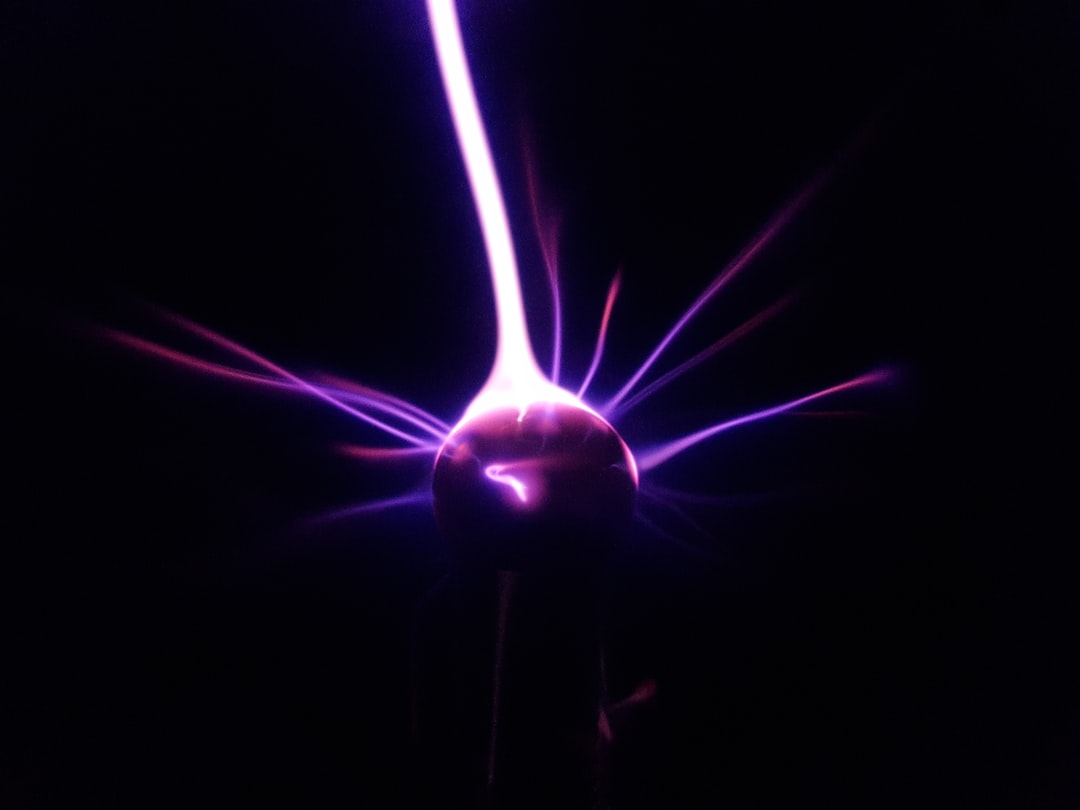
You’ve probably seen it in a viral video or a science demonstration: a shimmering, glowing ball of plasma dancing inside a microwave oven, contained within a simple glass bowl. It looks like pure magic, a contained lightning bolt or a miniature sun. But behind this mesmerizing spectacle lies a fascinating interplay of physics and everyday technology. Creating plasma in a microwave isn’t just for show; it’s a hands-on way to explore the fourth state of matter and the principles that govern it. Get ready to delve into the science behind this captivating phenomenon.
Before you can create it, you need to understand what you’re making. Plasma is often called the fourth state of matter, distinct from solid, liquid, and gas. It’s fundamentally different because it’s an ionized gas. This means that the atoms within the gas have either gained or lost electrons, resulting in a collection of charged particles.
The Building Blocks: Atoms and Electrons
Everything you see and touch is made of atoms. Atoms themselves are comprised of a nucleus (containing protons and neutrons) and electrons orbiting that nucleus. In their normal state, atoms are electrically neutral; the positive charge of the protons in the nucleus is balanced by the negative charge of the electrons.
The Spark of Ionization: Unbinding the Electrons
Plasma is born when enough energy is supplied to an atom to overcome the electromagnetic force that holds its electrons in orbit. This energy can come from various sources, such as intense heat, strong electromagnetic fields, or electrical discharges. When an electron is stripped away from an atom, the atom becomes a positively charged ion. At the same time, you now have a free, negatively charged electron.
A Sea of Charged Particles: The Defining Characteristic
A plasma, therefore, is not just a collection of ions or a collection of free electrons. It’s a mixture of ions, electrons, and potentially neutral atoms or molecules. The key is that the overall charge of the plasma is usually close to neutral, because for every positive ion, there’s a corresponding negative electron. This delicate balance of positive and negative charges is what gives plasma its unique electrical conductivity and its characteristic behavior.
Plasma All Around Us: It’s More Common Than You Think
You might think of plasma as something exotic, confined to the heart of stars or the lightning in a storm. However, plasma is actually the most abundant state of matter in the observable universe. Stars, like our Sun, are giant balls of plasma. The aurora borealis and australis are also a result of plasma interacting with Earth’s atmosphere. Even common fluorescent lights and neon signs contain plasma. So, while creating it in your microwave might seem novel, you’re tapping into a fundamental aspect of the cosmos.
Plasma formation inside a microwave is a fascinating phenomenon that occurs when certain materials, such as metal or specific foods, are exposed to microwave radiation. This process can lead to the creation of ionized gas, which is what plasma essentially is. For a deeper understanding of this topic, you can explore a related article that discusses the science behind plasma and its formation in various contexts. To read more, visit this article.
The Microwave Oven: A Controlled Energy Source
Your everyday microwave oven, typically used for heating leftovers, is surprisingly adept at generating the conditions needed for plasma formation. The magic lies in its core component: the magnetron.
The Magnetron: Generating Microwaves
The magnetron is a high-power vacuum tube that generates microwave radiation. It works by using a combination of magnetic and electric fields to accelerate electrons in a circular path. As these electrons move, they emit electromagnetic radiation in the microwave frequency range, typically around 2.45 GHz. These waves are then directed into the cooking cavity.
How Microwaves Heat Food: Dielectric Heating
Microwaves heat food through a process called dielectric heating. Water molecules, which are polar (meaning they have a slight positive charge on one end and a slight negative charge on the other), are particularly susceptible to microwave radiation. The oscillating electric field of the microwaves causes these water molecules to rotate back and forth rapidly, generating heat through friction.
The Microwave Cavity: A Resonant Chamber
The metal walls of the microwave oven are designed to reflect the microwaves. This reflection creates standing waves within the cavity, meaning the waves bounce back and forth, reinforcing each other at certain points and canceling each other out at others. These standing waves create areas of higher and lower microwave energy density.
Beyond Heating: Microwaves as Energy for Ionization
While the primary purpose of microwaves is to heat water molecules, the intense electromagnetic field generated within the cavity has another effect: it can impart enough energy to atoms and molecules in the air to cause ionization. This is the crucial step in creating plasma.
The “Plasma Ball” Phenomenon: What’s Happening Inside?

When you place a suitable object, usually a glass bowl or a light bulb, inside the microwave with a conductive element like a fork, or even just air under the right conditions, and turn it on, the transformation begins.
The Role of the Conductive Element: Focusing the Field
If you’re using a conductive object like a fork, it acts as an antenna. The microwaves interact with the free electrons in the metal, causing them to oscillate. This oscillation effectively concentrates the electromagnetic field around the object, creating areas of extremely high energy density.
Initial Ionization: The First Sparks
In these high-energy regions, the air molecules (primarily nitrogen and oxygen) begin to absorb enough energy to lose electrons. This initial ionization creates a few free electrons and ions.
The Avalanche Effect: A Self-Sustaining Reaction
Once a few ions and electrons are present, a snowball effect, or avalanche, begins. The free electrons, accelerated by the strong electric field, collide with other air molecules. These collisions can knock out more electrons, creating even more ions and electrons. This chain reaction rapidly increases the number of charged particles in the localized area.
The Visible Glow: Emission of Light
As the electrons and ions recombine or interact within the plasma, they release energy in the form of photons – light. The specific color of the plasma depends on the gases present and the energy levels involved. In air, you’ll typically see a purplish-white glow. This is the visible manifestation of the energetic processes happening within the ionized gas.
The Dancing Plasma: Instabilities and Dynamics
The plasma you see isn’t static; it often appears to dance and writhe. This dynamism is due to the complex interactions of the charged particles within the electromagnetic field. Magnetic forces, electrostatic repulsion between ions, and the continuous influx of microwave energy all contribute to the chaotic yet beautiful movement of the plasma.
The Key Ingredients for Microwave Plasma Creation
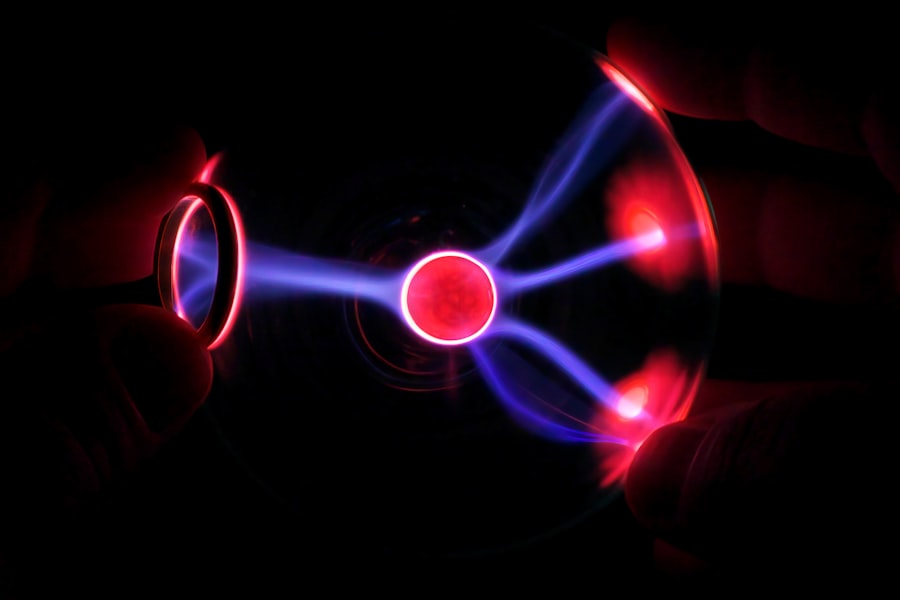
While the microwave oven provides the energy, you need a few other elements to coax plasma into existence. These ingredients are surprisingly simple and often readily available.
The Container: A Non-Metallic Enclosure
You absolutely need a container that doesn’t absorb or significantly interact with the microwaves. This is why glass bowls, Pyrex dishes, or even standard light bulbs are ideal. Metal containers would simply reflect the microwaves, preventing them from reaching and energizing the air inside.
The “Seed” Material: The Air Itself (and Sometimes More)
In many demonstrations, the plasma is created within the air inside the container. However, adding certain materials can enhance or alter the plasma.
- Small amounts of water: Water vapor can readily ionize and contribute to plasma formation.
- Certain gases: In more controlled experiments, introducing noble gases like argon or helium can produce different colors and characteristics of plasma due to their unique electron binding energies.
The Conductive Element: A Catalyst for Concentration
While it’s possible to create plasma in a microwave using just air and a glass container (especially if the microwave cavity is tuned to create specific standing wave patterns), adding a conductive element dramatically improves the ease and visual impact of the plasma.
- Metal forks or spoons: These are commonly used. Their prongs or edges help to concentrate the electric field.
- Steel wool: A small, loose clump of steel wool can also act as a conductor.
- Aluminum foil (used cautiously): While foil can be used, it needs to be handled with extreme care. It can very quickly overheat and potentially cause damage or fire if not used in small, controlled amounts. It’s generally safer to stick to forks or spoons.
The Microwave Oven Itself: Power and Frequency
As discussed, the microwave oven’s magnetron generates the necessary microwave radiation. The power level of your microwave and its specific frequency (usually 2.45 GHz) are critical factors in how effectively plasma can be generated. Higher power generally means more energy is available for ionization.
When exploring the fascinating phenomenon of how plasma forms inside a microwave, one can gain deeper insights by reading a related article that delves into the science behind this process. The article explains how microwaves excite gas molecules, leading to the creation of plasma under certain conditions. For more detailed information on this intriguing subject, you can check out the article on Freaky Science, which offers a comprehensive overview of the principles at play.
Safety First: Handling Microwave Plasma Responsibly
“`html
| Factors | Impact on Plasma Formation |
|---|---|
| Microwave Frequency | A higher frequency can lead to more efficient plasma formation. |
| Gas Pressure | Higher pressure can promote plasma formation. |
| Gas Composition | The type of gas used can affect the characteristics of the plasma formed. |
| Microwave Power | Higher power levels can lead to more intense plasma formation. |
“`
While creating plasma in a microwave is a captivating experiment, it’s crucial to emphasize safety. This is not a toy, and improper handling can lead to serious injury or damage to your appliance.
Never Use Metal Containers: A Fire Hazard
This cannot be stressed enough: NEVER place solid metal containers or large amounts of metal foil inside a microwave when operating it. Metal reflects microwaves, causing them to build up and potentially spark or even ignite. Small, carefully placed conductive elements like fork prongs are different from enclosing the entire cooking cavity in metal.
The Danger of Arcing and Fire
The concentrated electromagnetic fields can cause electrical arcing. If there’s flammable material nearby, or if the conductive element overheats, it can ignite, leading to a fire inside the microwave. Always supervise the experiment closely and have a fire extinguisher or baking soda readily available.
Short Bursts are Key: Avoid Prolonged Operation
Don’t run the microwave for extended periods with plasma-generating materials inside. Short bursts (5-15 seconds) are usually sufficient to observe the phenomenon. Prolonged operation can overheat components, damage the magnetron, or increase the risk of fire.
Ventilation and Containment: Protecting Yourself
Always perform these experiments in a well-ventilated area. While the plasma itself is contained within the glass, the process of ionization might release small amounts of ozone or other byproducts. Ensure the glass container is intact and free of cracks, as a sudden pressure change or heat stress could cause it to break.
Understanding the Risks: Don’t Take Chances
This is a demonstration of physics, not a casual kitchen trick. If you are unsure about any aspect of the procedure, or if you don’t have the appropriate safety precautions in place, do not attempt it. The novelty of seeing plasma is not worth the risk of injury or damage.
The Science is Accessible, But Respect the Power
The beauty of this experiment is that it makes a complex physical phenomenon accessible. However, it’s vital to remember that you are manipulating powerful electromagnetic radiation. Treat the microwave oven and the plasma it generates with respect and caution.
By understanding the principles of ionization, the capabilities of a microwave oven, and the necessary precautions, you can safely and successfully create your own mesmerizing balls of plasma, offering a tangible glimpse into the fourth state of matter. It’s a testament to how everyday technology can unlock the secrets of the universe, right in your own kitchen.
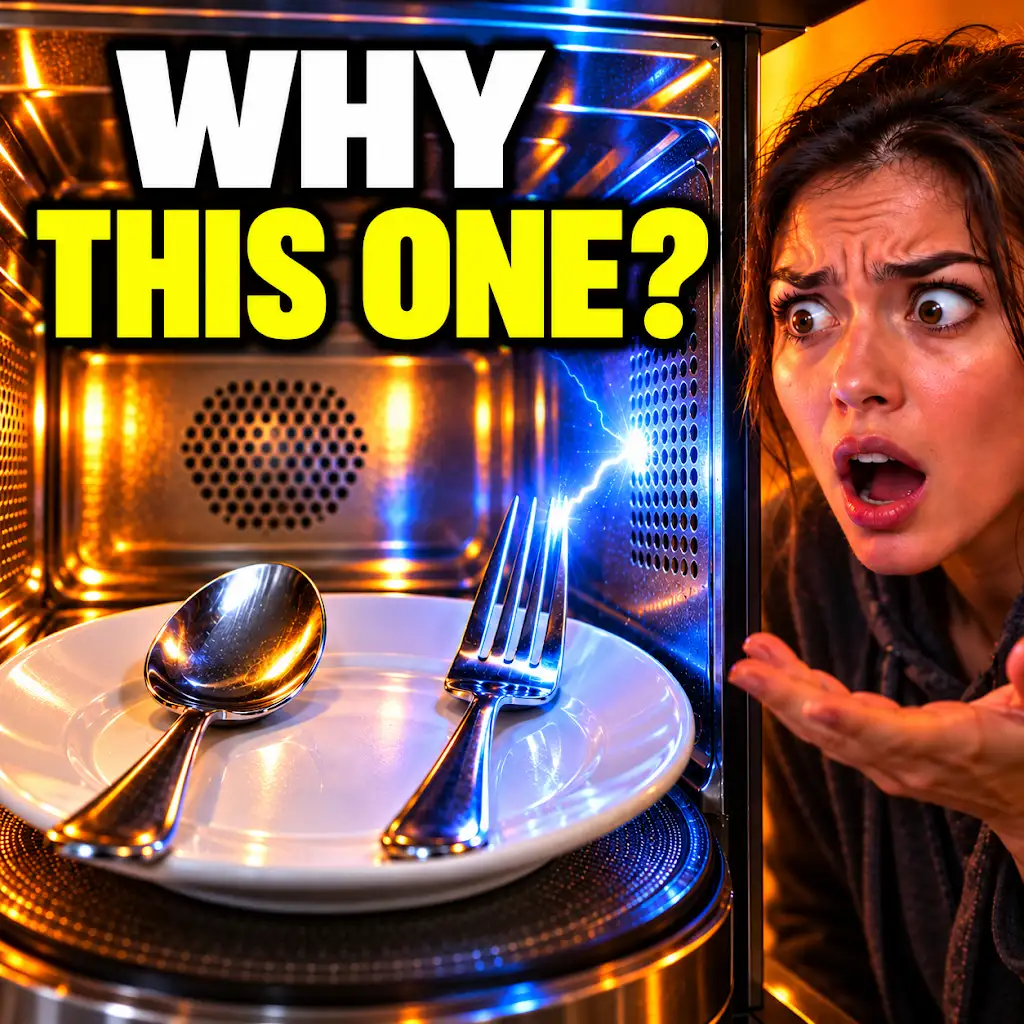
A Fork and a Spoon React Differently in a Microwave. Why?
FAQs
What is plasma and how does it form inside a microwave?
Plasma is the fourth state of matter, consisting of ionized gas with positive and negative charged particles. When a microwave is turned on, the electromagnetic waves cause the gas molecules inside to become ionized, forming plasma.
What are the conditions required for plasma to form inside a microwave?
For plasma to form inside a microwave, the gas molecules inside the microwave need to be at a low pressure and high temperature. This allows the gas molecules to become ionized and form plasma when exposed to the electromagnetic waves.
Is it safe to have plasma form inside a microwave?
While the formation of plasma inside a microwave is not inherently dangerous, it is important to note that the presence of plasma may indicate a malfunction in the microwave. It is recommended to have the microwave inspected by a professional if plasma consistently forms during normal use.
What are the potential risks of plasma forming inside a microwave?
If plasma consistently forms inside a microwave, it may indicate a potential safety hazard such as a damaged or malfunctioning microwave. This could lead to electrical hazards or pose a risk of fire. It is important to address any issues with plasma formation in a microwave promptly.
How can plasma formation inside a microwave be prevented?
To prevent plasma formation inside a microwave, it is important to ensure that the microwave is in good working condition and properly maintained. Regular cleaning and inspection of the microwave can help prevent issues that may lead to the formation of plasma.