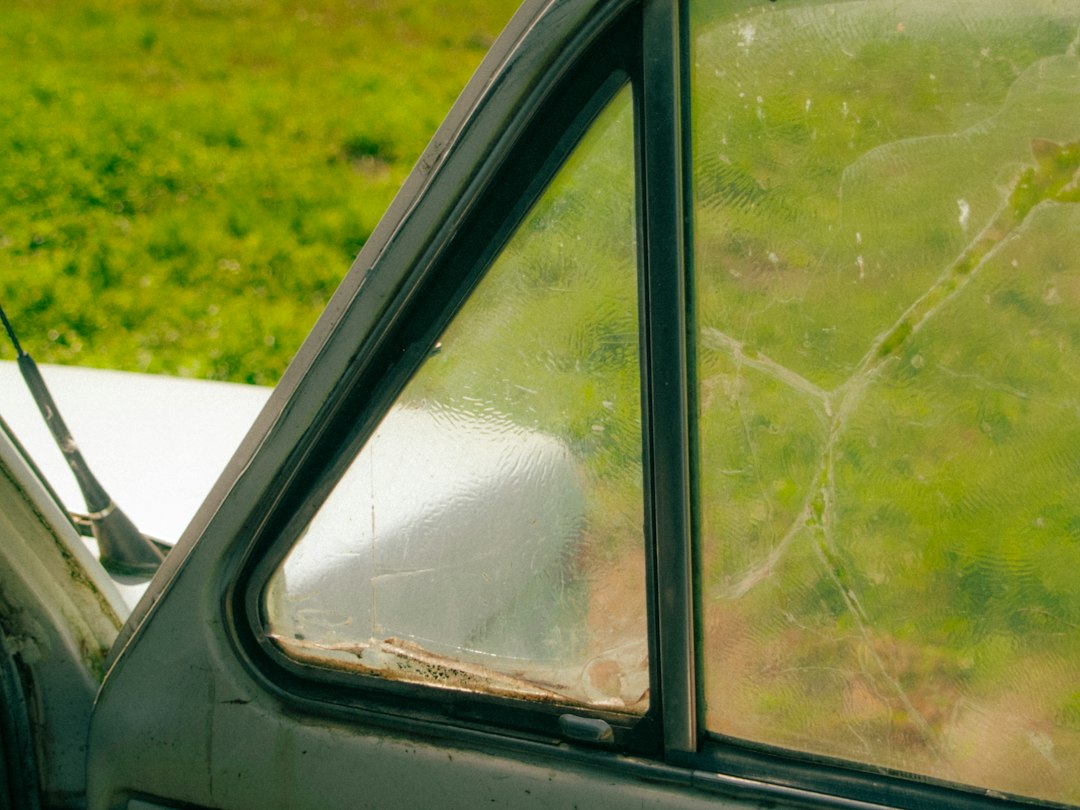
The Silent Threat: Understanding Why Your Car Windows Crack
You’re cruising down the highway, the radio humming a familiar tune, when a sudden, sharp ping echoes through your cabin. You glance at your windshield, and there it is – a tiny starburst fracture, a silent threat that promises to grow. This is a common, frustrating, and sometimes dangerous phenomenon that affects drivers everywhere: crack propagation in car windows. It’s not just an aesthetic annoyance; a compromised windshield can significantly impair your visibility, weaken the structural integrity of your vehicle, and even put you and your passengers at risk. Understanding the root causes of these cracks, and more importantly, how to prevent them, is crucial for any car owner. This article will delve into the science behind why your car windows crack, explore the common culprits, and provide you with actionable tips to protect your vehicle from these insidious fractures.
Crack propagation in car windows is a critical topic in automotive safety and material science. Understanding how cracks develop and spread can help in designing more resilient glass and improving vehicle safety features. For a deeper insight into this subject, you can explore a related article that discusses the mechanics of crack propagation and its implications for car window durability. Check it out here: Freaky Science.
Forces at Play: The Physics of Stress and Fracture
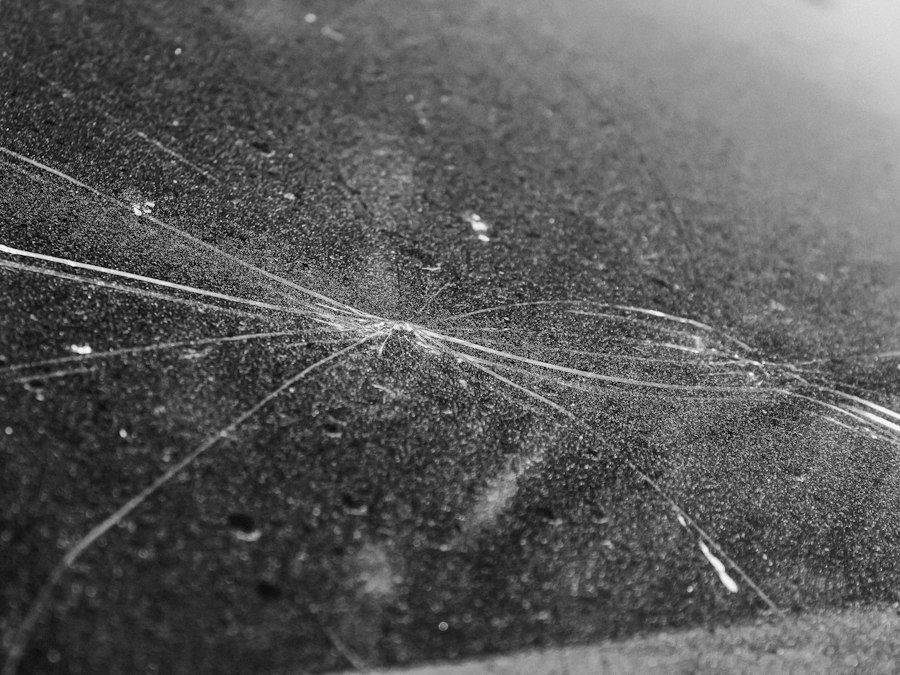
Your car’s windows, typically made of laminated safety glass, are designed to withstand a great deal of stress. However, they are not invincible. The very nature of glass, a brittle material, makes it susceptible to fracture when subjected to forces exceeding its tensile strength. Crack propagation is a process where a pre-existing flaw, however small, begins to grow under applied stress.
Stress Concentrations: Where Weaknesses Begin
The surfaces of your car windows are rarely perfectly smooth. Microscopic imperfections, scratches, chips, and even microscopic inclusions within the glass itself act as stress risers. When a force is applied – be it from a tiny pebble or a significant temperature change – these imperfections concentrate the stress in a localized area. Think of it like trying to tear a piece of paper. If you just pull, it’s relatively strong. But if you nick the edge with scissors, it’s incredibly easy to tear along that small nick. These flaws act as the “nicks” in your car’s glass.
Types of Stress and Their Impact
Several types of stress can contribute to crack formation and propagation in car windows:
- Impact Stress: This is perhaps the most common cause. A flying rock, debris from a truck, or even a hailstorm can strike your window with enough force to create a chip or a small crack. These are often the initial points from which larger cracks develop.
- Thermal Stress: Significant and rapid changes in temperature can cause the glass to expand or contract unevenly. This is particularly problematic in regions with extreme temperature fluctuations. When the outer surface heats up or cools down much faster than the inner surface, or vice versa, internal stresses are generated.
- Mechanical Stress: This can arise from a variety of sources. For instance, a poorly fitted windshield or a warped car frame can put constant, subtle pressure on the glass. Even the flexing of the car’s body during normal driving can contribute to stress. Over-tightening mounting hardware during installation can also be a culprit.
- Vibrational Stress: Prolonged exposure to vibrations from rough roads, heavy traffic, or even engine resonance can, over time, exacerbate existing micro-fractures, leading to their growth.
The Domino Effect: From Chip to Crack
Once a tiny chip or initial fracture is present, it creates a point of weakness. As your vehicle experiences normal driving stresses – bumps, vibrations, temperature swings – these stresses are amplified at the tip of the existing flaw. This amplified stress can then exceed the glass’s fracture toughness, causing the crack to extend. The process is often self-perpetuating; as the crack grows, it creates new stress concentration points, allowing it to propagate further. This is why a small chip, if left untreated, can quickly turn into a long, spiderweb crack that compromises the entire windshield.
Everyday Hazards: Common Culprits Behind Your Cracks
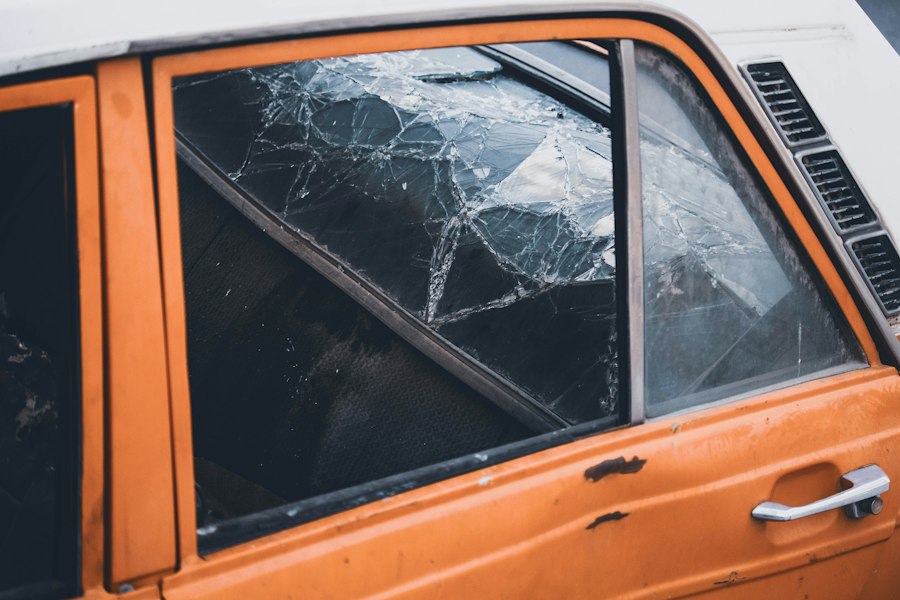
While the physics of stress is the underlying principle, it’s the everyday hazards you encounter on the road that often initiate the cracks. Recognizing these common culprits is the first step in preventing them.
The Pervasive Threat of Road Debris
The most frequent offender is undoubtedly road debris. This encompasses a wide array of potential projectiles:
- Rocks and Gravel: Small stones kicked up by the tires of other vehicles, especially during construction, on unpaved roads, or in areas with poor road maintenance, are notorious for causing chips and cracks. Trucks and SUVs, with their larger tires, are particularly effective at launching these projectiles.
- Metal Shards and Other Sharp Objects: Loose metal fragments, pieces of broken car parts, or even nails can be found on roadways. Their sharp edges can inflict significant damage upon impact.
- Ice and Snow: In colder climates, compacted ice and snow can become projectiles. During thawing and refreezing cycles, ice can also expand and put pressure on the glass, especially if there are existing imperfections.
The Impact of Temperature Extremes
As discussed in the physics section, drastic temperature changes are a significant factor. You might notice a crack appearing after a particularly hot day followed by a cold night, or vice versa.
- Sudden Cold Exposure: Parking your hot car in a sudden downpour or driving through a car wash on a frigid day can create extreme thermal shock. The rapid cooling of the exterior glass, while the interior remains warm, can induce significant stress.
- Intense Sun Exposure: Prolonged exposure to direct sunlight, especially on darker colored cars, can heat the glass to high temperatures. When the car is then subjected to cooler ambient air or a sudden breeze, the uneven cooling can lead to stress fractures.
Installation Errors and Manufacturing Defects
While less common than external impacts, improper installation or inherent manufacturing defects can also be the source of crack propagation.
- Poor Windshield Installation: If a windshield is not fitted correctly, with uneven pressure points from the frame or adhesive, it can be predisposed to cracking. This can happen if the installer uses too much force, the frame is slightly deformed, or the adhesive is applied improperly.
- Manufacturing Flaws: Though rare due to strict quality control, microscopic inclusions or stress points within the glass itself can, over time and under normal driving stresses, develop into cracks. These are usually not immediately apparent.
The Insidious Effects of Vehicle Flex and Vibration
The very act of driving subjects your car’s chassis to a constant barrage of forces that cause it to flex and vibrate.
- Rough Road Surfaces: Driving over potholes, speed bumps at excessive speeds, or generally rough terrain increases the flexing of your car’s frame. This puts added stress on the windshield, especially if there are pre-existing weaknesses.
- Car Wash Woes: The brushes and mechanical forces within some automatic car washes can also contribute to stress on the glass, particularly if the seals are old or if there are existing minor damages.
Prevention is Key: Proactive Measures to Protect Your Glass
The best way to deal with cracked car windows is to prevent them from happening in the first place. While you can’t always control what happens on the road, you can certainly take steps to minimize your risk and protect your vehicle.
Defensive Driving for Your Windshield
Adopting a more cautious approach to driving can significantly reduce the likelihood of impact damage.
- Maintain Safe Following Distances: This is paramount. By keeping a greater distance from the vehicle in front of you, you give yourself more time to react and avoid debris they might kick up. It also reduces the chance of being directly in the line of fire for projectiles.
- Avoid Following Large Trucks: Trucks, especially commercial vehicles, are notorious for losing debris and kicking up rocks and gravel. Whenever possible, change lanes or slow down to put more distance between you and them. Pay particular attention to gravel trucks or those carrying loose materials.
- Steer Clear of Construction Zones: Construction areas are prime locations for loose debris. Drive through them slowly and with extreme caution, or if possible, find an alternative route.
- Be Mindful of Road Conditions: Avoid driving on the shoulder of the road, as it often contains loose gravel and debris. Similarly, be cautious on unpaved roads or areas known for poor road maintenance.
Protecting Against the Elements
While you can’t control the weather, you can take steps to mitigate the effects of temperature fluctuations.
- Use Sunshades: During hot weather, a reflective sunshade can significantly reduce the interior temperature of your car and, consequently, the heat absorbed by the windshield. This helps to minimize thermal stress.
- Allow Gradual Temperature Changes: When possible, avoid sudden and extreme temperature changes. If your car has been baking in the sun, crack a window slightly before turning on the air conditioning. Conversely, if your car is cold, let the defroster work gradually rather than blasting hot air directly onto a frozen windshield.
- Park Wisely: If you live in an area with extreme temperature swings, consider parking your car in a garage or a shaded area when possible. This will help to buffer it from the most drastic temperature changes.
Maintaining Your Vehicle’s Integrity
The overall condition of your car plays a role in protecting its windows.
- Regular Inspections: Periodically inspect your windshield and windows for any tiny chips or cracks. Early detection is key. A small chip is much easier and cheaper to repair than a large crack.
- Professional Installation: If you ever need to replace a car window, ensure it is done by a reputable and experienced professional. Improper installation is a common, yet preventable, cause of future problems.
- Check Seals and Mountings: Ensure your windshield seals are in good condition and that there are no obvious signs of frame warping or damage. These can put undue stress on the glass.
Crack propagation in car windows is a critical issue that can compromise safety and structural integrity. Understanding the mechanics behind how these cracks develop and spread is essential for both manufacturers and consumers. For a deeper insight into this topic, you can explore a related article that discusses the various factors influencing crack behavior in automotive glass. This information can be invaluable for anyone looking to maintain their vehicle’s safety features. To read more, visit this article.
Early Intervention: The Power of Repair
| Parameter | Value | Unit | Description |
|---|---|---|---|
| Crack Propagation Rate (da/dN) | 1.2 x 10⁻⁶ to 5.0 x 10⁻⁵ | mm/cycle | Rate at which crack length increases per loading cycle |
| Stress Intensity Factor Range (ΔK) | 0.5 to 3.0 | MPa√m | Range of stress intensity at crack tip during cyclic loading |
| Threshold Stress Intensity Factor (Kth) | 0.3 | MPa√m | Minimum ΔK below which crack growth is negligible |
| Fracture Toughness (KIC) | 0.75 to 1.2 | MPa√m | Critical stress intensity factor for crack propagation |
| Glass Thickness | 4 to 6 | mm | Thickness of car window glass |
| Loading Frequency | 1 to 10 | Hz | Frequency of cyclic stress applied during testing |
| Environmental Condition | Ambient / Humid | – | Effect of moisture on crack propagation rate |
| Crack Length Initial | 0.5 | mm | Initial crack size before propagation |
| Crack Length Final | 10 | mm | Crack size at failure |
The old adage “a stitch in time saves nine” is particularly relevant when it comes to car window cracks. Ignoring a small chip or minor crack is a gamble that rarely pays off. Professional repair is often a cost-effective and highly effective solution that can prevent much larger and more expensive problems down the line.
The Benefits of Chip Repair
Chip repair involves injecting a special resin into the damaged area, which then cures to restore the integrity of the glass. The benefits are numerous:
- Prevents Further Cracking: The primary advantage is that it stops the crack from spreading. The resin fills the tiny voids, preventing stress from concentrating at the edges of the chip and causing further propagation.
- Restores Strength: The repaired area regains much of its original structural strength, helping your windshield withstand road stresses more effectively.
- Improves Visibility: While some minor distortion may remain, a repaired chip is far less noticeable than a crack, significantly improving your line of sight.
- Cost-Effective: Chip repair is significantly less expensive than replacing an entire windshield. In many cases, insurance companies will waive deductibles for chip repairs, making it an even more attractive option.
- Environmentally Friendly: Repairing a chip avoids the need to manufacture and dispose of a new windshield, making it a more sustainable choice.
When Replacement is Necessary
While repair is ideal for small chips and minor cracks, there are situations where replacement is the only safe and effective option.
- Large or Deep Cracks: If a crack is long (typically longer than a dollar bill), deep, or extends to the edge of the windshield, repair may no longer be feasible or effective.
- Multiple Chips or Cracks: If your windshield has numerous chips or intersecting cracks, the glass may be too compromised to be safely repaired.
- Cracks Directly in Your Line of Sight: For safety reasons, any crack or chip that directly obstructs your view of the road, even if small, may require replacement.
- Damage to the Edges: Cracks that reach the edges of the windshield are difficult to repair effectively and can compromise the seal.
- Previous Failed Repairs: If a chip has been previously repaired but continues to spread, replacement may be necessary.
Long-Term Solutions: Ensuring Your Windows Stay Intact
Beyond immediate prevention and repair, there are broader considerations for ensuring the longevity and safety of your car’s windows.
The Role of Quality Glass and Installation
The foundation of a durable car window lies in the quality of the glass itself and the expertise of those who install it.
- Choosing Quality Replacements: If you do need a windshield replacement, opt for high-quality, OEM (Original Equipment Manufacturer) or equivalent glass. While cheaper alternatives might be tempting, they may not offer the same durability, clarity, or structural integrity.
- Finding Reputable Installers: Always choose a certified and experienced auto glass technician. Poor installation is a significant cause of premature cracking and leaks. Ask for recommendations, check online reviews, and ensure they use proper tools and techniques. A good installer will:
- Properly prepare the bonding surfaces.
- Use high-quality, automotive-grade adhesives.
- Ensure the windshield is perfectly seated in the frame.
- Allow adequate curing time for the adhesive.
Understanding Your Insurance Coverage
Your auto insurance policy can be a valuable tool in managing the costs associated with car window damage.
- Comprehensive Coverage: Most comprehensive auto insurance policies include coverage for glass damage. This typically covers both repair and replacement costs.
- Deductible Waivers: Many insurance providers waive the deductible for windshield repairs. This means you can get a chip repaired for free, encouraging you to address minor damage before it becomes a bigger problem. Always check your policy details or contact your insurance agent to confirm your coverage.
- Reporting Damage Promptly: It’s always advisable to report any glass damage to your insurance company as soon as possible, especially if you plan to file a claim. This ensures you meet policy requirements and can expedite the repair or replacement process.
The Future of Automotive Glass
Advancements in automotive glass technology are continuously working to improve durability and safety.
- Stronger Lamination: Modern laminated glass is increasingly robust, with improved interlayers that offer greater resistance to impact and penetration.
- Self-Healing Technologies: While still in early stages for automotive applications, research into self-healing materials for glass holds promise for the future, potentially allowing minor scratches and chips to repair themselves over time.
- Advanced Coatings: New coatings are being developed to enhance scratch resistance, reduce glare, and even offer improved thermal insulation, all contributing to the overall health and longevity of car windows.
By understanding the forces at play, being aware of common hazards, adopting preventive measures, and acting swiftly when damage occurs, you can significantly reduce the risk of crack propagation in your car windows. Protecting this vital component of your vehicle ensures not only a clearer view of the road ahead but also contributes to your overall safety and the structural integrity of your car.

Your Car Window Can Keep You In—Even When You Need Out
FAQs
What is crack propagation in a car window?
Crack propagation in a car window refers to the process by which a crack or chip in the glass expands over time due to various factors such as temperature changes, pressure, and vibrations.
What causes crack propagation in car windows?
Crack propagation in car windows can be caused by a variety of factors including impact from debris, extreme temperature changes, stress from structural weaknesses, and improper installation of the window.
Can crack propagation in a car window be repaired?
Small cracks or chips in car windows can often be repaired using specialized resin injection techniques. However, if the crack has propagated extensively or is in the driver’s line of sight, it may require a full window replacement.
How can I prevent crack propagation in my car window?
To prevent crack propagation in your car window, avoid driving behind large trucks that can kick up debris, park in shaded areas to reduce temperature stress on the glass, and ensure that your windows are properly installed and maintained.
Is crack propagation in a car window dangerous?
While small cracks may not pose an immediate danger, they can compromise the structural integrity of the window and reduce visibility. It is important to address crack propagation promptly to ensure the safety of the vehicle’s occupants.