
The human mind, a remarkable instrument of learning and adaptation, is also susceptible to forming deeply ingrained beliefs that, while initially plausible, can often be fundamentally incorrect. These “common science misconceptions” are not merely trivial misunderstandings; they represent ingrained falsehoods that can shape our understanding of the world, influence our decision-making, and even impact our health and well-being. Unlearning these false facts is a crucial, though often challenging, endeavor. It requires critical thinking, a willingness to question deeply held assumptions, and a commitment to seeking evidence-based knowledge. This article delves into some of the most prevalent scientific misconceptions, exploring their origins, the scientific realities that contradict them, and the importance of actively unlearning these falsehoods.
Misconceptions often take root due to a variety of factors, ranging from oversimplification in early education to the pervasive spread of inaccurate information through popular culture and the internet. Once a misconception is established, it can be remarkably resistant to correction. This persistence is often due to cognitive biases, such as confirmation bias, where individuals tend to seek out and favor information that confirms their existing beliefs, while ignoring or downplaying evidence that contradicts them. The emotional weight attached to certain beliefs can also play a significant role, making it difficult to relinquish ideas that have become part of one’s identity or worldview.
The Role of Early Education and Simplification
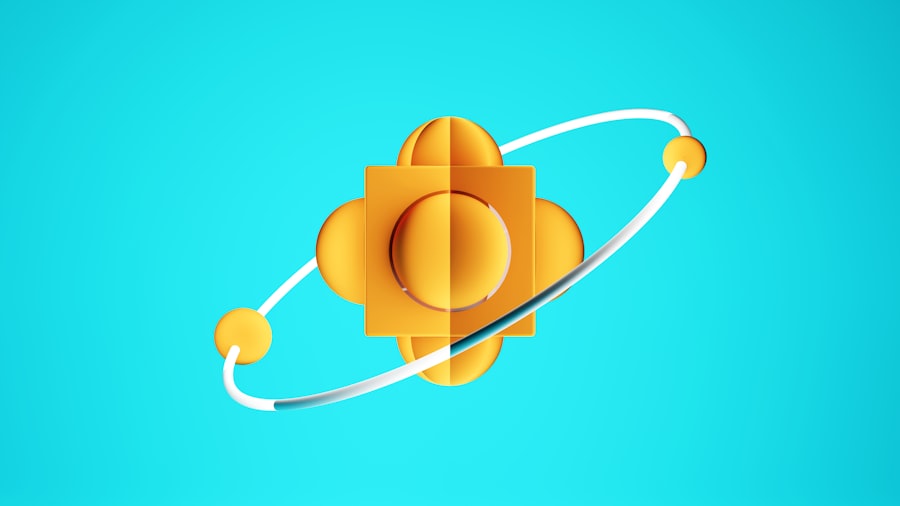
The foundational stages of scientific education, while vital for introducing young minds to complex concepts, can sometimes inadvertently foster misconceptions. In an effort to make scientific principles accessible, educators may employ analogies or simplified explanations that, while helpful for initial understanding, can be incomplete or misleading when examined more closely. For example, the common analogy of the atom as a miniature solar system, with electrons orbiting the nucleus like planets around a sun, provides a visual representation that is easy for children to grasp. However, this model fails to capture the quantum mechanical nature of electron behavior, leading to a misconception about the precise location and movement of electrons.
The Influence of Popular Culture and Media
Popular media, from movies and television shows to social media, can be a double-edged sword when it comes to scientific understanding. While some productions strive for accuracy, many prioritize dramatic effect or entertainment value, often at the expense of scientific fidelity. This can lead to the widespread dissemination of scientifically inaccurate portrayals of phenomena. For instance, the depiction of superpowers based on improbable biological mutations in superhero films can foster unrealistic expectations about human potential and genetic engineering. Similarly, sensationalized news headlines or viral social media posts often simplify complex scientific findings, leading to distorted interpretations.
The Internet’s Double-Edged Sword
The internet, with its vast repository of information, offers unprecedented access to scientific knowledge. However, it also serves as fertile ground for the rapid proliferation of misinformation. Without rigorous editorial oversight, false claims can gain traction and spread quickly, often presented with an air of authority. This makes it challenging for individuals to discern credible scientific information from unsubstantiated claims. The echo chambers created by social media algorithms further exacerbate this issue, reinforcing existing beliefs, even if they are factually incorrect.
Many people grow up believing various science facts that later turn out to be misconceptions. For instance, the idea that humans only use 10% of their brains is a widely circulated myth. This misconception has been debunked by neuroscientific research, which shows that we utilize virtually every part of our brain. To explore more about common science misconceptions and the truths behind them, you can read a related article on this topic at Freaky Science.
Debunking the Myths: Common Scientific Misconceptions
The realm of science is rife with popular misconceptions that have persisted for generations. Understanding these falsehoods and the scientific evidence that refutes them is a crucial step in developing a more accurate understanding of the natural world.
The Human Brain: A 10% Myth and Beyond
One of the most pervasive and persistent myths is that humans only use 10% of their brain. This idea, often promoted in self-help literature and popular culture, suggests untapped potential waiting to be unlocked. The reality, however, is far more sophisticated.
The Neurological Reality: Full Brain Activation
Neuroimaging techniques, such as fMRI and PET scans, clearly demonstrate that virtually all areas of the brain are active at some point, even during rest. Different tasks and cognitive processes engage specific neural networks, but no significant portion of the brain lies dormant. The brain is a highly efficient organ, and it would be evolutionarily disadvantageous to maintain such a large, inactive resource. Damage to even small areas of the brain can have profound and debilitating effects, further underscoring the importance of every neural region.
The Origin of the Myth: Misinterpretation and Elaboration
The origins of the 10% myth are somewhat murky, but it is often attributed to misinterpretations of early neurological research or the inspirational writings of figures like William James. Over time, the idea has been embellished and popularized, morphing into the notion of untapped potential.
Many people grow up believing various science facts that turn out to be misconceptions. For instance, the idea that humans only use 10% of their brains is widely accepted, yet it has been debunked by neuroscientists who show that we utilize much more of our brain in various capacities. If you’re interested in exploring more about common science myths and the truths behind them, you can check out this insightful article on science misconceptions. It highlights several other myths that many of us have learned incorrectly over the years.
Vaccines and Autism: A Manufactured Crisis
The myth that vaccines cause autism has had devastating consequences, leading to vaccine hesitancy and outbreaks of preventable diseases. This misconception is rooted in a fraudulent scientific study and has been repeatedly debunked by a vast body of scientific evidence.
The Flawed Study and its Retraction
The original study, published in 1998 by Andrew Wakefield, claimed a link between the MMR (measles, mumps, and rubella) vaccine and autism. This study was later found to be fraudulent, with falsified data and serious ethical violations. It was subsequently retracted by the medical journal The Lancet, and Wakefield lost his medical license.
The Overwhelming Scientific Consensus
Numerous large-scale, rigorously designed studies conducted across the globe have consistently shown no link between vaccines and autism. Major health organizations, including the Centers for Disease Control and Prevention (CDC) and the World Health Organization (WHO), unequivocally state that vaccines are safe and do not cause autism.
Climate Change: Debunking the Deniers
Despite overwhelming scientific consensus, the reality of human-caused climate change remains a point of contention for some. Misconceptions about the causes, severity, and impact of climate change hinder effective action.
The Greenhouse Effect: A Scientific Reality
The Earth’s atmosphere contains greenhouse gases, such as carbon dioxide and methane, which trap heat from the sun, preventing it from escaping back into space. This natural greenhouse effect is essential for maintaining a habitable temperature on Earth. However, human activities, particularly the burning of fossil fuels, have significantly increased the concentration of these gases, leading to an enhanced greenhouse effect and global warming.
Evidence for Anthropogenic Climate Change
The evidence for human-caused climate change is multifaceted and compelling. It includes:
- Rising Global Temperatures: Decades of temperature records show a clear upward trend in global average temperatures.
- Melting Glaciers and Ice Sheets: Glaciers and polar ice sheets are melting at an accelerated rate, contributing to sea-level rise.
- Sea-Level Rise: Global sea levels are rising due to the thermal expansion of ocean water as it warms and the melting of land-based ice.
- Ocean Acidification: The oceans are absorbing excess carbon dioxide from the atmosphere, leading to an increase in their acidity, which can harm marine life.
- Extreme Weather Events: The frequency and intensity of certain extreme weather events, such as heatwaves, droughts, and heavy rainfall, are increasing.
The Role of Scientific Consensus
The vast majority of actively publishing climate scientists agree that climate change is happening and that it is primarily caused by human activities. This consensus is based on decades of research and a thorough understanding of the Earth’s climate system.
Evolution: The “Missing Link” and Other Fallacies
Evolution by natural selection is a cornerstone of modern biology, yet it is frequently misunderstood and misrepresented. Common misconceptions include the idea of a “missing link” and the notion that evolution is a linear progression towards perfect organisms.
Understanding Natural Selection: Gradual Change and Adaptation
Evolution is a gradual process of change in the heritable characteristics of biological populations over successive generations. Natural selection is a key mechanism driving this change. It occurs when individuals with traits better suited to their environment are more likely to survive and reproduce, passing those advantageous traits to their offspring. This leads to the adaptation of populations to their specific environments over long periods.
The Fossil Record: A Rich Tapestry, Not a Linear Chain
The fossil record provides compelling evidence for evolution, showcasing a progression of life forms over millions of years. However, it is not a linear chain with a single “missing link” connecting species. Instead, it is a rich tapestry of transitional forms, demonstrating how species have diverged and evolved from common ancestors. The discovery of intermediate fossils, such as Archaeopteryx (a link between dinosaurs and birds) and Tiktaalik (a link between fish and tetrapods), further strengthens the evidence for evolutionary pathways.
Evolution is Not Goal-Oriented
Evolution does not have a predetermined goal or direction. Organisms do not evolve to become “better” or more advanced. Instead, they evolve in response to the environmental pressures they face at a given time. What is advantageous in one environment may be detrimental in another.
The Unlearning Process: Strategies for Correcting Misconceptions
Unlearning deeply ingrained misconceptions is not simply a matter of being presented with contradictory facts. It requires a more active and nuanced approach.
Critical Thinking and Evidence Evaluation
The ability to critically evaluate information is paramount. This involves questioning the source of information, assessing the credibility of evidence, and being aware of potential biases.
Sourcing Credible Information
When seeking scientific information, it is crucial to rely on reputable sources. These include peer-reviewed scientific journals, established scientific organizations, and educational institutions. Be wary of information from anecdotal evidence, personal blogs, or websites with a clear agenda.
Identifying and Evaluating Evidence
Understanding the difference between correlation and causation is vital. Just because two things happen together does not mean one caused the other. Scientific evidence should be based on rigorous studies, with clearly defined methodologies and statistically significant results.
Embracing Intellectual Humility and Open-Mindedness
A willingness to admit when one is wrong and to change one’s beliefs in light of new evidence is a hallmark of intellectual maturity.
The Importance of Being Wrong
Recognizing that one might hold incorrect beliefs is the first step towards unlearning. This requires setting aside ego and embracing the possibility of error.
Cultivating a Growth Mindset
A growth mindset, as described by Carol Dweck, views abilities and intelligence as malleable and capable of development through dedication and hard work. This outlook is crucial for unlearning misconceptions, as it fosters a belief in the ability to learn and adapt.
Engaging in Constructive Dialogue and Seeking Clarification
Discussing scientific topics with others can be a powerful tool for unlearning. However, these discussions must be conducted with respect and a genuine desire to understand.
The Value of Peer Discussion
Engaging in respectful dialogue with peers, teachers, or experts can expose individuals to different perspectives and help to clarify complex scientific concepts. It also allows for the challenging of assumptions in a supportive environment.
Asking Probing Questions
Don’t hesitate to ask questions, even if they seem basic. Clarifying doubts and seeking deeper understanding can dismantle the foundations of misconceptions.
The Continuous Journey of Scientific Literacy
The pursuit of scientific literacy is not a destination but a continuous journey. As our understanding of the universe expands and new discoveries are made, our knowledge base must also evolve.
Lifelong Learning and Staying Informed
The scientific landscape is constantly changing. Staying informed about new research and developments is essential for maintaining an accurate understanding of the world.
Following Scientific News and Journals
Regularly reading reputable science news outlets and, for those with a deeper interest, engaging with scientific journals can keep individuals updated on the latest discoveries and advancements.
Engaging with Science Communication
Science communicators play a vital role in translating complex scientific information into accessible formats. Engaging with their work, whether through books, documentaries, podcasts, or lectures, can be an effective way to learn and stay informed.
The Societal Impact of Unlearning Misconceptions
The collective unlearning of scientific misconceptions has profound implications for society. It can lead to more informed public discourse, better health outcomes, and more effective policy decisions.
Public Health and Informed Decisions
Misconceptions about health, such as those surrounding vaccines or diets, can have direct and harmful consequences on individual and public health. Unlearning these falsehoods leads to more informed decisions about personal well-being.
Evidence-Based Policy and Societal Progress
Informed citizens are better equipped to participate in democratic processes and advocate for policies grounded in scientific evidence. This is crucial for addressing complex challenges like climate change, public health crises, and technological advancements.
In conclusion, unlearning common science misconceptions is an essential process for developing a robust and accurate understanding of the world. It requires a commitment to critical thinking, intellectual humility, and a willingness to engage with evidence-based knowledge. By actively challenging our own assumptions and seeking out credible information, we can move beyond false facts and embrace a more scientifically informed perspective, benefiting ourselves and society as a whole. The pursuit of scientific literacy is a lifelong endeavor, but one that is ultimately rewarding and indispensable in navigating the complexities of the modern world.
Why Ice Is Slippery Is Stranger Than You Think
FAQs
What are some common science facts that people often get wrong?
Some common science facts that people often get wrong include misconceptions about the phases of the moon, the belief that humans only use 10% of their brains, and the idea that different parts of the tongue are responsible for different tastes.
Why do these misconceptions persist?
These misconceptions often persist due to a combination of factors, including outdated information, misinterpretation of scientific studies, and the spread of misinformation through popular media and word of mouth.
What are the correct explanations for these misconceptions?
The correct explanations for these misconceptions include the understanding that the moon goes through phases due to its orbit around the Earth, that humans use all parts of their brains for various functions, and that all areas of the tongue can detect all tastes.
How can people avoid falling for these misconceptions in the future?
People can avoid falling for these misconceptions in the future by staying informed about current scientific knowledge, critically evaluating information before accepting it as fact, and seeking out reputable sources for information about scientific topics.
What are some other common science misconceptions that people should be aware of?
Some other common science misconceptions that people should be aware of include the belief that lightning never strikes the same place twice, the idea that the Great Wall of China is visible from space, and the misconception that sugar makes children hyperactive.