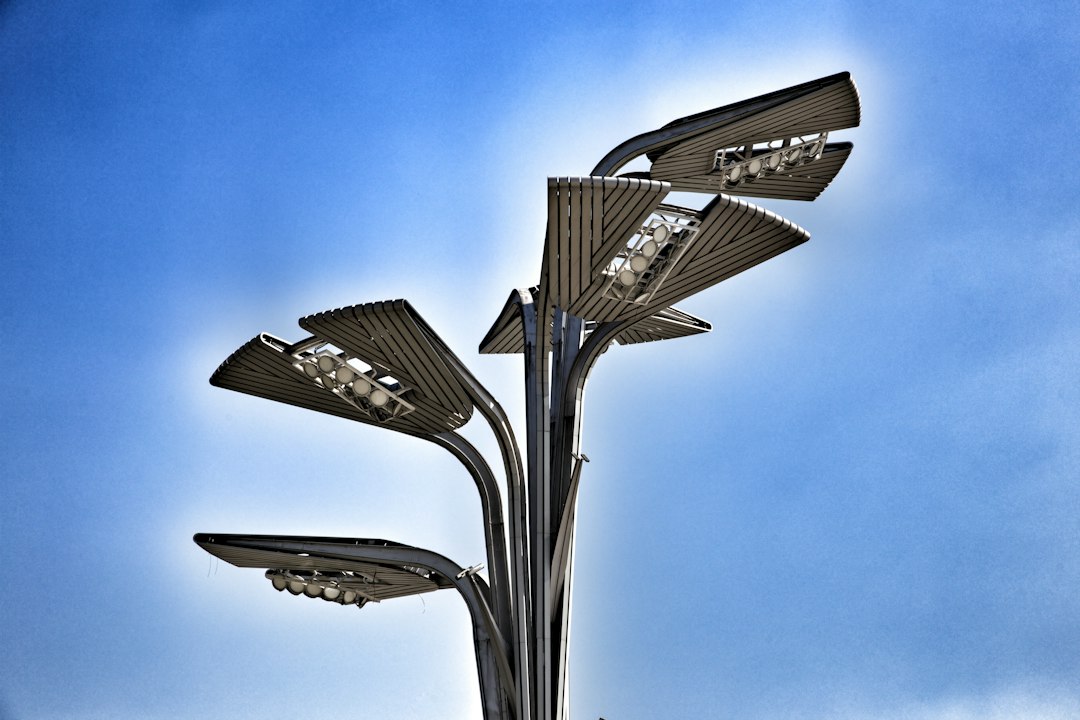
LED streetlights are designed to be durable, but like any technology, their components can eventually fail. Understanding these common causes is key to troubleshooting and implementing effective solutions, ultimately keeping our streets well-lit and safe.
Moisture Intrusion: The Silent Killer
Water, even in small amounts, can wreak havoc on sensitive electronic components. The sealed enclosures of LED streetlights are designed to keep moisture out, but they aren’t always foolproof.
How Water Gets In
Poor Sealing: Over time, the gaskets and seals around the luminaire housing, optical lenses, and driver compartments can degrade due to UV exposure, temperature fluctuations, and physical stress. Cracks or tears in these seals create an entry point for water vapor or direct liquid water.
Condensation: Temperature changes can cause moisture to form inside the fixture. When a warm, humid interior meets a colder exterior, condensation can occur, leaving water droplets on circuit boards and connectors. This is particularly common in areas with significant daily temperature swings.
Improper Installation: If the fixture isn’t mounted correctly, or if drainage holes are blocked or absent, water can pool on the surface and seep in. Poorly sealed cable entries are another common culprit, allowing water to travel along wires into the luminaire.
Damage: Accidental damage from falling branches, vandalism, or vehicle impacts can compromise the integrity of the housing, creating immediate pathways for water.
The Damage Water Does
Corrosion: Moisture, especially when combined with airborne salts (in coastal or de-icing salt areas), accelerates the corrosion of metal components like circuit board traces, connector pins, and housing fasteners. This can lead to intermittent connections or complete circuit breaks.
Short Circuits: Water is conductive. When it bridges gaps between electrical components on a circuit board, it can create unintended pathways for current, leading to short circuits that can instantly damage or destroy sensitive electronics.
Component Degradation: Certain materials, like the encapsulant used for LEDs or the epoxy in power supplies, can be degraded by prolonged exposure to moisture, reducing their protective capabilities and leading to premature failure.
Solutions to Keep Water Out
Regular Inspections: Implement a routine maintenance schedule for inspecting the seals, gaskets, and housing of LED streetlights. Look for any signs of wear, cracking, or dislodgement.
Quality Sealing Materials: When replacing seals or performing repairs, use high-quality, UV-resistant, and weather-sealed materials specifically designed for outdoor electrical enclosures. Ensure a proper fit and tight seal.
Proper Drainage: Verify that drainage holes are present, clear, and functional. If drainage is an issue, consider adding small, strategically placed weep holes, ensuring they don’t compromise the fixture’s ingress protection (IP) rating.
Professional Installation: Ensure that all installations and repairs are carried out by qualified technicians who understand the importance of proper sealing and cable management. Use appropriate cable glands and sealing compounds.
Protective Coatings: For areas prone to high humidity or salt spray, consider applying conformal coatings to circuit boards and electrical connections. These coatings provide an extra layer of protection against moisture and corrosion.
In recent discussions surrounding urban infrastructure, the reliability of LED streetlights has become a significant concern, particularly regarding component failure. A related article that delves into the causes and implications of such failures can be found at Freaky Science. This resource offers insights into the technological advancements in LED lighting and the challenges faced by municipalities in maintaining these systems effectively.
Thermal Stress and Overheating: A Recipe for Failure

LEDs, while efficient, still generate heat. If this heat isn’t dissipated effectively, it can lead to a cascade of failures within the streetlight’s components.
Sources of Heat
LED Junction Temperature: The LEDs themselves generate heat at their junction (where the semiconductor material emits light). If this heat isn’t conducted away from the junction efficiently, the LED’s temperature rises.
Driver Overload: The LED driver, which regulates the power supplied to the LEDs, also generates heat as a byproduct of its operation. If it’s undersized for the LED load or operating at its limit, it will overheat.
Poor Heat Sink Design/Maintenance: The heat sink is crucial for drawing heat away from the LEDs and driver. If the heat sink is too small, made of inadequate material, or if its fins are clogged with dirt and debris, its ability to dissipate heat is severely compromised.
Ambient Temperature: High ambient temperatures, common in many regions during summer months, reduce the temperature difference between the fixture and the surrounding air, making heat dissipation more difficult.
The Impact of Heat
Reduced LED Lifespan: Exceeding the recommended junction temperature for LEDs significantly accelerates their degradation. This leads to a decrease in light output (lumen depreciation) and a shortened operational life. In extreme cases, it can cause immediate burnout.
Driver Failure: Overheating can damage the electronic components within the driver, such as capacitors and transistors. This can lead to erratic performance, reduced efficiency, or complete failure of the driver, rendering the entire fixture inoperable.
Material Degradation: High temperatures can degrade the encapsulant materials around the LEDs, leading to yellowing or cracking, which can affect light output and color. It can also damage plastic components, lenses, and internal wiring insulation.
Thermal Cycling Stress: Frequent and extreme temperature fluctuations (thermal cycling), even without reaching critical overheating points, can cause materials to expand and contract repeatedly. This stress can lead to fatigue, cracks in solder joints, and material breakdown over time.
Strategies for Managing Heat
Adequate Heat Sink Design: Ensure that streetlights are equipped with appropriately sized and designed heat sinks. The material and surface area of the heat sink are critical for effective thermal management.
Thermal Interface Materials (TIMs): The connection between the LED module and the heat sink is vital. Using high-quality thermal paste or pads ensures efficient heat transfer. These materials can dry out or degrade over time, so replacement during maintenance is important.
Driver Selection and Protection: Choose drivers that are appropriately rated for the LED load and the expected ambient temperature range. Drivers with built-in thermal protection circuits that can dim or shut down the fixture if temperatures become too high are also beneficial.
Regular Cleaning of Heat Sinks: Periodically clean the heat sink fins to remove dust, dirt, and debris that can impede airflow and reduce heat dissipation. Compressed air or brushes can be effective for this.
Ventilation Considerations: While fixtures are designed to be sealed, some may incorporate passive ventilation features. Ensure these are not obstructed. In some extreme environments, active cooling might be considered, though this adds complexity and potential failure points.
Monitoring and Data Logging: For critical infrastructure, consider smart lighting systems that can monitor component temperatures and log data. This can help identify early signs of overheating before a failure occurs.
Power Surges and Electrical Issues: The Unseen Threats

Sudden spikes in electrical voltage or current can be devastating to delicate electronic components within an LED streetlight.
Common Electrical Problems
Lightning Strikes: Direct or nearby lightning strikes can induce massive voltage surges into the power grid, which can travel up to the streetlight’s electrical system.
Grid Fluctuations: Surges can also be caused by switching operations on the power grid, fault clearing, or the energizing/de-energizing of large industrial loads.
Faulty Wiring or Connections: Loose or corroded connections, damaged insulation on power cables, or improper grounding can create unpredictable electrical conditions and make the system more susceptible to surges.
Power Supply Instability: In areas with an unreliable power source, inconsistent voltage or frequency can stress the components of the LED driver.
Electrostatic Discharge (ESD): While less common in a sealed fixture, ESD can occur during manufacturing, installation, or repair if proper anti-static precautions aren’t taken, damaging sensitive microelectronics.
How Surges Cause Damage
Component Breakdown: High voltage spikes can exceed the dielectric breakdown strength of insulation materials within components like capacitors, transistors, and integrated circuits, causing them to fail.
Overcurrent Damage: A surge can force excessive current through components, leading to rapid overheating and melting, effectively destroying them.
Destruction of the Driver: The LED driver is particularly vulnerable. A significant surge can fry the entire driver board, rendering the light inoperable.
Damage to the LED Array: While LEDs themselves have some inherent surge protection, severe surges can still damage the semiconductor junctions.
Protective Measures and Solutions
Surge Protection Devices (SPDs): Installing SPDs is the most effective way to mitigate surge damage. These devices are designed to divert excess voltage away from the sensitive components and safely to ground. SPDs should be integrated into the streetlight fixture or installed at the power distribution point.
Proper Grounding: Ensure all streetlights are properly grounded. A good ground connection provides a safe path for fault currents and surges to dissipate. Regularly check grounding connections for integrity.
Quality Cabling and Connectors: Use high-quality, properly rated electrical cables and connectors. Ensure all connections are secure, watertight, and free from corrosion.
Regular Electrical Inspections: Periodically inspect the electrical connections, wiring, and grounding of streetlight systems. Look for signs of arcing, charring, or corrosion.
Voltage Regulation: In areas with very unstable power, consider implementing voltage regulation solutions at the distribution level, although this is usually a utility-level responsibility.
Careful Handling During Installation/Maintenance: Technicians should be aware of ESD risks and take appropriate precautions when handling LED modules and drivers, especially during assembly or repair.
Mechanical Stress and Environmental Factors: The Wear and Tear
Beyond moisture and heat, physical forces and exposure to the elements can also lead to the failure of LED streetlight components.
Types of Mechanical Stress
Vibration: Streetlights are often mounted on poles that can be subject to vibration from traffic, wind, or even nearby industrial activity. Constant vibration can loosen electrical connections, fatigue solder joints, and cause wear on mechanical parts.
Impacts: Accidental impacts from vehicles, falling debris (like branches), or vandalism can cause physical damage to the housing, lens, or internal components.
Wind Loading: Strong winds exert significant force on the luminaire. If the fixture is not securely mounted or if its design is not aerodynamic, this can lead to stress on the mounting hardware and the fixture itself.
Environmental Adversities
UV Radiation: Prolonged exposure to ultraviolet (UV) radiation from sunlight can degrade plastics, seals, and even the encapsulant around LEDs, leading to yellowing, cracking, and reduced performance.
Corrosive Atmospheres: Coastal areas with salt spray, industrial zones with chemical pollutants, or areas where de-icing salts are heavily used can accelerate corrosion on metal parts, connectors, and housing.
Extreme Temperatures: While related to thermal stress, the sheer range of temperature fluctuations, especially rapid shifts, puts mechanical strain on materials as they expand and contract. This can lead to micro-cracks in solder joints or brittle failure of plastic components.
Dust and Debris Accumulation: Over time, dust, dirt, and other debris can accumulate on the luminaire, particularly on the heat sink fins. This obstructs airflow, hindering heat dissipation, and can also cause abrasion on optical surfaces.
Addressing Mechanical and Environmental Issues
Robust Housing and Mounting: Choose streetlight fixtures constructed from durable materials like die-cast aluminum, which can withstand impacts and environmental exposure. Ensure secure and appropriate mounting hardware designed for the expected wind loads.
Impact-Resistant Lenses: Use lenses made from polycarbonate or tempered glass, which are more resistant to impact damage than standard acrylics.
UV-Stabilized Materials: Select components and materials that are specifically rated for UV resistance to prevent degradation from sunlight exposure.
Corrosion-Resistant Finishes: Fixtures should have high-quality, corrosion-resistant finishes, such as powder coating or anodizing, to protect metal components.
Regular Cleaning and Maintenance: Periodically clean the exterior of the luminaire, including the heat sink fins and lens, to remove accumulated debris and maintain optimal performance.
Vibration Dampening: In areas with high levels of vibration, consider using vibration-dampening mounts for the streetlight fixtures.
Sealing Against Dust Ingress: Ensure that the fixture’s sealing is effective not only against water but also against fine dust particles, which can compromise internal components and optical efficiency.
Recent studies have highlighted the increasing concern over LED streetlight component failure, which can lead to significant maintenance costs and reduced public safety. For a deeper understanding of this issue, you can explore a related article that discusses the various factors contributing to these failures and potential solutions. This informative piece can be found here, providing valuable insights for city planners and engineers alike.
Component Aging and Material Degradation: The Inevitable Decline
| Component | Failure Mode | Failure Rate (%) | Mean Time To Failure (MTTF) (hours) | Common Causes | Impact on Streetlight |
|---|---|---|---|---|---|
| LED Chips | Light Output Degradation | 15 | 50,000 | Thermal stress, electrical overstress | Reduced brightness, color shift |
| Driver Circuit | Electrical Failure | 30 | 40,000 | Overvoltage, component aging | Complete light outage |
| Capacitors | Capacitance Loss | 20 | 35,000 | High temperature, ripple current | Flickering, driver failure |
| Heat Sink | Thermal Degradation | 10 | 60,000 | Corrosion, dust accumulation | Overheating, reduced LED life |
| Optics (Lens/Diffuser) | Yellowing/Cracking | 5 | 45,000 | UV exposure, weathering | Light distribution issues |
| PCB | Trace Damage | 10 | 50,000 | Moisture ingress, mechanical stress | Intermittent or total failure |
| Connectors | Corrosion/Loose Contact | 10 | 55,000 | Moisture, vibration | Intermittent operation |
Like all manufactured items, the individual components within an LED streetlight have a finite lifespan, and materials themselves can degrade over time, even without specific catastrophic events.
Natural Aging Processes
LED Chip Degradation: Even under optimal conditions, the semiconductor material within an LED will gradually degrade over thousands of hours of operation. This results in a slow decrease in light output (lumen depreciation) and a shift in color temperature.
Driver Component Lifespan: Electronic components within the LED driver, particularly electrolytic capacitors, have a limited lifespan. They can dry out, swell, or lose their capacitance over time, leading to driver malfunction or failure. Transistors and other semiconductor devices can also weaken.
Optical Material Aging: The encapsulant protecting the LEDs, as well as the lens material, can undergo gradual changes. UV exposure can cause yellowing, and thermal cycling can lead to micro-cracking or delamination, affecting light transmission and distribution.
Solder Joint Fatigue: Repeated thermal cycling and vibration can cause stress on solder joints connecting components to the circuit board. This can lead to microscopic cracks that grow over time, causing intermittent connections or complete failure.
Oxidation and Corrosion: Even with protective measures, slow oxidation and corrosion can occur at electrical contacts and metal surfaces over extended periods, particularly in environments with fluctuating humidity.
Strategies for Managing Aging
Quality Component Selection: Using high-quality, reputable brands for LEDs, drivers, and other critical components significantly impacts longevity. Manufacturers often specify expected lifespans based on rigorous testing.
Over-Engineering: Designing drivers and thermal management systems with a margin of capacity beyond the immediate requirements can reduce stress on components, extending their life. For example, operating LEDs at slightly lower currents than their maximum rating.
Planned Replacement Cycles: Establish realistic replacement schedules for LED streetlights based on their rated lifespan and observed performance data. Rather than waiting for a failure, proactive replacement of aging fixtures can prevent outages and associated safety risks.
Monitoring and Predictive Maintenance: Smart lighting systems can play a role here by monitoring parameters like current draw, voltage, and temperature. Deviations from normal operating ranges can indicate aging components that are beginning to fail, allowing for planned maintenance before a complete breakdown.
Modular Design: Fixtures designed with modular components (e.g., easily replaceable drivers or LED modules) can facilitate maintenance and upgrades, allowing for targeted replacement of aging parts rather than the entire unit.
Record Keeping: Maintaining detailed records of installation dates, maintenance performed, and any observed issues can help track the aging process of specific fixtures and inform future maintenance strategies.
By understanding these common causes of failure and implementing the suggested solutions, municipalities and facility managers can significantly improve the reliability, longevity, and overall performance of their LED streetlight infrastructure.
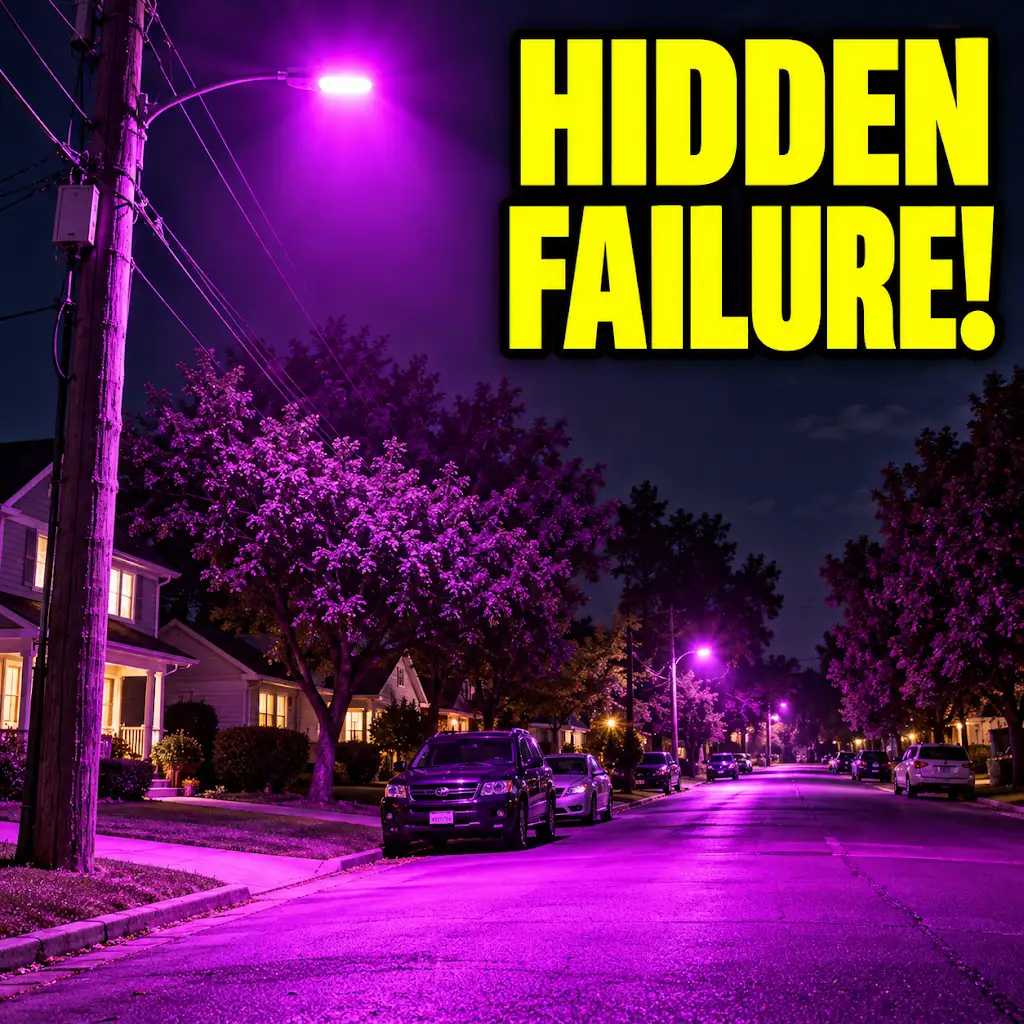
Why The Streetlights Are Turning Purple
FAQs
What are common causes of LED streetlight component failure?
Common causes of LED streetlight component failure include overheating, power surges, moisture ingress, and poor quality components.
How can overheating lead to LED streetlight component failure?
Overheating can lead to LED streetlight component failure by causing the components to degrade faster, reducing their lifespan and efficiency.
What role do power surges play in LED streetlight component failure?
Power surges can cause LED streetlight component failure by delivering a sudden spike in voltage that exceeds the components’ capacity, leading to damage.
How does moisture ingress impact LED streetlight component failure?
Moisture ingress can lead to LED streetlight component failure by causing corrosion, short circuits, and other damage to the sensitive electronic components.
Why is using high-quality components important in preventing LED streetlight component failure?
Using high-quality components is important in preventing LED streetlight component failure because they are more durable, reliable, and less prone to failure compared to low-quality alternatives.