Introduction to Identifying Car Window Glass Defects
You’ve probably never given your car’s windows much thought, beyond the occasional squeak of the regulator or the satisfying thump as they seal shut. But those seemingly simple panes of glass are intricate pieces of engineering, crucial for your safety, visibility, and the overall integrity of your vehicle. Like any manufactured component, car window glass can develop defects. Some are minor annoyances, while others can compromise your safety and even the structural stability of your car. Knowing how to spot these issues before they become major problems can save you time, money, and potentially prevent a dangerous situation on the road. This guide will walk you through the common car window glass defects you might encounter, equipping you with the knowledge to identify them yourself.
Car window glass defects can significantly impact both safety and visibility while driving. For a deeper understanding of the various types of glass defects and their implications, you can refer to a related article that discusses the science behind glass manufacturing and the common issues that arise. This informative piece can be found at Freaky Science, where you will learn more about how these defects can affect vehicle performance and safety.
Cracks and Chips: The Most Visible Culprits
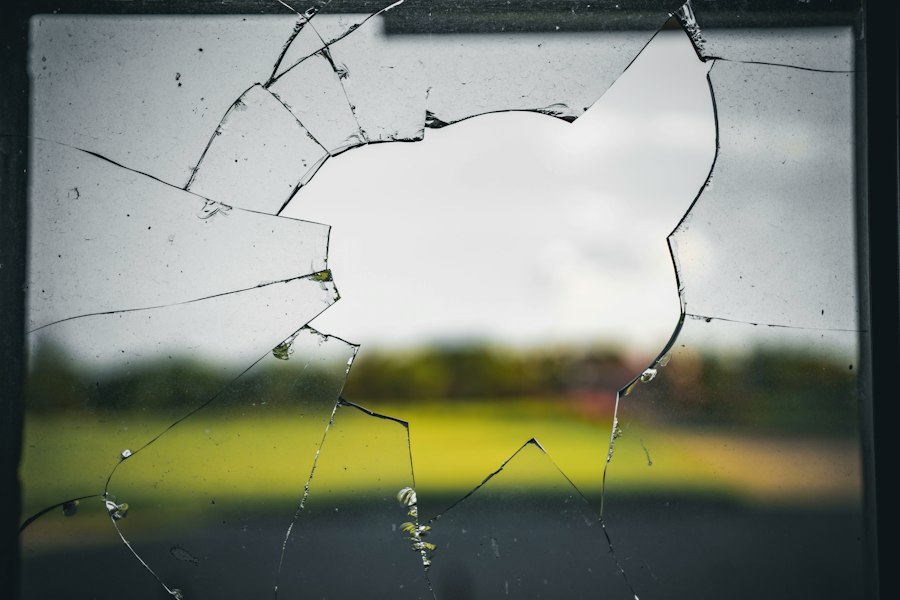
These are undoubtedly the most common and easily recognizable defects in car window glass. They typically stem from external impacts and, left unaddressed, can quickly escalate. Understanding their origins and progression is key to effective identification and prevention.
Star Cracks: The Radial Hazard
Imagine a tiny stone hitting your windshield at high speed. The impact point is usually small, but the force can radiate outwards, creating a pattern that resembles a starburst. This is a star crack. You’ll see a central point of impact, often no bigger than a dime, from which several lines – the “rays” – extend outwards. These rays can vary in length and severity.
Identifying Star Cracks: Look for a localized impact point. The cracks will radiate from this point in multiple directions, usually with distinct, sharp lines. Sometimes, the center might appear slightly deeper or more discolored due to the initial impact. You might also notice small fragments of glass missing at the impact point.
Why They Matter: While a small star crack might seem insignificant, the stress it creates in the glass can cause it to spread, especially with changes in temperature, vibrations from driving, or further impacts. A spreading star crack significantly impairs visibility and weakens the structural integrity of the window.
Bullseye Chips: The Circular Fissure
Similar to star cracks, bullseye chips are also caused by impact, but they manifest differently. Instead of radiating lines, a bullseye chip typically forms a circular or oval-shaped pit in the glass. You might see a small impact point at the center, surrounded by a ring of fractured glass.
Identifying Bullseye Chips: The key characteristic is the localized, often circular, damage. The impact point might be a small chip or indentation, and the surrounding glass will show signs of cracking and breakage in a rounded pattern. Unlike a star crack, you won’t see distinct radiating lines.
Why They Matter: Bullseye chips, like star cracks, create weak points in the glass. They can also spread, although perhaps less aggressively than some star cracks. Their location is crucial; a bullseye on the driver’s side can be particularly distracting.
Combination Breaks: The Unpredictable Mess
Sometimes, an impact can cause a combination of damage types. A single rock can create a bullseye and then cause star cracks to emanate from it. Or, a small chip might evolve into a larger, more complex fracture pattern. These are often the most concerning defects due to their unpredictable nature.
Identifying Combination Breaks: These are identified by the presence of multiple damage types in the same area. You might see a central impact point with radiating cracks (star crack) and also some circular fracturing around it (bullseye). The overall pattern will be irregular and complex, making it difficult to categorize neatly.
Why They Matter: Combination breaks represent a significant weakening of the glass. The multiple stress points and fracture lines make them highly susceptible to spreading and can significantly obscure your vision.
Long Cracks: The Spreading Menace
A long crack is exactly what it sounds like: an extended fissure in the glass. These often begin as smaller chips or star cracks that have been allowed to spread unchecked. Temperature fluctuations, bumps in the road, and even the flexing of your car’s chassis can contribute to their growth.
Identifying Long Cracks: These are straightforward to spot. You’ll see a single, continuous line of breakage extending across a significant portion of the window. The crack might be a clean break or have feathered edges, indicating it’s been spreading.
Why They Matter: Long cracks severely compromise the structural integrity of the window and can shatter without warning, especially under stress. They also create a significant visual obstruction, making it dangerous to drive.
Edge Cracks: The Vulnerable Perimeter
Cracks that originate at the edge of the glass, particularly near the frame, are known as edge cracks. These can occur due to manufacturing flaws, improper installation, or stress on the glass from the vehicle’s body.
Identifying Edge Cracks: Simply look for cracks that begin at the very edge of the windowpane, often extending inwards. They might be small at first but can propagate rapidly if not addressed.
Why They Matter: The edges of the glass are particularly vulnerable. Edge cracks can indicate underlying issues with the seal or the frame, and they can quickly compromise the entire window.
Internal and Surface Imperfections: Beyond the Impact
While external impacts are the most common cause of glass damage, you might also encounter defects that arise from the manufacturing process or environmental factors. These are often less dramatic but can still affect visibility and the long-term durability of your windows.
Scratches and Pitting: The Gradual Degradation
Over time, your car windows are exposed to a barrage of minor abrasions from wipers, dirt, dust, and even automatic car washes. These can lead to a dulling of the glass surface and the formation of countless tiny scratches and pits.
Identifying Scratches and Pitting: You’ll notice a general haziness or cloudiness on the glass surface, especially when viewed at an angle or in direct sunlight. If you run your fingertips over the glass, you might feel a slightly rough texture. Individual scratches might be visible as fine lines.
Why They Matter: While not as immediately dangerous as a crack, extensive scratching and pitting can significantly reduce visibility, particularly at night or in low-light conditions. It can also make it harder to see road signs and other vehicles. This is a gradual deterioration rather than a sudden failure.
Delamination: The Layered Separation
Laminated glass, commonly used for windshields, consists of two layers of glass with a layer of plastic (polyvinyl butyral or PVB) sandwiched between them. Delamination occurs when this plastic layer begins to separate from the glass. This often appears as a cloudy or misty area within the glass.
Identifying Delamination: Look for hazy, cloudy, or discolored patches within the glass, particularly on the edges. These areas may appear to have a milky or oily sheen. The separation might be subtle at first and can spread over time. You might also notice a slight “bubble” effect in the affected areas.
Why They Matter: Delamination compromises the integrity of the laminated glass. It weakens the bond between the layers, reducing the glass’s ability to hold together in an impact. It also creates visual distortions that can impair your driving vision.
Air Bubbles and Inclusions: Manufacturing Residue
During the manufacturing process, small air bubbles or foreign particles can become trapped within the glass. These are known as inclusions. While modern manufacturing techniques minimize these, they can still occur.
Identifying Air Bubbles and Inclusions: You’ll see small, distinct dots or spherical imperfections within the glass. Air bubbles will appear as clear or slightly opaque spheres, while inclusions might be darker specks or foreign material. They are typically fixed points within the glass.
Why They Matter: While usually not a structural concern unless they are very large or numerous, air bubbles and inclusions can create minor visual distortions. If they are concentrated in a critical viewing area, they could potentially be a distraction.
Internal Stress Fractures: The Hidden Weakness
Sometimes, stress can build up within the glass itself due to uneven cooling during manufacturing or localized stress points in the vehicle’s frame. These stresses can lead to internal fractures that may not be immediately visible on the surface.
Identifying Internal Stress Fractures: These are the most difficult to spot and often manifest as faint lines or spiderweb-like patterns that appear only under specific lighting conditions. They might look like fine, almost invisible scratches that don’t feel rough to the touch. Sometimes, a slight change in temperature can make them more apparent.
Why They Matter: Internal stress fractures represent a significant hidden weakness. The glass is already compromised, and even minor impacts or temperature changes can cause these fractures to propagate rapidly, leading to sudden breakage.
Environmental and Installation Issues: External Influences
The world outside your car, and how your windows were put in, can also introduce defects. These issues are often tied to maintenance, weather, and the quality of the installation process.
Wiper Blade Damage: The Daily Grind
Your windshield wipers are essential for visibility, but they can also be a source of damage. If the wiper blades are worn, contain grit, or are improperly adjusted, they can create scratches and wear patterns on the glass surface.
Identifying Wiper Blade Damage: Look for persistent streaks that remain even after cleaning, especially in the area swept by the wipers. You might also notice a series of fine, parallel scratches or a dull, worn patch on the glass. The damage will be concentrated in the arc of the wiper’s movement.
Why They Matter: Similar to general scratching, significant wiper blade damage reduces visibility and can create distracting glare. It’s a gradual wear and tear that, if severe, can necessitate replacement.
Chemical Stains and Etching: The Corrosive Effect
Exposure to harsh chemicals, such as certain cleaning agents, tree sap, or even acidic rain, can etch or stain your car’s glass. This can alter the surface texture and appearance of the glass.
Identifying Chemical Stains and Etching: You’ll see discolored patches or a milky film on the glass that doesn’t wipe away. The surface might feel rough or gritty to the touch in these areas. The discoloration can vary depending on the chemical agent involved.
Why They Matter: Chemical etching can permanently damage the glass surface, making it more susceptible to future scratching and reducing clarity. It’s a form of surface degradation that impacts visual quality.
Improper Installation Damage: The New Window Woes
When a car window is replaced, improper installation techniques can introduce defects. This can include overtightening bolts that stress the glass, using the wrong adhesive, or not properly preparing the frame.
Identifying Improper Installation Damage: Look for stress cracks radiating from the edges of the glass, especially near mounting points. You might also notice uneven sealing around the window, gaps, or leaks. The glass might also appear to be slightly distorted or not sitting flush with the frame.
Why They Matter: Improper installation can lead to immediate or future cracking and can compromise the seal, leading to water leaks and wind noise. A poorly installed window is a safety hazard.
Car window glass defects can significantly impact visibility and safety while driving. For those interested in understanding more about the various types of defects that can occur in automotive glass, a related article provides valuable insights into the causes and solutions. You can read more about this topic in the article on automotive glass defects, which discusses how to identify and address these issues effectively.
Taking Action: Diagnosis and Next Steps
| Defect Type | Description | Common Causes | Detection Method | Impact on Safety | Frequency (%) |
|---|---|---|---|---|---|
| Cracks | Visible fractures or splits in the glass surface | Impact from debris, stress, manufacturing flaws | Visual inspection, ultrasonic testing | High – can impair visibility and structural integrity | 15 |
| Scratches | Surface abrasions that may reduce clarity | Cleaning with abrasive materials, contact with sharp objects | Visual inspection, light reflection tests | Medium – may cause glare and reduce visibility | 25 |
| Delamination | Separation of glass layers or coating | Manufacturing defects, exposure to extreme temperatures | Visual inspection, moisture tests | High – weakens glass strength and safety | 5 |
| Inclusions | Foreign particles trapped within the glass | Contamination during manufacturing | Microscopic inspection | Low – mostly cosmetic but can affect strength | 10 |
| Distortion | Warping or bending causing visual distortion | Improper tempering, installation errors | Visual inspection, optical distortion tests | Medium – can impair driver vision | 20 |
| Edge Chips | Small chips or breaks along the glass edges | Handling damage, impact during installation | Visual inspection | Medium – can propagate into cracks | 12 |
| Fogging | Condensation or haze between glass layers | Seal failure, moisture ingress | Visual inspection, moisture detection | High – reduces visibility significantly | 8 |
Recognizing a defect is the first step, but understanding what to do about it is equally important. The severity of the defect, its location, and the type of window all play a role in determining the best course of action.
When to Seek Professional Repair: The Critical Cases
Certain defects are too severe or too complex to ignore or attempt to fix yourself. If you encounter any of the following, it’s time to consult a qualified auto glass technician:
- Any crack longer than six inches: While small chips can sometimes be repaired, longer cracks almost always require replacement.
- Cracks that extend to the edge of the glass: These are highly prone to spreading and compromising the entire window.
- Deep chips or bullseyes that are wider than a quarter: The structural integrity is significantly compromised.
- Any defect that obstructs your direct line of vision: Safety is paramount, and any visual impairment needs professional attention.
- Delamination that significantly impairs visibility: This affects the structural integrity and visual clarity of the glass.
- Evidence of improper installation: This needs to be rectified by a professional to ensure safety and prevent further damage.
Why Professional Intervention is Crucial: Auto glass repair and replacement are specialized fields. Professionals have the tools, materials, and expertise to correctly assess the damage, perform repairs that restore structural integrity, and ensure a watertight seal. Attempting to fix complex issues yourself can lead to further damage and compromise your safety.
DIY Fixes: For the Minor Annoyances
For very small chips (typically smaller than a dime) and hairline cracks that haven’t spread, you might consider a DIY repair kit. These kits typically involve a resin that is injected into the damaged area and then cured.
How to Approach DIY Repairs:
- Clean the area thoroughly: Ensure the impact point is free of debris.
- Follow the kit instructions precisely: Each kit has specific steps for application and curing.
- Work in a temperature-controlled environment: Extreme temperatures can affect the resin’s performance.
- Be realistic about outcomes: DIY repairs are best for cosmetic improvements and preventing spread. They may not make the damage completely disappear.
Limitations of DIY: It’s essential to understand that DIY repairs are a temporary solution and are not suitable for all types of damage. They are primarily for preventing minor chips from spreading. They will not restore the glass to its original strength or clarity.
Prevention is Key: Protecting Your Investment
The best way to deal with car window glass defects is to prevent them from happening in the first place. Simple habits can go a long way in preserving the condition of your windows:
- Maintain your wiper blades: Replace worn-out blades regularly. Clean your windshield and wiper blades to remove grit.
- Be mindful of parking: Avoid parking under trees that drop sap or debris, or in areas prone to rockfalls.
- Drive defensively: Maintain a safe distance from other vehicles, especially trucks that can kick up debris.
- Address small chips promptly: Don’t let minor damage linger. Get them repaired before they spread.
- Use appropriate cleaning products: Avoid harsh chemicals and abrasive cleaners on your windows.
- Be cautious with automatic car washes: Some brushes can be abrasive. Consider handwashing or touchless washes if your glass is heavily scratched.
By understanding these common defects and taking proactive steps, you can ensure your car’s windows remain a clear and safe part of your driving experience for years to come. Regular visual inspections, coupled with mindful driving and maintenance, are your best allies in combating car window glass defects.

Your Car Window Can Keep You In—Even When You Need Out
FAQs
What are some common defects found in car window glass?
Common defects found in car window glass include scratches, chips, cracks, bubbles, and distortions. These defects can affect the visibility, structural integrity, and overall appearance of the glass.
How do scratches on car window glass occur?
Scratches on car window glass can occur from various sources such as debris on the road, improper cleaning techniques, vandalism, or contact with abrasive materials. These scratches can impair visibility and weaken the glass over time.
Can defects in car window glass be repaired?
Some minor defects in car window glass, such as small chips or scratches, can be repaired using specialized techniques. However, more severe defects like large cracks or distortions may require the replacement of the entire glass panel.
What are the safety implications of defects in car window glass?
Defects in car window glass can compromise the safety of the vehicle occupants. Cracks or chips can weaken the glass, increasing the risk of shattering during an impact. Distortions or bubbles can also impair visibility, leading to potential accidents on the road.
How can car owners prevent defects in window glass?
Car owners can prevent defects in window glass by avoiding contact with abrasive materials, using proper cleaning techniques, and addressing any minor damage promptly. Regular inspections of the window glass can help identify defects early on and prevent them from worsening.