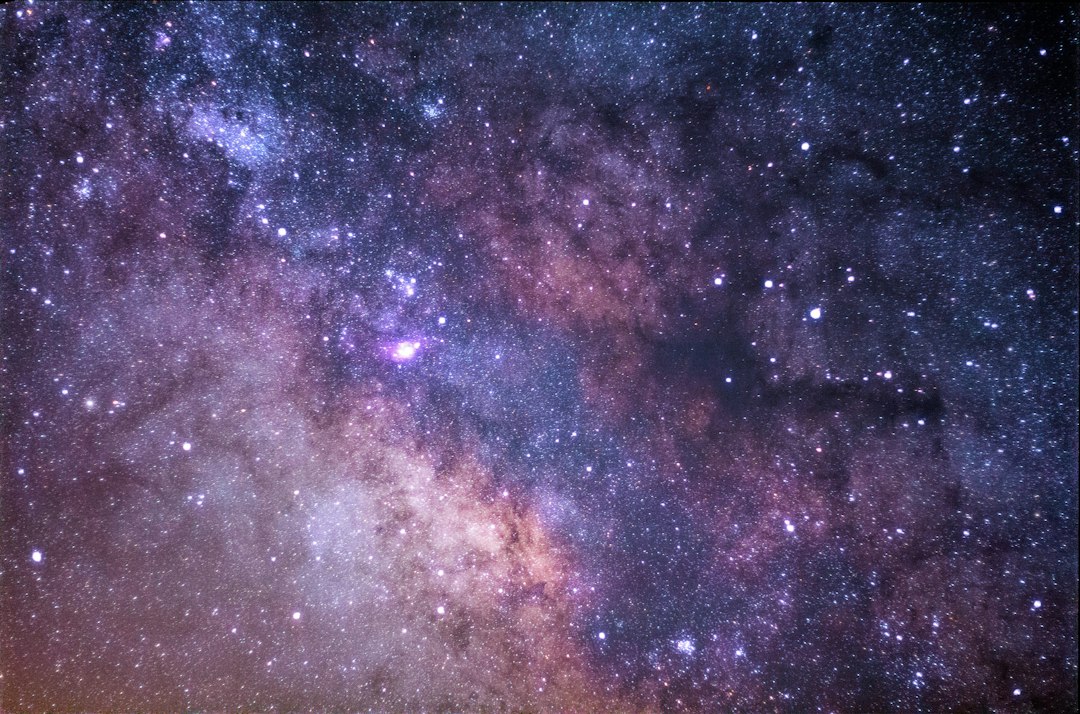
The starship Odyssey broke the silent vacuum of interstellar space, a glint of polished chrome against the inky black. For Captain Eva Rostova and her crew, this was more than just a journey’s end; it was a homecoming of profound significance. Years spent navigating nebulae, charting unknown solar systems, and pushing the boundaries of human exploration had culminated in this singular moment: the return to Earth. The familiar blue marble, once a distant dream, now swelled in the viewport, a vibrant beacon of life and belonging.
The voyage of the Odyssey had been an ambitious undertaking, a testament to humanity’s enduring spirit of discovery. Tasked with investigating anomalies in the Orion Arm and seeking potential exoplanets for future colonization, the crew had ventured further than any before them. Their mission had been a resounding success, yielding invaluable data and breathtaking discoveries, yet the vastness of space had also imprinted itself upon them in ways both profound and unsettling.
The Silence That Lingers
For extended periods, the crew of the Odyssey had existed in a state of profound isolation. The hum of the ship’s engines, the chirping of instruments, and the hushed conversations among the crew were the only sounds to break the immensity of the cosmic silence. This lack of terrestrial noise, the constant murmur of a living planet, could be unnerving. It fostered a deep introspection, forcing each member to confront their own thoughts and emotions in a way that everyday life rarely allowed.
Echoes in the Hull
The ship itself became a universe unto itself. Its recycled air, its artificial gravity, its carefully controlled environment – these were the new constants. The passage of time was marked not by the rising and setting of a sun, but by the ship’s chronometers and the cycles of duty. The familiar, comforting rhythm of Earthly days and nights was replaced by a more abstract, perhaps more demanding, cadence.
The Stars as Companions
In the absence of familiar faces and earthly landscapes, the stars themselves had become companions. The crew had witnessed celestial phenomena of unparalleled beauty and power: the swirling colors of distant nebulae, the majestic dance of binary stars, the stark brilliance of quasars. These sights, while awe-inspiring, also served as a constant reminder of their minuscule place in the grand cosmic tapestry.
The Unseen Toll of Isolation
The psychological impact of prolonged deep space travel was a well-documented concern, and the Odyssey‘s crew was not immune. The camaraderie forged under immense pressure was a vital coping mechanism, but the inherent loneliness of their undertaking was a constant undercurrent. The knowledge that Earth was not merely a destination, but an impossibly distant beacon, weighed heavily.
The Longing for the Familiar
Subtle cues, often overlooked in the hustle of daily life, became sources of profound longing. The scent of rain, the feeling of wind on one’s skin, the taste of fresh, unpasteurized food – these simple sensory experiences, taken for granted on Earth, were intensely missed. The artificiality of the ship, while necessary for survival, could never fully replicate the rich tapestry of the terrestrial world.
The Shift in Perspective
The sheer scale of the universe, experienced firsthand, inevitably reshaped their perspectives. The petty squabbles and societal pressures that often consumed life on Earth seemed increasingly trivial when viewed against the backdrop of galactic immensity. This shift was both liberating and disorienting, creating a subtle disconnect from the world they were returning to.
Returning to Earth from deep space presents numerous challenges, including re-entry dynamics and the effects of prolonged weightlessness on the human body. For a deeper understanding of these complexities and the latest advancements in space travel, you can explore a related article on this topic at Freaky Science. This resource provides insights into the technologies and strategies being developed to ensure safe and efficient journeys back to our home planet.
The Approach: A Shifting Reality
As the Odyssey gradually decelerated and began its final approach to Earth, a palpable sense of anticipation filled the ship. The blue marble, once a distant aspiration, was now a rapidly growing entity, its continents and oceans resolving into sharp detail. Yet, the reality of re-entry was not just about physical proximity; it was about reintegrating into a world that had continued to evolve in their absence.
Signals from Home
The first tangible connection to Earth was the flood of incoming transmissions. News feeds, personal messages, and official debriefing requests poured into the ship’s communication array. These signals, once a vital lifeline, now represented the bridge between their isolated existence and the vibrant, complex world they were returning to.
The Unfolding Narrative
Each transmission carried fragments of Earth’s story since their departure. Technological advancements, political shifts, cultural trends – the world had not stood still. The crew had been privy to the overarching narrative through carefully curated updates, but the sheer volume and detail of the incoming information painted a more nuanced and sometimes surprising picture.
The Personal Echoes
For many, the most potent signals were the personal messages from loved ones. Voices and faces, once seen only in recorded holograms, now offered direct glimpses into the lives that had continued without them. The joy and relief in these transmissions were contagious, yet they also highlighted the years of missed moments and the inevitable distance that had grown.
The Lure of Gravity
The return of Earth’s gravitational pull was a physical sensation that was eagerly awaited and slightly dreaded. Years of adjusted gravity had accustomed their bodies to a different force. The prospect of feeling the full weight of their own limbs, of walking with the familiar resistance of planetary gravity, was both exciting and daunting.
A New Kind of Strength
The crew had developed a unique physical resilience and agility adapted to the ship’s environment. Reacquainting their bodies with Earth’s gravity would require a period of adjustment, a re-learning of movement. The sense of lightness they had grown accustomed to would be replaced by a more grounded, perhaps even heavy, sensation.
The Promise of Open Air
The most visceral aspect of Earth’s gravity was its inextricable link to the open air. The ability to step outside, to feel the wind, to breathe uncirculated atmosphere – these were experiences that had been profoundly missed. The gentle pull of gravity was the precursor to the freedom of Earth’s embrace.
The Re-entry: A Sensory Overload
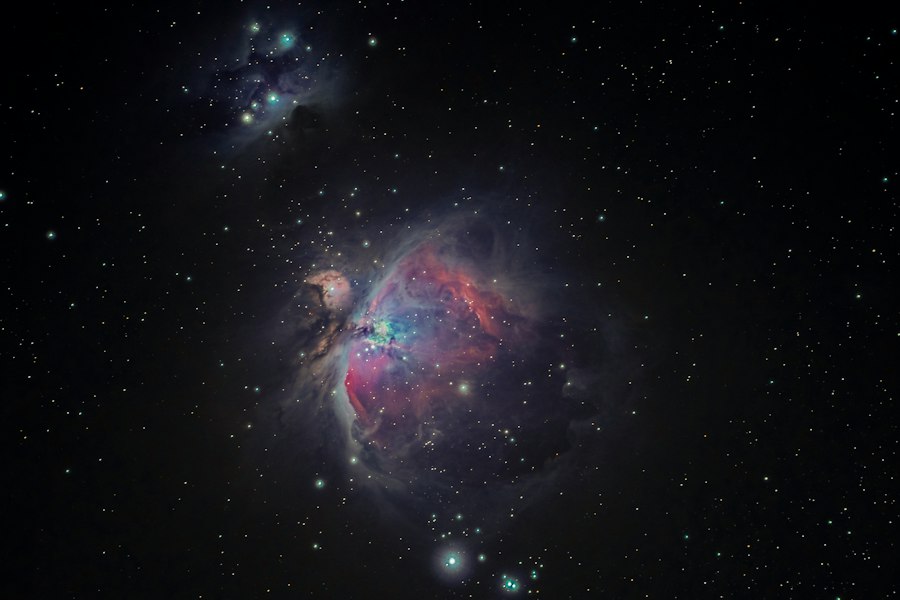
The transition from the sterile confines of the Odyssey to the vibrant, chaotic embrace of Earth was a potent sensory experience. The ship’s carefully calibrated environment was a stark contrast to the rich, unpredictable tapestry of terrestrial existence. For the crew, re-entry was not merely a physical landing, but an immersion into a world that was both familiar and subtly alien.
The Air Itself
The first breath of Earth’s atmosphere was a revelation. The recycled air of the Odyssey, while perfectly breathable, lacked the complexity and dynamism of the planet’s own. The scents of vegetation, of distant oceans, of the very earth itself, flooded their senses, triggering a cascade of memories and emotions.
A Symphony of Scents
Each inhale was a complex olfactory journey. The subtle fragrance of flowers, the sharp tang of pine, the earthy aroma of damp soil – these scents, once commonplace, now held a profound significance. They were the olfactory signatures of life, a testament to the planet’s boundless biodiversity.
The Breath of Freedom
The simple act of breathing deeply, of filling their lungs with the unconfined air, was an act of liberation. It was a physical manifestation of their return, a tangible connection to the world that had nurtured them. The feeling of the air moving in and out of their lungs was a profound reminder of being alive and grounded.
The Cacophony of Life
The silence of space, so long their constant companion, was replaced by an overwhelming symphony of terrestrial sounds. The distant hum of traffic, the chirping of birds, the laughter of children, the murmur of human voices – these were the sounds of a living, breathing world, a stark contrast to the controlled quiet of their journey.
The Rhythms of Civilization
The sounds of human activity, from the mundane to the extraordinary, created a rich sonic landscape. The roar of engines, the clang of construction, the melodic strains of music – these were the auditory markers of a society in constant motion. For the crew, these sounds, once easily ignored, now held a captivating allure.
The Voices of Their World
The natural world, too, contributed to this sonic tapestry. The rustling of leaves in the wind, the crashing of waves against a shore, the melodious calls of diverse bird species – these were the authentic voices of Earth, a constant reminder of its living essence.
Reintegration: Bridging the Divide

The immediate aftermath of re-entry was a period of adjustment, a delicate process of bridging the divide between their years in the void and their re-entry into terrestrial society. The world they had left had continued to evolve, and they, in turn, had been irrevocably changed.
The Human Connection
The most anticipated and perhaps most challenging aspect of reintegration was the reconnection with humanity. After years of limited social interaction, the prospect of engaging with a multitude of people, of navigating the complexities of social dynamics, was both exhilarating and daunting.
The Warmth of Familiar Faces
The reunions with family and friends were intensely emotional. The physical embrace, the shared laughter, the unspoken understanding – these were the anchors that tethered them to their past and provided solace in their transition. The years of separation melted away in these moments of profound connection.
Navigating the Social Landscape
The intricacies of Earthly society, with its unspoken rules and ever-shifting trends, presented a new set of challenges. The crew, accustomed to the more direct and utilitarian interactions of space exploration, had to reacquaint themselves with the nuances of social etiquette and the ebb and flow of human relationships.
The Body’s Reclamation
The physical adjustments continued long after the initial landing. The body, having adapted to the unique conditions of space, slowly reasserted its Earthly rhythms. This process was often accompanied by a range of sensations, both familiar and novel.
The Rediscovery of Simple Pleasures
The return of normal appetite, the enjoyment of fresh food, the sensation of a comfortable bed – these were the small, yet profoundly significant, pleasures that marked their physical reintegration. The ship’s synthesized meals, while nutritionally complete, could never replicate the simple joy of a home-cooked meal.
The Lingering Echoes
While the body embraced Earth’s embrace, the subtle effects of their journey could linger. A heightened sensitivity to light, a residual sense of disorientation, or an altered perception of time were not uncommon. These were the subtle echoes of their time in the void, a testament to the transformative power of deep space travel.
As scientists and engineers continue to explore the challenges of returning to Earth from deep space missions, understanding the complexities of re-entry becomes crucial. A related article discusses the various technologies and strategies being developed to ensure safe landings after long-duration space travel. For more insights on this topic, you can read the full article here, which highlights the innovative approaches being tested to protect astronauts during their journey back home.
A New Perspective: The Grounded Voyager
| Metric | Value | Unit | Notes |
|---|---|---|---|
| Re-entry Velocity | 11.2 | km/s | Typical velocity for Earth atmospheric re-entry from deep space |
| Heat Shield Temperature | 1,650 | °C | Maximum temperature experienced during re-entry |
| Deceleration G-Force | 4 to 6 | g | Peak deceleration experienced by astronauts |
| Communication Blackout Duration | 3 to 5 | minutes | Time during which plasma blocks radio signals |
| Landing Accuracy | ±5 | km | Typical landing ellipse radius for capsule recovery |
| Atmospheric Entry Angle | 6.5 to 7.5 | degrees | Optimal angle range to avoid skipping or burning up |
| Capsule Mass | 8,000 to 9,000 | kg | Mass of typical deep space return capsules (e.g., Orion) |
| Parachute Deployment Altitude | 10,000 | meters | Altitude at which main parachutes typically deploy |
The return from deep space was not an end, but a new beginning. The experiences of the Odyssey crew had indelibly altered their perspectives, transforming them into grounded voyagers with a unique understanding of both the vastness of the cosmos and the preciousness of their home planet.
The Earth as a Jewel
Having witnessed the silent, barren beauty of countless celestial bodies, the Earth now appeared in a new light. Its vibrant colors, its teeming life, its fragile atmosphere – these were no longer taken for granted, but cherished as extraordinary gifts.
The Fragility of Life
The absence of life on so many other worlds served as a stark reminder of Earth’s uniqueness. The crew understood, with a profound clarity, the delicate balance that sustained their planet and the importance of its preservation.
The Responsibility of Stewardship
This newfound appreciation fostered a deep sense of responsibility. The voyagers of the Odyssey carried within them not just the memories of their explorations, but a renewed commitment to protecting and nurturing the planet that had always been their true home.
The Enduring Call of the Stars
While the allure of Earth was undeniable, the call of the stars did not entirely fade. The experiences of deep space had ignited a spark within them, a curiosity that would forever remain. They had returned home, but a part of them would always be gazing upwards, ready for the next frontier.
The Legacy of Exploration
The data and discoveries brought back by the Odyssey would fuel future endeavors, inspiring generations of explorers. The crew’s journey was a testament to human ingenuity and the insatiable drive to understand the universe.
The Voyager’s Heart
They were no longer just explorers; they were the grounded voyagers. They had walked among the stars and returned with a profound understanding of their place in the cosmos. Their journey had ended, but their perspective had expanded infinitely, forever coloring their perception of home and the universe beyond. The return was not just a physical act, but a profound redefinition of what it meant to be human in a vast and wondrous cosmos.

There’s Only One Safe Way Back to Earth From the Moon
FAQs
1. How long does it take to return to Earth from deep space?
It can take anywhere from several days to several months to return to Earth from deep space, depending on the distance traveled and the speed of the spacecraft.
2. What are the potential health risks for astronauts returning from deep space?
Astronauts returning from deep space may experience muscle atrophy, bone density loss, cardiovascular issues, and radiation exposure, among other health risks.
3. How do spacecraft re-enter Earth’s atmosphere from deep space?
Spacecraft returning from deep space typically use heat shields to protect against the intense heat generated during re-entry into Earth’s atmosphere. They may also use parachutes to slow down and safely land.
4. What is the process for astronauts to readjust to Earth’s gravity after returning from deep space?
Astronauts returning from deep space undergo a period of readjustment to Earth’s gravity, which can include physical therapy, exercise, and medical monitoring to help their bodies recover and adapt.
5. How does returning to Earth from deep space impact astronauts psychologically?
Astronauts returning from deep space may experience psychological challenges such as feelings of isolation, disorientation, and difficulty readjusting to life on Earth. They may also undergo debriefing and counseling to help them transition back to normal life.