Color E-Paper: How It Differs from Traditional Displays
The Fundamental Nature of E-Paper Technology
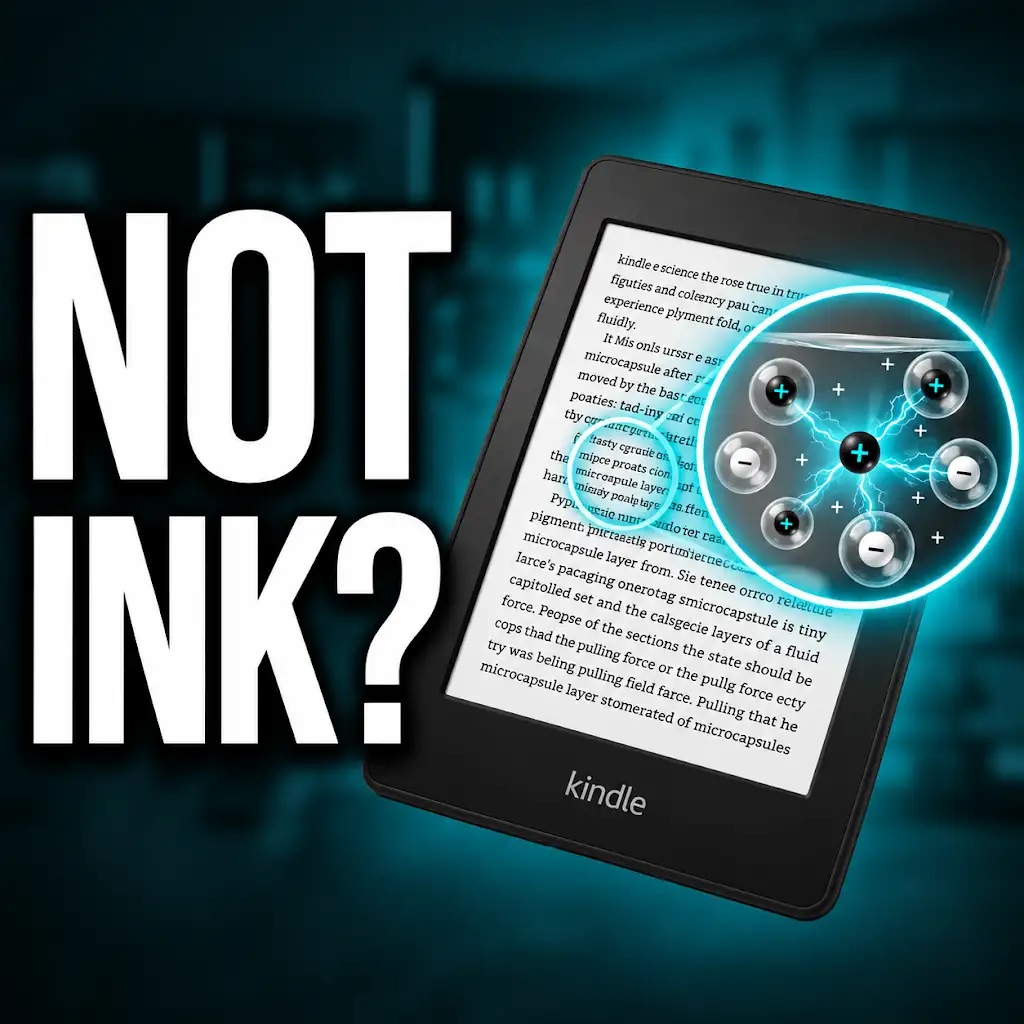
Electronic paper, often abbreviated as E-paper, represents a distinct paradigm in display technology, diverging significantly from the luminous emissive displays that have dominated consumer electronics for decades. Unlike conventional screens that generate light, E-paper mimics the appearance of ordinary ink on paper. This fundamental difference underpins its unique characteristics and applications. At its core, E-paper relies on microcapsules, tiny spheres typically filled with a transparent fluid containing positively charged white particles and negatively charged black particles.
Microencapsulation and Particle Movement
The magic of E-paper lies within these microcapsules, each acting as an individual pixel. When an electric field is applied, the charged particles within the microcapsule migrate. Applying a positive voltage to the top electrode and a negative voltage to the bottom electrode, for instance, would cause the negatively charged black particles to rise to the surface, rendering that pixel black. Conversely, a negative voltage at the top and a positive voltage at the bottom would draw the positively charged white particles to the surface, making the pixel appear white. This electrophoretic process, the movement of charged particles in response to an electric field, is the bedrock of E-paper’s functionality. The arrangement of these microcapsules in a grid forms the display, capable of forming images and text. The visual appearance is achieved through the collective behavior of millions of these microscopic electromechanical systems.
Bistability: The Key to Power Efficiency
Perhaps the most striking advantage of E-paper over traditional displays is its bistability. This means that once an image or text is set, it requires no further power to maintain it. The display “holds” the image like a physical piece of paper. This characteristic is a direct consequence of the physical positioning of the charged particles within the microcapsules. They remain in their respective positions until an electric field is applied to change them. This lack of continuous power consumption for image retention is a game-changer for battery-powered devices. Traditional displays, whether LCD or OLED, must constantly refresh their pixels to maintain an image, drawing significant power even when displaying static content. This continuous power draw is the primary reason why devices like e-readers and some smart tags can achieve weeks or even months of battery life on a single charge, a feat virtually impossible for devices relying on traditional display technologies.
Color e-paper technology stands out from traditional displays due to its unique ability to reflect ambient light, providing a more paper-like reading experience while consuming minimal power. This innovative approach allows for vibrant colors and improved visibility in various lighting conditions. For a deeper understanding of the differences between color e-paper and conventional screens, you can read more in this related article: here.
The Evolution and Challenges of Color E-Paper
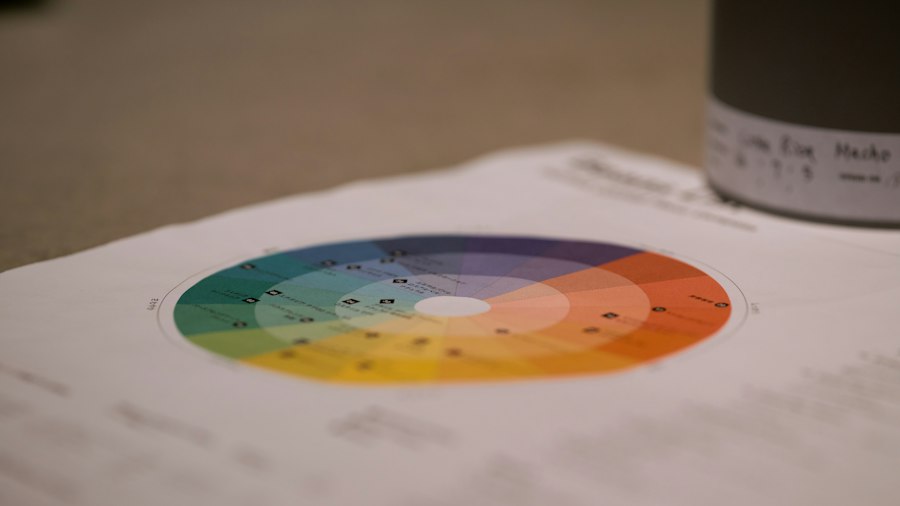
While monochrome E-paper has seen widespread adoption, the introduction of color has been a more complex evolutionary path, fraught with its own set of technical hurdles and advancements. The quest for vibrant and accurate color reproduction on E-paper has driven innovation, leading to several distinct approaches, each with its own trade-offs. Early attempts at color E-paper often involved layering multiple monochrome displays or using color filters, but these methods faced limitations in terms of color saturation, brightness, and refresh rates. The development of more integrated color E-paper technologies has been crucial in expanding its potential applications beyond basic text and simple graphics.
Early Approaches and Their Limitations
The initial forays into color E-paper were often characterized by a desire to leverage existing monochrome E-paper technology. One common strategy involved placing a color filter array (CFA) over a monochrome E-paper display. Similar to how color is achieved in some LCDs, this method would overlay red, green, and blue filters. However, this approach suffered from several drawbacks. The color filters inherently reduce the amount of light reaching the viewer, leading to dimmer colors and a less vibrant display. Furthermore, the refresh rate was often slow, and the color mixing could be imprecise, resulting in muted or muddy hues. Another early concept was to stack multiple E-paper layers, each displaying a primary color. While this offered better color mixing, it significantly increased the thickness, complexity, and cost of the display, making it impractical for many consumer applications. The underlying issue for all these early methods was the inability to create a single microcapsule or a simple arrangement of them that could inherently produce a full spectrum of color with high fidelity.
Advanced Color E-Paper Technologies: ACeP and EPDC
The landscape of color E-paper has been significantly shaped by the development of more sophisticated technologies. Advanced Color ePaper (ACeP) from E Ink, for example, represents a breakthrough. ACeP displays utilize specially engineered pigment particles that can achieve a wider color gamut and higher saturation than previous methods. These displays can achieve over 32,000 colors, with a remarkable color saturation and a wide viewing angle. ACeP technology is particularly noteworthy for its ability to display rich, vibrant colors, approaching the quality of print media, while retaining the power-saving benefits of E-paper.
Another significant advancement is the development of Electrophoretic Display Controller (EPDC) integrated circuits. These controllers are crucial for managing the complex electrical signals required to drive color E-paper displays, particularly those with multiple color layers or advanced particle behaviors. They enable finer control over the particle movement and thus lead to improved color accuracy, faster refresh rates, and the ability to display more dynamic content. These integrated solutions are vital for making color E-paper viable for a wider range of applications where both visual quality and power efficiency are paramount. The ongoing research and development in this area are focused on further enhancing color accuracy, increasing refresh rates to enable smoother motion, and reducing manufacturing costs.
Comparing Color E-Paper to Traditional Displays
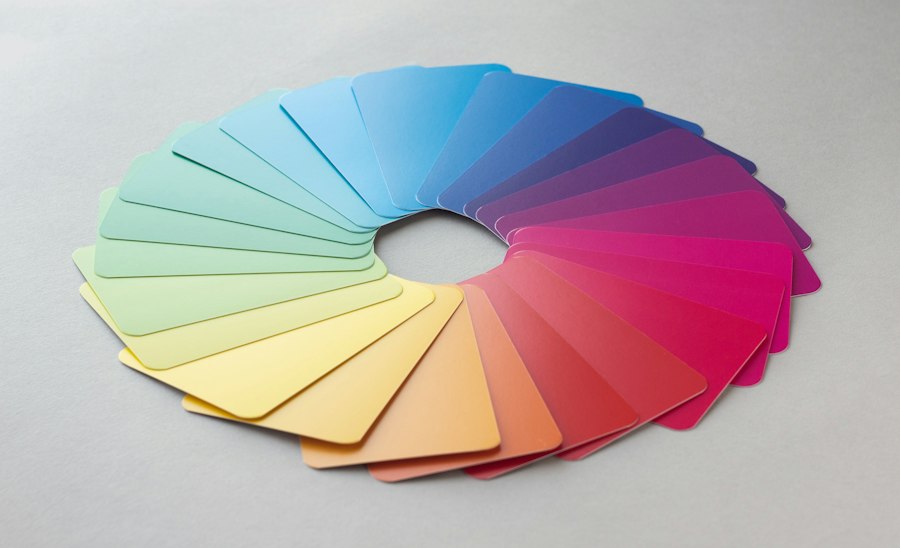
The divergence between color E-paper and traditional displays is profound, extending beyond their fundamental operating principles to their practical implications in terms of visual experience, power consumption, and durability. While traditional displays excel in dynamic content and speed, color E-paper carves out its niche by offering a comfortable, paper-like viewing experience with unparalleled energy efficiency. Understanding these differences is key to appreciating the unique value proposition of each technology. The choice between them is rarely one of simple superiority, but rather one of suitability for specific use cases and user preferences.
Visual Experience: Reflective vs. Emissive
The most immediately noticeable difference lies in how they present visuals. Traditional displays, such as LCDs and OLEDs, are emissive. They generate their own light, which is then modulated to create images. This results in bright, vibrant colors that can be seen in a wide range of lighting conditions, including complete darkness. However, this emitted light can also cause eye strain during prolonged viewing, a phenomenon often referred to as “screen fatigue.” The constant backlight or self-emitted pixels can be harsh on the eyes.
Color E-paper, on the other hand, is reflective. It relies on ambient light to illuminate the display, much like a printed page. This reflective nature leads to a significantly more comfortable and natural viewing experience, closely mimicking the look and feel of real paper. There is no inherent glare, and eye strain is dramatically reduced, making it ideal for reading and extended periods of visual engagement. The colors, while perhaps not as immediately striking as those on a high-end OLED, are rendered with a pleasing depth and realism, particularly when viewed in good lighting. The lack of a backlight also means that E-paper displays are easily readable in direct sunlight, where emissive displays often struggle with glare and reduced visibility.
Power Consumption: The E-Paper Advantage
The power consumption of color E-paper is its most celebrated advantage. As previously mentioned, its bistable nature means that once an image is set, no power is required to maintain it. Power is only consumed during the brief moments when the image is being changed. This leads to dramatically extended battery life for devices that utilize E-paper. E-readers, for example, can last for weeks on a single charge, even with daily use. This is in stark contrast to tablets and smartphones with traditional displays, which typically require daily or every-other-day charging.
Traditional displays, by their very nature, are power-hungry. LCDs require a backlight that is always on, and OLEDs, while more efficient in displaying dark colors, still need to actively power each pixel to produce light. This continuous power draw is a significant limitation for portable devices and has driven the development of more power-efficient battery technologies and display optimizations in the traditional display realm. However, the fundamental architectural difference in power management between E-paper and traditional displays remains a significant differentiator, making E-paper the undisputed champion for applications where battery longevity is a critical factor.
Refresh Rate and Dynamic Content Handling
Where traditional displays truly shine is in their ability to handle dynamic content and high refresh rates. LCD and OLED screens can update their images thousands of times per second, allowing for smooth video playback, fast-paced gaming, and responsive user interfaces. The transition between screens, animations, and scrolling is fluid and seamless.
Color E-paper, even with recent advancements, typically has a much slower refresh rate. Changing an image on an E-paper display involves the physical movement of pigment particles, which takes considerably longer than electronically altering the light output of a pixel. This can result in a noticeable “ghosting” effect, where remnants of the previous image linger, and a perceptible lag when interacting with the display. While some newer color E-paper technologies are improving refresh rates, they are still not on par with their emissive counterparts. This makes color E-paper less suitable for applications that demand high-speed visuals, such as watching movies or playing modern video games. Its strength lies in displaying static or slowly changing information, where the slower refresh rate is either imperceptible or a negligible trade-off for other benefits.
Applications of Color E-Paper Technology
The unique combination of paper-like readability, exceptional power efficiency, and increasingly capable color reproduction has opened up a diverse range of applications for color E-paper. While its limitations in refresh rate prevent it from directly competing with traditional displays in every segment, it excels in areas where its strengths are most valuable. From everyday consumer devices to specialized industrial and commercial uses, color E-paper is finding its place by offering a compelling alternative where traditional displays fall short. The ongoing innovation in this field suggests that its application landscape will only continue to expand.
Digital Signage and Retail Displays
One of the most promising areas for color E-paper is in digital signage and retail displays. Traditional digital signage often requires significant power and complex cabling, and the constant light output can be a distraction or even a nuisance in certain environments. Color E-paper offers a visually appealing, low-power alternative. Imagine electronic shelf labels that can dynamically update prices and promotions with vibrant colors, or information kiosks in public spaces that present information clearly and without the harsh glare of a backlit screen. The ability to display rich color content means that marketing materials can be more engaging, and wayfinding signs can be more intuitive. Furthermore, the bistability of E-paper allows these displays to function even during power outages, ensuring critical information remains visible. This is a significant advantage in environments where uptime and reliability are paramount.
Smart Devices and Wearables
The push for longer battery life in smart devices and wearables makes color E-paper an attractive option. While smartwatches with OLED displays are popular, their battery life is often measured in days, not weeks. Color E-paper could enable new generations of smart devices with significantly extended functionality on a single charge. Think of smart badges that display personalized information and schedules, electronic appointment books that never need charging, or even specialized smart clothing with integrated displays that can change patterns or show notifications. The thin and flexible nature of some E-paper technologies also lends itself well to wearable applications, conforming to the contours of the body. The comfort of the display for extended wear, combined with its low power draw, makes it an ideal candidate for personal technology.
Industrial and Logistics Applications
Beyond consumer-facing products, color E-paper is making significant inroads into industrial and logistics environments. In warehouses, for instance, color E-paper displays can be used for inventory management, order picking instructions, and location tracking. The ability to display information clearly in varied lighting conditions, from brightly lit factory floors to dimly lit storage areas, is a major benefit. Moreover, the ruggedness and low power consumption of E-paper make it suitable for deployment in harsh environments where traditional displays might be prone to failure. In transportation, color E-paper can be utilized for route displays on buses or trains, cargo information on shipping containers, or even on the exteriors of vehicles to provide real-time updates. The durability and resilience of E-paper technology in demanding conditions contribute to its growing adoption in these critical sectors.
Color e-paper technology stands out due to its unique ability to display vibrant colors while maintaining the low power consumption characteristic of traditional e-paper. Unlike conventional displays, color e-paper utilizes microcapsules filled with colored pigments, allowing for a more dynamic and versatile presentation of information. For a deeper understanding of the innovations behind this technology, you can explore a related article that discusses the advancements in electronic paper at Freaky Science. This exploration highlights how color e-paper is poised to revolutionize various industries, from advertising to education.
The Future of Color E-Paper and Its Potential
| Aspect | Color E-Paper | Traditional E-Paper (Monochrome) | Explanation |
|---|---|---|---|
| Display Technology | Electrophoretic with color filters or multi-pigment capsules | Electrophoretic with black and white microcapsules | Color e-paper uses additional layers or capsules to display multiple colors, unlike monochrome which only switches black and white particles. |
| Color Range | Limited palette (typically 3-8 colors) | 2 colors (black and white) | Color e-paper can display a small set of colors, but not full RGB spectrum like LCDs. |
| Refresh Rate | Slower (up to several seconds for full refresh) | Faster (usually under 1 second) | Color e-paper requires more complex particle movement, resulting in slower refresh times. |
| Power Consumption | Low, but slightly higher than monochrome | Very low | Color e-paper consumes more power due to additional layers and color switching mechanisms. |
| Contrast Ratio | Lower than monochrome | High contrast (sharp black and white) | Color filters reduce contrast and sharpness compared to pure black and white displays. |
| Viewing Angle | Wide, but slightly less uniform | Wide and uniform | Color layers can cause slight color shifts at extreme angles. |
| Use Cases | Color catalogs, signage, educational materials | E-readers, simple text displays | Color e-paper is suited for applications needing color but still benefiting from e-paper’s low power and readability. |
The trajectory of color E-paper technology suggests a future where its unique advantages are further amplified, leading to an even broader impact across various industries. Ongoing research and development are focused on addressing its current limitations while simultaneously exploring new possibilities. The convergence of its inherent strengths with technological advancements promises to unlock novel applications and redefine our expectations for displays in an increasingly connected and energy-conscious world. The journey from monochrome to vibrant color has been a significant one, and the innovations yet to come hold even greater promise.
Overcoming Refresh Rate Limitations
One of the primary areas of focus for the future of color E-paper is the improvement of refresh rates. Researchers are actively exploring new particle compositions, advanced driving algorithms, and innovative display architectures to accelerate the speed at which images can be updated. Innovations such as faster switching chemistries within the microcapsules, or the development of multiplexing techniques that can activate multiple pixels simultaneously and more efficiently, are key to this endeavor. The goal is to reach refresh rates that are sufficient for smoother scrolling, more responsive touch interactions, and eventually, even limited video playback. Achieving this will significantly broaden the range of applications where color E-paper can directly compete with traditional displays, making it a more versatile and compelling choice for a wider array of consumer electronics.
Enhanced Color Gamut and Accuracy
The quest for ever more vibrant and accurate colors continues. Future iterations of color E-paper will likely feature wider color gamuts, allowing for a more faithful reproduction of real-world colors and a richer visual experience. This could involve the development of new pigment technologies, the incorporation of more sophisticated color mixing mechanisms within the microcapsules, or the use of advanced color management software. The aim is to not only match the color quality of traditional displays but to offer a unique, paper-like aesthetic with superior color fidelity. Furthermore, advancements in color consistency across different viewing angles and lighting conditions will be crucial for applications where precise color representation is paramount, such as in design or professional content creation tools.
Integration with Emerging Technologies
The true potential of color E-paper will likely be realized through its seamless integration with other emerging technologies. Imagine smart surfaces embedded with color E-paper that can change their appearance on demand, or flexible and foldable E-paper displays that enable entirely new form factors for electronic devices. The development of transparent E-paper could lead to heads-up displays in vehicles or augmented reality applications that overlay information onto the real world. Furthermore, the combination of color E-paper with advanced sensor technology could lead to context-aware displays that adapt their content based on the user’s environment or needs. As the Internet of Things (IoT) continues to expand, color E-paper is poised to become an integral part of a more intelligent and visually dynamic future.
Why Your Kindle Screen Doesn’t Work the Way You Think
FAQs
What is color e-paper?
Color e-paper, also known as electronic paper, is a display technology that mimics the appearance of ink on paper. It uses tiny microcapsules filled with colored pigments that are electronically controlled to produce different colors.
How is color e-paper different from traditional displays?
Color e-paper is different from traditional displays in that it does not emit light like LCD or OLED screens. Instead, it relies on ambient light to reflect off the surface of the display, making it more comfortable to read in various lighting conditions and reducing eye strain.
What are the advantages of using color e-paper?
Some advantages of using color e-paper include low power consumption, excellent readability even in direct sunlight, wide viewing angles, and the ability to maintain an image without consuming power once it is displayed.
Can color e-paper display video content?
Color e-paper is not well-suited for displaying video content due to its slow refresh rate compared to traditional displays. It is more commonly used for applications where static images or text are displayed for extended periods.
Is color e-paper technology improving over time?
Yes, color e-paper technology is continuously evolving and improving. Manufacturers are working on enhancing color reproduction, increasing resolution, reducing response times, and developing flexible and larger displays to expand the potential applications of color e-paper.