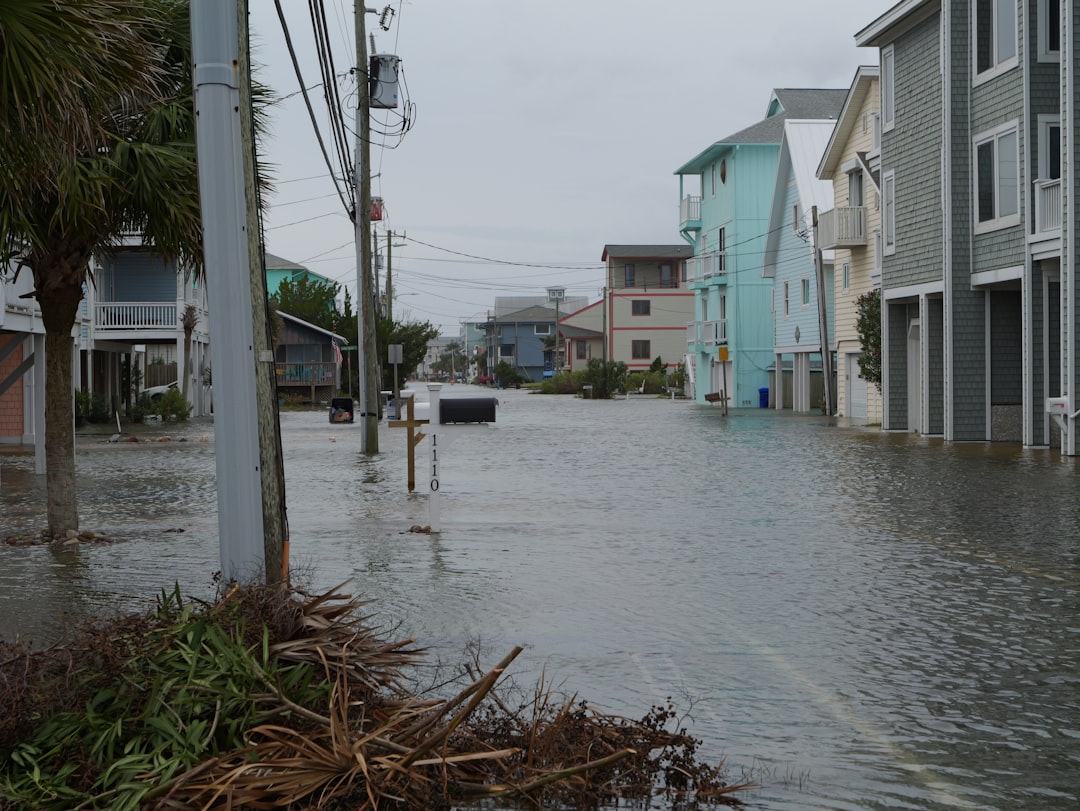
The Atlantic Meridional Overturning Circulation (AMOC) plays a vital role in regulating Earth’s climate by transporting heat from the tropics towards the North Atlantic. Recent scientific evidence points towards a potential weakening of this crucial ocean current system, raising significant concerns about its implications for coastal flood risk. This article will explore the AMOC’s function, the evidence for its weakening, its connection to increased flooding, and the potential future impacts researchers are preparing for.
The Ocean’s Thermohaline Engine
The AMOC is a large-scale system of ocean currents that acts like a massive conveyor belt, driven by differences in water density, which are in turn influenced by temperature and salinity. In simpler terms, it’s the ocean’s way of circulating heat and moderating global temperatures. This complex interplay of forces is often referred to as the thermohaline circulation, a combination of the Greek words for “heat” and “salt.”
Northward Heat Transport: A Climatic Regulator
The primary function of the AMOC is to transport warm, salty water from the tropics northward, primarily through the Gulf Stream. As this warm water reaches higher latitudes, it cools down. When it cools, it becomes denser. Surface winds then push this denser, cooler water downwards in the North Atlantic, a process known as deep water formation. This sinking water then flows southwards at depth, completing the loop. This northward flow of heat is instrumental in keeping Northern Europe and parts of North America milder than they would otherwise be at their respective latitudes. Without this thermal redistribution, your winter coat might need to be considerably thicker.
Salinity’s Crucial Role: The Density Dial
Salinity plays a critical role in driving the AMOC. As the warm, salty water moves north, evaporation occurs, increasing the concentration of salt. When this water cools and becomes denser, its increased salinity further enhances its tendency to sink. Freshwater input, such as from melting ice sheets or increased rainfall, can reduce the salinity of surface waters. This reduction in salinity can act as a brake on the sinking process, potentially slowing down the entire circulation. Imagine diluting a strong brine; it becomes less dense.
The AMOC as a Climate System Component
The AMOC is not an isolated phenomenon; it is intrinsically linked to the global climate system. Its strength and stability influence weather patterns, sea surface temperatures, and the distribution of marine life. Changes in the AMOC can have cascading effects, propagating far beyond the immediate regions of its circulation. Scientists view the AMOC as a critical component of Earth’s climate machinery, and alterations to its operation are a cause for scientific attention.
Recent studies have highlighted the increasing coastal flood risk associated with the weakening of the Atlantic Meridional Overturning Circulation (AMOC). As the AMOC slows, it can lead to higher sea levels along the eastern coast of North America, exacerbating the impacts of storm surges and coastal flooding. For a deeper understanding of these interconnected issues, you can read more in this related article: Coastal Flood Risk and AMOC Weakening.
Evidence for AMOC Weakening: Shifting Currents and Changing Patterns
Paleoclimate Insights: Lessons from the Past
Evidence for past fluctuations in the AMOC comes from a variety of paleoclimate archives. Geologists, oceanographers, and climate scientists examine ice cores from Greenland and Antarctica, sediment cores from the ocean floor, and fossilized marine organisms to reconstruct past climate conditions. These records reveal periods of significant AMOC disruption, often linked to natural climate shifts. The study of these past events provides a crucial baseline for understanding the potential consequences of current changes. It’s akin to studying historical blueprints to understand how a building might react during a storm.
Modern Observations: An Unfolding Narrative
In recent decades, a growing body of observational data has suggested that the AMOC is indeed weakening. Oceanographic measurements, including those from buoys, research vessels, and satellite-based sensors, have documented changes in ocean currents, sea surface temperatures, and salinity levels in key regions of the North Atlantic. These direct measurements provide a real-time glimpse into the AMOC’s evolving state.
Sea Surface Temperature Anomalies: Cold Spots and Warm Pockets
One of the observable signs of a weakening AMOC is the emergence of distinctive sea surface temperature (SST) patterns. Scientists have noted a pronounced cooling trend in a region of the North Atlantic known as the “North Atlantic cold blob” or “North Atlantic warming hole.” This paradoxically cool patch, situated south of Greenland, is thought to be a consequence of reduced heat transport by a weakening AMOC. Conversely, areas to the south of this cold region may experience warming. These SST anomalies are like fingerprints left by the changing circulation.
Salinity Shifts: The Freshwater Influx Factor
Changes in salinity are another key indicator. Increased melting of the Greenland ice sheet and amplified precipitation in the North Atlantic region can introduce significant amounts of freshwater into the ocean. This influx of freshwater effectively dilutes the surface waters, reducing their salinity and making them less dense. This process directly interferes with the sinking of water that drives the AMOC’s deep southward flow. Think of adding too much water to a recipe; the intended consistency is altered.
Greenland Ice Melt: A Double-Edged Sword
The accelerating melt of the Greenland ice sheet, itself a consequence of global warming, is a particularly concerning factor contributing to potential AMOC weakening. As vast quantities of ice melt into the ocean, they release enormous amounts of cold, fresh water. This freshwater acts as a potent diluent, disrupting the formation of dense, salty water necessary for the AMOC to function efficiently. The consequences of climate change are, in this instance, directly undermining a critical climate regulator.
Coastal Flood Risk Escalation: The AMOC’s Indirect Influence
Sea Level Rise: A Persistent Threat
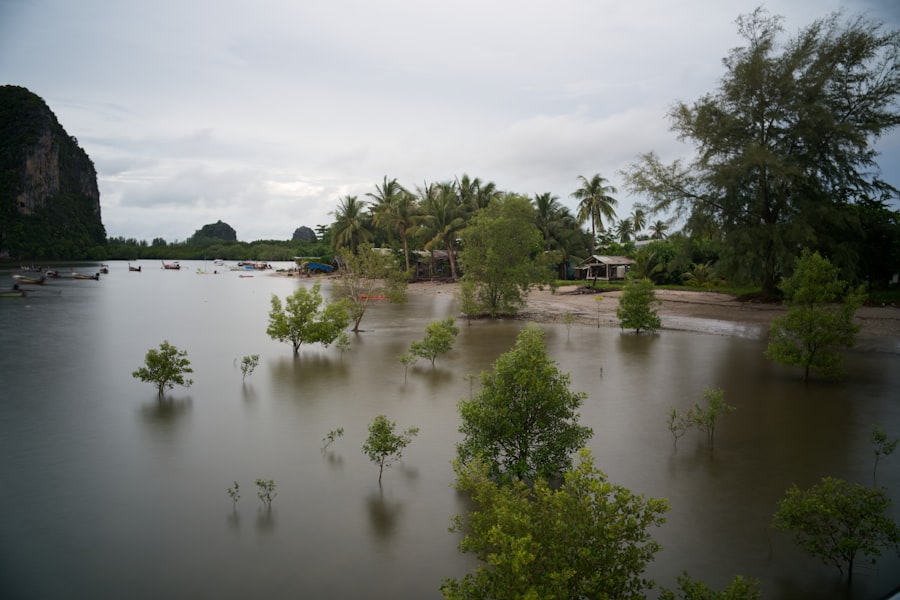
Coastal communities around the world are already contending with rising sea levels. This phenomenon is primarily driven by thermal expansion of ocean water as it warms and the melting of glaciers and ice sheets. However, the AMOC’s influence on regional sea levels can exacerbate this global trend, particularly along the eastern seaboard of North America.
Sea Level Fingerprints: Regional Variations
A weakening AMOC can lead to regional variations in sea level rise. As the AMOC slows, the warm water it typically transports northwards can pool in other areas. This pooling of warmer, and therefore more expanded, water can lead to higher sea levels in regions like the U.S. East Coast. This phenomenon is often referred to as an “oceanographic fingerprint” of AMOC changes. It’s like a kink in a hosepipe causing water to back up in one section while reducing flow elsewhere.
Increased Storm Surge Intensity: The Perfect Storm
The combination of higher baseline sea levels and a weakening AMOC can significantly amplify the impact of storm surges. Storm surges, the abnormal rise of water generated by a storm’s winds and low-pressure system, are a primary driver of coastal flooding. When storm surges meet already elevated sea levels, the inundation can be far more severe and extensive. A weakened AMOC, by contributing to higher sea levels, essentially raises the “canvas” upon which storm surges paint their destructive floodwaters.
Changes in Atmospheric Circulation: Weather Pattern Shifts
Changes in the AMOC are also linked to alterations in atmospheric circulation patterns. These shifts can influence the frequency, intensity, and tracks of storms, including nor’easters that frequently batter the East Coast. Some research suggests that a weaker AMOC could lead to an increase in the number or intensity of such storms in certain regions, further increasing coastal flood risk. The AMOC is like a giant thermostat for the atmosphere; when it’s turned down, the weather patterns can become more erratic and extreme.
Coastal Erosion: Undermining Defenses
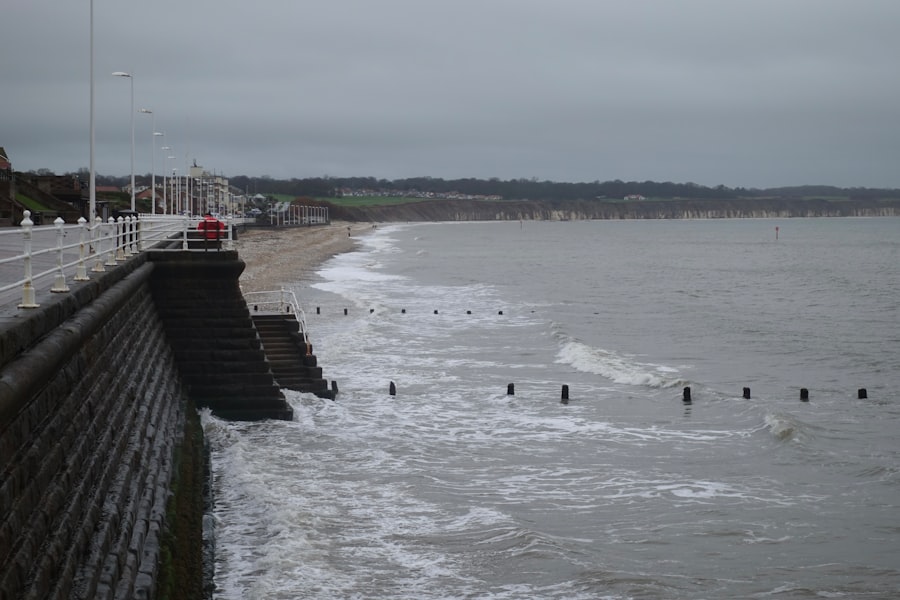
Increased flooding frequency and intensity, driven in part by AMOC-related sea level rise and storminess, can accelerate coastal erosion. This erosion weakens natural defenses like beaches and dunes, making coastal communities even more vulnerable to future inundation. The relentless battering of waves and storm surges can slowly but surely devour the land.
Projected Impacts and Future Scenarios: Preparing for the Unknown
Climate Model Projections: A Glimpse into the Future
Climate models are sophisticated tools that scientists use to simulate the Earth’s climate system and project future changes. These models, incorporating our understanding of the AMOC and its potential tipping points, suggest a range of possible outcomes depending on global greenhouse gas emissions. Some models indicate a significant weakening or even a potential shutdown of the AMOC within this century, while others suggest a more gradual decline. The accuracy of these projections is a subject of ongoing research.
Tipping Points and Irreversible Changes: Crossing the Rubicon
A major concern surrounding AMOC weakening is the possibility of reaching a “tipping point.” This refers to a threshold beyond which the system could undergo abrupt and potentially irreversible changes. If the AMOC were to collapse, the consequences for global climate and sea levels could be severe and long-lasting. Crossing such a tipping point would be like pushing a domino that triggers a chain reaction, and the final state might be very different from the initial one.
Regional Consequences: A Patchy Impact
The impacts of AMOC weakening are not expected to be uniform across the globe. Regions in the North Atlantic, particularly the eastern seaboard of North America and Northern Europe, are likely to experience the most pronounced effects. This could include significant sea level rise, altered precipitation patterns, and more extreme weather events. Other regions might experience different consequences or even some localized benefits, though the overall disruption is a global concern.
Adaptation and Mitigation Strategies: Building Resilience
In the face of these potential threats, coastal communities are increasingly focusing on adaptation and mitigation strategies. Adaptation involves adjusting to current or expected future climate impacts, such as building sea walls, restoring wetlands, and relocating infrastructure. Mitigation, on the other hand, focuses on reducing greenhouse gas emissions to limit the extent of future warming and its associated impacts, including the weakening of the AMOC.
International Cooperation and Research: A Shared Challenge
Understanding and responding to the threat of AMOC weakening requires significant international cooperation and continued scientific research. Sharing data, collaborating on model development, and investing in oceanographic observation systems are crucial steps. The AMOC is a global system, and its future is a shared responsibility.
Recent studies have highlighted the increasing coastal flood risk associated with the weakening of the Atlantic Meridional Overturning Circulation (AMOC). This phenomenon not only affects ocean temperatures but also contributes to rising sea levels, making coastal areas more vulnerable to flooding. For a deeper understanding of the implications of AMOC weakening on coastal regions, you can explore a related article that discusses these critical issues in detail. The article can be found here, providing valuable insights into the ongoing research and potential future scenarios.
Conclusion: Navigating Uncertain Waters
| Metric | Description | Value/Range | Unit | Relevance to Coastal Flood Risk and AMOC Weakening |
|---|---|---|---|---|
| AMOC Strength | Atlantic Meridional Overturning Circulation intensity | ~16 ± 3 | Sverdrups (Sv) | Weaker AMOC reduces heat transport, influencing sea level rise along US East Coast |
| Sea Level Rise (US East Coast) | Relative sea level increase influenced by AMOC changes | 10-30 | cm (by 2100) | AMOC weakening can cause regional sea level rise above global average, increasing flood risk |
| Storm Surge Height Increase | Increase in storm surge height due to higher baseline sea levels | 0.1-0.5 | m | Higher sea levels from AMOC weakening exacerbate coastal flooding during storms |
| Frequency of Coastal Flooding Events | Number of flood events per year | 2-5 (current), projected up to 10+ | events/year | Increased sea levels and storm intensity raise flood frequency |
| Coastal Population at Risk | Number of people living in flood-prone coastal areas | ~50 million (US East Coast) | people | Higher flood risk threatens large populations due to AMOC-related sea level rise |
| Global Mean Sea Level Rise | Average global sea level increase | 0.3-0.6 | m (by 2100) | Baseline for regional changes; AMOC weakening causes regional deviations |
The potential weakening of the Atlantic Meridional Overturning Circulation presents a significant and complex challenge for coastal communities. While the exact timing and magnitude of future changes remain subjects of active scientific investigation, the accumulating evidence points towards a real and growing threat. The AMOC, a vital component of our planet’s climate regulation system, appears to be responding to the pressures of a warming world. Its subtle, yet powerful, influence on ocean currents and heat distribution directly impacts sea levels and storminess, making coastal regions increasingly vulnerable.
As sea levels continue their inexorable rise, the subtle shifts in the AMOC act like a multiplier, amplifying the danger. Imagine a ship already listing in rough seas; a subtle shift in the underlying currents could push it closer to capsizing. The increased pooling of warmer water along coastlines, a direct consequence of a sluggish AMOC, acts as an insidious partner to the broader phenomenon of thermal expansion. It’s not just about the water getting warmer; it’s about where that warmer water ends up.
The threat is not solely about the gradual accumulation of water but also about the intensification of transient events. Storm surges, the sudden and dramatic inundations associated with severe weather, are rendered far more destructive when they encounter higher baseline sea levels, a situation exacerbated by AMOC changes. The storm, in this analogy, becomes a more potent weapon when the target is already elevated. Furthermore, the AMOC’s intricate connection to atmospheric patterns means that changes in this ocean current can subtly, or not so subtly, alter the very weather systems that threaten our coasts. The frequency and ferocity of storms can be influenced, creating a double whammy of increased flood risk.
The scientific community employs sophisticated climate models to peer into the future, attempting to chart the course of the AMOC. These models, while powerful, are not crystal balls. They project a spectrum of possibilities, ranging from a significant slowdown to a more dramatic collapse. The concept of “tipping points” looms large in these projections – thresholds beyond which the AMOC’s behavior could shift abruptly and permanently. Reaching such a point would be like turning a key that unlocks a cascade of potentially irreversible climate changes, fundamentally altering the world as we know it.
The impacts will not be felt uniformly. The North Atlantic region, particularly the eastern seaboard of North America and parts of Europe, stands at the forefront of these potential changes. Elevated sea levels, altered rainfall patterns, and more extreme weather are all on the horizon for these areas. Yet, the interconnectedness of the global climate system means that changes in the AMOC will inevitably ripple outwards, affecting weather patterns and ocean circulation far beyond its immediate reach.
In response, coastal communities are increasingly embracing resilience. Adaptation strategies, such as bolstering coastal defenses and restoring natural protective barriers like wetlands, are essential for managing the immediate and foreseeable risks. Simultaneously, the urgent need for mitigation—the reduction of greenhouse gas emissions—remains paramount. Limiting global warming is the most effective way to slow down the forces that are pushing the AMOC towards weakening and to mitigate the most severe long-term consequences.
The challenge posed by the AMOC is a global one, demanding a coordinated international response. Continued investment in scientific research, the sharing of data and insights, and collaborative efforts to monitor the ocean are not just advisable; they are imperative. The Atlantic Meridional Overturning Circulation is a testament to the intricate and interdependent nature of Earth’s climate system. Ignoring its potential recalibration is akin to navigating a ship towards a known reef without adjusting course. The time to understand, prepare, and act is now, as the currents of change continue to flow.

WARNING: The Ocean Conveyor Belt Is Already Collapsing
FAQs
What is coastal flood risk?
Coastal flood risk refers to the potential for flooding in coastal areas due to factors such as storm surges, high tides, sea level rise, and extreme weather events. It can lead to property damage, loss of life, and environmental impacts.
What is the Atlantic Meridional Overturning Circulation (AMOC)?
The AMOC is a large system of ocean currents in the Atlantic Ocean that transports warm water from the tropics to the North Atlantic and returns cold water southward at deeper levels. It plays a crucial role in regulating climate and weather patterns.
How does AMOC weakening affect coastal flood risk?
A weakening of the AMOC can lead to regional sea level rise along the U.S. East Coast and parts of Europe, increasing the risk of coastal flooding. It may also influence storm patterns and intensities, further exacerbating flood hazards.
What are the main causes of AMOC weakening?
AMOC weakening is primarily caused by factors such as increased freshwater input from melting ice sheets and glaciers, rising ocean temperatures, and changes in salinity. These factors disrupt the density-driven circulation that powers the AMOC.
How can communities prepare for increased coastal flood risk related to AMOC changes?
Communities can prepare by improving coastal defenses, implementing early warning systems, adopting sustainable land use planning, and investing in infrastructure resilience. Monitoring AMOC changes and integrating scientific data into risk assessments are also important for effective adaptation.