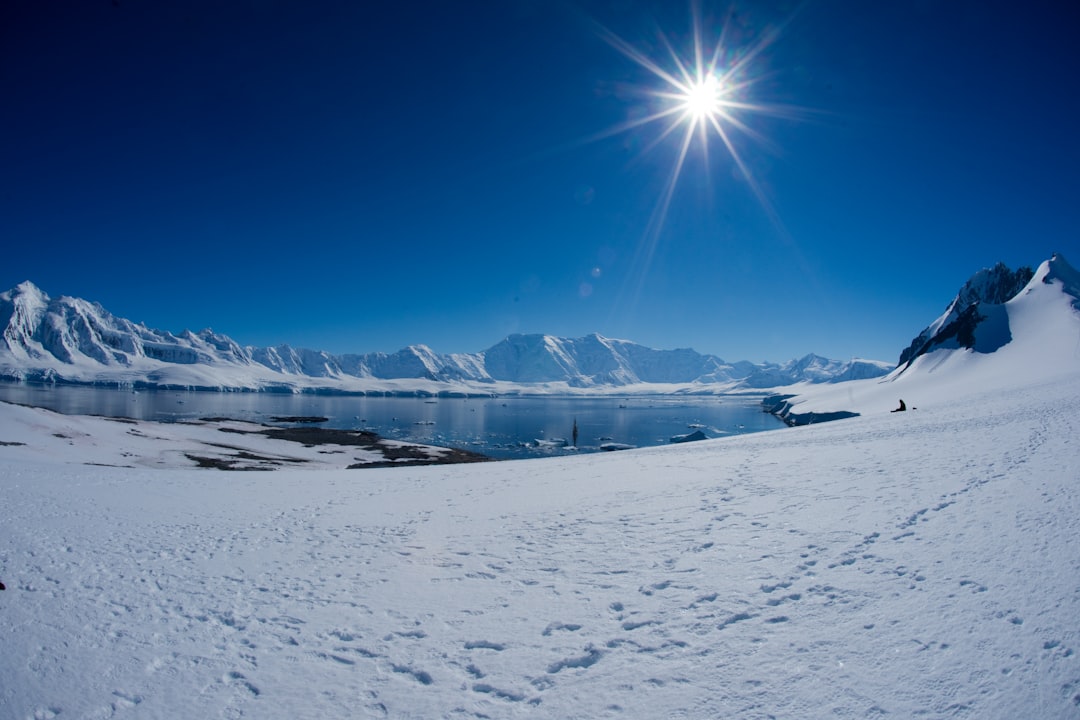
The Antarctic, a continent shrouded in ice and mystery, holds within its frigid embrace a symphony unlike any other. Far from the cacophony of human civilization, this desolate landscape resonates with a unique set of sounds, often overlooked yet profoundly captivating. This article delves into the chilling beauty of Antarctic ice sounds, exploring the diverse auditory phenomena that emanate from the world’s coldest continent and the scientific endeavors undertaken to capture and understand them.
The Antarctic’s sonic tapestry is not one of silence, but rather of a subtle and often awe-inspiring auditory environment. For centuries, explorers and scientists have documented the visual grandeur of the polar regions, but the acoustic realm remained largely unexplored until recent decades. It is in this realm that the true character of the ice, in its myriad forms, begins to reveal itself through sound. From the vast, seemingly inert ice sheets to the dynamic, ever-shifting glaciers and the crystalline structures of sea ice, each component contributes to a complex and evolving soundscape.
The Grandeur of Glaciers: A Symphony of Movement
Glaciers, the colossal rivers of ice that dominate the Antarctic landscape, are not the silent monoliths they appear to be. Their immense mass, constantly in motion, generates a range of audible phenomena. The slow, inexorable crawl of ice down slopes, the calving of icebergs into the frigid waters, and the internal stresses within the ice itself all contribute to a rich auditory experience.
Groans and Creaks: The Internal Dialogue of Glaciers
The internal mechanics of a glacier are a constant source of sound. As immense pressures build within the ice, often due to temperature fluctuations and the sheer weight of overlying ice, the frozen mass begins to articulate its stress. These are the groans and creaks, subtle at first, that can escalate into more profound rumblings. Scientists have likened these sounds to the immense timbers of an old ship creaking under strain, a testament to the colossal forces at play. These internal stresses are often indicative of movement and the ongoing transformation of the glacier’s structure.
Understanding Crevasses and Seracs: Points of Acoustic Vulnerability
Crevasses, deep fissures that crisscross the glacier’s surface, are not only visually dramatic but also acoustically significant. The ice around the edges of a crevasse is under tension, and as it stretches and thins, it can produce sharp cracking sounds. Seracs, blocks of ice that have broken off from a larger mass and are often found near crevasses, can also emit sounds as they shift and settle. The subtle movements and adjustments of these features contribute to the overall acoustic signature of a glacier.
Calving Icebergs: The Roar of Dissolution
Perhaps the most spectacular and audible event associated with glaciers is iceberg calving. When a glacier’s leading edge reaches the sea, the forces of buoyancy and meltwater can cause massive sections of ice to break off and float into the ocean. This dramatic process is accompanied by a deafening roar, a thunderous explosion of sound as the iceberg detaches and crashes into the water, sending waves and sprays in its wake. The sheer volume of displaced water and the impact of the ice create a sound that can be heard for miles.
The Acoustic Signatures of Iceberg Formation: A Glimpse into the Future
The sounds generated during calving are not just auditory experiences for those present; they also provide valuable data for scientists. By analyzing the frequency and intensity of these sounds, researchers can gain insights into the stability of glaciers and ice shelves, and even predict future calving events. This acoustic monitoring becomes a crucial tool in understanding the dynamics of ice loss in a warming world.
Recent studies have shown that the sounds produced by Antarctic ice can provide valuable insights into the dynamics of climate change. These ice sounds, which include cracking and shifting noises, are not only fascinating but also serve as indicators of the health of ice sheets. For more information on this intriguing topic, you can read the related article here: Antarctic Ice Sounds.
Sea Ice Sonnets: The Articulation of Frozen Oceans
The frozen expanse of Antarctic sea ice, while appearing as a continuous, solid surface from a distance, is a dynamic and acoustically active environment. The formation, fracturing, and melting of sea ice are all processes that generate a spectrum of sounds, painting a sonic picture of the ocean’s seasonal transformations.
The Music of Freezing: Clicks, Pops, and Whistles
As the ocean surface begins to freeze, a fascinating array of sounds emerges. The formation of ice crystals, the expansion of water as it turns to ice, and the trapped air bubbles within the ice all contribute to a delicate symphony of clicks, pops, and whistles. These sounds can be particularly pronounced during periods of rapid temperature change. On a still night, with a sensitive hydrophone deployed below the ice, one can discern a delicate and intricate musicality, a testament to the molecular dance of freezing water.
Diatoms and Algae: The Microscopic Orchestrators?
While the primary sources of sea ice sounds are physical processes, some researchers have speculated about the potential role of microscopic organisms, such as diatoms and algae, in contributing to these sounds. As these organisms inhabit the brine channels within the sea ice, their metabolic processes and movement could potentially generate subtle acoustic emissions. While this remains an area of active investigation, it highlights the intricate web of biological and physical interactions that shape the Antarctic soundscape.
Fracturing and Ridging: The Jagged Edges of Sound
The relentless forces of wind, currents, and thermal expansion cause sea ice to fracture and deform. When large floes collide, they can form pressure ridges, jagged piles of ice that rise above the surrounding surface. These events are accompanied by loud, percussive sounds – groans, cracks, and grinding noises – that can be heard from a considerable distance. The sound of fracturing ice is often described as sharp and violent, a visceral reminder of the raw power of nature.
The Echoes of Underice Currents: A Subterranean Orchestra
Beneath the surface, the interaction of ocean currents with the underside of the sea ice can also generate intriguing acoustic phenomena. The flow of water, particularly when encountering irregularities or trapped air pockets, can produce a range of sounds, from low rumbles to higher-pitched hums. These underice currents contribute to a subterranean orchestra, a hidden sonic dimension that is only accessible through specialized acoustic equipment.
The Iceberg’s Lament: A Farewell in Sound
Icebergs, detached giants of glacial ice, continue to sing their songs even as they drift away from their parent glaciers. As they melt and erode in the warmer waters of the Southern Ocean, they release trapped gases, fracture, and reshape themselves, each process contributing to a unique acoustic signature.
Dissolution and Degradation: The Slow Unraveling
The slow process of iceberg melt and degradation is not silent. As the ice melts from the sun and warmer water, it releases trapped gases that can escape in a series of bubbles, creating a continuous hiss or fizzing sound. This is often accompanied by smaller cracks and pops as the ice structure weakens and adjusts to the changing conditions. It is a slow, melancholic elegy for its lost grandeur.
The Resonant Frequencies of Iceberg Caves: A Natural Instrument
Many large icebergs develop intricate cave systems as they melt. These cavities can act as natural resonating chambers. As waves crash against the iceberg and wind blows through these openings, the ice can produce a variety of resonant sounds, sometimes described as mournful moans or haunting whistles. These “iceberg organs” are a testament to the complex interplay of water, wind, and ice.
The Perilous Journey: Sounds of Submergence and Collapse
As icebergs melt and become unstable, they can undergo dramatic shifts in buoyancy. This can lead to partial or complete submergence, accompanied by loud groans and cracking sounds as the ice redistributes its mass. In extreme cases, large sections of an iceberg can collapse, creating a surge of water and a thunderous roar that signals its demise. These events, while dangerous, are powerful demonstrations of the forces at play.
The Antarctica Soundscape: A Realm for Scientific Exploration
The study of Antarctic ice sounds, a discipline known as cryoseismology or glacioseismology, has gained significant traction in recent years. Researchers are deploying an array of sensitive instruments, from underwater microphones (hydrophones) to seismic sensors, to capture and analyze these unique acoustic emissions.
Hydrophones and Seismometers: The Ears of the Antarctic
Hydrophones, designed to detect sound underwater, are crucial for capturing the sounds emanating from sea ice and submerged glacier faces. These instruments can be deployed on the ice surface, tethered to buoys, or even lowered into the water column. Seismometers, typically used to detect earthquakes, are also employed to record the vibrations caused by ice movement and fracturing. By analyzing the data from these instruments, scientists can infer information about the physical processes occurring within and around the ice.
Remote Sensing and Acoustic Monitoring: A Glimpse into Unseen Processes
The vastness and inaccessibility of Antarctica make direct observation challenging. Acoustic monitoring, however, offers a way to remotely “listen” to the ice and gain insights into processes that might otherwise go unnoticed. The patterns of sound can reveal information about ice thickness, the presence of meltwater below the ice, and the movement and stability of glaciers.
Unraveling the Secrets: What the Ice Sounds Tell Us
The analysis of Antarctic ice sounds provides a wealth of scientific information. Researchers can identify different types of ice events – calving, fracturing, melting – based on their distinct acoustic signatures. This data is invaluable for understanding climate change, predicting ice shelf collapse, and monitoring the health of the Antarctic ecosystem. The sounds themselves become a language, a direct communication from the ice that speaks of its internal state and its dynamic interaction with the environment.
The Future of Antarctic Acoustics: Towards a Deeper Understanding
As technology advances, the potential for acoustic research in Antarctica continues to expand. Networks of sensors are being deployed to provide continuous monitoring, and advanced algorithms are being developed to interpret the vast amounts of data collected. The ongoing study of Antarctic ice sounds promises to unlock even deeper secrets of this enigmatic continent, revealing a world of acoustic beauty and scientific wonder.
Recent studies have revealed fascinating insights into the sounds produced by Antarctic ice, shedding light on the dynamic processes occurring in this remote region. These sounds, which can range from cracking and groaning to more melodic tones, provide valuable information about ice movement and climate change. For a deeper understanding of the science behind these acoustic phenomena, you can explore a related article that discusses the significance of ice sounds in the context of environmental monitoring. To learn more, check out this informative piece at Freaky Science.
The Intrinsic Value of Antarctic Ice Sounds: Beyond the Scientific
While the scientific value of Antarctic ice sounds is undeniable, their importance extends beyond mere data points. There is an inherent aesthetic and philosophical dimension to these sonic phenomena. The raw, untamed nature of these sounds evokes a profound sense of awe and wonder. They speak of immense timescales, of geological forces, and of the sheer power and resilience of the natural world.
The Emotional Resonance of a Frozen Landscape
For those who have experienced the Antarctic, the sounds of the ice can evoke powerful emotional responses. The booming of a calving iceberg can be both terrifying and exhilarating, while the subtle cracks and pops of sea ice can create a sense of peaceful solemnity. These sounds connect us to a primordial world, a realm untouched by human artifice, reminding us of our place within the grand tapestry of nature.
A Call to Conservation: Listening to a Changing Planet
In an era of accelerating climate change, the sounds of the Antarctic are also a poignant reminder of what is at stake. As glaciers melt at an unprecedented rate and sea ice diminishes, the symphony of the ice is beginning to fade. The changes in these sounds – shifts in frequency, volume, and the disappearance of certain acoustic events – are a bellwether for the health of our planet. Listening to the Antarctic ice is, in a very real sense, listening to a planet in transition, a call to action for conservation and a deeper respect for the natural world.
The chilling beauty of Antarctic ice sounds is a testament to the complex and dynamic nature of our planet. From the groans of ancient glaciers to the delicate whispers of freezing sea ice, these auditory phenomena offer a unique window into the processes that shape the Earth’s most remote continent. As scientific endeavor continues to explore this hidden soundscape, it not only deepens our understanding of glaciology and climate science but also reminds us of the profound and often overlooked beauty that exists in the frozen heart of our world. The symphony of the ice is a melody worth preserving, a vital expression of a planet that continues to sing its story, even in the face of immense change.

The Secret Ocean Layer That Lets Sound Travel for Thousands of Miles
FAQs
What are Antarctic ice sounds?
Antarctic ice sounds are the unique noises produced by the movement and melting of ice in the Antarctic region. These sounds can range from low-frequency groans to high-pitched squeaks and can be heard both above and below the ice.
What causes Antarctic ice sounds?
Antarctic ice sounds are caused by a variety of factors, including the movement of ice sheets and glaciers, the breaking and melting of ice, and the interaction of ice with the surrounding environment. These sounds can also be influenced by the presence of marine life and the physical properties of the ice itself.
How are Antarctic ice sounds studied?
Scientists study Antarctic ice sounds using a variety of techniques, including deploying underwater microphones to record the sounds, using seismic instruments to measure the movement of ice, and conducting field observations to document the sources of the sounds. These studies help researchers better understand the dynamics of the Antarctic ice and its impact on the surrounding environment.
What is the significance of studying Antarctic ice sounds?
Studying Antarctic ice sounds can provide valuable insights into the behavior of ice in the Antarctic region, including its response to climate change and its role in shaping the polar environment. Understanding these sounds can also help researchers monitor the health of ice sheets and glaciers and assess their potential impact on sea level rise.
Can Antarctic ice sounds be used for any practical purposes?
While Antarctic ice sounds are primarily studied for scientific purposes, they can also have practical applications. For example, monitoring the sounds of ice movement and melting can help researchers and policymakers make informed decisions about environmental conservation and climate change mitigation efforts in the Antarctic region.