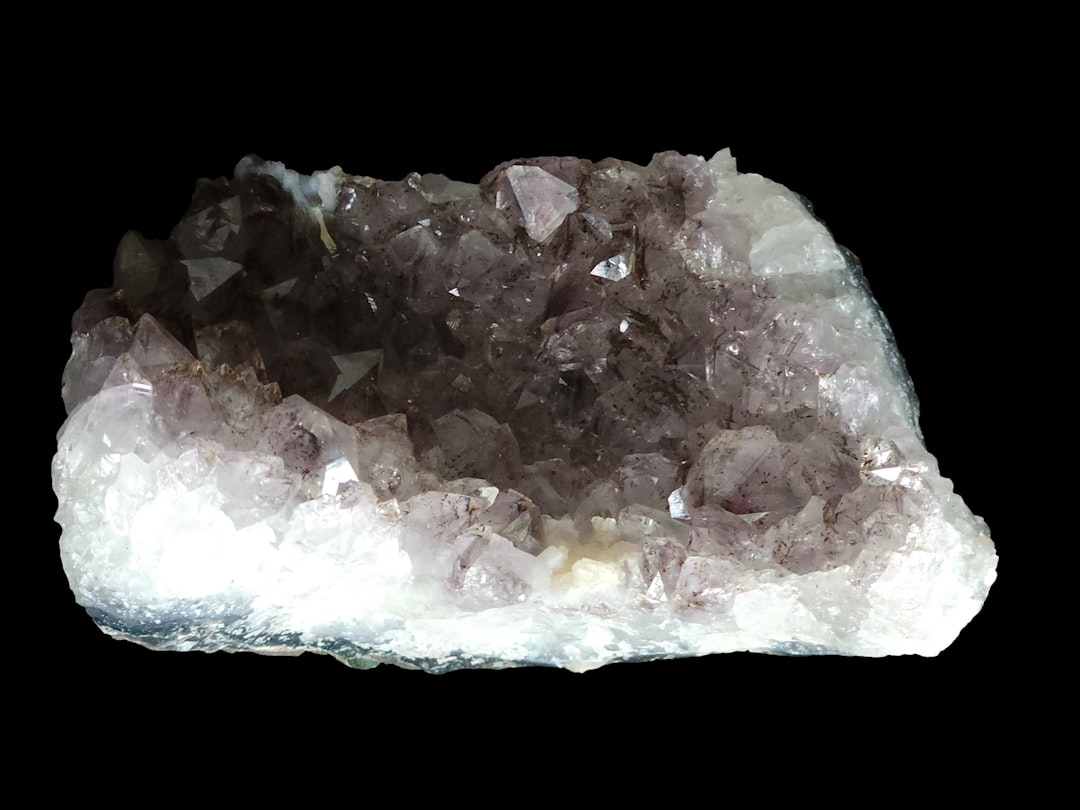
The ocean floor, a realm often perceived as a barren expanse of mud and rock, is, in reality, a dynamic canvas where chemical processes paint intricate and enduring portraits. Concealed beneath the ceaseless currents and the crushing pressure of the deep, authigenic minerals are born. These “chemical skins,” as they might be metaphorically called – layers and accumulations of minerals that precipitate directly from the surrounding seawater and sediment porewaters – are far from static. They are the slow, deliberate architects of the seafloor, recording ancient environmental conditions and shaping the very landscape over geological timescales. Understanding these formations offers a unique window into the Earth’s past and the complex interplay between its lithosphere and hydrosphere.
Authigenic minerals, meaning “self-generating,” are distinct from detrital minerals that are transported from the continents by rivers and currents. Their formation is a testament to the localized chemical conditions in situ, at the very site of their creation. The ocean floor is not a passive recipient of debris; it is an active participant in mineral creation.
Precipitation from Seawater
Seawater itself is a vast reservoir of dissolved ions, a super-saturated brine in many locations, teeming with the building blocks for new mineral structures. When conditions change – be it temperature, pressure, pH, or the concentration of specific dissolved species – these ions can overcome their solubility thresholds and begin to crystallize. This process is akin to letting a solution cool in a laboratory, where dissolved salts will eventually separate from the liquid to form solid crystals; on the seafloor, the forces driving this precipitation are governed by the unique oceanic environment.
Reactions within Sediments
Beyond the surface layer, the porewaters trapped within seafloor sediments present a distinct chemical environment. As organic matter buried within the sediment decomposes, it alters the chemical composition of these porewaters, leading to reactions that favor the precipitation of specific minerals. This is a process of internal transformation, where the buried components begin their own geological cycle.
Influences on Mineral Formation
Several key factors dictate the types and abundance of authigenic minerals that form:
Redox Conditions
The balance between oxidizing and reducing conditions is a critical control. In oxygen-rich environments, minerals like oxides and hydroxides are favored. Conversely, in oxygen-depleted zones, where sulfate reduction or methanogenesis occurs, sulfide minerals and carbonates can precipitate. Imagine oxygen as a “builder” and its absence as a “restructurer” of the mineral world, each promoting different types of construction.
pH and Alkalinity
Variations in pH and alkalinity directly influence the solubility of many minerals, particularly carbonates. For instance, a decrease in pH can dissolve carbonate structures, while an increase can promote their formation. This sensitivity allows authigenic carbonates to act as sensitive indicators of past ocean chemistry.
Temperature and Pressure
While less dramatic than in terrestrial geological settings, changes in temperature and pressure can also play a role. Deeper, colder waters might favor different mineral structures or growth rates compared to shallower, warmer regions. The immense pressure of the deep sea acts like a constant, unseen hand, influencing how atoms arrange themselves into crystalline lattices.
Geochemical Gradients
The sharp chemical differences (gradients) between porewaters and overlying seawater, or between different layers within the sediment column, drive diffusion and reactions that lead to mineral precipitation. These gradients are the highways upon which ions travel to find their desired crystalline homes.
Authigenic minerals play a crucial role in the chemical processes occurring on the ocean floor, influencing both the sedimentary environment and the biological communities that thrive there. These minerals form in situ, often as a result of the interaction between seawater and sediment, leading to unique chemical compositions that can provide insights into past oceanic conditions. For a deeper understanding of these fascinating processes and their implications for marine ecosystems, you can explore a related article at Freaky Science.
Diverse Forms of Seafloor Chemical Skins
The “chemical skins” on the ocean floor manifest in a remarkable variety of forms, each telling a different story of the environment in which it formed. From microscopic crystals to massive geological structures, these authigenic minerals are the silent chroniclers of seafloor history.
Nodules and Crusts
Perhaps the most iconic authigenic formations are manganese nodules and ferromanganese crusts. These accretionary structures, found in vast plains on abyssal plains and seamounts, are rich in manganese and iron, with trace amounts of other metals like nickel, cobalt, and copper. They grow at an exceedingly slow rate, often measured in millimeters per million years, making them some of the slowest-forming geological materials on Earth.
The Slow Alchemy of Nodules
The exact mechanisms of nodule and crust formation are still a subject of active research, but it is understood that they form through a combination of hydrogenous and diagenetic processes. Hydrogenous precipitation involves the direct deposition of metal oxides from seawater, while diagenetic processes involve the remobilization and reprecipitation of metals from the underlying sediment.
Compositional Variations and Their Significance
The specific elemental composition of nodules and crusts can vary significantly depending on the depositional environment. For example, nodules from the Clarion-Clipperton Zone in the Pacific are enriched in cobalt, making them of considerable economic interest for deep-sea mining. The subtle shifts in the ratio of metals can act like isotopic fingerprints, revealing the source of the metals and the conditions under which the nodules formed.
Authigenic Carbonates
Authigenic carbonates are another significant component of the seafloor’s chemical landscape. They form when carbonate ions precipitate directly from porewaters or seawater, often associated with diagenetic processes within sediments.
Carbonate Cements in Sediments
Within the sediment column, authigenic carbonates can act as cements, binding sediment grains together to form indurated layers or even lithified rocks. This process is crucial for the development of sedimentary structures and can influence the physical properties of the seafloor. It’s as if the seafloor itself is being glued together by its own internal chemistry.
Cold Seep Carbonates
A particularly fascinating example of authigenic carbonate formation occurs at cold seeps. These are areas where fluids rich in hydrocarbons and other reduced substances migrate from the subsurface to the seafloor. The oxidation of these reduced compounds, often coupled with the precipitation of carbonate, creates unique geological structures like carbonate mounds and pavements. These seeps are oases of biological activity in the deep sea, and their associated carbonate formations act as the foundation for these communities.
Sulfide Minerals
In environments where oxygen is scarce and sulfate is available, sulfide minerals become prominent authigenic phases. These minerals are often found in association with organic-rich sediments and in hydrothermal vent systems.
Pyrite and Marcasite Formation
Pyrite (FeS₂) and marcasite (a less stable polymorph of FeS₂) are common authigenic sulfides. They precipitate from porewaters supersaturated with dissolved iron and sulfide. The formation of pyrite, often in framboidal or euhedral crystal forms, is a strong indicator of reducing conditions and the presence of sulfate-reducing bacteria. Think of these as the “rusts” of the deep sea, but formed under very different chemical recipes.
Hydrothermal Vent Minerals
At hydrothermal vents, where superheated, chemically complex fluids are released from the Earth’s crust, a wide array of authigenic sulfide minerals precipitate rapidly as these fluids mix with cold seawater. These deposits can form massive sulfide chimneys and mounds, rich in metals like copper, zinc, and lead. These are the “smokers” of the deep, actively building new geological features from volcanic outgassing.
Silicates and Phosphates
While less dominant than carbonates and sulfides in many shallow environments,authigenic silicates and phosphates can also form on the ocean floor, particularly in specific geological settings.
Opal and Chert Formation
Biogenic opal, derived from the tests of diatoms and radiolarians, can recrystallize over geological time to form authigenic silicates like opal-CT and ultimately chert. This slow transformation can lead to the formation of siliceous chert layers within the sedimentary record.
Authigenic Phosphates
Authigenic phosphates, such as apatite, can precipitate in regions with high biological productivity and subsequent organic matter decomposition, leading to localized enrichment of phosphorus. These formations are typically less voluminous than other authigenic minerals but can be significant in certain paleoenvironmental reconstructions.
The Record Keepers of the Ocean Depths
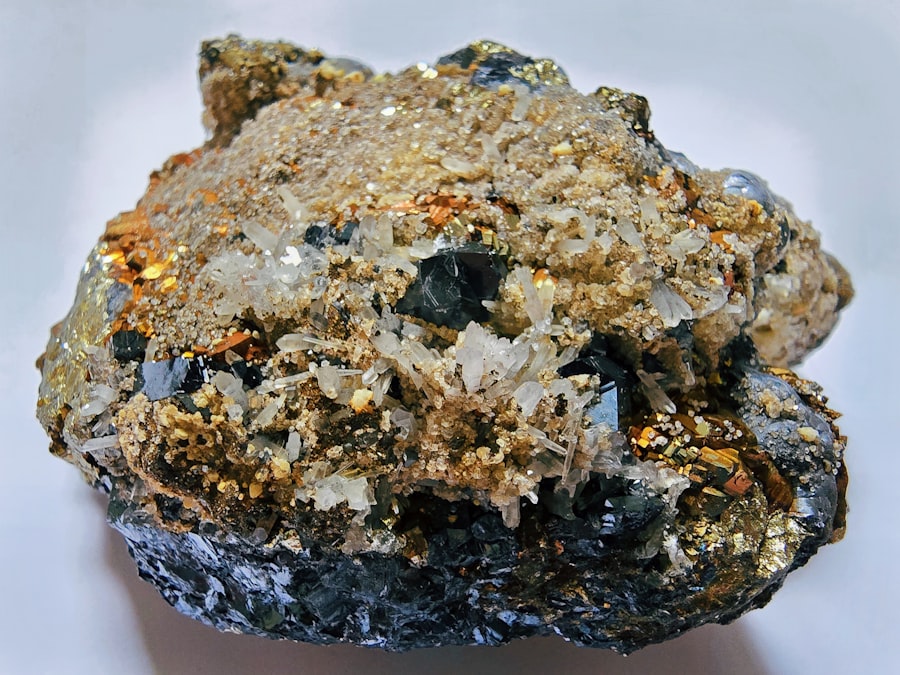
Authigenic minerals are not merely decorative additions to the seafloor; they are invaluable archives of past oceanic conditions. Their formation directly reflects the chemistry of the water and sediment at the time of their precipitation, making them crucial tools for reconstructing paleoenvironmental and paleoceanographic history.
Paleoenvironmental Proxies
The mineralogy, chemistry, and isotopic composition of authigenic minerals can serve as proxies for a range of environmental parameters, including:
Paleotemperature Reconstruction
The isotopic composition of oxygen within authigenic carbonates (like foraminifera shells, though these are biogenic, they can be cemented by authigenic minerals) and phosphates has been a cornerstone of paleotemperature reconstructions. Variations in the ratio of oxygen isotopes reflect the temperature of the water at the time of mineral formation.
Paleosalinity and Oxygenation
The presence and type of authigenic minerals can also indicate past salinity and oxygen levels. For instance, the precipitation of certain carbonate minerals might be favored under specific salinity conditions, while the abundance of pyritization in sediments points to anoxic environments.
Trace Element Signatures
The incorporation of trace elements into the crystal lattice of authigenic minerals can provide insights into the redox state, pH, and the presence of specific dissolved species in the ancient seawater. This is like decoding a chemical diary.
Chronological Markers
The slow and steady growth of many authigenic formations allows for their use as chronological markers. Manganese nodules and ferromanganese crusts, with their accretionary growth patterns, can be dated using radiometric techniques, providing ages for abyssal plain sediments and seamount surfaces.
Diagenetic History
The sequence of authigenic mineral precipitation within the sediment column can reveal the diagenetic history of the buried sediments. Understanding the order in which minerals formed helps to decipher the changes in porewater chemistry that occurred as organic matter degraded and fluid migration took place. This is like reading the layers of paint on an old masterpiece, each layer telling a story of its creation and retouching.
Authigenic Minerals in the Context of Earth Systems

The formation and deposition of authigenic minerals are intrinsically linked to broader Earth systems, influencing and being influenced by geological, chemical, and biological processes.
The Carbon Cycle and Seafloor Carbonates
Authigenic carbonate precipitation plays a significant role in the global carbon cycle. Its formation sequesters carbon dioxide from the ocean, impacting ocean alkalinity and, consequently, atmospheric CO₂ levels over geological timescales. The seafloor, in this sense, acts as a vast, slow-motion carbon sink.
Role in Metal Geochemistry
Authigenic mineral formation is central to the cycling of metals in the ocean. The precipitation of iron and manganese oxides, sulfides, and carbonates removes these metals from the dissolved phase, influencing their overall oceanic budgets and the potential for their accumulation in economically viable deposits.
Influence on Biogeochemical Cycles
The presence of authigenic minerals can significantly alter the local biogeochemical cycles within sediments and at the sediment-water interface. For instance, the formation of pyritic layers can create zones of anoxia, influencing microbial communities and nutrient cycling.
Interactions with Biological Communities
Authigenic mineral formations, particularly carbonate mounds and sulfide deposits associated with cold seeps and hydrothermal vents, provide essential habitat for diverse deep-sea biological communities. These structures act as substrates for sessile organisms and create microhabitats that support unique ecosystems.
Authigenic minerals play a crucial role in the chemical processes occurring on the ocean floor, influencing everything from nutrient cycling to the formation of unique ecosystems. A fascinating exploration of these minerals can be found in a related article that delves into their significance and formation mechanisms. For more insights, you can read the article here: Freaky Science. Understanding these processes not only enhances our knowledge of marine geology but also sheds light on the broader implications for ocean health and climate change.
Future Research and Implications
| Authigenic Mineral | Chemical Composition | Formation Environment | Typical Ocean Floor Location | Significance in Chemical Skin Formation |
|---|---|---|---|---|
| Glauconite | K(Fe³⁺,Al,Mg)₂(Si,Al)₄O₁₀(OH)₂ | Low sedimentation rates, reducing conditions | Continental shelf and slope sediments | Forms chemical skin by coating sediment grains, indicating slow sedimentation |
| Chamosite | (Fe²⁺,Mg,Al)₆(Si,Al)₄O₁₀(OH)₈ | Reducing, iron-rich environments | Marine sediments with organic matter | Contributes to chemical skin by iron enrichment on sediment surfaces |
| Authigenic Carbonates | CaCO₃ with variable Mg, Fe content | Microbial activity zones, methane seeps | Cold seeps and continental margins | Forms chemical skin by cementing sediment grains and altering pore water chemistry |
| Zeolites | Hydrated aluminosilicates (various types) | Diagenetic alteration of volcanic ash | Oceanic sediments near volcanic arcs | Influences chemical skin by ion exchange and water retention |
| Iron Oxides (e.g., Goethite) | FeO(OH) | Oxidizing conditions near sediment-water interface | Oxic ocean floor sediments | Forms chemical skin by coating particles and scavenging trace metals |
The study of authigenic minerals on the ocean floor continues to evolve, driven by advancements in analytical techniques and the growing understanding of their significance in Earth’s systems.
Advanced Analytical Techniques
The application of advanced techniques such as high-resolution inductively coupled plasma mass spectrometry (ICP-MS), synchrotron X-ray fluorescence (XRF), and micro-computed tomography (µCT) allows for unprecedented detail in analyzing the elemental composition, crystal structure, and microfabric of authigenic minerals. This level of detail is akin to moving from a broad outline to a finely detailed etching.
Understanding Climate Change Feedbacks
Accurate reconstructions of past oceanographic conditions derived from authigenic minerals are crucial for validating climate models and understanding the feedbacks between ocean chemistry and climate change. For example, understanding how past changes in ocean pH affected authigenic carbonate formation can inform predictions about future ocean acidification.
Exploration for Resources
The study of ferromanganese nodules and crusts, rich in critical metals, is driven by the potential for deep-sea mining. Understanding the geological and geochemical controls on their formation is essential for assessing the spatial distribution and economic viability of these resources.
Preserving a Unique Archive
The ocean floor, with its intricate chemical skins, represents a vast and largely unexplored library of Earth’s history. Continued research into authigenic minerals is vital for deciphering these ancient records, understanding the planet’s dynamic past, and informing future stewardship of our oceans. These slow-forming mineralogical masterpieces are not just geological curiosities; they are living records that speak volumes about the Earth’s intricate and enduring story.

WARNING: The 8th Continent Is Moving
FAQs
What are authigenic minerals?
Authigenic minerals are minerals that form in place within sediments, typically on the ocean floor, through chemical reactions rather than being transported from elsewhere. They often develop during diagenesis, the process that alters sediments after deposition.
How do authigenic minerals form on the ocean floor?
Authigenic minerals form on the ocean floor through chemical reactions between seawater and sediment components. These reactions can be influenced by factors such as pressure, temperature, and the availability of ions, leading to the precipitation of minerals directly within the sediment.
What is meant by the “chemical skin” of the ocean floor?
The “chemical skin” of the ocean floor refers to the thin, reactive layer at the sediment-water interface where intense chemical exchanges occur. This zone is critical for the formation of authigenic minerals as it mediates interactions between seawater and sediment particles.
Why are authigenic minerals important for ocean floor studies?
Authigenic minerals provide valuable information about past and present geochemical conditions on the ocean floor. They help scientists understand sedimentary processes, ocean chemistry, and environmental changes over geological time.
Can authigenic minerals impact marine ecosystems?
Yes, authigenic minerals can influence marine ecosystems by affecting nutrient availability and sediment stability. For example, minerals like glauconite can provide essential nutrients, while others may alter the habitat structure for benthic organisms.