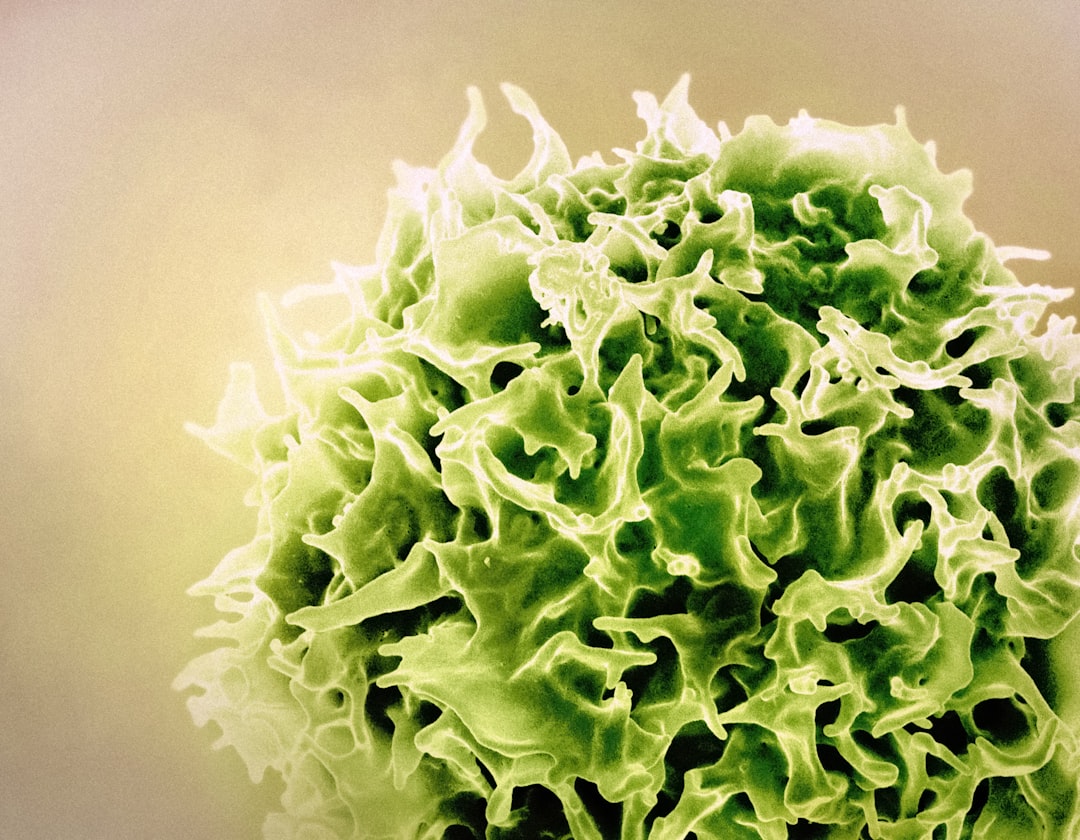
You’ve probably marveled at the seemingly effortless way a tiny seed sprouts into a towering tree, or how a scraped knee heals itself, leaving only a faint scar. This consistent, controlled expansion is a testament to the incredible marvel of cell growth regulation. It’s a sophisticated biological dance, a constant ebb and flow of signals that tell cells when to divide, when to mature, and crucially, when to stop. Understanding this intricate system is not just an academic pursuit; it holds the key to deciphering diseases like cancer and developing revolutionary treatments.
Imagine your cells as tiny construction crews, constantly building, repairing, and replicating. This process of cell division, the very engine of growth, isn’t a chaotic free-for-all. Instead, it’s orchestrated by a complex molecular symphony, a precisely timed cascade of events that ensures order and accuracy. You might think of it as a meticulously planned construction project, where each step must be completed before the next can begin.
The Cell Cycle: A Journey Through Stages
The journey a cell takes from its creation to its division is known as the cell cycle. This isn’t a single, monolithic event, but rather a series of distinct phases, each with its own critical tasks. You can visualize it as a circular pathway, with checkpoints strategically placed to ensure everything is progressing as it should.
G1 Phase: Preparation and Growth
The first major phase you’ll encounter is the G1 phase, or the “first gap” phase. Here, the cell is busy growing and synthesizing proteins and organelles necessary for DNA replication. It’s like the construction crew stocking up on all their tools and materials before the main building can begin. This is a crucial period of preparation, where the cell assesses its environment and decides whether to commit to division. You might feel this phase as a period of intense activity, but it’s happening at a microscopic level, fueling the potential for future growth.
S Phase: Replicating the Blueprint
Following G1 is the S phase, the “synthesis” phase. This is where the magic of DNA replication happens. The cell meticulously copies its entire genome, ensuring that each daughter cell will receive a complete and identical set of genetic instructions. Think of it as making an exact replica of the architectural blueprints. Errors at this stage can have dire consequences, which is why it’s heavily guarded. Your own genetic information, your very essence, is being duplicated with incredible fidelity here.
G2 Phase: Final Preparations
After DNA replication, the cell enters the G2 phase, or the “second gap” phase. This is another preparatory period, where the cell checks the replicated DNA for any errors and synthesizes more proteins needed for mitosis. It’s a final quality control check and a last-minute gearing up for the grand event. You can see this as the final inspection of the building site, ensuring all safety measures are in place before the actual construction crews start their work.
M Phase: Division and Procreation
The culmination of the cell cycle is the M phase, or mitotic phase. This is when the cell physically divides into two identical daughter cells. It’s a complex process involving the neatly packaged chromosomes being pulled apart and the cell membrane pinching off to form the new entities. This is the actual construction, the delivery of two identical, fully functional units. You might consider this the proud moment of handing over two perfectly built mini-structures.
The Centrosome and Spindle Apparatus: The Mobilizers
Essential to the M phase are specialized structures like the centrosome and the mitotic spindle. The centrosome, often called the “microtubule-organizing center,” duplicates during the S phase and migrates to opposite poles of the cell. From these poles, the mitotic spindle fibers extend, forming a network that will capture and segregate the chromosomes. You can think of these as the project managers, deploying their teams (spindle fibers) to meticulously organize and transport the vital building materials (chromosomes).
Cytokinesis: The Final Separation
The physical act of dividing the cytoplasm to form two distinct daughter cells is called cytokinesis. This process often overlaps with the later stages of mitosis and involves the formation of a contractile ring that pinches the cell in two. It’s the final act of separating the two identical structures, ensuring each is a self-sufficient unit. Your own growth and development rely on this precise partitioning, ensuring that every new cell gets its fair share of cellular components.
Understanding how cells regulate their growth is crucial in the study of various biological processes, including cancer development. A related article that delves into the mechanisms behind cellular growth regulation can be found at Freaky Science. This resource explores the intricate signaling pathways and molecular interactions that inform cells when to cease proliferation, highlighting the balance between growth and inhibition that is vital for maintaining healthy tissue function.
The Gatekeepers of Growth: Cell Cycle Checkpoints
The cell cycle, while robust, isn’t immune to errors. To prevent the propagation of damaged or faulty genetic material, the cell has evolved sophisticated surveillance systems known as cell cycle checkpoints. These are like highly trained security guards stationed at critical junctures, inspecting for any signs of trouble. You can’t have unchecked cell division; it’s a recipe for disaster.
G1 Checkpoint: The Go or No-Go Decision
One of the most crucial checkpoints is the G1 checkpoint. Here, the cell assesses its size, nutrient availability, and the integrity of its DNA. If conditions are favorable and the DNA is undamaged, the cell receives the “go” signal to proceed into the S phase. If there are problems, the cell can enter a resting state (G0) or initiate self-destruction (apoptosis). This is your first major hurdle in the cell cycle. You, as the cell, are closely scrutinized. Is the environment conducive for growth? Is your genetic material intact? A negative answer here can halt the entire process.
G2 Checkpoint: The DNA Replication Guardian
The G2 checkpoint acts as a guardian after DNA replication. It ensures that the DNA has been faithfully copied and is free from significant damage. If errors are detected, the cell cycle will be halted until repairs are made. Failure to pass this checkpoint can lead to the segregation of mutated DNA, which has serious implications for the organism. This is your second line of defense. The S phase has concluded; now, we verify the accuracy of your duplicated blueprints. Any significant scribbles or tears in the original document will be flagged.
M Checkpoint: The Chromosome Alignment Inspector
During mitosis, the M checkpoint, also known as the spindle checkpoint, monitors the attachment of spindle fibers to the chromosomes. It ensures that each chromosome is correctly attached to spindle fibers from opposite poles before the sister chromatids are separated. This prevents aneuploidy, a condition where cells have an abnormal number of chromosomes. Imagine this as the final inspection before the transport trucks (sister chromatids) are dispatched. Are they securely fastened? Are they headed to the correct destinations? This prevents chaos.
The Signaling Network: Communication is Key

Cell growth isn’t dictated by internal mechanisms alone. Cells are constantly communicating with their environment and with each other through a complex network of signaling molecules. These signals act like messages that tell cells whether to divide, differentiate, or die. Your own body is a vast orchestra of cellular conversations, and understanding these signals is paramount.
Growth Factors: The Pro-Division Promoters
Growth factors are a prime example of signaling molecules that promote cell proliferation. They are typically proteins that bind to specific receptors on the cell surface, triggering intracellular signaling pathways. These pathways ultimately lead to the activation of genes that drive cell division. Think of growth factors as enthusiastic recruiters, actively inviting more cells to join the construction crew.
Epidermal Growth Factor (EGF) and Platelet-Derived Growth Factor (PDGF)
Examples of well-studied growth factors include Epidermal Growth Factor (EGF) and Platelet-Derived Growth Factor (PDGF). EGF plays a vital role in skin growth and repair, while PDGF is crucial for wound healing and blood vessel formation. You might have experienced the effects of these directly after a minor injury. Your body is deploying these signals to kickstart the repair process.
Tumor Suppressor Genes: The Brakes on Growth
In stark contrast to growth factors, tumor suppressor genes act as the brakes on cell division. They encode proteins that inhibit the cell cycle, repair DNA damage, or induce apoptosis. When these genes are mutated or inactivated, the cell loses its ability to control growth, a hallmark of many cancers. You can envision tumor suppressor genes as the vigilant engineers, constantly monitoring the construction site for any signs of overzealous or uncontrolled building, ready to apply the emergency brakes.
p53: The Guardian of the Genome
One of the most famous tumor suppressor genes is p53. Often referred to as the “guardian of the genome,” p53 plays a critical role in sensing DNA damage. If damage is detected, p53 can halt the cell cycle to allow for DNA repair or trigger apoptosis if the damage is irreparable. Your cells are equipped with this crucial protector, working tirelessly to maintain your genetic integrity.
Retinoblastoma Protein (Rb): The Cell Cycle Regulator
Another key tumor suppressor is the retinoblastoma protein (Rb). Rb’s main function is to bind to and inhibit a family of transcription factors called E2Fs. These E2Fs are essential for the expression of genes required for DNA replication and cell cycle progression. By binding to E2Fs, Rb effectively locks down the cell cycle, preventing premature entry into S phase. Imagine Rb as the master key holder for the S phase. Without its release, the machinery for DNA replication cannot be activated.
Oncogenes: The Gas Pedals Gone Wild
Oncogenes are essentially mutated or overexpressed versions of proto-oncogenes, which are genes that normally promote cell growth and division. When proto-oncogenes become oncogenes, they act like stuck gas pedals, constantly signaling the cell to divide, even in the absence of proper cues. This unchecked proliferation is a key driver of cancer development. You can think of oncogenes as the rogue elements in your cellular machinery, overwhelming the regulatory system with constant signals to “build more, faster.”
Ras and Myc: Common Oncogenic Players
Common examples of oncogenes include Ras and Myc. Mutations in Ras genes can lead to their constitutive activation, triggering continuous downstream signaling that promotes cell growth. Similarly, overexpression of the Myc gene can drive rapid cell proliferation. These are often the genes you’ll hear about in discussions about cancer mechanisms.
The Consequences of Dysregulation: When Growth Goes Wrong

When the intricate machinery of cell growth regulation breaks down, the consequences can be devastating. The most well-known example of this dysregulation is cancer, a disease characterized by uncontrolled cell proliferation and the ability of these cells to invade and spread to other parts of the body. Your own health is intimately tied to the proper functioning of these cellular controls.
Cancer: The Unchecked Proliferation
Cancer arises when a series of mutations accumulate in genes that regulate cell growth and division. These mutations can lead to the activation of oncogenes and the inactivation of tumor suppressor genes, effectively removing the “brakes” and flooring the “gas pedal” simultaneously. The uncontrolled division of these rogue cells leads to the formation of tumors, which can disrupt the normal function of tissues and organs. You are witnessing a breakdown of the fundamental rules of cellular behavior.
Metastasis: The Invaders
A particularly dangerous aspect of cancer is metastasis. This is the process by which cancer cells break away from the primary tumor, enter the bloodstream or lymphatic system, and establish secondary tumors in distant parts of the body. This spread makes cancer much harder to treat and is a major cause of cancer-related deaths. Imagine a disgruntled construction crew not only building erratically but also actively sabotaging other construction sites.
Developmental Abnormalities: Growth Gone Awry From the Start
Dysregulation of cell growth isn’t confined to adulthood; it can also manifest during development. Errors in the precise timing and extent of cell division and differentiation can lead to a variety of developmental abnormalities. You might see conditions where certain tissues or organs are underdeveloped or overdeveloped, resulting in congenital disorders. These are cases where the “construction plans” were flawed from the very beginning of the building process.
Limb Development and Organogenesis
For instance, disruptions in the signaling pathways that control cell proliferation and programmed cell death during embryonic development can lead to abnormalities in limb formation or the proper development of organs. The intricate choreography required for creating a complex organism is highly sensitive to errors in cell growth control.
Understanding how cells know when to stop growing is a crucial aspect of cellular biology, as it plays a significant role in maintaining healthy tissue and preventing diseases such as cancer. A related article discusses the intricate signaling pathways that regulate cell growth and division, shedding light on the mechanisms involved in cellular communication. For more insights on this topic, you can read the article here: cellular signaling. This exploration not only enhances our comprehension of normal cellular functions but also opens avenues for potential therapeutic interventions.
The Future of Cell Growth Regulation: From Understanding to Intervention
| Aspect | Details |
|---|---|
| Cell Cycle Checkpoints | Cells have specific points in their growth cycle where they check for DNA damage or other issues before proceeding. |
| Growth Factor Signals | Cells receive signals from their environment or neighboring cells that indicate when to stop growing. |
| Contact Inhibition | Cells stop growing when they come into contact with other cells, preventing overcrowding and uncontrolled growth. |
| Tumor Suppressor Genes | Genes like p53 help regulate cell growth and can trigger cell cycle arrest if there are issues. |
Our growing understanding of cell growth regulation is opening up exciting new avenues for therapeutic interventions. By targeting the molecular pathways that control cell division, scientists are developing innovative treatments for a range of diseases, most notably cancer. You are living in a time where we are moving beyond simply observing to actively intervening in these fundamental biological processes.
Targeted Cancer Therapies: Precision Strikes
Targeted cancer therapies represent a significant advancement. Instead of broadly killing rapidly dividing cells like traditional chemotherapy, these drugs are designed to specifically attack the molecular abnormalities in cancer cells, such as overactive growth factor receptors or specific mutated proteins. This approach aims to be more effective and have fewer side effects. Think of it as sending in specialized demolition crews to dismantle only the rogue structures, leaving the healthy ones intact.
Kinase Inhibitors: Blocking the Signaling Pathways
Kinase inhibitors are a prominent class of targeted therapies. Kinases are enzymes that play crucial roles in cell signaling pathways that promote cell growth. By inhibiting specific kinases that are overactive in cancer cells, these drugs can effectively block the signals that drive uncontrolled proliferation. You are witnessing the development of highly precise tools to interfere with specific molecular switches.
Regenerative Medicine: Harnessing the Power of Growth
Beyond treating disease, the principles of cell growth regulation are also fueling advancements in regenerative medicine. Researchers are exploring ways to manipulate cell division and differentiation to repair damaged tissues and organs. This could involve using stem cells to regenerate heart muscle after a heart attack or to repair spinal cord injuries. Imagine being able to direct your body’s own cellular machinery to rebuild and restore itself.
Stem Cell Therapy: The Undifferentiated Potential
Stem cells, with their remarkable ability to differentiate into various cell types, hold immense promise in regenerative medicine. By understanding how to control their proliferation and differentiation, scientists aim to guide them to become the specific cells needed to repair damaged tissues. This is the ultimate hope of harnessing uncontrolled growth for controlled healing.
In essence, the story of cell growth regulation is a compelling narrative of balance, control, and the profound consequences of disruption. Your body’s capacity for growth and repair is a testament to the precision of these molecular mechanisms. As you delve deeper into this fascinating field, you’ll uncover more about the intricate dance that keeps your cells in check, a dance that holds the promise of a healthier future for all.

Your Body Knows Something You Don’t
FAQs
What is cell growth and why is it important?
Cell growth is the process by which a cell increases in size and mass. It is important for the development, repair, and maintenance of tissues and organs in the body.
How do cells know when to stop growing?
Cells have built-in mechanisms that regulate their growth and division. These mechanisms include signals from neighboring cells, internal checkpoints, and feedback from the environment.
What are some factors that can influence cell growth regulation?
Factors that can influence cell growth regulation include hormones, growth factors, nutrient availability, DNA damage, and cell-to-cell communication.
What happens when cells continue to grow uncontrollably?
Uncontrolled cell growth can lead to the formation of tumors and cancer. This occurs when the mechanisms that regulate cell growth and division are disrupted, allowing cells to proliferate without restraint.
How do researchers study cell growth regulation?
Researchers study cell growth regulation using various techniques, including cell culture experiments, genetic manipulation, and molecular biology approaches. These studies help to uncover the underlying mechanisms of cell growth regulation and identify potential targets for therapeutic interventions.