The Enigma of Feline Hues and Lifespans
For centuries, cats have held a special place in human hearts and homes. Their independent spirit, comforting purrs, and playful antics bring joy and companionship to millions. Beyond their captivating personalities, cats exhibit a dazzling array of coat colors and patterns, each unique and often a source of fascination. Many cat owners, however, find themselves pondering a question that extends beyond aesthetics: does a cat’s color influence its lifespan? This inquiry delves into the intriguing intersection of genetics, health, and the subtle mysteries that govern feline longevity. While definitive, universally applicable answers remain elusive, exploring the available evidence and prevailing theories offers a compelling glimpse into the potential connections between coat color and a cat’s life expectancy.
The journey to understanding this relationship begins with acknowledging the complex genetic underpinnings of coat color. These pigments are not merely superficial decorations; they are the visible manifestations of intricate genetic coding that can, in some instances, be linked to other biological traits. The common understanding is that a cat’s lifespan is primarily determined by a confluence of factors including genetics, diet, lifestyle, access to veterinary care, and the absence of disease. However, within this broad framework, certain color-related genetic expressions might, indirectly or directly, play a role in how robustly a cat’s system functions over time. It is crucial to approach this topic with a balanced perspective, recognizing that while correlations might exist, they do not necessarily imply causation in every instance. The vast spectrum of cat breeds, individual genetic predispositions, and environmental influences all contribute to the intricate tapestry of feline health and longevity.
Research has shown that certain cat colors may be associated with longevity, sparking interest among pet owners and veterinarians alike. For instance, a recent article discusses how the genetic factors influencing coat color can also impact a cat’s overall health and lifespan. To learn more about which cat colors tend to live the longest, you can read the full article here: Freaky Science.
Exploring the Genetic Basis of Cat Coat Colors
The vibrant and diverse palette of feline coat colors is a testament to the intricate interplay of genetics. Understanding the fundamental mechanisms behind these colors provides a crucial foundation for exploring any potential links to longevity. At the core of this genetic puzzle lie genes that control the production and distribution of melanin, the primary pigment responsible for color in mammals.
The Pigment Palette: Eumelanin and Pheomelanin
The two primary types of melanin found in cats are eumelanin and pheomelanin. Eumelanin is responsible for black and brown colors, while pheomelanin produces red and yellow hues. The genes that dictate the type of melanin produced, the density of its distribution, and how it is masked or modified by other genes are what give rise to the astonishing variety of cat coats we see.
For example, the gene for black color (B) has several alleles. The dominant allele (B) results in black pigment, while a recessive allele (b) can lead to brown pigment. Similarly, the gene for dilution (D) affects the intensity of color. The dominant allele (D) allows for full expression of pigment, while the recessive allele (d) dilutes the color, turning black into gray (blue) and red into cream. Understanding these basic pigment-producing genes is the first step.
Genes of Pattern and Modification
Beyond the basic colors, a multitude of other genes influence the patterns and specific shades we observe. The Agouti gene (A) is responsible for the tabby pattern, creating the characteristic stripes, swirls, and ticking on a cat’s fur. Without the Agouti gene, cats would have solid coats. Another critical set of genes are those that produce white spotting. The S gene, for instance, dictates the amount of white present, ranging from a few white paws to a completely white cat. Piebaldism, as this is known, is a common trait with varying degrees of expression.
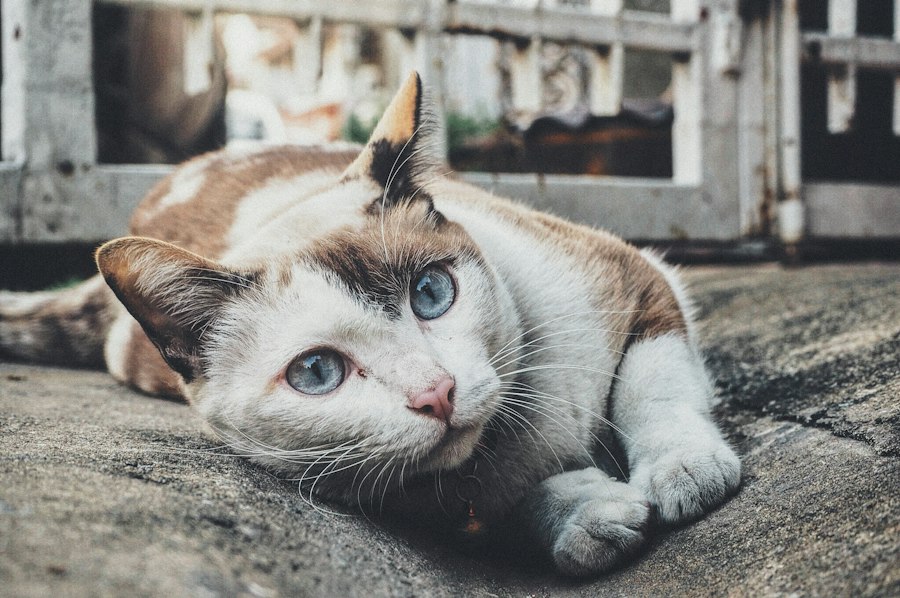
Furthermore, genes for specific breed characteristics, like the dilute gene that creates blue Siamese cats or the gene responsible for the calico and tortoiseshell patterns, add further layers of complexity. These patterns arise from the interaction of sex chromosomes and pigment genes.
Sex-Linked Colors and Their Genetic Significance
Perhaps one of the most well-known color-related genetic phenomena in cats is the inheritance of the calico and tortoiseshell patterns. These striking color combinations are almost exclusively found in female cats. This is because the gene responsible for orange or black color is located on the X chromosome. Females have two X chromosomes (XX), allowing for the expression of both alleles. During embryonic development, one X chromosome in each cell is randomly inactivated. If a female cat inherits one X chromosome with the allele for orange and another with the allele for black, different patches of fur will express different colors as the cells divide and differentiate. Male cats, with an XY chromosome configuration, typically only have one X chromosome and therefore can only express one of these colors (either orange or black), unless they have a rare genetic anomaly (XXY), which often leads to sterility. This sex-linked inheritance is a fundamental concept when discussing color and potential genetic predispositions.
Investigating the Correlation: Color and Lifespan Data
While the genetic basis of coat color is well-understood, the direct causal link between a cat’s color and its lifespan is a more nuanced and debated topic. Research in this area often relies on observational studies and statistical analysis of large cat populations. These studies aim to identify correlations between specific coat colors and observed differences in average longevity.
The Tortoiseshell and Calico Enigma: A Tale of Two X Chromosomes
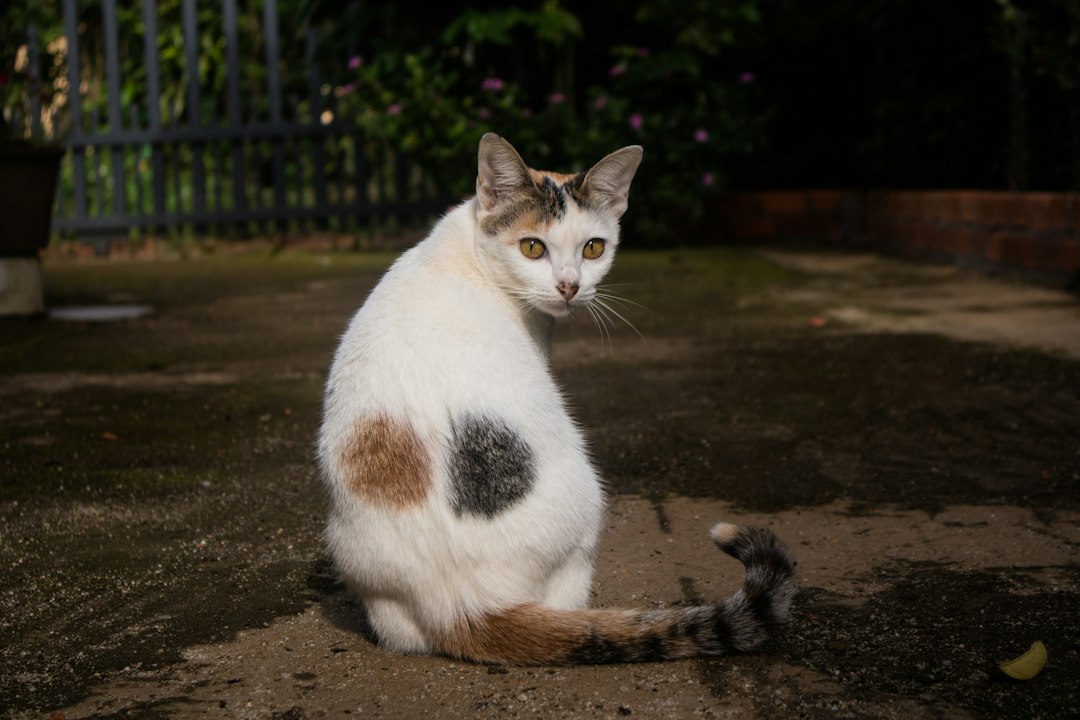
As discussed, the genetics of tortoiseshell and calico cats are intrinsically linked to their sex. The presence of both orange and black pigments, facilitated by two X chromosomes, makes these cats genetically unique. Some anecdotal evidence and a few limited studies have suggested that tortoiseshell and calico cats might have slightly longer lifespans on average compared to their solid-colored counterparts. The proposed theories often center around the idea that the genetic diversity on their two X chromosomes might confer a degree of robustness or resilience. However, it is crucial to emphasize that these findings are not definitive and require more extensive scientific investigation to establish a strong causal link. The limited gene pool of female cats with this specific genetic makeup could also play a role in statistical observations.
White Cats and Potential Health Considerations
White cats, particularly those with blue eyes, have been the subject of some concern regarding potential health issues. The gene responsible for complete white coloring, often associated with deafness, is also linked to certain genetic predispositions. While not directly related to coat pigment in the same way as tortoiseshell, the genetic pathways that lead to a white coat can sometimes be associated with other genetic expressions. Some studies have hinted at a slightly lower average lifespan for white cats, with theories suggesting a potential link to increased susceptibility to certain conditions or genetic anomalies. However, it’s vital to distinguish between correlation and causation; many white cats live long and healthy lives, and a healthy lifestyle and good veterinary care are paramount. The prevalence of deafness in white cats with blue eyes is a well-documented genetic trait, and while not directly impacting lifespan, it requires specific care and attention from owners.
Solid Colors vs. Patched Patterns: A Statistical Overview
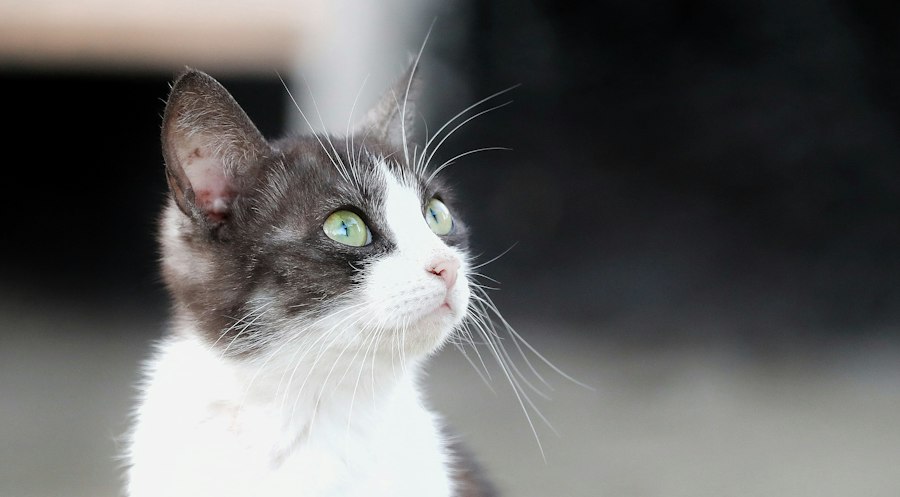
When examining large datasets of cat populations, statistical analyses sometimes reveal minor variations in average lifespan based on coat color. Solid black cats, for instance, are often cited as having a robust and relatively long lifespan. This could be attributed to a less complex genetic makeup in terms of color expression compared to patterns like tabby or calico, which involve multiple genes interacting. Conversely, some patterned cats, particularly those with extensive white spotting, have been observed in some studies to have slightly shorter average lifespans. Again, the underlying reasons are likely multifactorial, potentially involving genetic predispositions associated with the genes controlling white spotting.
The Influence of Breed and Environment
It is imperative to acknowledge that coat color is often intertwined with breed. Certain breeds are predisposed to specific colors and patterns, and breed characteristics themselves can influence lifespan. For example, purebred cats, due to a narrower gene pool, may have higher incidences of certain genetic health issues compared to mixed-breed cats. Therefore, when analyzing color-related lifespan data, it is essential to control for breed as a significant confounding factor. Furthermore, environmental factors such as diet, exercise, access to veterinary care, and exposure to toxins can dramatically impact a cat’s lifespan, often outweighing any subtle genetic influences attributed to coat color.
Factors Beyond Color: The True Determinants of Longevity
While the exploration of color-related correlations is fascinating, it is crucial to understand that coat color is, at best, a minor contributing factor to a cat’s overall lifespan. The primary drivers of feline longevity are rooted in a combination of genetics, lifestyle, and access to quality care.
The Cornerstone of Health: Diet and Nutrition
A balanced and species-appropriate diet is fundamental to a cat’s health and well-being. High-quality cat food, rich in protein, essential fatty acids, and vitamins, supports a strong immune system, healthy organ function, and overall vitality. Overfeeding, leading to obesity, is a major contributor to a host of health problems, including diabetes, arthritis, and heart disease, all of which can significantly shorten a cat’s life. Conversely, proper nutrition can help prevent these issues and contribute to a longer, healthier life, regardless of coat color.
The Role of Veterinary Care and Prevention
Regular veterinary check-ups are non-negotiable for ensuring a cat’s longevity. Early detection and treatment of diseases, vaccinations to prevent common illnesses, and parasite control are vital for safeguarding a cat’s health. Spaying or neutering not only prevents unwanted litters but also reduces the risk of certain cancers and behavioral problems that can indirectly impact a cat’s safety and longevity. Preventive care is a proactive approach that allows veterinarians to identify potential health issues before they become serious, thus extending a cat’s lifespan.
Lifestyle: Indoor vs. Outdoor and Enrichment
A cat’s lifestyle plays a significant role in its lifespan. Indoor cats are generally protected from many external dangers, such as traffic accidents, fights with other animals, and exposure to infectious diseases. They are also less likely to ingest poisons or become lost. While outdoor cats may experience more stimulation and exercise, their life expectancy is often considerably shorter due to the increased risks they face. Providing indoor cats with ample environmental enrichment, such as climbing structures, interactive toys, and opportunities for play, can help combat boredom and stress, contributing to their overall well-being and potentially their lifespan.
The Impact of Genetics and Breed Predispositions
As mentioned earlier, a cat’s inherited genetics play a significant role in its susceptibility to certain diseases. Some breeds are genetically predisposed to specific health conditions, such as heart disease in Maine Coons or kidney disease in Persians. Responsible breeding practices aim to minimize these genetic predispositions, but they can still influence a cat’s lifespan. A cat with a strong genetic heritage and fewer breed-specific health issues is likely to live longer, irrespective of its coat color.
When considering the longevity of cats, various factors come into play, including breed, health, and even color. Interestingly, a recent article discusses how certain cat colors may correlate with longer lifespans. For instance, it has been suggested that orange tabby cats tend to live longer than their counterparts of other colors. If you’re curious to learn more about this intriguing topic, you can read the full article on cat longevity and color by visiting Freaky Science.
Addressing Misconceptions and Popular Beliefs
| Cat Color | Average Lifespan (Years) | Notes |
|---|---|---|
| White | 12-15 | Prone to sunburn and skin cancer, which can affect lifespan. |
| Black | 14-16 | Generally healthy, some studies suggest slightly longer lifespan. |
| Orange (Ginger) | 13-15 | Often male; no significant lifespan difference noted. |
| Gray (Blue) | 14-17 | Some reports suggest slightly longer lifespan, but data is limited. |
| Calico/Tortoiseshell | 13-16 | Mostly female; no clear lifespan advantage. |
The connection between cat colors and longevity is often a topic of anecdotal discussion among cat enthusiasts. Many popular beliefs have emerged over time, some with a basis in observable phenomena, while others are largely rooted in folklore or coincidence. It is important to critically evaluate these beliefs and distinguish them from scientifically supported evidence.
The Myth of the “Lucky” Black Cat
In many Western cultures, black cats have historically been associated with bad luck, superstition, and witchcraft. This unfortunate association has led to them being less frequently adopted from shelters and sometimes facing mistreatment. However, scientific observation and extensive data collection have consistently shown that black cats are no more prone to illness or shorter lifespans than cats of other colors. In fact, some studies suggest that black cats might even have slightly longer average lifespans, potentially due to a lack of genetic complexity in their solid coat color, or perhaps simply because they are a common and generally healthy coat type in mixed-breed populations. The “luck” factor is purely superstition, with no biological basis.
The “Rugged” Tabby Cat
Tabby cats, with their distinctive patterns, are incredibly common and often perceived as hardy and resilient. While their patterns are genetically complex, involving the Agouti gene and others, there is no inherent biological reason why this complexity would lead to a shorter or longer lifespan compared to solid-colored cats. Their prevalence in the general cat population likely contributes to their perception as “typical” and healthy cats, but this is more about their commonality than a direct link between their pattern and longevity.
The “Delicate” Siamese and Other Color-Specific Breeds
Certain breeds known for specific coat colors, like the Siamese with its distinctive pointed coloration, are sometimes perceived as having more health issues or shorter lifespans. While some breeds do have known breed-specific health concerns, these are generally tied to the breed’s overall genetic makeup and not solely to their color. For example, Siamese cats are predisposed to certain respiratory and cardiac conditions. However, these are breed-related issues, not direct consequences of their color genes. A well-cared-for Siamese cat can live a long and fulfilling life, just as a cat of any color can.
The Importance of Individual Variation
Ultimately, every cat is an individual, with a unique genetic blueprint and life experiences. While broad statistical trends can be observed, they do not dictate the fate of any single feline. A perfectly healthy solid black cat could unfortunately fall victim to a sudden illness, while a tortoiseshell cat with a history of minor health concerns could go on to live a remarkably long life. Focusing solely on coat color as a predictor of lifespan is an oversimplification of the complex biological and environmental factors that contribute to a cat’s well-being.
Conclusion: A Holistic View of Feline Longevity
The question of whether cat colors influence longevity is a captivating one, prompting us to explore the intricate relationship between genetics, health, and the visible expressions of feline biology. While scientific research has delved into potential correlations, the evidence strongly suggests that coat color is, at best, a minor factor in determining a cat’s lifespan. The primary determinants of a cat’s health and longevity lie in a more fundamental set of considerations.
A cat’s genetic heritage, encompassing predispositions to various health conditions, plays a crucial role, as does the quality of its diet and the availability of consistent, high-quality veterinary care. Lifestyle choices, such as whether a cat lives primarily indoors or outdoors, and the level of environmental enrichment provided, also significantly impact its chances of a long and healthy life. The presence or absence of diseases, the effectiveness of preventative measures, and the overall care provided by dedicated owners are far more influential than the shade of a cat’s fur.
While certain anecdotal observations and some limited statistical analyses might suggest subtle differences in average lifespans between various color groups, these correlations are often complex and do not imply a direct causal link. The genetic pathways that dictate coat color can sometimes be intertwined with other genetic expressions, but these associations are rarely strong enough to be considered definitive predictors of longevity. Furthermore, the influence of breed, which is often closely associated with specific coat colors, can confound these observations.
It is essential to move beyond superficial associations and embrace a holistic understanding of feline well-being. Instead of focusing on a cat’s coat color as a predictor of its lifespan, owners are best served by prioritizing a healthy lifestyle, providing excellent nutrition, ensuring regular veterinary check-ups, and offering a safe and stimulating environment. By focusing on these fundamental aspects of care, owners can significantly contribute to their feline companions living long, happy, and healthy lives, regardless of whether they sport a sleek black coat, a fiery ginger hue, a patterned tabby, or a vibrant calico. The true magic of a cat’s life lies not in its color, but in the quality of the life it is given.

Which Cat Color Lives Longest? The Research Has a Twist
FAQs
What cat color lives the longest on average?
The article discusses how research has shown that tortoiseshell cats tend to live the longest on average compared to other cat colors.
Are there specific reasons why tortoiseshell cats live longer?
While the exact reasons are not fully understood, it is believed that the genetic makeup of tortoiseshell cats may contribute to their longevity.
Do other factors besides color influence a cat’s lifespan?
Yes, other factors such as genetics, diet, exercise, environment, and access to veterinary care can also play a significant role in determining a cat’s lifespan.
Are there any cat colors that are associated with shorter lifespans?
There is no definitive evidence to suggest that any specific cat color is associated with shorter lifespans. Factors such as genetics and care are more likely to influence a cat’s lifespan.
What can cat owners do to help their cats live longer, regardless of color?
Providing a balanced diet, regular exercise, routine veterinary check-ups, a safe and stimulating environment, and lots of love and attention can all contribute to helping cats live longer, healthier lives.