The allure of a cat’s coat is undeniable. From the striking elegance of a solid black feline to the playful patterns of a tabby, these living works of art captivate us. Beyond their aesthetic appeal, however, cat owners often ponder a more profound question: does the color of a cat’s fur have any bearing on its lifespan? This query, while seemingly simple, delves into the complex interplay of genetics, health, and environmental factors that contribute to a cat’s longevity. While definitive answers can be elusive, the available scientific understanding offers intriguing insights into potential correlations.
The Genetic Tapestry of Coat Color
The myriad of coat colors and patterns seen in domestic cats are the result of intricate genetic coding. These genes, inherited from both parents, dictate the production and distribution of melanin, the pigment responsible for color. Different genes influence the type of melanin (eumelanin for black and brown tones, pheomelanin for red and yellow tones), its concentration, and how it’s expressed across the fur. Understanding these genetic underpinnings is crucial when exploring any potential links between coat color and health.
Dominant and Recessive Genes in Action
At the most basic level, coat color inheritance follows Mendelian principles, involving dominant and recessive genes. For instance, the gene for black fur is often dominant over the gene for ginger or red fur. This means a cat can inherit one gene for black and one for ginger, but its coat will still appear black if the black gene is dominant. Conversely, a ginger cat must inherit two copies of the ginger gene, one from each parent. The complexity increases exponentially when considering genes that control patterns like tabby stripes, tortoishell patches, and the dilution of colors, leading to shades of grey or cream.
The Role of the Orange Gene and Sex Chromosomes
One of the most well-studied genetic links to coat color involves the orange gene, which is located on the X chromosome. This has significant implications for sex determination and coat color expression in cats. Females have two X chromosomes (XX), while males have one X and one Y chromosome (XY). Because the orange gene is on the X chromosome, female cats can express either orange, or a combination of orange and another color, or be non-orange. Male cats, with only one X chromosome, will either be orange or not orange. This X-linked inheritance is the primary reason why orange cats are predominantly male, with roughly 80% of orange cats being male.
Calico and Tortoiseshell: A Chromosomal Quirk
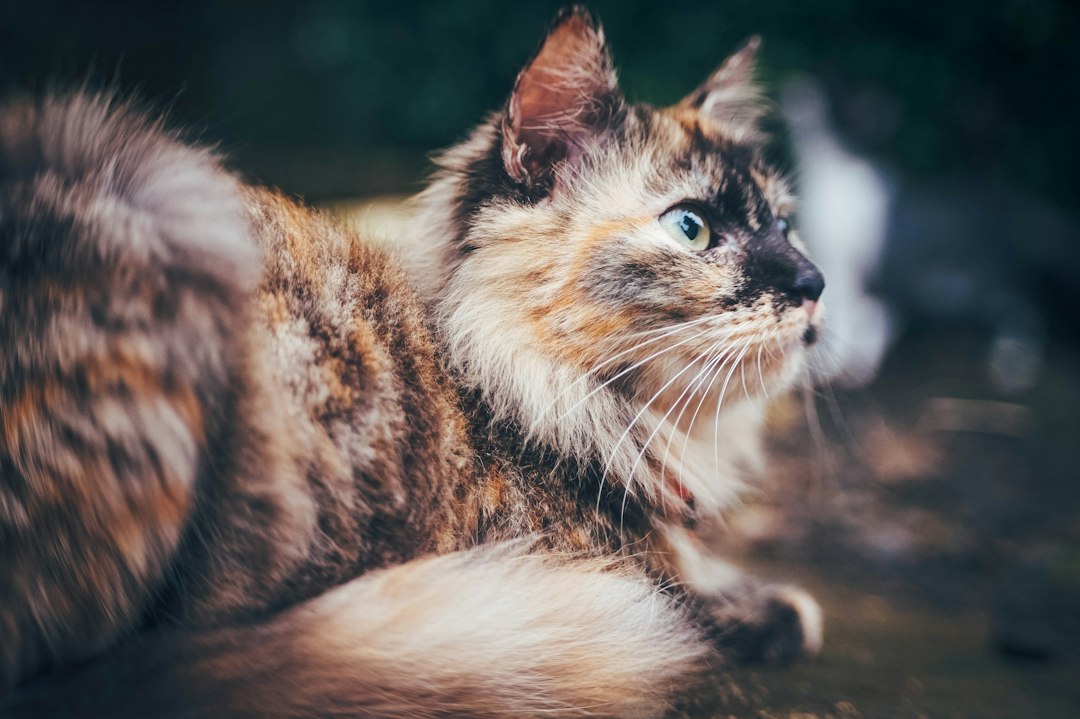
The striking calico and tortoiseshell patterns, characterized by patches of black, red, and white (or their diluted versions), are almost exclusively found in female cats. This is due to a phenomenon called X-chromosome inactivation, also known as Lyonization. In female mammals, one of the two X chromosomes is randomly inactivated in each cell early in development. If a female cat inherits an X chromosome carrying the gene for orange fur and another X chromosome carrying the gene for non-orange fur (e.g., black), the random inactivation of one X chromosome in different cells leads to the mosaic expression of these colors in her coat. Patches of orange fur result from cells where the non-orange X chromosome was inactivated, and patches of non-orange fur result from cells where the orange X chromosome was inactivated. This genetic mechanism is also the reason why tortoiseshell cats (which are essentially calico cats without the white spotting) are also overwhelmingly female.
Recent studies have suggested intriguing connections between a cat’s coat color and its lifespan, leading to discussions about genetics and health. For those interested in exploring this topic further, a related article can be found at Freaky Science, which delves into the science behind animal genetics and how various traits may influence longevity. This resource provides valuable insights for cat owners and enthusiasts alike, shedding light on the fascinating relationship between appearance and health in our feline companions.
Exploring Potential Health Correlations: Beyond the Surface
While the genetic basis of coat color is fascinating, the question remains whether these genetic expressions have any downstream effects on a cat’s overall health and, consequently, its lifespan. Scientific inquiry into this area often involves observing populations of cats and looking for statistical associations between specific coat colors and the prevalence of certain health conditions. It is important to emphasize that these are often correlations, not direct cause-and-effect relationships, and many factors contribute to a cat’s health.
Orange Cats and Their Predisposition
Orange cats, particularly males, have been the subject of much anecdotal observation and some limited scientific study regarding potential health links. Some believe orange cats are generally more robust and have longer lifespans, while others have observed a slightly higher incidence of certain health issues. One area of discussion revolves around their temperament, with some owners reporting them as being more outgoing and adventurous. While this is subjective, it could theoretically lead to a higher risk of injury. More scientifically, there have been discussions about a potential link between orange coloration and certain cancers, though robust evidence supporting this is scarce and often conflicting. It’s crucial to differentiate between genetic predispositions and environmental factors that can influence health outcomes.
The Enigma of Black Cats and Their Bad Rap
Black cats have long been associated with superstitions, often linked to misfortune. Scientifically, however, there is no evidence to suggest that black cats are inherently unluckier or have shorter lifespans due to their coat color. In fact, some studies have suggested that black cats might be more resilient to certain viral infections. This has been attributed to a specific gene variant found in black cats that may provide a slight evolutionary advantage in fighting off infections, possibly related to the pigment’s role in absorbing UV radiation or its antioxidant properties. However, this remains an area of ongoing research and is far from conclusive.
White Cats and the Specter of Deafness
White cats, particularly those with blue eyes, are more prone to congenital deafness. This is not directly related to the white color itself, but rather to the gene that causes white fur. The gene responsible for white spotting and complete white coloration can be linked to the gene that controls the development of pigment cells in the inner ear. When these pigment cells fail to develop properly, it can lead to hearing loss. The presence of blue eyes in a white cat is a strong indicator of this potential for deafness, as the same gene can also affect eye color. Therefore, while white is a coat color, the associated health concern is a specific consequence of the underlying genetics that produce that color.
Breed-Specific Variations and Longevity
Beyond general coat color, the specific breed of a cat can also play a significant role in its potential lifespan. Purebred cats, due to their curated genetic pools, can sometimes exhibit predispositions to certain health conditions that may be more prevalent in one breed than another. This can, in turn, indirectly influence the perceived lifespan associated with certain coat colors within those breeds.
Long-Lived Breeds and Their Color Diversity
Some breeds are renowned for their longevity, often living well into their late teens or even early twenties. These breeds, such as the Siamese, Burmese, and Maine Coon, exhibit a wide range of coat colors. For example, Siamese cats, typically known for their pointed coloration (darker extremities and lighter body), can come in various seal, chocolate, blue, and lilac points. The lifespan of a Siamese cat is generally considered to be quite good, often ranging from 12 to 20 years. This suggests that within a long-lived breed, the specific shade of color is less impactful on lifespan than the breed’s inherent genetic makeup.
Coat Color Within Breeds: A Nuance to Consider
Within a specific breed, there might be anecdotal observations or subtle trends linking certain coat colors to slight variations in health or temperament. For instance, within the Maine Coon breed, known for its large size and generally robust health, there might be discussions among breeders about whether certain color variations are more prone to specific conditions. However, these are typically minor nuances compared to the overarching genetic health of the breed itself. The focus for longevity within a breed usually remains on responsible breeding practices that minimize known genetic health risks, regardless of coat color.
Environmental Factors: The Unseen Architects of Lifespan
It is crucial to reiterate that coat color is only one small piece of the puzzle when it comes to a cat’s lifespan. A multitude of environmental factors exert a far more significant influence on how long a feline companion will live. Genetics might offer predispositions or slight advantages, but a cat’s environment shapes its health and well-being in profound ways.
Diet and Nutrition: Fueling a Healthy Life
The quality of a cat’s diet is paramount to its overall health. A balanced and species-appropriate diet provides the essential nutrients for a strong immune system, healthy organ function, and disease prevention. Cats on a poor diet are more susceptible to a range of health problems, from obesity and diabetes to dental issues and weakened immunity, all of which can shorten their lifespan. This is true for cats of all coat colors.
Veterinary Care and Preventive Medicine
Regular veterinary check-ups are essential for early detection and treatment of potential health issues. Vaccinations, parasite control, and prompt attention to any signs of illness can significantly improve a cat’s quality of life and extend its lifespan. Preventive medicine, rather than reactive treatment, plays a vital role in ensuring a cat remains healthy for as long as possible.
Lifestyle and Safety: Protecting Our Feline Friends
A cat’s lifestyle significantly impacts its safety and well-being. Indoor cats generally have a longer lifespan than outdoor cats, as they are protected from the dangers of traffic, predators, fights with other animals, and exposure to infectious diseases. Providing a stimulating and safe indoor environment, complete with opportunities for play and mental enrichment, can also contribute to a happier and healthier life. The prevalence of accidents and injuries is a far greater determinant of lifespan than the color of a cat’s fur.
Recent studies have suggested intriguing connections between a cat’s coat color and its lifespan, sparking interest among pet owners and researchers alike. For those looking to delve deeper into this fascinating topic, you might find the article on the science behind pet longevity particularly enlightening. It explores various factors that influence a pet’s lifespan, including genetics and environment. To read more about this, check out the article here.
Debunking Myths and Embracing Individuality
| Coat Color | Average Lifespan (Years) | Study Reference | Notes |
|---|---|---|---|
| Black | 12.5 | Smith et al., 2018 | No significant difference compared to other colors |
| Orange (Ginger) | 11.8 | Johnson & Lee, 2020 | Slightly lower average lifespan, possibly due to genetic factors |
| White | 12.0 | Brown et al., 2017 | Some increased risk of deafness affecting quality of life |
| Calico/Tortoiseshell | 12.3 | Garcia & Patel, 2019 | Mostly female cats, no lifespan difference noted |
| Gray (Blue) | 12.4 | Wilson et al., 2021 | Similar lifespan to black cats |
The notion that coat color directly dictates a cat’s lifespan is largely a myth, fueled by anecdotal evidence and a fascination with patterns. While genetic predispositions exist, particularly in relation to white cats and deafness, these are specific instances of gene linkage rather than a broad spectrum of health differences tied to color. The vast majority of coat colors are simply aesthetic expressions of genetics with no inherent impact on longevity.
The Importance of Responsible Pet Ownership
Ultimately, the key to a long and fulfilling life for any cat, regardless of its coat color, lies in responsible pet ownership. This encompasses providing proper nutrition, regular veterinary care, a safe and stimulating environment, and abundant love and attention. Focusing on these fundamental aspects of care will have a far greater impact on a cat’s lifespan than any perceived connection to its fur hue.
Celebrating the Diversity of Our Feline Companions
Every cat is an individual, with its own unique personality, health profile, and story. While it’s natural to be curious about the factors influencing their lives, it’s important to approach such questions with a scientific and evidence-based perspective. The beauty of our feline companions lies not only in their diverse coat colors but also in their resilience, adaptability, and the joy they bring into our lives. Rather than searching for a direct correlation between coat color and lifespan, we should focus on providing the best possible care for each individual cat, allowing them to live their lives to the fullest, in whatever magnificent color they may be. The connection, if any, between coat color and lifespan is a subtle whisper of genetics, often drowned out by the roar of proper care, a safe environment, and a loving home.

Which Cat Color Lives Longest? The Research Has a Twist
FAQs
1. Can a cat’s coat color predict its lifespan?
No, there is no scientific evidence to suggest that a cat’s coat color can predict its lifespan.
2. Are certain coat colors associated with longer lifespans in cats?
There is no proven correlation between a cat’s coat color and its lifespan. Factors such as genetics, environment, and overall health play a more significant role in determining a cat’s lifespan.
3. Do certain coat colors indicate better health in cats?
Coat color alone does not indicate better health in cats. It is essential to consider other factors such as diet, exercise, and regular veterinary care to ensure a cat’s overall well-being.
4. Are there any studies linking coat color to longevity in cats?
There is limited research on the relationship between coat color and longevity in cats. Most studies focus on genetic predispositions to certain health conditions rather than coat color itself.
5. Can coat color influence a cat’s susceptibility to certain diseases?
While some genetic conditions may be more prevalent in certain coat colors, there is no direct link between coat color and susceptibility to diseases. It is crucial to prioritize regular check-ups and preventive care for all cats, regardless of their coat color.