
Understanding the Basics of Your Car’s Windows
You probably don’t give much thought to the glass that surrounds you every time you get into your car. It’s just… glass, right? It lets you see out, keeps the wind and rain at bay, and serves as a barrier against the elements. But that seemingly simple material is actually a highly engineered component, crucial for your safety and the structural integrity of your vehicle. There are actually different types of glass used in cars, each with its own unique properties and purpose. Understanding these differences can not only demystify your car’s construction but also explain why certain types of damage are more concerning than others. Think of it as a behind-the-scenes look at something you interact with daily. You’ll learn about the science behind how this glass is made, why specific types are chosen for different parts of your car, and what makes them strong, safe, and reliable. This knowledge isn’t just trivia; it’s about appreciating the engineering that goes into protecting you on the road.
The Foundation: Why Is Car Glass Special?
The glass in your car isn’t the same as the glass in your home windows. It’s designed to meet rigorous safety standards, which means it’s treated and manufactured in specific ways to perform under stress. The primary goal is to enhance safety without compromising visibility. Imagine a situation where you’re in an accident. The glass needs to behave in a predictable and protective manner. This involves understanding how different types of glass break and what happens to the fragments. The industry prioritizes preventing injury, which is why you won’t find standard window glass in your automobile. The demands placed on car glass are immense: it must withstand impacts from debris, protect occupants from being ejected during a collision, and contribute to the vehicle’s overall structural rigidity. It’s a critical safety feature, often overlooked until it’s damaged. This section will delve into the fundamental requirements that car glass must meet, setting the stage for understanding the specific types you’ll encounter. You’ll begin to see that it’s far more than just a transparent barrier.
The Science of Strength: How Car Glass Gets Its Properties
The special properties of car glass aren’t inherent; they are achieved through specific manufacturing processes. These processes transform ordinary glass into materials that can withstand significant stress and break in controlled, safer ways. At a molecular level, the way the glass is cooled and treated dictates its strength and how it fractures. Understanding these scientific principles is key to appreciating why a crack in your windshield behaves differently from a shattered side window. The controlled cooling process, for instance, introduces internal stresses that make the glass much more resistant to impact. Conversely, other treatments aim to make the glass break into smaller, less dangerous pieces. These aren’t arbitrary choices; they are calculated engineering decisions based on physics and material science. You’ll discover the fascinating transformation that sand, soda ash, and limestone undergo to become the protective shields you rely on.
If you’re looking to deepen your understanding of car window glass types, you might find the article on Freaky Science particularly insightful. It provides a comprehensive overview of the various types of glass used in vehicles, including tempered and laminated glass, and explains their unique properties and benefits. This resource can help you make informed decisions when it comes to car safety and maintenance.
Exploring the Primary Types of Automotive Glass
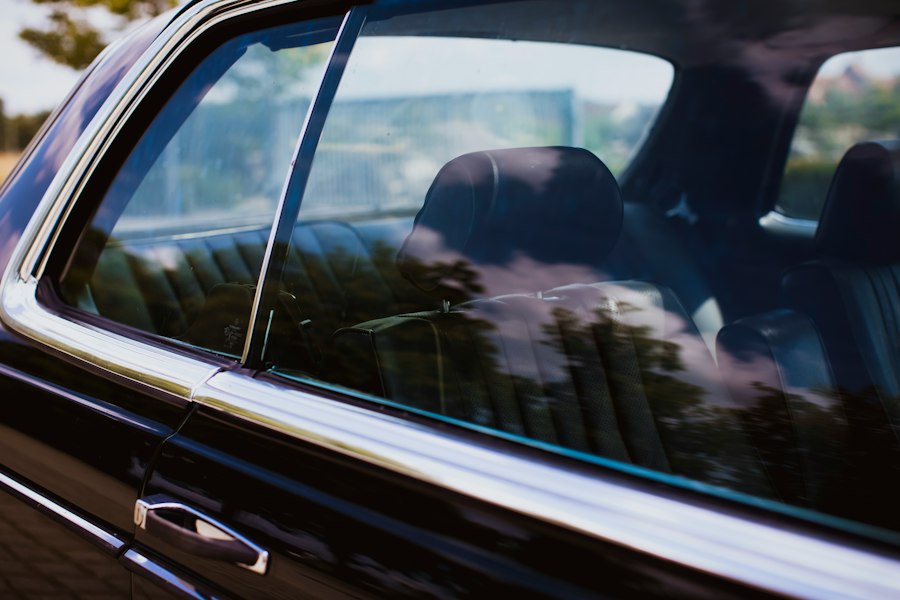
Now that you have a basic understanding of why car glass is special, let’s dive into the two main types you’ll find on virtually every vehicle: laminated and tempered glass. These aren’t just different names for the same thing; they represent distinct materials with unique construction methods and safety characteristics. Your car likely utilizes both, strategically placed where their specific properties are most beneficial. You might be surprised to learn that the glass that can shatter into thousands of tiny pieces is actually a safety feature, and the glass that holds together even when cracked is designed for a different kind of protection. Understanding the differences between these two primary types will illuminate why your windshield is made one way and your side windows another. It’s all about balancing safety, functionality, and cost.
Laminated Glass: The Unbreakable Shield
Laminated glass is the workhorse of your car’s windshield and is increasingly used in other areas for its superior safety and security features. You might not realize it, but the glass in your windshield isn’t a single sheet. It’s actually a sandwich, and the “filling” is what makes it so effective. This construction is the reason why, even when heavily impacted, your windshield often cracks but remains largely intact, preventing immediate ejection of occupants and the intrusion of debris. The unique properties of laminated glass are all about preventing penetration. It’s engineered to resist shattering into dangerous shards, making it a critical safety component in preventing serious injuries during accidents. You’ll learn how this “sandwich” construction works and why it’s the preferred choice for the front of your vehicle, offering a robust defense against impacts and external elements.
The Sandwich Construction: Layers of Protection
The core of laminated glass is a layer of polyvinyl butyral (PVB) plastic sandwiched between two layers of standard glass. The glass itself is usually annealed glass, meaning it’s been heated and cooled slowly to relieve internal stresses. The magic happens when these three components are fused together under heat and pressure. The PVB layer acts as an incredibly strong adhesive, holding the glass fragments together even if the glass cracks or breaks. Think of it like a super-strong, transparent glue. This molecular bond is what prevents the glass from splintering outwards. When an impact occurs, the energy is absorbed by the PVB interlayer, and the glass might spiderweb with cracks, but the pieces remain largely adhered to the plastic. This is fundamentally different from how other types of glass break. This construction method ensures that even under significant force, the integrity of the window is maintained to a remarkable degree, providing a vital barrier.
Safety and Security Benefits of Laminated Glass
The primary benefit of laminated glass is its enhanced safety and security. In a collision, it significantly reduces the risk of occupants being ejected from the vehicle. This is crucial because ejection dramatically increases the likelihood of severe injury or fatality. The PVB layer also acts as a deterrent to smash-and-grab thieves, as it’s much harder to break through than tempered glass. While a determined individual can eventually breach it, it takes considerably more effort and time. Furthermore, laminated glass provides better sound insulation and offers protection against UV rays, contributing to a more comfortable and protected cabin environment. The way it absorbs impact and retains its form is a testament to clever engineering designed for occupant well-being. You’re not just looking through glass; you’re looking through a sophisticated safety system.
Tempered Glass: The Shatter-Resistant Choice
Tempered glass, often called toughened glass, is the material of choice for most of your car’s side and rear windows. While it’s known for its strength, its behavior when it does break is its most distinctive and arguably most important safety feature. Unlike regular glass, which can break into sharp, dangerous shards, tempered glass is designed to shatter into thousands of small, relatively harmless, granular pieces. This controlled fragmentation is the result of a specific heat treatment process that gives it its unique properties. You’ve likely seen the results of this process: a shattered side window that looks like it’s exploded into tiny cubes. This isn’t a messy failure; it’s a deliberate design to minimize injury. This section will explore how tempered glass is made and why its particular way of breaking is considered a safety advantage in specific applications.
The Heat Treatment Process: Creating Internal Stress
The transformation of ordinary glass into tempered glass involves a process called thermal tempering. After the glass is cut to its final shape, it’s heated in a furnace to just below its softening point (around 620°C or 1150°F). Once evenly heated, it’s rapidly cooled by blowing cold air onto its surface. This sudden cooling causes the outer surfaces of the glass to cool and contract faster than the inner core. This differential cooling creates immense internal stresses: the outer surfaces are put under compression, while the inner core is put under tension. These carefully controlled stresses are what make tempered glass four to five times stronger than annealed glass of the same thickness. It’s this internal pressure cooker that allows it to withstand impacts that would shatter ordinary glass.
The “Safe Break” Phenomenon: Granular Fragmentation
The real safety advantage of tempered glass lies in how it breaks. When a tempered glass pane experiences a strong enough impact, the internal stresses are overcome, and the glass fractures. However, instead of breaking into long, sharp shards, the tension is released, causing the glass to break into thousands of small, relatively blunt pieces. Imagine tiny little pebbles rather than knives. This “granular fragmentation” significantly reduces the risk of severe lacerations and deep cuts, which is why it’s ideal for areas where occupants might be closer to the glass, such as side and rear windows. This predictable and controlled breakage pattern is a crucial safety feature designed to minimize harm during a collision.
Beyond the Big Two: Other Specialty Glass Types
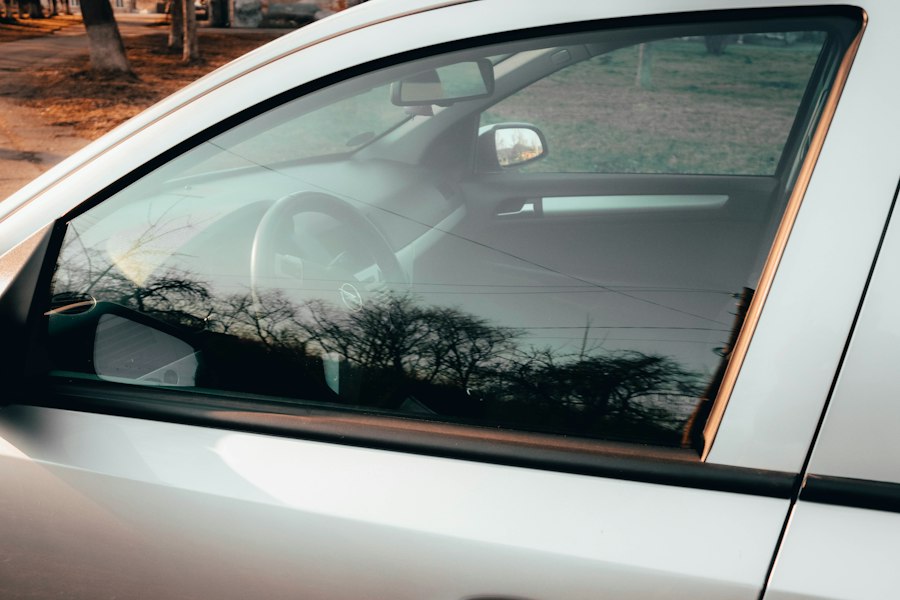
While laminated and tempered glass are the dominant players in automotive glazing, there are other, more specialized types of glass used in certain vehicles or for specific functions. These might include features like privacy glass, solar-control glass, or even the increasingly complex integrated antenna systems embedded within your car’s windows. You might not encounter these in every car, but they represent advancements in automotive glass technology that enhance comfort, security, and functionality. Understanding these niche applications can offer a glimpse into the future of automotive design and the evolving role of glass in our vehicles. These technologies go beyond basic visibility and protection, offering added benefits tailored to specific needs.
Integrated Antennas and Heating Elements
Many modern vehicles have integrated antennas and heating elements directly embedded within the glass. For antennas, thin wires or conductive coatings are applied to the glass surface, allowing for radio, GPS, and cellular signals to be received or transmitted without the need for external mast antennas. This not only improves the aesthetics of the vehicle but also protects the antenna from damage and the elements. Similarly, resistive heating elements are incorporated into the glass, particularly in the rear window and sometimes the windshield, to quickly defrost or defog the glass. These are often visible as fine, horizontal lines across the glass. The technology is discreet, offering significant practical benefits.
Solar-Control and Privacy Glass
To improve comfort and fuel efficiency, some vehicles feature solar-control glass. This type of glass is treated with special coatings or tinted during the manufacturing process to reflect or absorb specific wavelengths of solar radiation. This helps to reduce the amount of heat entering the cabin, making it cooler in the summer and reducing the load on the air conditioning system. Conversely, privacy glass is designed to reduce visibility from the outside into the cabin. This is often achieved through darker tinting or the use of specialized interlayer materials. It enhances security and passenger comfort by limiting prying eyes. You might notice that some vehicles have a darker tint on the rear windows compared to the front, a common application of these technologies.
Understanding Damage and Repair Options
Now that you’re familiar with the different types of automotive glass, let’s talk about what happens when they get damaged and what your options are. Not all chips and cracks are created equal, and understanding the type of glass involved will help you know the severity of the damage and the best course of action. Sometimes, a small chip can be repaired, saving you money and preventing the need for a full replacement. Other times, especially with certain types of damage to laminated glass, replacement is the only safe option. This section will guide you through common types of damage and the typical repair or replacement procedures for each glass type. Knowing your options empowers you to make informed decisions about maintaining your vehicle’s safety and integrity.
When a Chip Becomes a Crack: The Progression of Damage
Damage to car glass often starts as a small impact point, commonly referred to as a chip or a star break. If left unattended, these small imperfections can spread over time, especially with changes in temperature, vibrations from driving, or further impacts. A chip can turn into a crack, and a crack can spread across the entire pane. For laminated glass, a crack means the integrity of the interlayer is compromised, and water, dirt, and air can seep in, further weakening the bond and potentially leading to delamination. For tempered glass, a crack can sometimes lead to a more significant shattering event. Early intervention is often key to preventing minor damage from becoming a major problem requiring expensive replacement.
Repair vs. Replacement: Making the Right Choice
The decision between repairing and replacing a damaged piece of car glass depends on several factors, including the type of glass, the size and location of the damage, and the severity of the impact.
Laminated Glass Repair
Small chips and cracks on laminated glass (typically windshields) can often be repaired by professional auto glass technicians. The process involves injecting a special resin into the damaged area. This resin is then cured under UV light, effectively bonding the glass fragments together and restoring the structural integrity and clarity of the windshield. Repair is generally more cost-effective and environmentally friendly than replacement. However, repairs are not always possible. If the damage is too large, too deep, or too close to the edge of the windshield, replacement will be necessary to ensure safety.
Tempered Glass and the Limits of Repair
Tempered glass, due to its unique fragmentation properties, is generally not repairable. Once tempered glass cracks or breaks, the internal stresses are released, and the material has lost its structural integrity in a way that resin injection cannot fully restore. Attempting to repair tempered glass can be ineffective and may even compromise the remaining strength of the pane. Therefore, any significant damage to a tempered glass window (side or rear) almost always requires replacement. The focus here is on replacing the compromised component with a new, intact piece of tempered glass to maintain the safety standards of the vehicle.
When considering the various types of car window glass, it’s essential to understand their unique properties and applications. For a deeper insight into this topic, you can explore a related article that breaks down the different glass types and their benefits. This information can be particularly useful for anyone looking to replace or upgrade their vehicle’s windows. To learn more, check out this informative piece on Freaky Science.
Maintaining Your Automotive Glass: Tips and Tricks
| Glass Type | Description | Common Uses | Safety Features | Advantages | Disadvantages |
|---|---|---|---|---|---|
| Tempered Glass | Heat-treated glass that is strengthened and shatters into small, blunt pieces. | Side windows, rear windows | Breaks into small, less harmful pieces to reduce injury risk | Strong, shatters safely, cost-effective | Cannot be repaired if cracked, less sound insulation |
| Laminated Glass | Two layers of glass bonded with a plastic interlayer (usually PVB). | Windshields, some side windows | Holds together when shattered, prevents ejection | High safety, noise reduction, UV protection | More expensive, heavier, harder to replace |
| Acoustic Laminated Glass | Laminated glass with an additional acoustic interlayer for noise reduction. | Windshields, luxury vehicle side windows | Enhanced noise dampening, retains laminated safety features | Superior sound insulation, safety, UV protection | Higher cost, increased weight |
| Privacy Glass (Tinted) | Glass with a dark tint to reduce visibility and block sunlight. | Rear side windows, rear windshield | Reduces glare and UV exposure | Improves privacy, reduces heat inside vehicle | May reduce visibility at night, legal restrictions in some areas |
| Solar Control Glass | Glass treated or coated to reflect or absorb solar energy. | Windshields, side windows | Reduces heat buildup inside vehicle | Improves comfort, reduces air conditioning load | Can be more expensive, may affect visibility |
Your car’s windows are more than just transparent panes; they are critical safety components that require proper care. Just like your tires and brakes, they need attention to ensure they function optimally and last as long as possible. Simple maintenance practices can prevent minor issues from escalating into costly repairs and keep your visibility clear, which is paramount for safe driving. You’ll learn about how to clean your glass effectively, what to avoid, and how to spot potential problems before they become serious. This section is about empowering you with the knowledge to protect your investment and ensure your car’s glass remains a reliable part of your safety system.
Routine Cleaning for Clarity and Longevity
Regular cleaning of your car’s glass is essential for maintaining clear visibility and preventing the buildup of grime that can degrade the glass surface over time. Use a high-quality glass cleaner specifically designed for automotive use. Avoid harsh household cleaners, as they can contain ammonia or abrasive chemicals that can damage tinting or coatings. For best results, use a microfiber cloth to apply the cleaner and another clean microfiber cloth to buff the glass dry. Clean both the inside and outside of the glass. Don’t forget to clean the edges and corners where dirt and debris can accumulate. For stubborn spots like insect residue or tree sap, use a specialized automotive glass cleaner or a mild soap and water solution.
Protecting Your Glass from Damage
Prevention is always better than cure when it comes to automotive glass. While you can’t control every pebble on the road, there are steps you can take to minimize the risk of damage. Avoid parking under trees that regularly drop sap or debris. When washing your car, be mindful of the pressure washer spray, as excessive force can sometimes damage seals or even existing small chips. If you notice a small chip, get it repaired promptly. Delaying repairs on laminated glass can lead to the chip spreading, making it unrepairable and necessitating a full windshield replacement. Consider a protective film for your windshield if you live in an area prone to rock chips, although this is a less common but available option.
What to Do After an Incident
If your car’s glass sustains damage, whether it’s a small chip or a shattered window, it’s important to act promptly. For chips on laminated glass, contact a professional auto glass repair service as soon as possible to assess if a repair is feasible. If a side or rear window is broken, ensure you safely sweep away all broken glass from the interior and exterior of your vehicle before driving. You can temporarily cover the opening with a sturdy plastic sheeting and tape to protect the interior from the elements until you can get it replaced. Many insurance policies cover auto glass damage, sometimes with a waived deductible, so check your coverage. Prompt action not only ensures your safety but also helps prevent further damage and potential costs.

Your Car Window Can Keep You In—Even When You Need Out
FAQs
What are the different types of car window glass?
There are three main types of car window glass: tempered glass, laminated glass, and aftermarket tinted glass.
What is tempered glass and where is it used in a car?
Tempered glass is a type of safety glass that is used for side and rear windows in a car. It is designed to shatter into small, blunt pieces when broken, reducing the risk of injury.
What is laminated glass and where is it used in a car?
Laminated glass is made up of two layers of glass with a layer of plastic in between. It is commonly used for windshields in cars because it holds together when shattered, providing added safety.
What is aftermarket tinted glass and how does it differ from factory tinted glass?
Aftermarket tinted glass is regular glass that has been tinted after the car has been manufactured. Factory tinted glass, on the other hand, has the tint applied during the manufacturing process.
Are there any regulations regarding the tint darkness of car window glass?
Yes, there are regulations that vary by location regarding the darkness of tint that can be applied to car windows. It is important to check local laws to ensure compliance.