Understanding the Glass Beneath Your Gaze
You probably don’t spend much time thinking about the glass in your car’s windows. It’s just there, a transparent barrier between you and the outside world, allowing you to see the scenery or the road ahead. But behind that seemingly simple piece of transparent material lies a complex world of engineering, safety standards, and rigorous testing. You might be surprised to learn that your car windows aren’t just any old glass; they are specifically designed and manufactured to meet stringent safety standards, ensuring your protection and the durability of this vital component. This article will guide you through the essential aspects of car window glass safety standards, explaining why they are so crucial and what makes them effective.
When considering the importance of car window glass safety standards, it’s essential to stay informed about the latest regulations and innovations in automotive safety. A related article that delves into these topics can be found at Freaky Science, where you can explore how advancements in glass technology are enhancing passenger protection and overall vehicle integrity.
The Science Behind Your Shield: Types of Automotive Glass

When you peer through your car window, you’re likely looking through one of two primary types of safety glass: tempered glass or laminated glass. Each has distinct properties that make it suitable for different applications within your vehicle, all governed by the overarching safety standards.
The Strength of the Tempered Variety
Tempered glass, also known as toughened glass, is a type of safety glass that undergoes a special heat treatment process. This process involves heating the glass to a high temperature and then rapidly cooling it with air jets. This rapid cooling creates a state of internal stress within the glass, with the outer surfaces becoming compressed and the interior becoming under tension. This internal stress distribution is what gives tempered glass its remarkable strength and its unique failure mechanism. Compared to regular annealed glass, tempered glass is approximately four to five times stronger.
How Tempered Glass Breaks
This strength is not the only safety feature of tempered glass. Its most significant safety characteristic lies in how it breaks. When tempered glass is subjected to a severe impact that exceeds its breaking point, it doesn’t shatter into sharp, dangerous shards. Instead, it breaks into small, relatively blunt, granular pieces. Imagine a mosaic of tiny, pebble-like fragments. This “dicing” effect significantly reduces the risk of serious lacerations and injuries to occupants in the event of a collision or impact. The controlled breakage pattern is a direct result of the internal stress built into the glass during its manufacturing process. When the glass fractures, the stored stress is released in a way that breaks the pane into these small, less hazardous pieces.
The Laminated Layer of Defense
Laminated glass, on the other hand, is a composite material. It consists of two or more layers of glass bonded together with an interlayer of plastic, most commonly polyvinyl butyral (PVB). Think of it as a glass sandwich, where the PVB layer acts as the filling. This construction is what gives laminated glass its distinctive safety properties.
The Interlayer’s Crucial Role
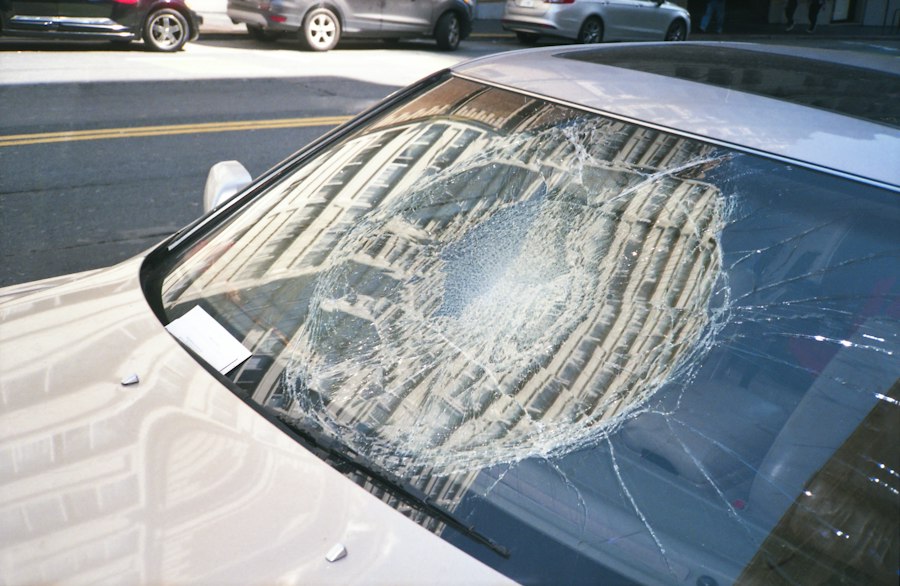
The PVB interlayer is the key to laminated glass’s performance. When laminated glass is impacted and breaks, the glass layers may crack, but the PVB interlayer will hold the fragments together. This prevents the glass from shattering and falling into the passenger compartment. Instead, the broken glass remains largely adhered to the plastic interlayer, creating a spiderweb-like crack pattern. This significantly reduces the risk of occupants being ejected from the vehicle during a severe accident and also offers protection against projectiles or debris entering the cabin.
Where You’ll Find Each Type
Tempered glass is typically used for side windows and rear windows of most vehicles. Its strength and dicing breakage pattern make it ideal for these areas where occupants are in close proximity to the glass. Laminated glass, however, is almost exclusively used for windshields. The windshield is the largest glass surface and is critical for the structural integrity of the vehicle’s roof in a rollover accident. The ability of laminated glass to remain intact even when cracked provides a crucial layer of protection. Furthermore, the laminated construction helps to contain occupants within the vehicle during a rollover and also offers some protection against flying debris and noise reduction. The development and widespread adoption of these two types of safety glass have been pivotal in improving automotive safety over the decades.
Navigating the Regulatory Landscape: Global Safety Standards
The performance of automotive glass isn’t left to chance. A robust framework of international and national safety standards dictates the requirements for car window glass, ensuring a baseline level of protection for all drivers and passengers. These standards are constantly evolving as new technologies emerge and our understanding of crash dynamics improves.
The United Nations’ Influence: ECE Regulations
Many countries around the world adhere to United Nations Economic Commission for Europe (UNECE) regulations, often referred to as ECE regulations. These regulations provide a harmonized set of technical requirements for automotive components, including safety glazing. ECE R43, for instance, specifically addresses safety glazing for vehicles. It outlines tests and requirements for both tempered and laminated glass, covering aspects like impact resistance, optical properties, and resistance to penetration. Compliance with these regulations ensures that the glass meets a predefined level of safety and performance, regardless of where the vehicle is manufactured or sold, as long as the importing country adopts these standards.
America’s Approach: FMVSS Standards
In the United States, the Federal Motor Vehicle Safety Standards (FMVSS) are the governing regulations. FMVSS 205, “Glazing Materials,” is the primary standard for automotive glass. This standard sets performance requirements for all glazing materials used in vehicles, including windshields, side windows, and rear windows. FMVSS 205 specifies testing procedures for impact resistance, penetration resistance, and optical clarity. It also defines which types of glass are permitted for specific locations in the vehicle. For example, it mandates the use of laminated glass for windshields and permits tempered glass for side and rear windows, provided it meets certain impact performance criteria. The testing protocols within FMVSS are designed to simulate real-world crash scenarios and ensure that the glass will perform as intended to protect occupants.
Other International Frameworks and Variations
Beyond ECE and FMVSS, other regions and countries have their own specific regulations or may adopt and adapt international standards. For example, in Japan, the relevant standards are governed by the Ministry of Land, Infrastructure, Transport and Tourism (MLIT). In Australia, the Australian Design Rules (ADRs) set the requirements for vehicle safety, including glazing. While the core principles of safety glass performance remain consistent globally – namely, to provide visibility and protect occupants – the specific testing methodologies, performance thresholds, and material specifications can vary. This means that a car sold in Europe might have glass that meets ECE R43, while the same model sold in the U.S. will have glass that meets FMVSS 205. Manufacturers must ensure their glass meets the specific standards of the markets in which their vehicles are sold. This global harmonization, where possible, simplifies manufacturing and ensures a consistent level of safety worldwide.
Rigorous Testing Protocols: Putting Glass to the Ultimate Test
The safety standards are only as good as the tests used to verify compliance. Automotive glass undergoes a battery of rigorous tests designed to simulate the extreme forces and impacts it might encounter in a real-world driving scenario. These tests are critical for validating the performance and reliability of the glass.
Impact Resistance: The Pendulum and the Ball Drop
One of the most fundamental tests is impact resistance. This is typically assessed through two main methods: the pendulum impact test and the ball drop test. In the pendulum impact test, a weighted pendulum strikes the glass at a specified location and velocity. The test evaluates whether the glass breaks and, if it does, the nature of the breakage. For tempered glass, the objective is to break into small, granular pieces. For laminated glass, the objective is to prevent penetration and maintain the integrity of the interlayer. The ball drop test involves dropping a steel ball of a specific weight from a predetermined height onto the glass. This test also assesses the glass’s ability to withstand impact and its fracture pattern. These tests are crucial for understanding how the glass will react to objects striking it, whether it’s debris on the road or even another vehicle in a collision.
Penetration Resistance: Keeping the Outside Out
Another critical test is penetration resistance. This test is particularly important for laminated glass, especially windshields, as it evaluates the glass’s ability to prevent objects from passing through it. A common method involves dropping a sharp, heavy object, such as a pointed steel probe or a bowling ball, onto the glass. The test determines if the object penetrates the glass and how much of the glass area is compromised. A successful outcome means the glass cracks but remains largely intact, preventing the object from entering the passenger compartment. This is vital for occupant safety, preventing ejection from the vehicle and shielding occupants from external hazards.
Thermal and Chemical Resistance: Withstanding the Elements
Beyond direct impact, automotive glass must also withstand environmental factors. Thermal shock resistance tests are conducted to ensure the glass can tolerate rapid temperature changes without cracking. This is important in regions with extreme weather fluctuations. Chemical resistance tests assess the glass’s ability to withstand exposure to common automotive fluids like gasoline, oil, and cleaning agents, ensuring that the glass’s integrity and optical properties are not degraded over time. These tests ensure that your car windows can endure the everyday rigors of driving and exposure to the elements without compromising their safety or durability.
Optical Clarity and Distortion: Seeing Clearly, Safely
Safety isn’t just about withstanding impact; it’s also about ensuring clear visibility. Automotive glass must meet strict optical quality standards to prevent distortion and maintain a clear view of the road and surroundings. Tests are performed to measure light transmission, assess distortion levels, and ensure that the driver’s vision is not compromised. This includes checking for waviness, bubbles, or other imperfections that could lead to misjudgments of distance or other hazards. The quality of vision provided by your car windows is as much a safety feature as their ability to withstand impact.
When considering the safety of car window glass, it’s essential to understand the various standards that govern its production and performance. A related article that delves into these safety standards can be found at Freaky Science, which explores how advancements in technology are shaping the future of automotive glass. This resource provides valuable insights into the materials and testing procedures that ensure the safety and durability of car windows, making it a must-read for anyone interested in automotive safety.
Durability and Longevity: Ensuring a Long-Term Partnership
| Standard | Region | Requirement | Test Method | Purpose |
|---|---|---|---|---|
| FMVSS 205 | United States | Laminated safety glass for windshields; tempered or laminated for side and rear windows | Impact test, penetration resistance, optical quality | Ensure occupant protection from glass breakage and reduce injury risk |
| ECE R43 | Europe | Specifications for laminated and tempered glass; light transmission and strength requirements | Impact test, light transmittance measurement, fragmentation test | Safety and visibility standards for automotive glazing |
| JIS R3211 | Japan | Safety glass standards including laminated and tempered glass for vehicles | Impact resistance, fragmentation, and optical clarity tests | Protect passengers and ensure durability of automotive glass |
| AS/NZS 2080 | Australia/New Zealand | Safety glazing materials for motor vehicles; laminated and toughened glass requirements | Impact and penetration tests, light transmission | Reduce injury from glass breakage in accidents |
| ANSI Z26.1 | United States | Safety glazing materials for motor vehicles; includes performance criteria for laminated and tempered glass | Impact, penetration, and optical tests | Ensure safety and performance of automotive glass |
The safety standards for automotive glass don’t just focus on immediate impact resistance; they also encompass durability and longevity. You expect your car’s windows to last for years, providing consistent protection and clarity throughout the vehicle’s lifespan.
Resistance to Weathering and UV Radiation
Car windows are constantly exposed to the elements – sun, rain, wind, dust, and temperature fluctuations. Safety standards often include provisions for resistance to weathering and UV radiation. This ensures that the glass and its associated components, particularly the PVB interlayer in laminated glass, do not degrade significantly over time due to exposure to sunlight or harsh weather conditions. Degradation could lead to yellowing, delamination, or a loss of structural integrity, compromising both safety and aesthetics. Manufacturers conduct accelerated weathering tests to simulate years of exposure in a shorter period.
Scratch and Abrasion Resistance: Maintaining Clarity
While not as critical as impact resistance, scratch and abrasion resistance is also an important consideration for durability. You don’t want your windows to become opaque and difficult to see through due to minor scratches from cleaning or everyday use. While automotive glass is inherently quite hard, testing and quality control measures are in place to ensure a reasonable level of resistance to superficial damage. This helps maintain optical clarity and the overall appearance of the vehicle over its operational life.
Adhesion and Delamination Resistance
For laminated glass, the adhesion between the glass layers and the PVB interlayer is paramount. Standards ensure that this bond is strong and durable, preventing delamination – the separation of the glass from the interlayer. Delamination can occur due to moisture ingress, temperature extremes, or manufacturing defects. It compromises the structural integrity of the glass and can lead to fogging between the layers. Testing protocols, such as immersion in hot water or exposure to high humidity, are employed to verify the long-term adhesion of the laminate.
The Future of Automotive Glass: Innovation and Enhanced Safety
The world of automotive glass is not static. Continuous research and development are leading to innovations that promise even greater safety and functionality in the future. You can expect your car windows to become more sophisticated, offering benefits beyond just protection and visibility.
Smart Glass Technologies: More Than Just Transparency
The concept of “smart glass” is increasingly being integrated into automotive applications. This includes technologies like electrochromic glass, which can electronically change its tint level, reducing glare and heat without the need for manual blinds. You might also see advancements in self-healing glass, where minor scratches can repair themselves over time, or glass with integrated display capabilities for heads-up displays (HUDs) or infotainment systems. These technologies aim to enhance the driver’s experience and safety by providing information and controlling the cabin environment more effectively.
Advanced Materials and Manufacturing Processes
Ongoing research is exploring new materials and manufacturing processes that could lead to even stronger, lighter, and more resilient automotive glass. This could involve new types of polymer interlayers for laminated glass, advanced ceramic composites, or novel tempering techniques. The goal is to improve impact performance, reduce weight (contributing to better fuel efficiency), and enhance acoustic insulation. The continuous pursuit of better materials and processes is a testament to the commitment to improving automotive safety and performance.
Integrated Functionality: Beyond Simple Glazing
The future of automotive glass also lies in its integration with other vehicle systems. We are already seeing windshields that incorporate antennas and heating elements. Future innovations could see glass surfaces that integrate sensors for advanced driver-assistance systems (ADAS), such as cameras, radar, and lidar, seamlessly embedded within the glass itself. This would not only improve the aesthetic integration of these systems but could also enhance their performance by providing a more stable and unobstructed view. The car window is evolving from a passive barrier to an active participant in the vehicle’s overall safety and technological ecosystem.

Your Car Window Can Keep You In—Even When You Need Out
FAQs
What are the safety standards for car window glass?
Car window glass safety standards include requirements for impact resistance, visibility, and shatter resistance. These standards are in place to protect occupants in the event of a collision or accident.
How is the impact resistance of car window glass tested?
The impact resistance of car window glass is tested by subjecting the glass to impact tests using a steel ball or a pendulum. The glass must be able to withstand a certain level of force without breaking to meet safety standards.
What is shatter resistance in car window glass?
Shatter resistance in car window glass refers to the ability of the glass to break into small, dull pieces upon impact instead of shattering into sharp, dangerous shards. This helps reduce the risk of injury to occupants during an accident.
Are there specific regulations for tinted car window glass?
Yes, there are regulations regarding the level of tint allowed on car window glass. These regulations vary by location but are in place to ensure that visibility is not compromised for drivers and that law enforcement officers can see into the vehicle for safety purposes.
How can I ensure that my car window glass meets safety standards?
To ensure that your car window glass meets safety standards, it is recommended to have any repairs or replacements done by a reputable auto glass professional. Additionally, look for glass that meets industry standards such as ANSI/SAE Z26.1 for laminated glass and ANSI/SAE Z26.1 for tempered glass.