Can You Feel Anything Under General Anesthesia?
The operating room hums with a controlled urgency. You lie on the sterile table, the fluorescent lights stark against the ceiling. A mask is placed over your face, and a gentle voice, calm and reassuring, tells you to breathe deeply. You feel a cool sensation, a faint scent, and then… nothing. But as you prepare for surgery, a primal question inevitably surfaces: can you feel anything under general anesthesia? It’s a concern that echoes through many minds, fueled by stories, movies, and the sheer unknown of what happens when consciousness is intentionally suspended. You’re entrusting your body and mind to this powerful chemical cocktail, and the desire for reassurance, for understanding, is natural. This article will delve into the complexities of general anesthesia, exploring what it is, how it works, and the fascinating reality of consciousness during this medically induced state.
When you hear “general anesthesia,” you might picture a deep, dreamless sleep. While it shares similarities, it’s far more intricate and purposeful. It’s not simply about making you unconscious; it’s a meticulously controlled state designed to achieve several crucial objectives for surgical procedures. Understanding these objectives helps demystify the process and alleviate some of your anxieties.
The Core Goals of General Anesthesia
General anesthesia is a complex medical state induced by anesthetic drugs. Its primary purpose isn’t just to render you unconscious, but to create an environment where surgeons can operate safely and effectively. This involves a delicate balance of several key components.
Amnesia: Forgetting the Experience
One of the most significant benefits of general anesthesia is amnesia. This means that you will have no memory of the surgical procedure itself, from the moment the anesthetic takes hold until you begin to wake up. This is crucial for your psychological well-being, preventing the trauma of witnessing or recalling the surgical event. Your anesthesiologist will administer drugs specifically chosen to induce this state of forgetfulness. They are not just about making you unaware; they actively erase your ability to form new memories during the period of anesthesia. This is a cornerstone of modern surgical practice, ensuring a more positive recovery experience.
Analgesia: Pain Relief Like No Other
The most obvious and perhaps most anticipated effect of anesthesia is pain relief. General anesthesia provides profound analgesia, meaning you will feel absolutely no pain during the surgery. This is achieved through a combination of anesthetic agents that block pain signals from reaching your brain. This level of pain control is far beyond what can be achieved with local anestesthetics or pain medication alone. The surgical team can work with confidence, knowing that your body is not experiencing the stress and shock of surgical pain. This complete absence of sensation is vital for preventing physiological responses that could complicate the surgery.
Immobility: Enabling Surgical Precision
For many surgical procedures, it’s essential that the patient remains completely still. Even the slightest involuntary movement can jeopardize the precision of the surgeon’s work, leading to complications or a less optimal outcome. General anesthesia achieves this immobility through various mechanisms, including muscle relaxants and the inherent sedative effects of the anesthetic agents. Your muscles will be relaxed to the point where you cannot move, allowing the surgical team the stable conditions they need to perform their delicate maneuvers. This immobility is a critical factor in the success of complex surgeries.
Unconsciousness: The Absence of Awareness
The defining characteristic of general anesthesia is unconsciousness. You are not awake, aware of your surroundings, or able to perceive what is happening. This is achieved by agents that depress the central nervous system, effectively shutting down your conscious awareness. The anesthesiologist carefully monitors your depth of unconsciousness to ensure it is sufficient for the surgery but not so deep that it poses unnecessary risks. The goal is a reversible state where your brain activity is significantly dampened, allowing for a safe and effective procedure.
If you’re curious about the effects of general anesthesia and whether patients can feel anything during the procedure, you might find the article on Freaky Science particularly insightful. It delves into the science behind anesthesia, explaining how it works and addressing common misconceptions. For more information, you can read the article here: Freaky Science.
How Anesthesia Works: The Neurological Pathway
The magic of general anesthesia lies in its ability to interact with your brain at a fundamental level. It’s not a simple switch being flipped off; rather, it’s a complex interplay of chemical signals that temporarily alter brain function. Understanding this process can offer a greater sense of control and reduce apprehension.
The Role of Neurotransmitters
Your brain communicates through a sophisticated network of neurons, and the signals are transmitted by chemicals called neurotransmitters. Anesthetic drugs work by interfering with the normal functioning of these neurotransmitters, essentially jamming the communication lines in your brain. This disruption is what leads to the various effects of anesthesia.
Inhibitory Neurotransmitters: The “Calming” Effect
Some anesthetic agents enhance the effects of inhibitory neurotransmitters, such as GABA (gamma-aminobutyric acid). GABA is like the brain’s natural brake pedal; it reduces neuronal excitability. By increasing GABA’s activity, anesthetics effectively slow down brain activity, leading to sedation and unconsciousness. You can think of it as amplifying the natural calming signals within your brain, making it much harder for neurons to fire and communicate. This is a key mechanism for inducing a state of reduced awareness.
Excitatory Neurotransmitters: The “Dampening” Effect
Conversely, anesthetic drugs can also block the action of excitatory neurotransmitters, such as glutamate and acetylcholine. These neurotransmitters are responsible for stimulating neuronal activity. By blocking their effects, anesthetics further contribute to the dampening of brain function, reinforcing the sedative and amnesic properties of the anesthetic. Imagine trying to have a lively conversation, but the people who are supposed to be shouting the messages are suddenly muffled. This is analogous to how anesthetics interfere with excitatory neurotransmission.
Different Routes of Administration
Anesthesia isn’t just administered through one method. The choice of administration depends on the type of surgery, your health, and the preferences of the anesthesiology team. Each route has its own advantages and is designed to achieve the desired effects efficiently.
Inhalational Anesthetics: Breathing in the Sleep
Inhalational anesthetics are gases or volatile liquids that are delivered through a breathing mask or a tube inserted into your airway. You breathe these agents in, and they quickly enter your bloodstream and reach your brain. These are often used for maintaining anesthesia after an initial dose of intravenous anesthetic. Examples include sevoflurane and desflurane. They are potent and can be adjusted rapidly, allowing the anesthesiologist to fine-tune the depth of anesthesia in real-time. The rapid uptake and elimination make them a versatile choice.
Intravenous Anesthetics: The Fast-Acting Sedatives
Intravenous anesthetics are administered directly into your bloodstream through an IV line. These drugs typically act very quickly, inducing unconsciousness within seconds to minutes. They are often used to initiate general anesthesia or for shorter procedures. Common examples include propofol and etomidate. Propofol, in particular, is known for its smooth induction and rapid recovery, making it a popular choice for many surgeries. The direct delivery into the bloodstream ensures a swift and predictable onset of action.
The Experience of Anesthesia: What You Might (or Might Not) Perceive
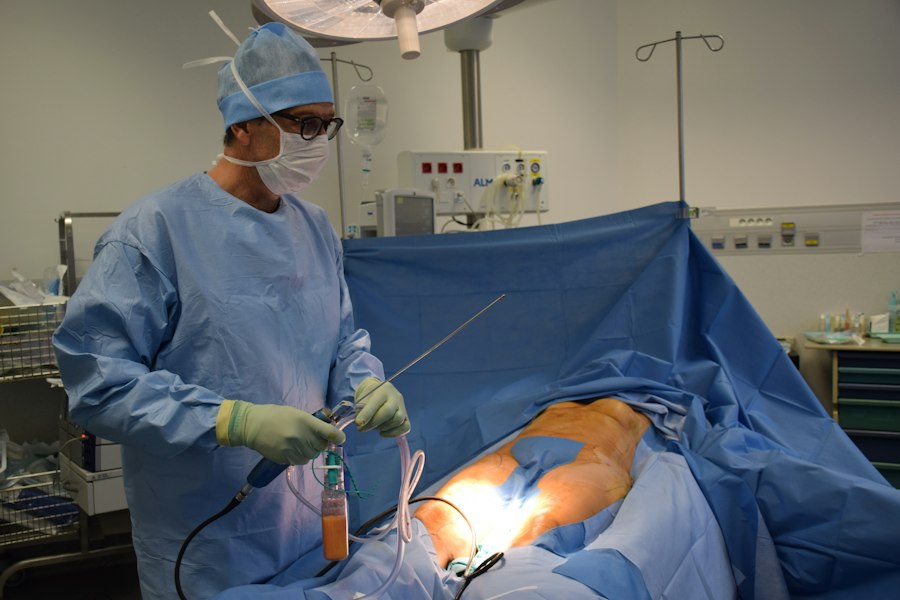
This is the crux of your question: what is it like to be under general anesthesia? The scientific consensus and the vast majority of patient experiences point to a profound lack of perception. However, the concept of “awareness” during anesthesia is a complex one, and it’s important to differentiate between true awareness and other phenomena.
The Absence of Conscious Perception
The primary goal and intended outcome of general anesthesia is a complete absence of conscious awareness and perception of pain, touch, or any external stimuli. You are not experiencing the surgery. Your brain is in a state where it cannot process sensory input or form conscious memories of the event. This is not a passive state of “being asleep”; it’s an active, medically induced suppression of consciousness.
The Definition of “Awareness” Under Anesthesia
The medical definition of awareness during anesthesia refers to a state where a patient, despite being under general anesthesia, experiences some level of consciousness or perception. This is extremely rare and is a significant concern for anesthesiologists. It is not the same as dreaming or having vivid dreams. It’s about a break in the continuity of anesthetic-induced unconsciousness.
Rare Instances of Intraoperative Awareness
While extremely rare, there are documented cases of intraoperative awareness during general anesthesia. This is a phenomenon that anesthesiologists take very seriously and strive to prevent. It’s important to understand the nuances of these rare events.
Risk Factors and Prevention Strategies
Several factors can contribute to a higher risk of intraoperative awareness, including certain medications, the type of surgery, and specific patient characteristics. Anesthesiologists employ rigorous monitoring techniques to detect any signs of impending awareness. This includes monitoring brain activity with electroencephalography (EEG) or bispectral index (BIS) monitoring, as well as observing physiological signs like heart rate and blood pressure. These tools help them adjust anesthetic levels to ensure you remain deeply unconscious.
The Nature of Intraoperative Awareness
When intraoperative awareness does occur, it is usually not a clear, conscious experience of the surgery. It can manifest as fragmented memories, a feeling of pressure, or a sense of paralysis without pain. Crucially, it does not typically involve the formation of coherent memories of the surgical details. The focus of research and clinical practice is on preventing any such occurrences altogether.
Monitoring Your Safety: The Anesthesiologist’s Crucial Role

Your safety is paramount during general anesthesia, and the anesthesiologist is your vigilant guardian throughout the process. They are not just administering drugs; they are constantly monitoring your body’s response and making real-time adjustments.
Physiological Monitoring: Vital Signs and Beyond
The anesthesiologist will continuously monitor a range of your vital signs. This goes beyond what you might experience at a doctor’s office; it’s a comprehensive and continuous assessment.
Heart Rate and Blood Pressure: Gauging Stress and Response
Your heart rate and blood pressure are key indicators of how your body is reacting to the anesthesia and the surgery. A sudden spike in blood pressure or heart rate could indicate that the anesthetic is too light or that your body is experiencing stress. The anesthesiologist will use this information to adjust the anesthetic and potentially administer other medications to keep you stable.
Oxygen Saturation: Ensuring Adequate Respiration
Pulse oximetry is used to measure the oxygen saturation in your blood. This ensures that your lungs are adequately taking in oxygen and that your blood is efficiently carrying it to your tissues. A drop in oxygen saturation would signal a problem with your breathing, which the anesthesiologist would immediately address.
Breathing Patterns and Rate: The Mechanics of Respiration
The anesthesiologist closely monitors your breathing rate and the depth of your breaths. If you are not breathing sufficiently on your own, a breathing tube will be inserted, and a ventilator will assist your respiration. They will adjust the settings on the ventilator to ensure optimal gas exchange.
Neurological Monitoring: Deepening the Understanding of Brain Activity
Advanced monitoring techniques allow anesthesiologists to get a more direct look at your brain’s activity, providing an objective measure of anesthetic depth.
Bispectral Index (BIS) Monitoring: Quantifying Brain Activity
BIS monitoring uses sensors placed on your forehead to measure the electrical activity of your brain. This provides a numerical score that reflects the depth of anesthesia. A lower BIS score generally indicates a deeper level of unconsciousness. The anesthesiologist uses this score as a guide to ensure you are adequately anesthetized for the procedure.
Electroencephalogram (EEG): The Electrical Symphony of the Brain
An EEG measures the overall electrical activity of the brain. While BIS monitoring provides a processed number, a full EEG can offer a more detailed picture of brain wave patterns. Certain patterns are associated with different levels of consciousness, allowing the anesthesiologist to assess whether the anesthetic is achieving the desired effect.
When considering the effects of general anesthesia, many people wonder about the sensations they might experience during surgery. A related article that delves deeper into this topic is available at Freaky Science, which explores the science behind anesthesia and addresses common concerns. Understanding how anesthesia works can help alleviate fears and provide clarity on what to expect during medical procedures.
Recovering from Anesthesia: The Journey Back to Consciousness
| Study | Percentage of Patients | Conclusion |
|---|---|---|
| Study 1 | 2% | Some patients reported feeling sensations under general anesthesia |
| Study 2 | 0.1% | Very rare cases of patients experiencing awareness under general anesthesia |
| Study 3 | 5% | Patients may have vague sensations but not pain under general anesthesia |
The process of waking up from general anesthesia is as carefully managed as the induction. Your body gradually shakes off the effects of the anesthetic drugs, and your consciousness slowly returns.
The Gradual Return of Awareness
Waking up from anesthesia is not usually an instantaneous event. It’s a gradual process, and your experience will vary depending on the specific anesthetic agents used, the duration of the surgery, and your individual physiology.
From Unconsciousness to Alertness
As the anesthetic agents are metabolized and eliminated from your body, your brain activity gradually increases. You’ll move from a state of deep unconsciousness to a more sedated state, then to drowsiness, and eventually to full alertness. You might feel groggy, disoriented, and experience temporary confusion.
Sensory Reawakening: A Gradual Process
Your senses will also reawaken gradually. You might start to hear sounds before you can see clearly or feel touch before you can move. The feeling of disorientation is common as your brain reacquires the ability to process external stimuli accurately.
Post-Anesthesia Care: Ensuring a Smooth Transition
The period immediately following surgery and anesthesia is crucial for your recovery. Post-anesthesia care units (PACUs) are designed to provide a safe and supportive environment for this transition.
Monitoring and Pain Management
In the PACU, your vital signs will continue to be closely monitored. Pain management is also a priority, with the medical team working to keep you comfortable as the effects of the anesthetic wear off and surgical pain may begin to emerge. They will administer pain medication as needed.
Addressing Side Effects and Nausea
Common side effects of anesthesia, such as nausea and vomiting, are also managed in the PACU. Medications can be given to prevent or treat these symptoms, ensuring a more comfortable recovery. The anesthesiologist and nursing staff are trained to anticipate and address these potential issues.
The Verdict: Do You Feel Anything?
Based on current medical understanding and the vast majority of patient experiences, the answer to whether you feel anything under general anesthesia is a resounding no, you do not feel anything. The drugs are designed to induce a state of unconsciousness where sensory perception, pain, and memory formation are completely suspended. While the rare occurrence of intraoperative awareness is a subject of ongoing research and vigilance, it is an anomaly, not the norm. Your anesthesiologist’s primary responsibility is to ensure you remain safely and deeply anesthetized throughout your procedure. The advanced monitoring and protocols in place are specifically designed to prevent any sensation or awareness of the surgery. So, as you lie in the operating room, you can rest assured that you are in a state of profound, medically induced oblivion, allowing the surgeons to work their wonders without you experiencing a single moment of discomfort or awareness.

You’re Not Asleep Under Anesthesia. So Where Do You Go?
FAQs
What is general anesthesia?
General anesthesia is a state of controlled unconsciousness where a person is put into a deep sleep and is unable to feel pain or move. It is commonly used during surgeries and other medical procedures.
Can you feel anything under general anesthesia?
No, under general anesthesia, a person cannot feel anything. The anesthesia blocks the transmission of nerve signals, preventing the person from experiencing pain or discomfort during the procedure.
Are there any risks or side effects of general anesthesia?
While general anesthesia is generally safe, there are some risks and potential side effects, such as nausea, vomiting, sore throat, and confusion. In rare cases, more serious complications such as allergic reactions, nerve damage, and even death can occur.
How is general anesthesia administered?
General anesthesia is typically administered through a combination of intravenous drugs and inhaled gases. The anesthesiologist carefully monitors the patient’s vital signs throughout the procedure to ensure their safety.
How long does it take to recover from general anesthesia?
The time it takes to recover from general anesthesia varies from person to person, but most people start to regain consciousness within a few minutes after the anesthesia is stopped. It may take several hours to fully recover and feel back to normal.