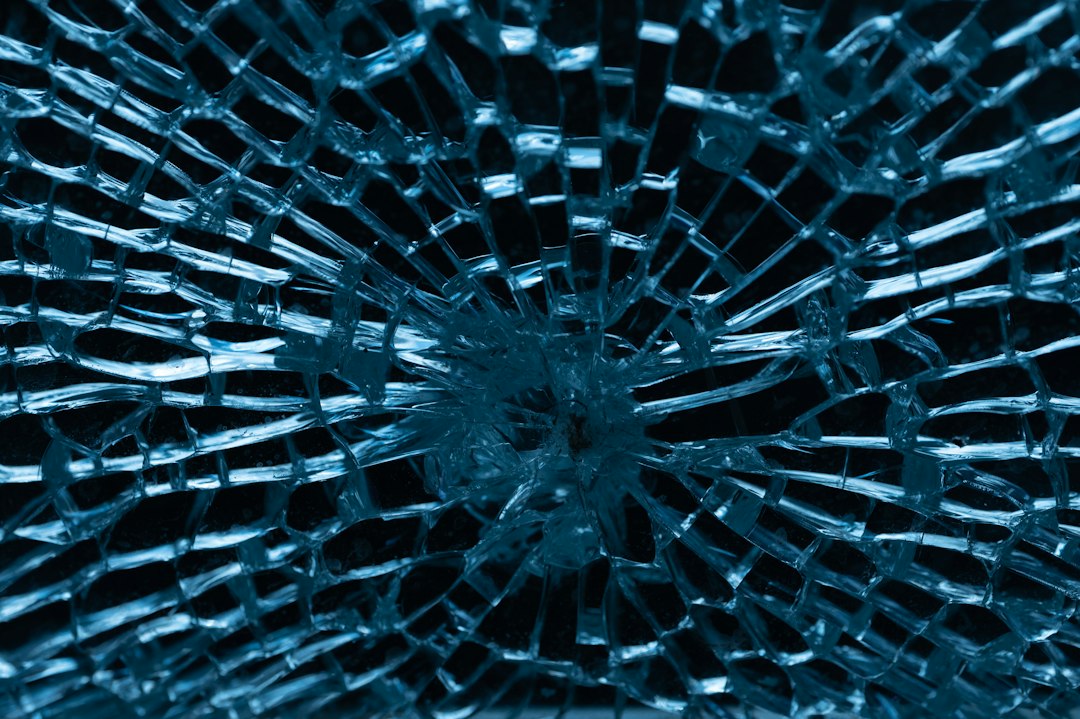
You’ve probably heard the phrase “bulletproof glass,” and maybe you’ve even seen it depicted in movies. You might be curious about how strong it really is, especially when it comes to something as common as car windshields. Can you, the average person, actually break laminated car glass? It’s a question that sparks a lot of curiosity, and the answer is nuanced, involving understanding the material itself, the forces involved, and the safety considerations surrounding its intended purpose.
The Science Behind Laminated Glass
Laminated glass isn’t your typical pane of glass. It’s a sophisticated composite material designed for safety and security. Imagine it as a sandwich, but instead of bread and filling, you have layers of glass bonded together with a strong interlayer. This interlayer is typically made of polyvinyl butyral (PVB), a thermoplastic polymer that’s both tough and flexible.
Understanding the Layered Structure
The creation of laminated glass is a precise process. Two or more sheets of glass are placed together with a PVB interlayer between them. This assembly is then heated under pressure, causing the PVB to flow and bond intimately with the glass surfaces. The result is a single, monolithic unit that retains the transparency of glass but gains significant advantages in terms of safety. The thickness of the glass panes and the PVB interlayer can vary depending on the intended application, with automotive windshields having specific requirements to balance visibility, impact resistance, and sound dampening.
The Role of the PVB Interlayer
The PVB interlayer is the true hero of laminated glass. When the glass is struck by an object, the glass itself may crack or shatter, but the PVB interlayer acts like a net, holding the fragments together. This is a critical safety feature. Instead of sharp, dangerous shards flying into the vehicle’s interior, the broken glass tends to remain adhered to the interlayer, significantly reducing the risk of injury to occupants. This adhesive property is what makes laminated glass so effective in preventing penetration and containing breakage.
Differences from Tempered Glass
It’s important to distinguish laminated glass from tempered glass, which is also used in vehicles but in different locations. Tempered glass, often found in side and rear windows, is heat-treated to create internal stresses. When it breaks, these stresses cause it to shatter into small, relatively harmless granular pieces. Laminated glass, on the other hand, is designed to crack and hold together. This difference in behavior dictates their respective uses. A windshield needs to resist impacts from debris on the road and also prevent occupants from being ejected in a collision, making the “holding together” property of laminated glass paramount.
If you’re curious about the properties of laminated car glass and whether it can be broken, you might find the article on Freaky Science insightful. It delves into the science behind laminated glass, its construction, and the techniques used to enhance its durability. To explore this topic further, you can read the article here: Freaky Science.
The Strength of Laminated Car Glass
So, can you, with your own strength or common tools, break this seemingly robust material? The answer is yes, but not easily, and certainly not in the way you might break a regular glass pane. The forces required are significant, and the way it breaks is fundamentally different.
Resistance to Impact
Laminated car glass is engineered to withstand considerable impact. It’s designed to resist penetration from objects like falling branches, debris kicked up by other vehicles, and even minor collisions. The PVB interlayer absorbs much of the energy from an impact, distributing it across a wider area and preventing the object from passing through. This doesn’t mean it’s invincible; a sufficiently strong and focused impact can still cause the glass to crack. However, the damage is usually localized, and the structural integrity of the windshield remains largely intact due to the interlayer.
The “Spiderweb” Effect
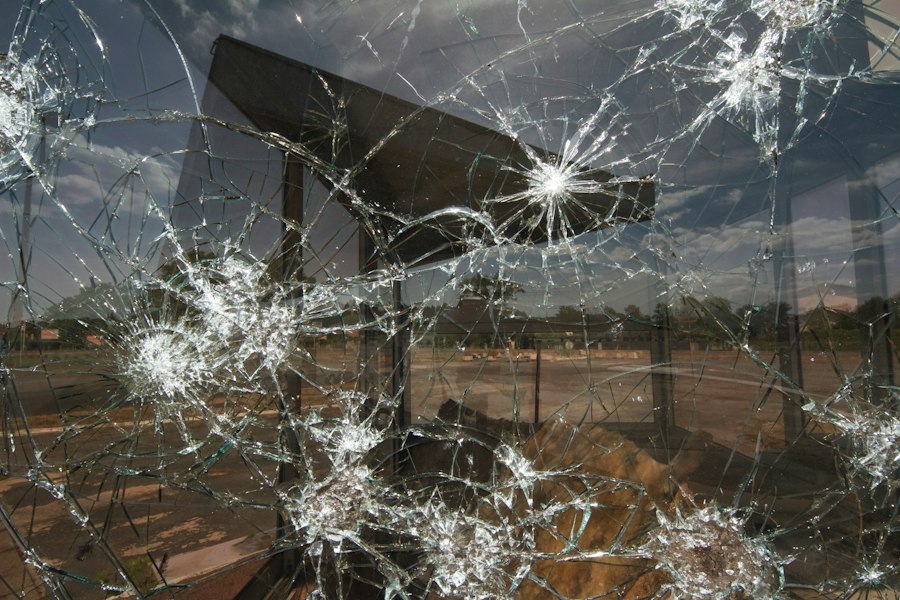
When laminated glass does break, you’ll notice a characteristic “spiderweb” pattern radiating from the point of impact. This is the glass cracking, but the PVB interlayer preventing it from separating. The cracks may spread, but the overall structure of the windshield remains in place. This is the intended behavior and a key safety feature. You might see small chips or star-shaped fractures, but the glass won’t typically fall out in large pieces.
Tools and Forces Involved
Breaking laminated glass with bare hands is virtually impossible. You would need significant force and a very sharp or heavy object to initiate a crack. Even then, the interlayer will resist complete separation. Common household items are unlikely to cause a complete breach. Specialized tools, such as heavy-duty glass cutters or more forceful impact devices, would be necessary to cause substantial damage or penetration. In emergency situations, emergency tools designed for breaking tempered glass (often featuring a sharp point) may be able to initiate a crack in laminated glass, but forcing a large hole would still be challenging.
Emergency Situations: When Breaking is Necessary
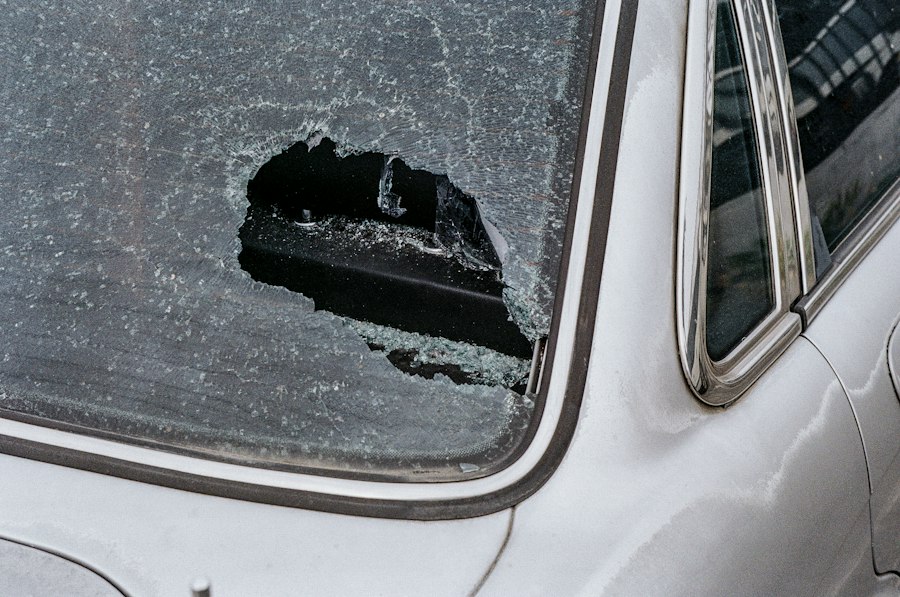
Despite its strength, there are rare but crucial situations where breaking laminated car glass becomes a matter of life and death. In these scenarios, the ability to breach the windshield is essential for escape or rescue.
Escape Through the Windshield
In a rollover accident or when a vehicle is submerged, the windshield might be the only viable escape route. While it’s tough, firefighters and emergency responders are trained to breach laminated glass when necessary. They utilize specialized tools designed for rapid extraction, which often involve a combination of sharp, forceful impacts to create a point of fracture, followed by prying or cutting to enlarge the opening. The goal is to create a safe passage, not necessarily to obliterate the glass.
Rescue Operations
Similarly, if an occupant is trapped within a vehicle, responders might need to break the windshield to access and extricate them. This requires precision and speed. The inherent strength of the laminated glass means that this is not a task to be undertaken lightly or with inadequate equipment. The focus is always on the safety of the individuals involved, both those trapped and the rescuers.
Emergency Tools and Techniques
Emergency tools often have a hardened steel tip designed to concentrate force on a small area, initiating a crack in the glass. Once a crack is formed, the leverage of the tool can be used to widen the breach, or other tools like specialized cutting blades might be employed. It’s a skill that requires training and knowledge of the material’s properties to be effective and safe. It’s important to remember that these are tools designed for trained professionals in life-threatening situations.
Safety Tips for Handling Broken Laminated Glass
If your car’s laminated glass does break, or if you encounter broken laminated glass in another context, understanding how to handle it safely is crucial. The primary advantage of laminated glass is that it holds together, but this doesn’t mean it’s entirely without hazard.
Containing the Fragments
Even though the PVB interlayer keeps most of the glass in place, you might still find small, sharp fragments that have become dislodged. If you’re dealing with a broken windshield inside your car, the safest approach is to avoid touching the broken glass directly. If you must clear it, wear thick gloves and use a broom and dustpan to carefully sweep up any loose pieces. Be thorough, as even small slivers can cause cuts.
Protecting Yourself from Sharp Edges
The cracked edges of laminated glass can still be sharp, even if they are adhered to the interlayer. When cleaning up, or if you’re near a vehicle with a broken windshield, be mindful of these edges. Avoid leaning against or touching the damaged area. If you are in a situation where you need to temporarily cover a broken windshield (for example, to prevent further damage from the elements before repair), use a heavy tarp or thick plastic sheeting, securing it firmly to avoid it flapping and exposing sharp edges.
When to Seek Professional Repair
Any damage to your car’s windshield, even a small chip, should be addressed by a professional as soon as possible. Small chips can quickly spread into larger cracks due to vibrations and temperature changes, compromising the structural integrity of the windshield and your vehicle. Professionals have the expertise and equipment to assess the damage and perform repairs or replacements effectively and safely. They also ensure that the new glass is installed correctly, maintaining the safety features of your vehicle.
If you’re curious about the challenges of breaking laminated car glass, you might find it interesting to explore a related article that delves into the science behind different types of automotive glass and their safety features. Understanding these aspects can provide valuable insights into why laminated glass is designed to withstand impacts more effectively than regular glass. For more detailed information, you can check out this informative piece on the topic at Freaky Science.
The Future of Automotive Glass Technology
| Aspect | Details | Notes |
|---|---|---|
| Material Composition | Laminated glass consists of two layers of glass with a plastic interlayer (usually PVB) | Interlayer holds glass shards together upon impact |
| Breakability | Can be broken but does not shatter into pieces | Glass cracks but remains mostly intact due to interlayer |
| Force Required | Higher than tempered glass; varies by thickness and glass type | Typically requires a strong, focused impact |
| Common Tools Used | Hammer, center punch, specialized glass breaker tools | Tools designed to concentrate force on a small area |
| Safety Considerations | Risk of sharp edges and shards despite interlayer | Protective gloves and eye protection recommended |
| Typical Use | Windshields in cars for safety and durability | Designed to prevent ejection and reduce injury |
| Post-Breakage Behavior | Glass cracks and stays bonded to interlayer | Maintains some barrier even when broken |
The development of laminated glass for automotive applications is a testament to ongoing innovation in material science and safety engineering. The industry continues to explore ways to enhance its performance, durability, and functionality.
Innovations in Interlayer Materials
Researchers are constantly experimenting with new interlayer materials that could offer even greater strength, improved acoustic insulation, or enhanced UV protection. These advancements could lead to lighter, stronger, and more efficient windshields that contribute to better fuel economy and a more comfortable driving experience. Imagine interlayers that can self-heal minor cracks or actively adapt to changing light conditions.
Smart Glass Technologies
The integration of “smart glass” technologies is also a growing area of interest. This could include features like electrochromic glass that can tint automatically to reduce glare, or integrated display capabilities for heads-up navigation systems. While these are more advanced applications, they highlight the evolving role of automotive glass beyond its traditional function. The laminated structure provides a stable platform for embedding these technologies without compromising safety.
Sustainability and Recycling
As environmental concerns grow, the automotive industry is also focusing on the sustainability of its materials. Efforts are underway to improve the recyclability of laminated glass and to develop more eco-friendly manufacturing processes. This involves finding ways to efficiently separate the glass and PVB layers for recycling, or developing biodegradable or renewable interlayer materials. The goal is to reduce the environmental footprint of vehicle production and end-of-life disposal.

Your Car Window Can Keep You In—Even When You Need Out
FAQs
1. Can laminated car glass be broken easily?
Laminated car glass is designed to be strong and shatter-resistant, making it difficult to break with conventional tools or methods.
2. What tools are needed to break laminated car glass?
To break laminated car glass, specialized tools such as a glass breaker or a spring-loaded center punch are typically required to effectively shatter the glass.
3. Is it safe to break laminated car glass in an emergency situation?
If necessary in an emergency, breaking laminated car glass can be done safely using the proper tools and techniques to avoid injury to oneself or others inside the vehicle.
4. Can you break laminated car glass without causing damage to the interior of the vehicle?
When breaking laminated car glass, it is important to aim for the edges of the glass to minimize damage to the interior of the vehicle and reduce the risk of injury from flying glass shards.
5. Are there any precautions to take when attempting to break laminated car glass?
Before attempting to break laminated car glass, it is important to ensure that all passengers are safely secured and to wear protective gear such as gloves and eye protection to prevent injuries from broken glass.