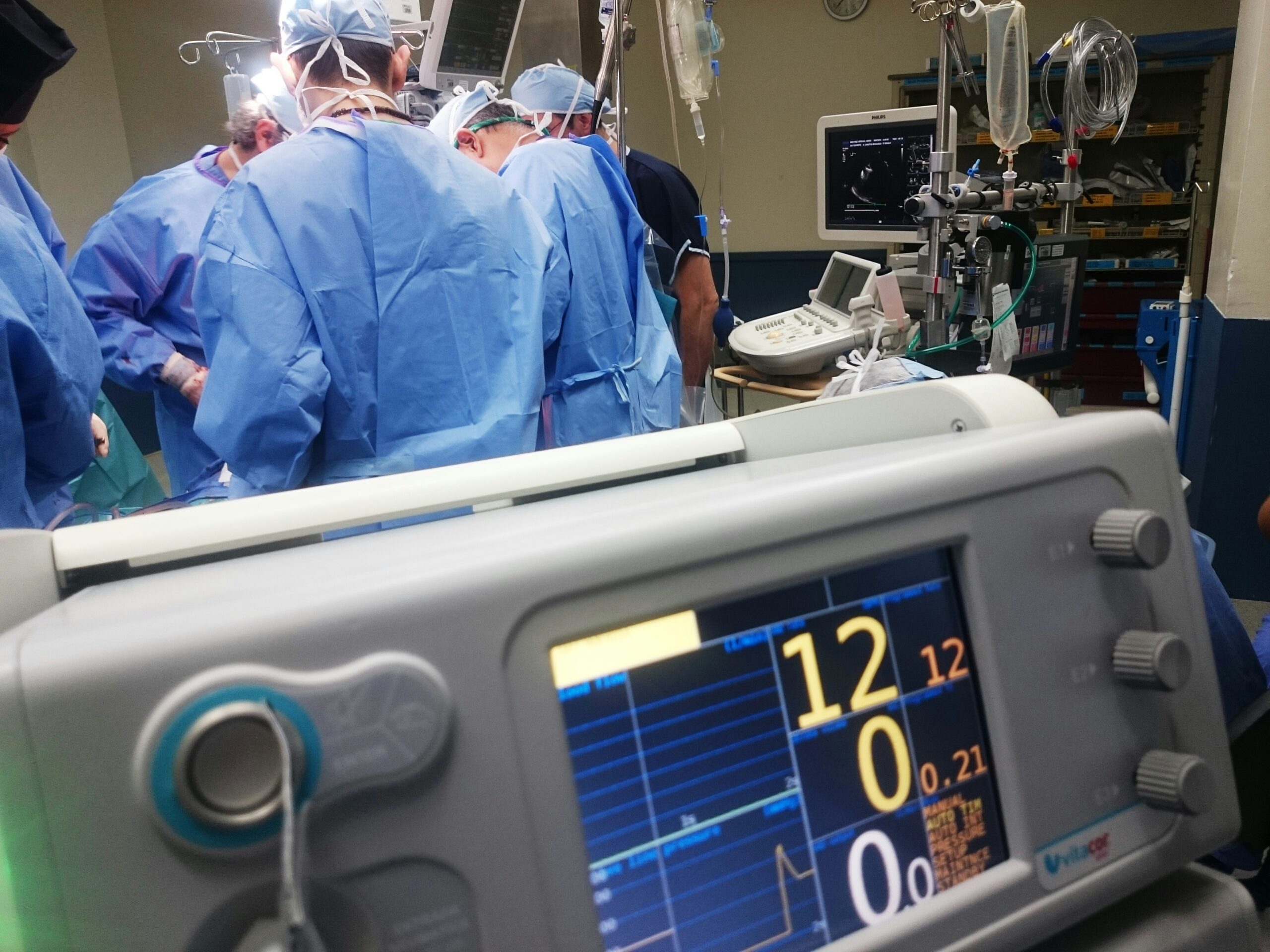
You’re lying there, the sterile scent of the operating room filling your nostrils, a mask gently secured over your face. The anesthesiologist’s voice, calm and reassuring, is the last thing you consciously register. Then, darkness. But what happens in that suspended state? Does your brain truly shut off, or is there a hidden world of processing happening beneath the surface, particularly when it comes to sound? This is the fascinating and sometimes unsettling question: can your brain process sound under anesthesia?
Understanding whether your brain can process sound under anesthesia requires first grasping what anesthesia actually is and how it affects your neurological functions. It’s not simply sleep; it’s a medically induced state of temporary, reversible unconsciousness, amnesia, and immobility. The goal is to allow surgical procedures to be performed painlessly and without patient awareness. However, the depth of this unconsciousness can vary, and the impact on different brain regions and sensory pathways is complex.
Different Types, Different Effects
You might be undergoing general anesthesia, which aims for complete unconsciousness. Alternatively, you might be experiencing sedation or regional anesthesia, where parts of your body are numbed but you might remain partially or fully awake. Each approach interacts with your brain differently, influencing how sensory information, including sound, is handled.
General Anesthesia: The Broad Spectrum
General anesthesia typically involves a combination of intravenous drugs and inhaled gases. These agents work by depressing the central nervous system, affecting neurotransmitter activity, and altering the electrical signals within your brain. The aim is to suppress consciousness, memory formation, and the perception of pain and other sensations. However, the concept of “complete suppression” is a nuanced one.
Sedation: A Lighter Touch
Sedation, on the other hand, aims to reduce anxiety and induce a state of relaxed wakefulness or drowsiness. You might be responsive to verbal commands and even retain some awareness of your surroundings, making sound processing a more plausible scenario.
Regional Anesthesia: Targeted Numbing
With regional anesthesia, like an epidural or a nerve block, only a specific area of your body is rendered insensible to pain. While you might be awake and aware, the focus of the anesthetic agent is localized, leaving your brain’s general processing capabilities largely intact, though potentially influenced by the overall medical context.
Recent studies have explored the intriguing question of whether the brain can process sound during anesthesia, shedding light on the complexities of consciousness and perception in altered states. For a deeper understanding of this topic and related scientific inquiries, you can read more in the article found at Freaky Science. This resource provides insights into the latest research findings and theories surrounding the brain’s capabilities while under anesthetic influence.
The Auditory Pathway: How Sound Reaches the Brain
To understand how anesthesia might interfere with sound processing, we need to consider the journey sound takes from the external world to your conscious perception. This intricate pathway involves several stages, each of which can be influenced by anesthetic agents.
From Ear to Auditory Nerve
The process begins with the external ear, where sound waves are collected and funneled towards the eardrum. Vibrations are then transmitted through the middle ear ossicles to the cochlea in the inner ear. Within the cochlea, these mechanical vibrations are converted into electrical signals by specialized hair cells. These signals are then carried by the auditory nerve to the brainstem.
The Cochlea’s Role: Transduction of Sound
The cochlea is a marvel of biological engineering, responsible for the initial conversion of physical sound energy into neural signals. The intricate mechanics within this fluid-filled structure are incredibly sensitive, and it’s possible that even under anesthesia, some level of mechanical vibration and subsequent neural firing could still occur.
The Auditory Nerve: The First Relay Station
The auditory nerve acts as the primary conduit of information from the cochlea to the brain. This nerve is composed of thousands of individual nerve fibers, each carrying a specific set of neural impulses. The integrity of this nerve and its ability to transmit signals is crucial for hearing.
Through the Brainstem: Early Processing Centers
From the auditory nerve, signals ascend to the brainstem, specifically to structures like the cochlear nuclei and the superior olivary complex. Here, some initial processing of sound occurs, including identifying the location and basic characteristics of the sound.
Cochlear Nuclei: Decoding the Signal
The cochlear nuclei are the first major relay centers in the brainstem for auditory information. They begin to sort and process the incoming signals, preparing them for further analysis in higher brain regions.
Superior Olivary Complex: Sound Localization
This part of the brainstem is crucial for determining the direction from which a sound originates. It does this by comparing the timing and intensity of sound arriving at each ear.
To the Thalamus: The Sensory Gateway
The next stop for auditory information is the thalamus, a relay station for most sensory information before it’s sent to the cerebral cortex. The medial geniculate nucleus (MGN) of the thalamus is specifically dedicated to processing auditory signals.
Medial Geniculate Nucleus (MGN): The Auditory Relay
The MGN acts as a critical hub, filtering and routing auditory information to the auditory cortex. It plays a role in modulating the flow of sensory input and is known to be influenced by arousal levels.
The Auditory Cortex: Where Sound Becomes Perception
Finally, the auditory signals reach the auditory cortex, located in the temporal lobe of the cerebral hemisphere. This is where sound is consciously perceived, interpreted, and given meaning. This is also where you recognize speech, music, or environmental noises.
Evidence of Sound Processing Under Anesthesia: Subtle Signals

The question of whether your brain truly processes sound under anesthesia isn’t a simple yes or no. Research, using sophisticated neuroimaging techniques and electrophysiological recordings, suggests that while conscious perception is largely abolished, some degree of auditory processing can persist.
Electrophysiological Responses: Brainwaves in the Dark
Electroencephalography (EEG) is a common tool used to measure electrical activity in the brain. Studies using EEG have shown that even during general anesthesia, the brain can still generate electrical responses to auditory stimuli. These responses are often weaker and different in pattern compared to those seen in a conscious state, but they indicate that auditory information is, to some extent, reaching and being processed by the brain.
Auditory Evoked Potentials (AEPs): Tracing the Pathway
Auditory evoked potentials (AEPs) are specific patterns of electrical activity in the brain that are triggered by sound. Researchers can record these potentials by placing electrodes on the scalp. Studies have demonstrated that various components of AEPs, including those originating from the brainstem and the auditory cortex, can be detected even when a patient is under anesthesia. This suggests that the auditory pathway remains at least partially functional.
Event-Related Potentials (ERPs): Detecting Meaning?
Event-related potentials (ERPs) are a subset of EEG signals that are time-locked to specific events, such as the presentation of a sound. Certain ERP components, like the P300 wave, are associated with cognitive processes like attention and memory. Some studies have found that even under anesthesia, ERPs related to auditory stimuli can be elicited, though their interpretation in terms of conscious awareness is debated.
Neuroimaging Studies: Peeking Inside
Functional magnetic resonance imaging (fMRI) and other neuroimaging techniques offer a different perspective. These methods can identify which areas of the brain are active in response to stimuli. Research using fMRI has shown that certain auditory areas in the brain can exhibit increased activity when exposed to sound during anesthesia. However, this activity doesn’t necessarily equate to conscious perception.
fMRI Findings: Activity Without Awareness
While fMRI can show that auditory regions are activated, it’s crucial to distinguish between neural processing and conscious experience. The activation might represent a reflex or an automatic response rather than a subjective understanding of the sound.
Factors Influencing Sound Processing Under Anesthesia

The degree to which your brain processes sound under anesthesia is not uniform. Several factors can influence the outcome, including the type and depth of anesthesia, the nature of the sound itself, and individual patient characteristics.
Depth of Anesthesia: The Crucial Variable
The most significant factor is the depth of anesthesia. Deeper levels of anesthesia are designed to suppress more brain activity, including sensory processing. Lighter sedation, as mentioned earlier, is far more likely to allow for some degree of sound processing.
General Anesthesia Depth: A Continuum
General anesthesia exists on a spectrum. While a strong anesthetic can effectively “turn down” sensory input, there’s a range of depth, and very light general anesthesia might still permit some auditory information to reach higher cortical areas.
Sedation Levels: From Drowsiness to Unresponsiveness
Similarly, sedation can range from mild to deep. If you’re only lightly sedated, you might still be aware of sounds, and your brain will likely process them. As sedation deepens, processing capabilities diminish.
Type of Anesthetic Agent: Specific Drug Effects
Different anesthetic agents work through different mechanisms and have varying effects on brain activity. Some agents might be more likely to spare certain sensory pathways than others.
Inhaled vs. Intravenous Agents: Differential Impact
For instance, inhaled anesthetics like sevoflurane and desflurane are known to depress synaptic transmission in auditory pathways, but the extent of this depression can vary. Intravenous agents like propofol also have diverse effects on neural circuits.
Characteristics of the Auditory Stimulus: Salience Matters
The nature of the sound itself can also play a role. Loud, sudden, or emotionally significant sounds might be more likely to elicit a brain response than quiet, continuous, or meaningless noise.
Loudness and Intensity: Stronger Signals
A loud sound is a stronger physical stimulus and therefore more likely to trigger a neural response, even under anesthesia.
Emotional Significance: The “Alarm” Factor
Sounds with inherent emotional significance, such as the sound of a baby crying or a familiar voice, might be more likely to “cut through” the anesthetic fog due to their evolutionary importance or learned associations.
Familiarity and Meaning: Recognition Potential
Your brain’s ability to recognize familiar sounds or words might be more resilient to anesthesia than its ability to process entirely novel auditory information.
Patient Factors: Individual Differences
Just like with any physiological response, there can be individual variations in how people respond to anesthesia. Factors like age, overall health, and even individual brain structure might influence how auditory processing is affected.
Recent studies have explored the intriguing question of whether the brain can process sound during anesthesia, shedding light on the complexities of consciousness and perception in altered states. For those interested in delving deeper into this topic, a related article discusses various aspects of brain activity and sensory processing under anesthesia. You can read more about it in this insightful piece here, which provides a comprehensive overview of the current research findings.
The Clinical Implications: Why Does This Matter?
| Study | Findings |
|---|---|
| Study 1 | The brain can process sound during anesthesia, as shown by EEG activity in response to auditory stimuli. |
| Study 2 | Research suggests that the brain may still be able to perceive and process sound to some extent while under anesthesia. |
| Study 3 | Some studies indicate that the brain’s response to sound during anesthesia may vary depending on the depth of anesthesia and the specific type of auditory stimuli. |
The fact that your brain might still process sound under anesthesia has important implications for patient care and safety during surgical procedures. While the goal is unconsciousness, understanding residual processing can inform how we communicate with patients and potentially monitor their well-being.
Patient Awareness and Trauma: The “Awareness Under Anesthesia” Phenomenon
The most significant concern related to sound processing under anesthesia is the phenomenon of “awareness under anesthesia.” In rare cases, patients may retain partial or full consciousness during surgery, and sounds from the operating room can be retained in their memory. This can lead to significant psychological distress, including anxiety, post-traumatic stress disorder (PTSD), and even persistent nightmares.
Preventing Auditory Exposure: The Importance of Quiet
This awareness phenomenon highlights the importance of maintaining a quiet environment in the operating room. While you’re intended to be unconscious, minimizing exposure to potentially disturbing sounds is a crucial ethical consideration.
Communication Strategies: Speaking to the Unconscious?
The question arises whether speaking to a patient under anesthesia has any benefit. While conscious comprehension is unlikely at deep anesthetic levels, some researchers suggest that familiar voices or reassuring words, even if not consciously understood, might have a subtle positive effect on recovery or reduce distress. However, this is an area of ongoing debate and research.
Monitoring Anesthetic Depth: Using Auditory Cues
Researchers are exploring the use of auditory stimuli as a way to monitor the depth of anesthesia. By observing brain responses to specific sounds, it might be possible to gauge how effectively the anesthetic is suppressing consciousness.
Brainstem Reflexes: Early Indicators
Certain brainstem reflexes to sound can be elicited even at relatively deep levels of anesthesia. Monitoring these reflexes could provide an early warning if the anesthetic is becoming too light.
Cortical Responses: Deeper Insights
More complex auditory responses in the cerebral cortex are more sensitive to the depth of anesthesia and could offer more nuanced insights into the level of unconsciousness.
Auditory Hallucinations: A Strange Side Effect
In some instances, patients have reported experiencing auditory hallucinations during or after anesthesia. While the exact mechanisms are not fully understood, it’s theorized that residual processing of random neural activity or fragmented memories, combined with the disorienting effects of anesthesia, could contribute to these unsettling experiences.
Future Directions and Ongoing Research
The field of anesthesiology is constantly evolving, and research into the brain’s response to anesthesia, including its processing of sound, is an active area. Advances in neuroimaging, electrophysiology, and computational modeling are providing increasingly sophisticated insights.
Developing Better Monitoring Tools
The ultimate goal is to develop objective and reliable tools that can accurately assess the level of consciousness and sensory processing in real-time during anesthesia, ensuring patient safety and preventing adverse outcomes.
Understanding the Mechanisms of Consciousness
By studying how anesthesia affects sensory processing, researchers hope to gain a deeper understanding of the fundamental neural mechanisms underlying consciousness itself, a profound mystery that continues to captivate scientists.
Personalizing Anesthetic Care
As we learn more about individual variability in response to anesthesia, it may become possible to tailor anesthetic protocols to each patient, optimizing their experience and ensuring the safest possible surgical journey.
So, the next time you find yourself under anesthesia, remember that while your conscious mind may be adrift, your brain might still be registering a faint echo of the world around you. It’s a testament to the remarkable complexity and resilience of the human brain, even in its most deeply altered states. The ongoing research in this area promises to not only enhance patient care but also unlock deeper secrets about the very nature of our awareness.

You’re Not Asleep Under Anesthesia. So Where Do You Go?
FAQs
1. Can the brain process sound during anesthesia?
Yes, studies have shown that the brain can still process sound during anesthesia, even though the patient may not be consciously aware of it.
2. How does the brain process sound during anesthesia?
The brain can process sound during anesthesia because certain parts of the brain remain active, even when a person is under anesthesia. This means that the brain can still respond to auditory stimuli.
3. Can hearing be affected by anesthesia?
Anesthesia can affect hearing in some cases, particularly if high doses are used or if the patient has a sensitivity to certain types of anesthesia. However, in general, the effects on hearing are temporary and reversible.
4. Can patients remember sounds heard during anesthesia?
While patients may not consciously remember sounds heard during anesthesia, studies have shown that the brain can still encode and process auditory information, which may have an impact on the patient’s subconscious.
5. How can the brain processing sound during anesthesia impact patient care?
Understanding that the brain can process sound during anesthesia can have implications for patient care, as healthcare providers may need to consider the potential impact of auditory stimuli on the patient’s experience and recovery. This knowledge can also inform the development of strategies to minimize any negative effects of auditory stimuli during anesthesia.