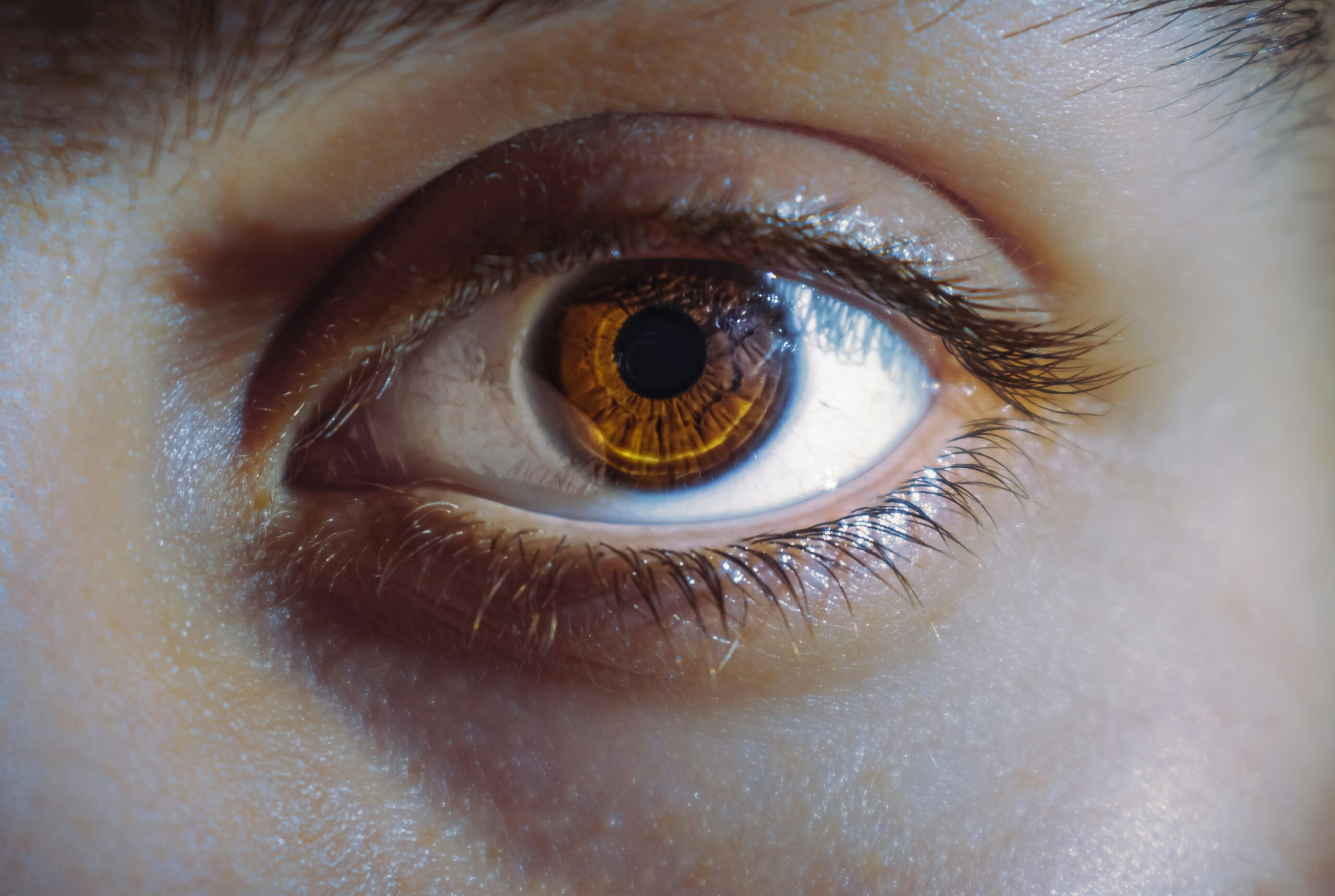
Brown Eyes: Nature’s UV Shield
You’ve probably heard it said, perhaps even by yourself, that people with brown eyes are “lucky” because they have “natural protection” from the sun. While it’s true that your brown irises offer a degree of inherent defense against ultraviolet (UV) radiation, the concept of them being a complete “shield” is a simplification that warrants closer examination. Your eye color is determined by the amount and type of melanin in your iris, and this pigment plays a role in how light interacts with your eyes. However, understanding the full spectrum of protection involves looking beyond just pigment and considering the multifaceted nature of UV exposure and eye health.
The primary benefit attributed to brown eyes stems from the higher concentration of melanin, a dark pigment, within the iris. This melanin absorbs light, including UV rays, more effectively than the lower concentrations found in lighter-colored eyes, such as blue or green. This absorption can, theoretically, reduce the amount of UV radiation that penetrates deeper into the eye. However, it’s crucial to understand that this protective mechanism is not absolute and does not eliminate the need for external sun protection.
Melanin: The Pigment’s Role
Your iris’s color is a direct consequence of melanin distribution. The more melanin present, the darker the iris appears.
Types of Melanin in the Iris
There are two main types of melanin: eumelanin, which is dark brown to black, and pheomelanin, which is reddish-yellow. Your eye color is primarily determined by the ratio and total amount of these two pigments. Brown eyes possess a significantly higher concentration of eumelanin.
Melanin Absorption Spectrum
Eumelanin is particularly effective at absorbing light across a broad spectrum, including the UVA and UVB wavelengths that are most damaging to ocular tissues.
How Melanin Acts as a Filter
Think of melanin as a built-in pair of sunglasses for your iris. It absorbs a portion of the incoming light and converts it into heat, which is then dissipated. This absorption reduces the intensity of light reaching the more sensitive inner structures of your eye.
The Significance of Iris Thickness
Beyond pigment, the physical structure of your iris also plays a role in light filtration.
Iris Stroma and Pigment Epithelium
The iris is composed of two main layers: the stroma, which contains the pigment cells (melanocytes), and the pigment epithelium on the back surface. The density and depth of melanin in both layers contribute to the overall light-blocking capacity of the iris.
Denser Melanin Packing
In brown eyes, the melanin granules in the iris stroma are more densely packed and distributed throughout a thicker stroma compared to lighter eyes. This increased density and depth create a more robust barrier against light penetration.
While your brown eyes offer some advantage, it’s vital to recognize the persistent risks associated with UV exposure. Decades of scientific research have established a clear link between prolonged UV exposure and a variety of detrimental eye conditions. These risks are not confined to individuals with lighter irises; everyone is susceptible, though the degree of susceptibility can vary.
The sun emits a spectrum of electromagnetic radiation, and the portion that reaches us on Earth includes UVA and UVB rays. These are the primary culprits when it comes to UV-induced damage to your eyes. The cornea and lens, in particular, are vulnerable to the cumulative effects of this radiation.
Short-Term Effects of UV Exposure
Exposure to high levels of UV radiation, even for a short period, can lead to immediate discomfort and functional impairment.
Photokeratitis: “Snow Blindness”
This condition is essentially a sunburn of the cornea. It’s characterized by pain, redness, tearing, and a gritty sensation in the eyes. While temporary, it can be extremely uncomfortable and significantly impair vision.
Reduced Visual Acuity
Even without overt symptoms of photokeratitis, intense UV exposure can transiently affect your visual acuity, making it harder to see clearly.
Long-Term Consequences of Cumulative UV Exposure
The real concern lies in the cumulative damage that UV radiation inflicts over years of repeated exposure. This damage can be insidious and lead to irreversible vision loss.
Cataracts
Cataracts are the clouding of the eye’s natural lens. One of the most well-established risk factors for developing cataracts is chronic exposure to UV radiation. Studies have shown a correlation between increased UV exposure and a higher risk of both nuclear and cortical cataracts. Your brown irises may offer some protection by absorbing UV, but this protection is not foolproof, and a significant amount can still reach the lens over time.
Types of Cataracts Linked to UV Exposure
- Nuclear cataracts: These form in the central part of the lens and often lead to a yellowish discoloration.
- Cortical cataracts: These develop in the lens cortex, starting as white wedges or streaks.
The Mechanism of UV-Induced Cataract Formation
UV radiation can damage the proteins within the lens, causing them to aggregate and form opaque areas. This process is exacerbated by oxidative stress, which UV light can induce.
Macular Degeneration
Age-related macular degeneration (AMD) is a leading cause of vision loss in older adults. While genetics and age are significant factors, evidence suggests that chronic UV exposure may also contribute to its development and progression, particularly the dry form. The macula, a small area in the retina responsible for sharp, central vision, is susceptible to light-induced damage.
Blue Light and Macular Damage
While UV radiation is often the focus, shorter wavelengths of visible light, including blue light, have also been implicated in macular damage. This highlights the importance of filtering out a broader range of light.
Pterygium and Pinguecula
These are non-cancerous growths that develop on the conjunctiva, the clear membrane covering the white part of your eye.
- Pinguecula: A yellowish, slightly raised bump on the conjunctiva, usually near the cornea.
- Pterygium: A fleshy, triangular growth that can extend from the conjunctiva onto the cornea, potentially affecting vision.
Both are strongly associated with chronic exposure to sunlight, wind, and dust. Your brown irises offer some localized protection to the cornea from direct light, but the conjunctiva remains exposed.
Brown eyes have often been associated with various biological advantages, one of which is their ability to act as a natural UV shield. This protective feature is attributed to the higher levels of melanin found in brown irises, which can help absorb harmful ultraviolet rays and reduce the risk of eye damage. For more insights into the fascinating science behind eye color and its implications on health, you can read a related article at Freaky Science.
Beyond Pigment: The Limits of Natural Protection
While the melanin in your brown irises provides a natural advantage, it’s essential to understand that this protection is not absolute. The eye is a complex organ, and UV radiation can find pathways to cause damage even in the presence of pigment. The intensity and duration of exposure, as well as environmental factors, play significant roles.
Your irises do not form a complete, impenetrable barrier. UV rays can still penetrate through the pupil, especially when it dilates in low light conditions. Furthermore, the light that enters the eye is reflected and scattered by various internal structures, meaning that even if the iris absorbs some UV, other parts of the eye can still be exposed.
Brown eyes have long been noted for their unique biological advantages, one of which is their ability to act as a natural UV shield. This protective feature is attributed to the increased melanin levels found in brown irises, which help absorb harmful ultraviolet rays and reduce the risk of eye damage. For those interested in exploring more about the fascinating relationship between eye color and health, a related article can be found here that delves deeper into this topic. Understanding these traits can shed light on why certain eye colors may offer better protection in sunny environments.
The Role of the Pupil
The pupil’s aperture changes based on light conditions, influencing the amount of light entering the eye.
Pupil Dilation in Low Light
When it’s dim, your pupils widen to allow more light in, enabling better vision. However, this also means that more UV radiation can enter the eye. Your brown irises absorb some of this light at the entrance, but a larger pupil still allows a greater overall flux of light and potentially more UV to reach the retina.
Pupil Constriction in Bright Light
In bright sunlight, your pupils constrict, reducing the amount of light entering the eye. This naturally limits UV exposure, regardless of iris color. However, this constriction is a response to overall light intensity, not specifically UV intensity, and doesn’t provide targeted UV protection.
Light Scatter and Reflection
Once light enters the eye, it doesn’t travel in a straight line.
Internal Structures as Reflectors
The cornea, lens, and other internal structures can reflect and scatter light. This means UV radiation can reach different parts of the retina and other vulnerable tissues through indirect pathways.
Indirect UV Exposure
Even if your iris absorbs a significant portion of direct UV, scattered and reflected UV rays can still contribute to cumulative damage.
External Protection: Your Essential Role

Given the limitations of natural protection, your active role in protecting your eyes from UV radiation is paramount. Relying solely on your eye color is a misconception that can lead to complacency and increased risk of eye damage. The most effective strategy involves employing external protective measures that complement the natural defenses your eyes offer.
This is where sunglasses and hats become indispensable tools. They are not merely fashion accessories; they are crucial pieces of protective gear for maintaining long-term eye health. The efficacy of these measures depends on their design and how consistently you use them.
Sunglasses: Your First Line of Defense
The selection of appropriate sunglasses is critical. Not all sunglasses provide adequate UV protection.
UV Blocking Standards
Look for sunglasses that explicitly state they block 99% or 100% of UVA and UVB rays, or those that meet ANSI Z80.3 standards (or equivalent international standards). This is the most important feature, overriding lens color or darkness.
Lens Color and Darkness
While darker lenses reduce visible light, making your eyes more comfortable in bright conditions, they do not necessarily offer better UV protection. In fact, if dark lenses do not block UV rays, your pupils may dilate more behind them, allowing more UV to enter the eye than with lighter, UV-blocking lenses.
Wraparound Styles
Consider sunglasses with a wraparound design. These styles fit closer to your face, minimizing the amount of UV radiation that can enter from the sides, top, and bottom. This is especially important for activities where you’re exposed to sunlight from multiple angles, such as hiking or being on the water.
Hats: A Supplementary Measure
Wearing a hat with a wide brim is another effective way to reduce UV exposure to your eyes and surrounding skin.
Brim Width Matters
A brim of at least three inches typically provides substantial shading for your eyes and face. This can significantly reduce the amount of direct sunlight reaching your eyes, complementing the protection offered by sunglasses.
Protection for Surrounding Skin
Hats also protect the skin around your eyes, which is susceptible to UV damage, leading to premature aging and an increased risk of skin cancer.
Conclusion: Proactive Eye Care for All
Your brown eyes do possess a natural advantage in their melanin content, offering a degree of built-in UV filtration. This is a biological trait you possess, and it’s a good starting point for eye health. However, it is a far cry from an impenetrable shield. The cumulative effects of UV radiation, including the risk of cataracts and macular degeneration, are significant for everyone, regardless of iris color.
Therefore, your approach to eye health should not be one of passive reliance on your natural eye color. Instead, it should be characterized by proactive, consistent application of protective measures. Regular eye exams are crucial for early detection of any potential issues. Educating yourself about the risks and taking simple, effective steps like wearing UV-blocking sunglasses and a wide-brimmed hat whenever you are outdoors are essential components of maintaining good vision throughout your life. Your eye color is a fascinating aspect of your biology; your commitment to protecting your vision is a testament to your understanding of its value.
FAQs
What is the biological function of brown eyes as a UV shield?
Brown eyes contain more melanin, which is a pigment that helps protect the eyes from the harmful effects of ultraviolet (UV) radiation. This extra melanin acts as a natural shield against UV rays, reducing the risk of eye damage and certain eye conditions.
How does the amount of melanin in the eyes affect their ability to shield against UV radiation?
The amount of melanin in the eyes determines their color, with higher levels of melanin resulting in darker eye colors such as brown. This increased melanin provides better protection against UV radiation compared to lighter-colored eyes, which have less melanin and therefore offer less UV protection.
What are the potential benefits of having brown eyes as a UV shield?
Having brown eyes can help reduce the risk of developing certain eye conditions, such as cataracts and macular degeneration, which can be caused or exacerbated by UV exposure. Additionally, the extra protection from UV radiation may also contribute to overall eye health and longevity.
Are there any drawbacks to having brown eyes as a UV shield?
While brown eyes provide natural protection against UV radiation, it’s important to note that they do not offer complete immunity from UV-related eye damage. It’s still crucial to wear UV-protective sunglasses and practice other sun safety measures to further safeguard the eyes from harmful UV rays.
Can the protective benefits of brown eyes be enhanced through additional measures?
In addition to the natural UV protection provided by brown eyes, individuals can further enhance their eye protection by wearing sunglasses that block 100% of UVA and UVB rays, as well as wide-brimmed hats and seeking shade during peak sun hours. These measures can help maximize the benefits of brown eyes as a biological UV shield.